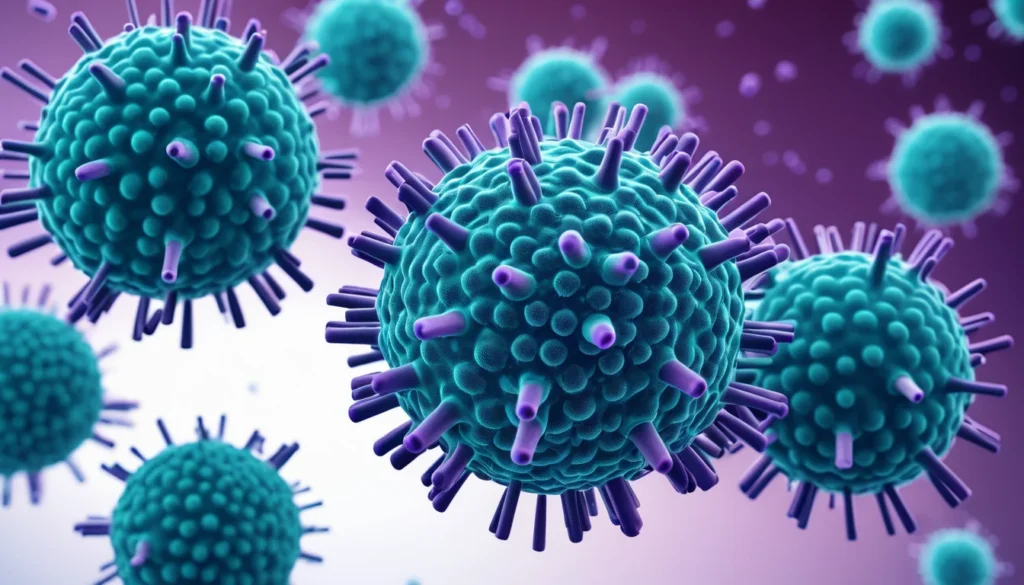
A yeast infection is a common type of fungal infection that can affect the skin, mouth, genitals, and other parts of the body. Yeast are microscopic fungi that normally live on and inside the human body without causing harm. However, when they grow out of control, they can trigger uncomfortable and sometimes serious infections. This article explains what yeast infections are, which fungi cause them, how to recognize the signs, and what you can do about them.
What Is a Yeast Infection?
A yeast infection happens when a type of fungus called yeast grows too much in one area of the body. Yeast belong to the broader family of fungi, and they live naturally on your skin and inside your body. Under normal conditions, your immune system and the balance of bacteria in your body keep yeast in check.
When that balance is disrupted — for example, after taking antibiotics or during periods of stress — yeast can multiply rapidly. This overgrowth leads to infection, which doctors call a mycosis. Yeast infections range from mild and easily treated to more serious conditions that need medical attention.
According to Health Canada, fungal infections affect millions of Canadians each year. Most are minor, but some can become serious, especially in people with weakened immune systems.
Common Types of Yeast Fungi That Cause Infection
There are many species of yeast, but only a handful regularly cause infections in humans. Understanding which type of yeast is involved helps doctors choose the right treatment. Here are the most common yeast genera that affect Canadians.
Candida
Candida is by far the most common cause of yeast infections in humans. It can infect the mouth (known as thrush), the genitals, the skin folds, and even the bloodstream in severe cases. Vaginal yeast infections, caused mainly by Candida albicans, affect up to 75% of people with vaginas at least once in their lifetime.
In addition, Candida infections can occur in the throat and esophagus, especially in people taking certain medications or living with conditions like HIV or diabetes. These are called oropharyngeal and esophageal candidiasis.
Cryptococcus
Cryptococcus is a yeast found in soil and bird droppings. Most healthy people who breathe it in never get sick. However, in people with weakened immune systems — such as those living with HIV — it can cause a serious infection called cryptococcal meningitis, which affects the brain and spinal cord.
This type of yeast infection is less common in Canada but is still an important concern for immunocompromised individuals. Early diagnosis and treatment are critical for a good outcome.
Histoplasma
Histoplasma is technically classified as a dimorphic fungus, meaning it can behave like either a mould or a yeast depending on the temperature. It grows in soil enriched with bird or bat droppings. Breathing in its spores can lead to histoplasmosis, a lung infection that sometimes spreads to other organs.
In Canada, histoplasmosis is more common in certain regions, particularly in the Great Lakes area and parts of Ontario and Quebec. Most healthy people recover without treatment, but severe cases require antifungal medication.
Malassezia
Malassezia is a yeast that lives naturally on the skin. In most people, it causes no problems. However, in some individuals, it contributes to skin conditions such as dandruff (seborrheic dermatitis), tinea versicolor (a patchy skin discolouration), and certain types of folliculitis (inflamed hair follicles).
Furthermore, Malassezia has been linked to flare-ups of eczema and other skin conditions. Treatments targeting this yeast — including medicated shampoos and antifungal creams — are widely available at Canadian pharmacies.
Who Is at Risk for a Yeast Infection?
Anyone can develop a yeast infection, but certain factors make it more likely. Knowing your risk factors can help you take steps to protect yourself.
Common risk factors include:
Antibiotic use: Antibiotics kill harmful bacteria but also disrupt the good bacteria that keep yeast in check.
Weakened immune system: Conditions like HIV, cancer treatment, or organ transplantation reduce the body’s ability to fight fungal overgrowth.
Diabetes: High blood sugar levels create an environment where yeast thrive.
Pregnancy: Hormonal changes during pregnancy can increase the risk of vaginal yeast infections.
Prolonged use of corticosteroids: These medications suppress the immune system and can allow yeast to grow unchecked.
Wearing tight or damp clothing: Moisture and warmth encourage yeast growth on the skin.
Poor diet: A diet high in refined sugars can promote yeast overgrowth in the gut and on the skin.
Therefore, if you have any of these risk factors and develop unusual symptoms, it is a good idea to speak with your family doctor or visit a walk-in clinic.
Symptoms of a Yeast Infection
The symptoms of a yeast infection vary depending on where in the body it occurs. However, most yeast infections share a few common warning signs.
Skin and Skin Fold Infections
Yeast infections on the skin often appear as a red, itchy rash in warm, moist areas. Common locations include the groin, underarms, under the breasts, and between the toes. The rash may have a scaly or slightly raised border, and there may be small blisters or sores nearby.
Vaginal Yeast Infections
Vaginal yeast infections are among the most common types in Canada. Symptoms include intense itching and burning in and around the vagina, along with a thick, white discharge that looks similar to cottage cheese. There may also be redness, swelling, and discomfort during sex or urination.
As a result, many people seek relief at their local pharmacy, where over-the-counter antifungal treatments are available. However, if this is your first yeast infection or symptoms do not improve, see your doctor before using these products.
Oral Yeast Infections (Thrush)
Oral thrush causes white, creamy patches on the tongue, inner cheeks, roof of the mouth, or throat. The patches may be slightly raised and can bleed when scraped. In addition, the mouth may feel sore, and some people have difficulty swallowing.
Thrush is common in babies and older adults, as well as in people who use inhaled corticosteroids for asthma. Rinsing your mouth after using an inhaler can help prevent this type of yeast infection.
Systemic Yeast Infections
In rare cases, yeast can enter the bloodstream and spread throughout the body. This is called invasive candidiasis or fungaemia. Symptoms may include fever, chills, and low blood pressure, especially in hospital patients with central lines or catheters. This type of yeast infection is a medical emergency and requires immediate treatment.
How Is a Yeast Infection Diagnosed and Treated?
Diagnosing a yeast infection usually involves a physical exam and, in some cases, a laboratory test. Your doctor may take a swab of the affected area to identify the specific type of yeast causing the infection.
Treatment depends on the type and severity of the infection. Options include:
Topical antifungal creams: These are applied directly to the skin or vaginal area and are effective for mild to moderate infections.
Antifungal suppositories: Used for vaginal yeast infections, these are inserted directly and work quickly.
Oral antifungal tablets: Medications such as fluconazole are prescribed for more stubborn or recurring infections. These require a prescription in Canada.
Antifungal shampoos and washes: Used for skin conditions like dandruff and tinea versicolor caused by Malassezia.
Intravenous antifungals: Used in hospital settings for serious systemic yeast infections.
For more information on antifungal treatments, the Mayo Clinic’s guide to yeast infection treatment provides a helpful and detailed overview.
Preventing Yeast Infections
Many yeast infections are preventable with a few simple lifestyle habits. Prevention is especially important for people who experience recurring infections.
Here are some practical steps you can take:
Wear loose, breathable clothing made from natural fibres like cotton.
Keep skin folds clean and dry, especially in warm weather.
Change out of wet swimwear or workout clothes promptly.
Eat a balanced diet and limit your intake of sugary foods.
Take probiotics during and after a course of antibiotics, as these can help restore healthy bacteria.
Rinse your mouth after using corticosteroid inhalers.
Avoid douching, as this disrupts the natural balance of bacteria and yeast in the vagina.
Manage blood sugar levels carefully if you have diabetes.
Furthermore, maintaining a strong immune system through regular exercise, adequate sleep, and a healthy diet can greatly reduce your risk of developing a yeast infection. You can learn more about building healthy habits at Healthline’s guide to preventing yeast infections.
When to See a Doctor
While many yeast infections are mild and can be treated at home, there are times when you should seek professional medical advice. Do not delay in contacting your family doctor or visiting a walk-in clinic if you experience any of the following:
This is your first yeast infection and you are unsure of the diagnosis.
Your symptoms do not improve after using over-the-counter treatments.
You have four or more yeast infections in one year (known as recurrent candidiasis).
You develop a fever, chills, or feel seriously unwell alongside your symptoms.
You are pregnant, as some antifungal treatments are not safe during pregnancy.
You have a weakened immune system due to illness or medication.
The infection is in or around the mouth, throat, or eyes.
In Canada, most provincial and territorial health plans cover visits to your family doctor for infections like these. If you do not have a family doctor, a walk-in clinic is a good option for assessment and treatment. Always consult a healthcare professional before starting any new treatment, especially if you have underlying health conditions.
Frequently Asked Questions About Yeast Infections
What does a yeast infection look like?
A yeast infection on the skin usually appears as a red, itchy rash with a slightly raised border, often in warm and moist areas of the body. Vaginal yeast infections may cause redness and swelling along with a thick white discharge. Oral yeast infections (thrush) appear as white, creamy patches inside the mouth or on the tongue.
Can men get a yeast infection?
Yes, men can get a yeast infection, most commonly on the penis — a condition called balanitis. Symptoms include redness, itching, and a rash on the head of the penis, sometimes with a white discharge. Men with diabetes or a weakened immune system are at higher risk, and treatment with antifungal cream is usually effective.
How long does a yeast infection last?
A mild yeast infection often clears up within a few days with over-the-counter antifungal treatment. More stubborn infections may take one to two weeks to fully resolve, especially without treatment. If your yeast infection lasts longer than two weeks or keeps coming back, see your family doctor or visit a walk-in clinic.
Is a yeast infection contagious?
Yeast infections are not considered contagious in the same way as bacterial infections, because yeast already lives naturally on most people’s bodies. However, in rare cases, yeast can be passed between sexual partners. It is a good idea for both partners to be evaluated if one person has a recurring yeast infection.
Can I treat a yeast infection at home?
Many mild yeast infections can be treated at home using over-the-counter antifungal creams, suppositories, or medicated shampoos available at Canadian pharmacies. However, if this is your first yeast infection, you are pregnant, or your symptoms do not improve within a week, you should see a healthcare professional. Always consult a doctor before starting any treatment if you have other health conditions.
What foods make a yeast infection worse?
Foods high in refined sugar and simple carbohydrates — such as white bread, sugary drinks, and sweets — can promote the growth of yeast in the body. Some people find that reducing these foods helps prevent recurring yeast infections. However, dietary changes alone are not a substitute for antifungal treatment when a yeast infection is already present.
Key Takeaways
A yeast infection is caused by an overgrowth of fungal yeast, most commonly Candida, on or inside the body. Other yeast genera that cause human infections include Cryptococcus, Histoplasma, and Malassezia. Common types include vaginal yeast infections,