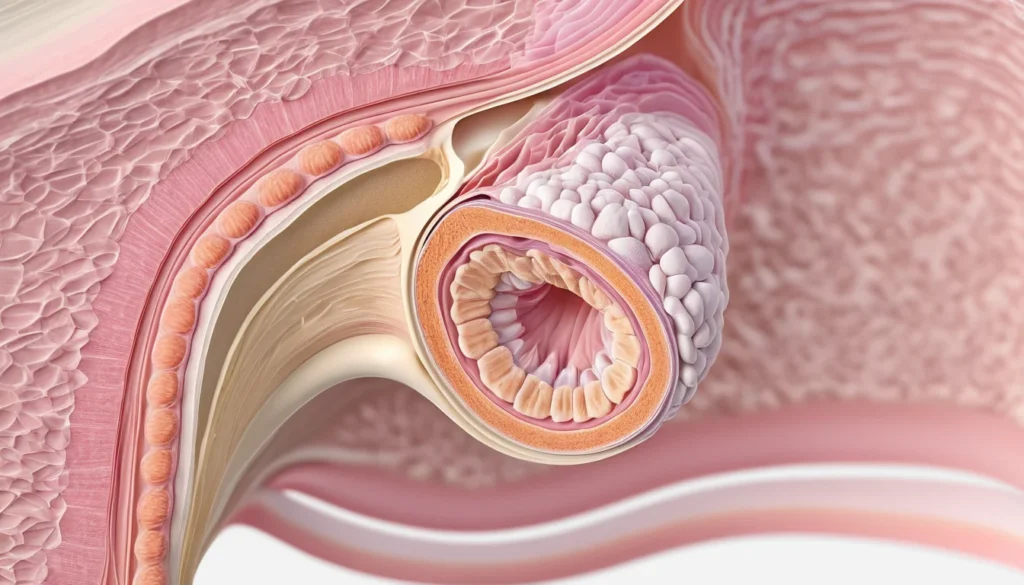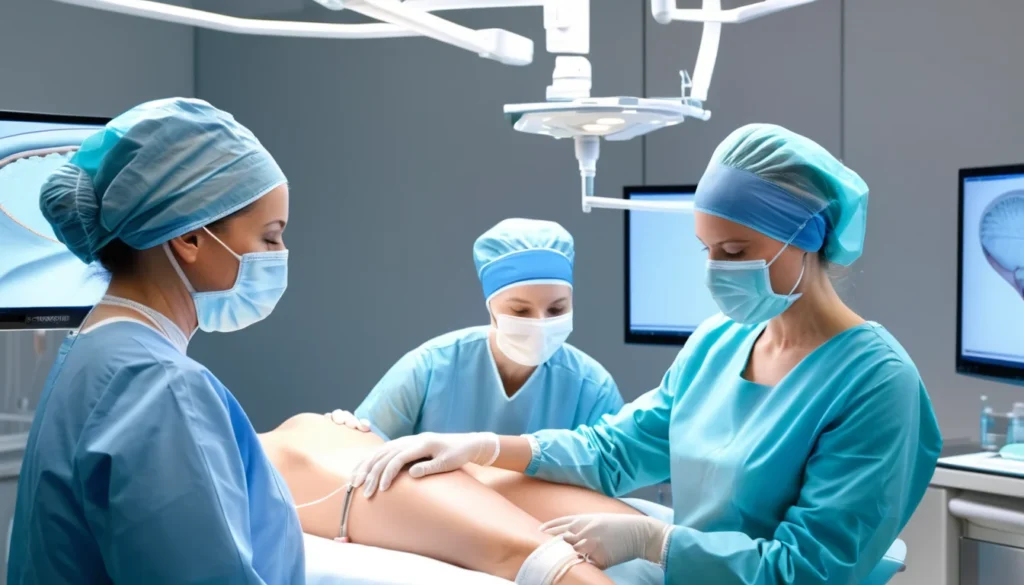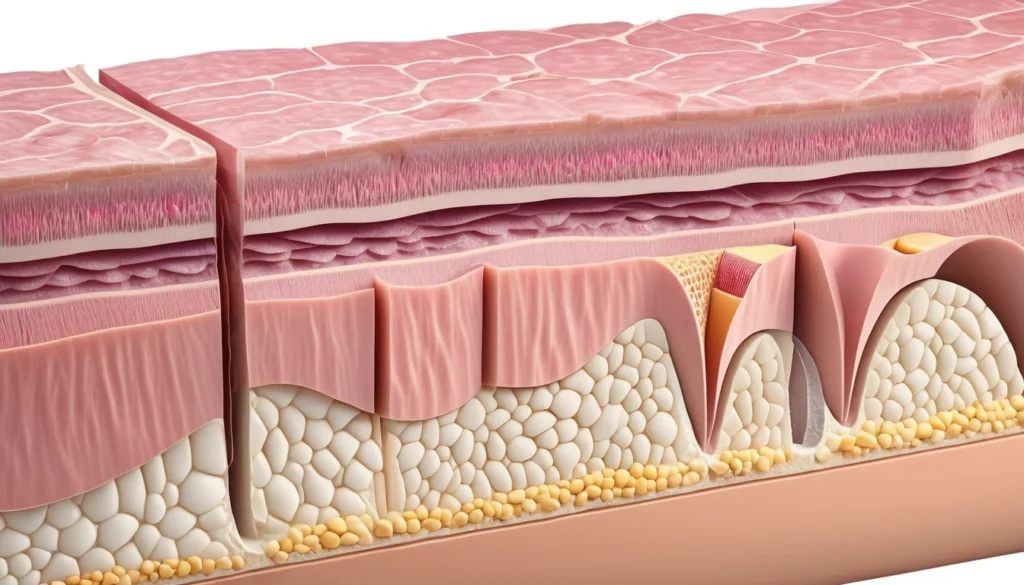
Wound repair surgery helps people recover from serious burns, injuries, and trauma. It can restore movement, improve appearance, and help the body heal when a wound is too complex to close on its own. In Canada, reconstructive procedures are performed by plastic and reconstructive surgeons, often covered in part through provincial health plans depending on the medical need. This article explains the most common types of wound repair surgery, what to expect during recovery, and when to talk to your doctor.
What Is Wound Repair Surgery?
Wound repair surgery is a branch of reconstructive medicine. It focuses on fixing damage caused by burns, accidents, infections, or other serious injuries. The goal is to restore both function and appearance to the affected area.
A plastic and reconstructive surgeon performs these procedures. These specialists have advanced training in repairing complex wounds that cannot heal with simple stitches or bandages. In Canada, your family doctor or walk-in clinic can provide a referral to a reconstructive surgeon if needed.
However, not every wound requires surgery. Many minor cuts and scrapes heal well with proper wound care at home. Wound repair surgery is typically reserved for deeper, more severe injuries that affect layers of skin, muscle, or bone.
Common Types of Wound Repair Surgery
There are several surgical techniques used in wound repair surgery. The right approach depends on the size, location, and depth of the wound. Your surgeon will recommend the best option based on your specific situation.
Skin Grafts
A skin graft is one of the most common wound repair procedures. The surgeon removes a thin layer of healthy skin from one part of your body and places it over the wound. This technique is used most often for burn injuries.
Skin grafts are also used in breast reconstruction and nasal repair surgeries. The donor site — the area where the skin was taken — heals on its own over time. According to Mayo Clinic, skin grafts are a well-established technique for treating serious burn wounds and other complex skin injuries.
Microsurgery
Microsurgery is a highly precise form of wound repair surgery. Surgeons use powerful microscopes and very fine instruments to reconnect tiny blood vessels and nerves. This technique is used to reattach body parts such as fingers, ears, or lips that have been severed in an accident.
The success of microsurgery depends on how quickly the patient receives treatment. Time is critical — the sooner the procedure begins, the better the outcome is likely to be. In major Canadian cities, trauma centres are equipped to perform emergency microsurgery.
Tissue Flap Procedures
A tissue flap procedure involves moving a section of muscle, skin, or bone from one part of the body to another. Unlike a skin graft, a flap keeps its own blood supply during transfer. This makes it more suitable for deeper or larger wound repairs.
Tissue flap surgery is commonly used in breast reconstruction following a mastectomy. It is also used in head and neck surgeries where large areas of tissue have been removed due to cancer or trauma. Furthermore, it can restore function in areas where muscle and bone have been damaged.
Tissue Expansion
Tissue expansion is a technique that encourages the body to grow extra skin. A surgeon places a small balloon-like device called an expander under the skin near the wound site. Over several weeks, the expander is gradually filled with a saline solution.
As a result, the skin stretches and grows, similar to how a pregnant person’s skin expands during pregnancy. The new skin is then used to cover the wound or repair a nearby area. This method is often used for scalp repair, breast reconstruction, and burn treatment. You can learn more about reconstructive techniques through Healthline’s overview of skin repair and reconstructive procedures.
Who Needs Wound Repair Surgery?
Wound repair surgery may be recommended for a range of conditions. Your doctor will assess whether surgery is the right path based on the nature and severity of your injury. Common reasons people undergo wound repair surgery in Canada include:
Serious burns covering a large area of the body
Deep lacerations that damage muscle, tendon, or bone
Wounds that have become infected or are not healing properly
Injuries resulting in loss of a body part such as a finger or earlobe
Scarring that limits movement or causes significant discomfort
Reconstruction after cancer surgery, such as breast or skin cancer removal
In addition, some people seek wound repair surgery to improve the appearance of scars that affect their quality of life. Emotional and psychological well-being is an important part of recovery. Canadian provincial health plans may cover reconstructive procedures when there is a medical or functional reason.
Risks and Side Effects of Wound Repair Surgery
Like all surgical procedures, wound repair surgery carries some risks. Your surgeon will review these with you before the operation. Understanding the potential complications helps you make an informed decision.
Common Side Effects
Side effects vary depending on the type of wound repair surgery performed. However, most patients experience some swelling, bruising, and discomfort after the procedure. These effects are usually temporary and improve as healing progresses.
Pain at the surgical site is also common in the first few days. Your care team will provide guidance on managing pain safely, which may include prescribed medication or over-the-counter options.
Risk of Infection
Infection is one of the most important risks to watch for after wound repair surgery. Bacteria can enter the wound at the incision site if proper care is not followed. Signs of infection include increased redness, warmth, swelling, discharge, or fever.
Following your surgeon’s wound care instructions closely reduces this risk significantly. Health Canada provides guidance on safe wound care and infection prevention that can support your recovery at home.
Other Possible Complications
In some cases, a skin graft or flap may not fully attach to the wound. This is called graft failure. Additional surgery may be needed if this happens. Scarring at the donor site is also possible, though surgeons choose donor areas carefully to minimise visible scarring.
Blood clots, reactions to anaesthesia, and nerve damage are less common but serious risks. Your surgeon will discuss your personal risk level based on your age, health history, and the complexity of the procedure.
Recovery After Wound Repair Surgery
Recovery from wound repair surgery takes time. Most patients need several months to fully heal, depending on the type and extent of the procedure. It is important to be patient with the process and follow all medical instructions carefully.
After leaving the hospital or surgical centre, recovery continues at home. Your care team will give you detailed instructions on how to care for your wound, which dressings to use, and what activities to avoid. Keeping follow-up appointments is essential to monitor healing progress.
Physical therapy may be recommended if the wound affected a joint or limited your range of motion. In addition, some patients benefit from occupational therapy to help them return to daily activities safely. Your provincial health plan may cover these services depending on your situation.
Eating well, staying hydrated, and avoiding smoking all support faster healing. Smoking in particular can significantly slow wound healing by reducing blood flow to the tissues. Your doctor can provide resources to help with smoking cessation if needed.
Long-Term Results of Wound Repair Surgery
The results of wound repair surgery are generally long-lasting. Structural changes made during surgery — such as reattached tissue or a healed graft — remain in place for life. However, the appearance of the repaired area may change slightly over time as part of the natural ageing process.
Most patients report significant improvements in both function and appearance after a successful procedure. For example, someone who regained movement in a scarred joint can return to daily activities they had previously lost. Emotional wellbeing often improves as well, particularly for those dealing with visible scarring.
Therefore, it is important to have realistic expectations going into surgery. Your surgeon will help you understand what outcomes are achievable based on your specific wound and health history. A thorough consultation before the procedure is key to a satisfying result.
When to See a Doctor About Wound Repair
You should speak with a healthcare provider if you have a wound that is not healing properly. This includes wounds that remain open after two weeks, wounds that show signs of infection, or injuries that have caused loss of movement or sensation.
Start by visiting your family doctor or a walk-in clinic. They can assess the wound, rule out infection, and refer you to a plastic and reconstructive surgeon if necessary. In emergencies — such as a traumatic injury with severe tissue damage — go directly to your nearest emergency department or call 911.
Do not delay seeking care for a serious wound. Early treatment often leads to better outcomes and may reduce the need for more complex surgical intervention later. Your provincial health plan covers emergency and medically necessary treatments, so cost should not be a barrier to getting help.
Always consult your doctor or a qualified medical professional before making decisions about wound repair surgery. Every situation is different, and a healthcare provider can give you personalised advice based on your health history and the nature of your injury.
Frequently Asked Questions About Wound Repair Surgery
How long does wound repair surgery take to heal?
Recovery from wound repair surgery typically takes several months, depending on the type of procedure and the severity of the injury. Skin grafts and tissue flaps may take longer to fully integrate than simpler repairs. Following your surgeon’s aftercare instructions closely will support the best possible healing outcome.
Is wound repair surgery covered by provincial health insurance in Canada?
Many types of wound repair surgery are covered by provincial health plans when there is a medical or functional reason, such as treating a serious burn or reattaching a severed finger. Cosmetic procedures that are not medically necessary are generally not covered. Check with your provincial health authority or speak to your family doctor for specifics about your coverage.
What is the difference between a skin graft and a tissue flap?
A skin graft involves transferring a thin layer of skin from a donor site to cover a wound, and it relies on the wound bed for its blood supply. A tissue flap, on the other hand, moves skin along with its own blood vessels, making it more suitable for deeper or larger wound repairs. Your surgeon will recommend the right option based on your wound’s location and depth.
What are the signs of infection after wound repair surgery?
Signs of infection include increasing redness, warmth, swelling, unusual discharge, or a fever after wound repair surgery. If you notice any of these symptoms, contact your healthcare provider or visit a walk-in clinic promptly. Early treatment of infection helps prevent more serious complications and supports better healing.
Can wound repair surgery remove scars completely?
Wound repair surgery can significantly reduce the appearance of scars and improve function in the affected area, but it rarely removes scars completely. The goal is to create a less noticeable scar and restore as much normal function as possible. Your reconstructive surgeon will set realistic expectations during your consultation.
How do I get a referral for wound repair surgery in Canada?
Start by visiting your family doctor or a walk-in clinic to have your wound assessed. If your doctor determines that surgical intervention is needed, they will refer you to a plastic and reconstructive surgeon. In urgent cases involving serious trauma or burns, you may be referred directly through the emergency department.
Key Takeaways
Wound repair surgery treats serious injuries from burns, trauma, and other causes by restoring function and appearance.
Common procedures include skin grafts, microsurgery, tissue flaps, and tissue expansion.
Recovery takes several months and requires careful wound care, follow-up appointments, and a healthy lifestyle.
Results are long-lasting, though the appearance of repaired areas may change slightly with age.
In Canada, many reconstructive procedures are covered by provincial health plans when medically necessary.
Speak to your family doctor or visit a walk-in clinic if you have a wound that is not healing or needs professional assessment.
Always consult a qualified healthcare provider before pursuing any surgical procedure.