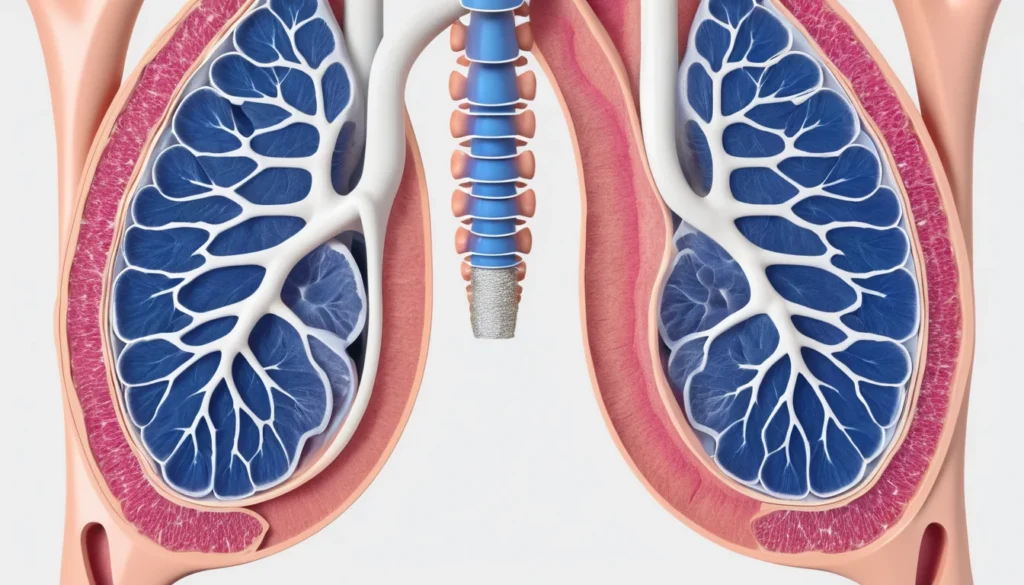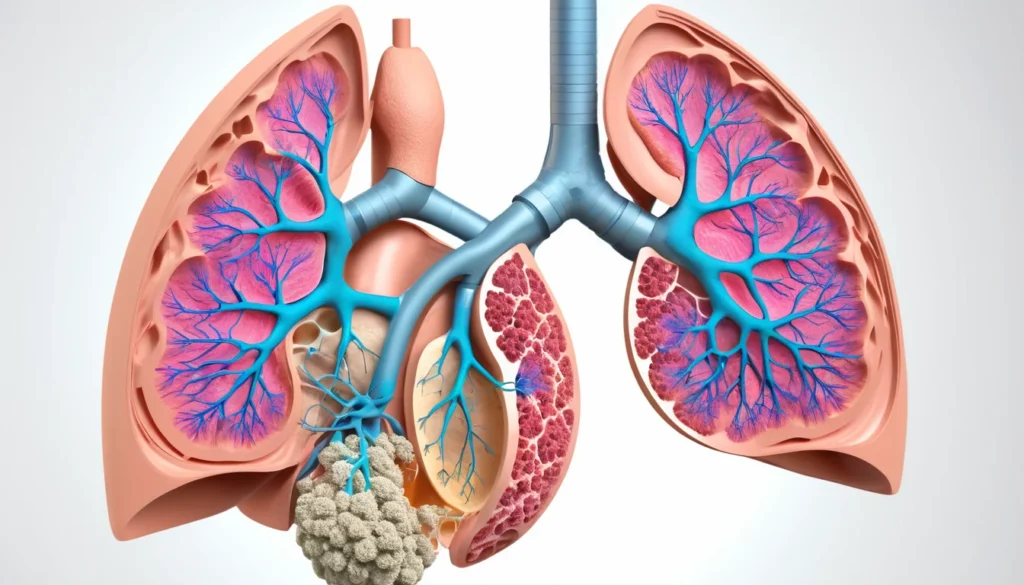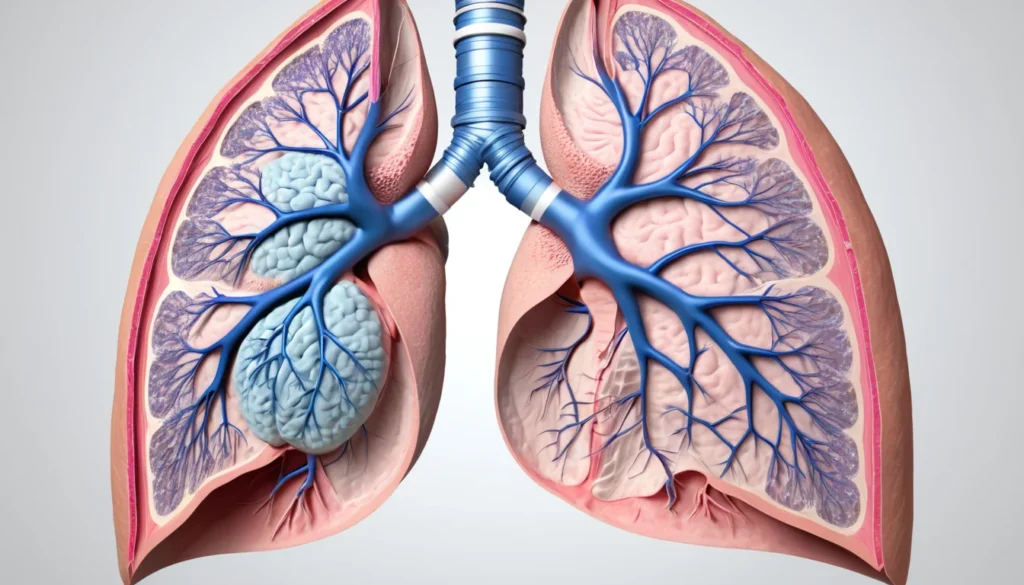
White lung disease is a serious respiratory condition where long-term lung inflammation leads to widespread scarring, known as fibrosis. This scarring makes it harder for the lungs to work properly, reducing their ability to deliver oxygen to the body. In Canada, many people are exposed to the risk factors that can trigger this condition — often without knowing it. This article explains what white lung disease is, what causes it, and what you should do if you notice symptoms.
What Is White Lung Disease?
White lung disease gets its name from the appearance of the lungs on an X-ray or CT scan. Healthy lung tissue looks dark on imaging. When fibrosis sets in, scarred areas appear white or opaque — hence the name.
The condition develops slowly. Inflammation builds up inside the lungs over months or even years. For a long time, a person may feel only mild symptoms or none at all. However, as the scarring spreads, the lungs lose their elasticity and flexibility.
Healthy lungs stretch and contract with every breath. They also allow oxygen and carbon dioxide to pass in and out of the bloodstream. When fibrosis replaces normal lung tissue, both of these functions are impaired. As a result, the body begins to receive less oxygen than it needs.
This oxygen shortage affects every organ in the body. Over time, it leads to a steady decline in overall health. Because the damage is largely irreversible, white lung disease carries a serious long-term outlook. Early detection and proper medical care are essential.
Symptoms of White Lung Disease
One of the challenges with white lung disease is that its symptoms are often vague, especially in the early stages. Many people mistake the early warning signs for a common cold, aging, or general fatigue. Furthermore, symptoms can appear in many other lung conditions, making it difficult to identify without proper testing.
The most commonly reported symptoms include:
Persistent dry cough — often nagging and difficult to relieve
Shortness of breath (dyspnoea) — especially during physical activity, worsening over time
Physical and mental fatigue — a constant sense of exhaustion
Crackling or rattling sounds when breathing — sometimes heard by a doctor through a stethoscope
A feeling of not getting enough air — even at rest, in advanced stages
General decline in wellbeing — reduced ability to perform daily tasks
These symptoms tend to worsen gradually. In some cases, they can deteriorate quickly over just a few days. If you notice a sudden or rapid worsening of any breathing symptoms, seek medical attention right away.
How Symptoms Progress Over Time
In the early stages, breathlessness may only appear during exercise. You might notice you can no longer climb stairs or walk briskly without stopping. As the disease advances, even light activity — or simply resting — can cause difficulty breathing.
The dry cough is often one of the first signs people notice. It does not produce mucus, which can make it feel unproductive and frustrating. In addition, fatigue can become so significant that it interferes with work and daily life.
Because these symptoms develop slowly, many Canadians delay seeking help. However, early diagnosis gives you the best chance of slowing the progression of white lung disease. Do not ignore persistent respiratory symptoms — speak with your family doctor or visit a walk-in clinic.
Risk Factors for White Lung Disease
White lung disease does not develop randomly. Certain exposures and health conditions significantly increase your risk. Understanding your risk factors is the first step toward protecting your lung health.
The main risk factors include:
Long-term smoking — tobacco smoke is one of the most damaging substances for lung tissue
Exposure to industrial toxins — including chemicals, dust, and fumes in the workplace
Asbestos exposure or a diagnosis of asbestosis — asbestos fibres cause severe and lasting lung damage
Accidental inhalation of ammonia, chlorine, or other lung irritants — these can trigger acute inflammation
Chronic obstructive pulmonary disease (COPD) — ongoing airway damage raises the risk of fibrosis
Serious lung infections, including tuberculosis (TB) — infections can leave behind scarring that progresses
In Canada, workers in mining, construction, manufacturing, and agriculture may face elevated exposure to airborne irritants. Provincial workplace safety regulations exist to reduce these risks, but past exposures — sometimes decades old — can still lead to lung disease today.
Asbestos and Lung Health in Canada
Asbestos deserves special mention. Canada was once one of the world’s largest asbestos producers, and many older buildings still contain it. Workers in renovation and demolition are at particular risk. Health Canada provides detailed guidance on asbestos safety for workers and homeowners.
If you have had significant asbestos exposure at any point in your life, it is important to tell your doctor. Regular lung monitoring may be recommended, even if you currently feel well.
How White Lung Disease Is Diagnosed
Diagnosing white lung disease requires a combination of tools. Your doctor will start with a thorough medical history and a physical examination. They will listen to your lungs and ask about your symptoms, occupation, and any past exposures to harmful substances.
Common diagnostic tests include:
Chest X-ray — often the first imaging test ordered; may reveal areas of scarring
High-resolution CT scan — provides a detailed picture of lung tissue and the extent of fibrosis
Pulmonary function tests (PFTs) — measure how well the lungs move air and transfer oxygen
Blood oxygen monitoring — checks how well oxygen is reaching the bloodstream
Bronchoscopy or lung biopsy — in some cases, a small tissue sample is needed to confirm the diagnosis
In Canada, your family doctor can order initial tests and refer you to a respirologist (a lung specialist) if needed. Depending on your province, wait times for specialist appointments can vary. Ask your doctor about the fastest route to care, which may include referral through a respiratory health centre.
Conditions That Look Similar to White Lung Disease
Because the symptoms are non-specific, doctors must rule out other conditions before confirming a diagnosis. This process is called differential diagnosis. Several other serious lung and chest conditions can produce similar symptoms, including:
Pneumothorax — a collapsed lung, which can cause sudden chest pain and breathlessness
Lung cancer and mesothelioma — malignant conditions that can mimic fibrosis on imaging
Pleural effusion — a buildup of fluid around the lungs
Asbestosis — a specific type of lung disease caused directly by asbestos fibres
Post-tuberculosis lung damage — scarring left behind after a TB infection
Congenital lung abnormalities — rare structural differences present from birth
Getting the right diagnosis matters. Treatment options differ greatly depending on the underlying cause. The Mayo Clinic offers a detailed overview of pulmonary fibrosis diagnosis and care that may help you understand what to expect.
Treatment and Management Options
There is currently no treatment that can fully reverse the scarring caused by white lung disease. However, treatment can slow the progression, manage symptoms, and improve quality of life. The right approach depends on the cause and severity of the condition.
Common treatment strategies include:
Removing or reducing exposure to the trigger — stopping smoking, changing work environments, or using protective equipment
Anti-fibrotic medications — drugs like pirfenidone or nintedanib may slow scarring in certain types of pulmonary fibrosis
Corticosteroids and immunosuppressants — used when inflammation is a major driver of the disease
Oxygen therapy — supplemental oxygen helps when blood oxygen levels are too low
Pulmonary rehabilitation — a structured programme of breathing exercises and physical activity to improve lung function and stamina
Lung transplant — considered in severe cases where other treatments no longer provide adequate benefit
Pulmonary rehabilitation programmes are available across Canada through hospitals and respiratory health centres. These programmes are often covered under provincial health plans. Ask your doctor or respirologist whether you qualify.
Lifestyle Changes That Support Lung Health
Alongside medical treatment, certain lifestyle changes can make a meaningful difference. Quitting smoking is the single most important step anyone with lung disease can take. Even long-term smokers benefit significantly from quitting. Your provincial health plan may cover smoking cessation programmes, nicotine replacement therapy, and prescription medications to help you quit.
Staying physically active — within your limits — also helps maintain lung capacity. Eating a balanced diet rich in fibre, antioxidants, and anti-inflammatory foods supports overall health. Avoiding second-hand smoke, air pollution, and dusty environments is equally important. The World Health Organization provides guidance on air quality and its effects on respiratory health.
When to See a Doctor
You should see a doctor promptly if you experience any new or worsening respiratory symptoms. This is especially true if symptoms develop quickly — within a few days — or if you have known risk factors such as a history of smoking or workplace exposure to chemicals or asbestos.
Do not try to self-diagnose or treat breathing problems at home. The symptoms of white lung disease overlap with many other serious conditions. Only a qualified healthcare provider can determine the cause and recommend the right course of action.
In Canada, you have several options for getting help:
Your family doctor — the best first point of contact for non-emergency symptoms; they can order tests and refer you to a specialist
A walk-in clinic — a good option if you do not have a family doctor or cannot get a quick appointment
An emergency department — go immediately if you experience sudden severe shortness of breath, chest pain, or bluish discolouration of the lips or fingertips
If you are unsure whether your symptoms require urgent attention, you can also call your provincial health line. For example, Ontario residents can call Telehealth Ontario (1-866-797-0000), and BC residents can call HealthLink BC (8-1-1). Most provinces offer a similar nurse-staffed helpline available 24 hours a day.
Always speak with a qualified healthcare professional before making any decisions about your health. This article is intended to inform, not to replace medical advice.
Frequently Asked Questions About White Lung Disease
What is white lung disease and what causes it?
White lung disease is a condition where chronic lung inflammation leads to widespread fibrosis, or scarring, of lung tissue. This scarring reduces the lungs’ ability to deliver oxygen to the body. The most common causes include long-term exposure to asbestos, industrial chemicals, cigarette smoke, and serious lung infections such as tuberculosis.
Is white lung disease the same as pulmonary fibrosis?
White lung disease is closely related to pulmonary fibrosis — both involve scarring of lung tissue that reduces lung function. The term “white lung disease” describes the white appearance of scarred areas on lung imaging. Pulmonary fibrosis is the broader medical term for this type of scarring, and it can have several different underlying causes.
Can white lung disease be cured?
Currently, white lung disease cannot be fully cured, because lung scarring is largely irreversible. However, treatment can slow its progression and significantly improve quality of life. Anti-fibrotic medications, pulmonary rehabilitation, oxygen therapy, and lifestyle changes — especially quitting smoking — are all important parts of managing the condition.
What are the early warning signs of white lung disease?
The early signs of white lung disease are often subtle and easy to overlook. A persistent dry cough and mild shortness of breath during physical activity are usually the first symptoms people notice. Fatigue and a general feeling of reduced wellbeing may also appear early, before more serious breathing difficulties develop.
Who is most at risk for white lung disease in Canada?
In Canada, people most at risk include long-term smokers, workers in mining, construction, and manufacturing who are exposed to dust and chemical fumes, and anyone with a history of asbestos exposure. People who have had serious lung infections such as tuberculosis, or who live with COPD, also face a higher risk of developing white lung disease over time.
How is white lung disease diagnosed in Canada?
Diagnosis typically begins with a visit to your family doctor or a walk-in clinic, where a physical exam and chest X-ray may be ordered. A high-resolution CT scan and pulmonary function tests are usually needed to confirm white lung disease. Your doctor may refer you to a respirologist for specialist assessment, which is covered under most provincial health plans.
Key Takeaways
White lung disease is caused by chronic lung inflammation that leads to fibrosis, reducing the lungs’ ability to function. Symptoms include a persistent dry cough, worsening shortness of breath, fatigue, and a general decline in wellbeing. Key risk