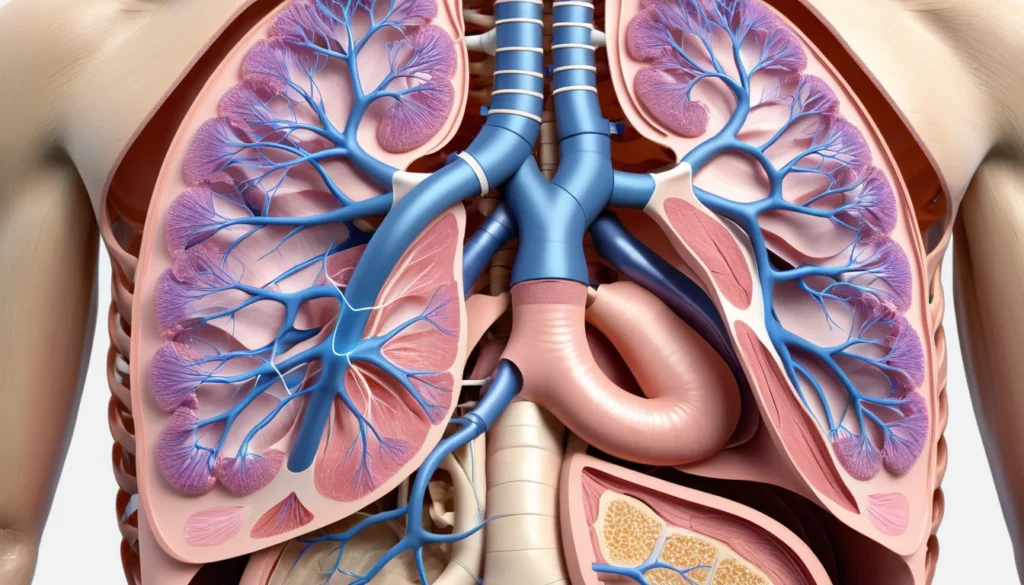
Wheezing is a high-pitched whistling sound that happens when air moves through narrowed airways. It is a common sign of a breathing problem and can occur when you breathe in, breathe out, or both. Wheezing can affect people of all ages, from young children to older adults. In this article, you will learn what causes wheezing, how to care for it at home, and when to see your family doctor or visit a walk-in clinic.
What Is Wheezing?
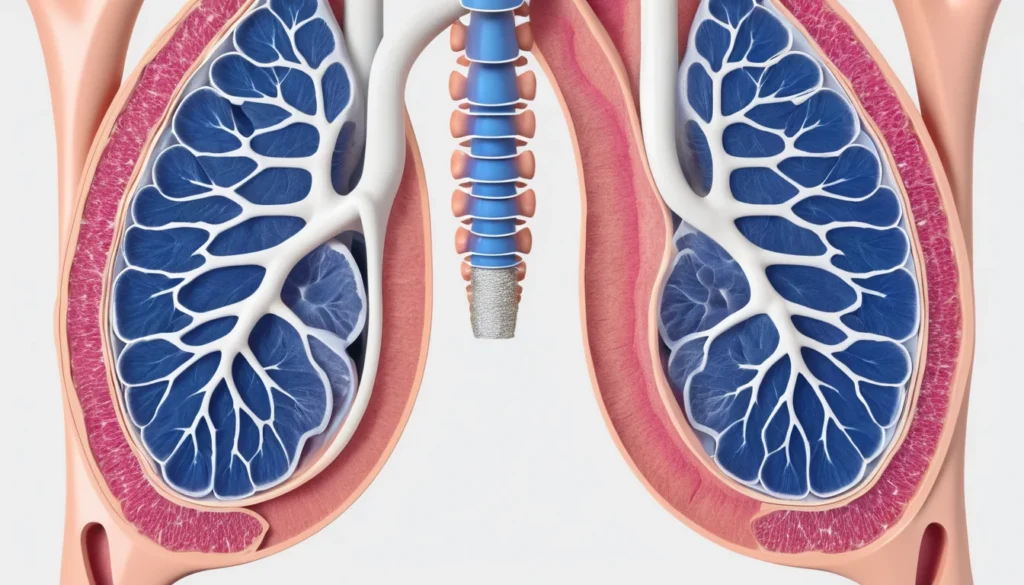
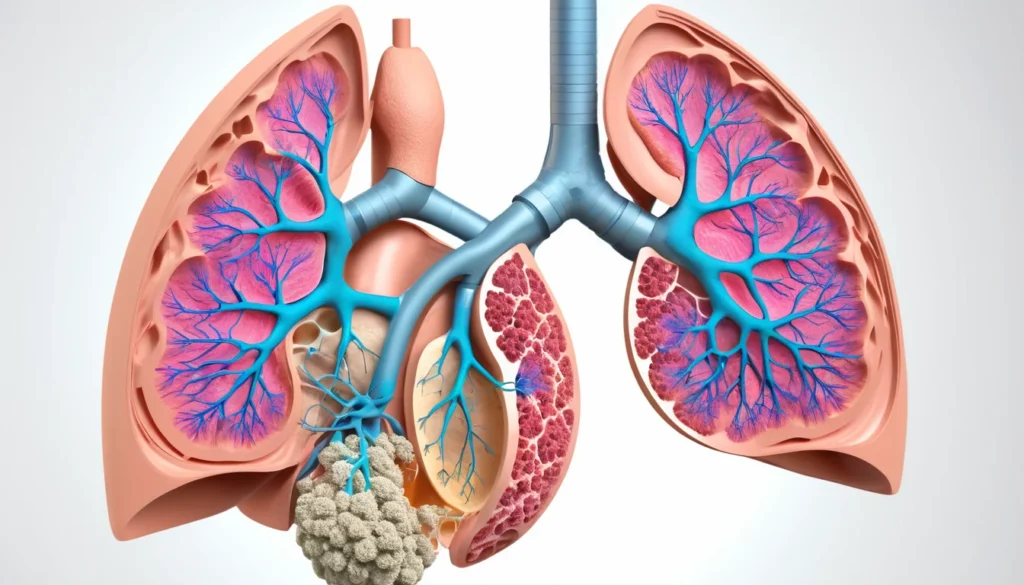
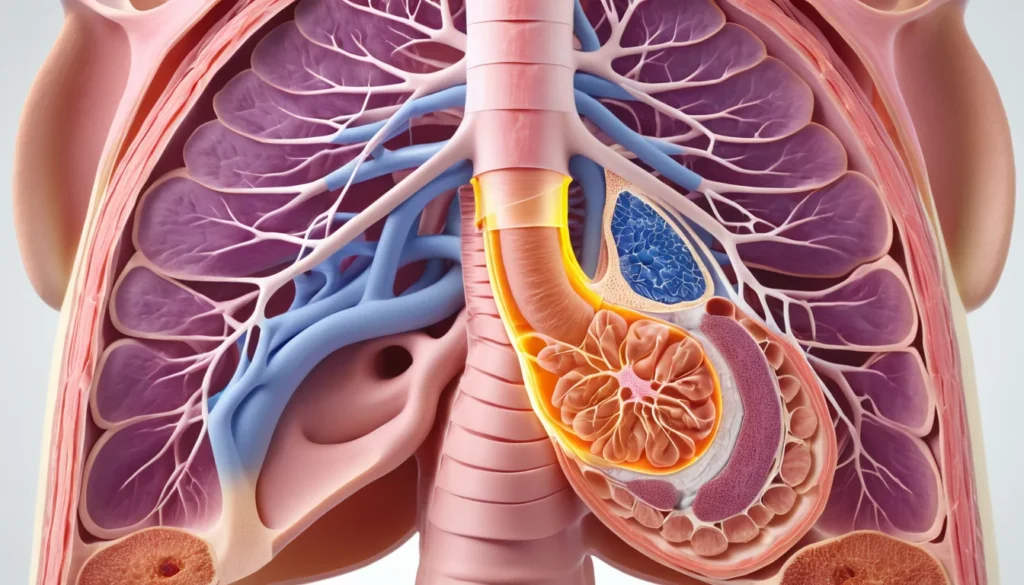
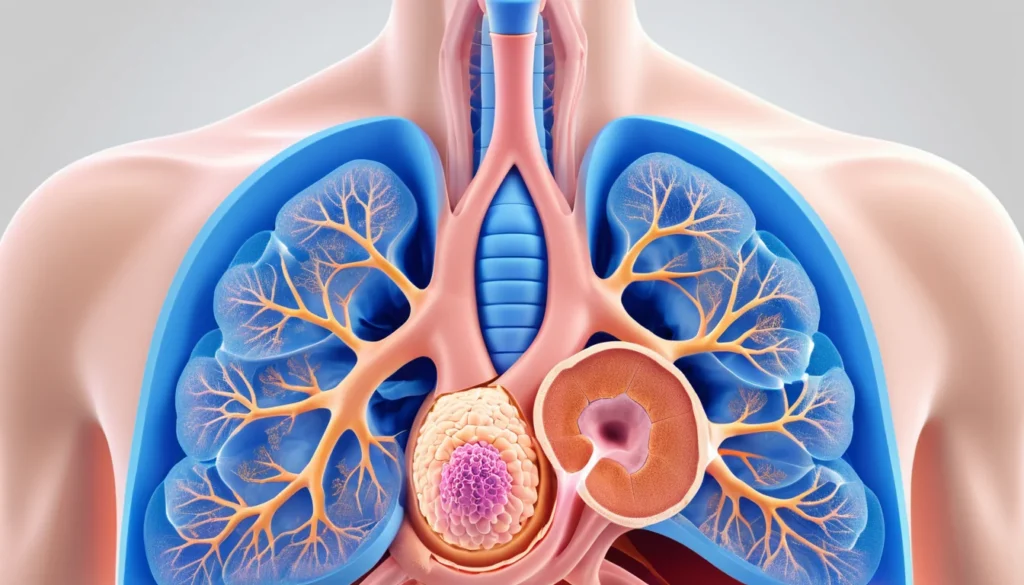
Wheezing happens when the airways in your lungs become narrow or blocked. Air squeezes through these smaller passages and creates a whistling or squeaky sound. The sound is usually more noticeable when you breathe out, but it can also happen when you breathe in.
Most wheezing comes from the bronchial passages deep in the lungs. However, a blockage higher up in the airway, or even a problem with the vocal cords, can also cause a similar sound. It is important not to ignore wheezing, as it often signals an underlying condition that needs attention.
Common Causes of Wheezing
Many different health conditions can cause wheezing. Some are mild and easy to treat, while others need medical care. Understanding the cause helps you and your doctor choose the right treatment.
Common causes of wheezing include:
Asthma — one of the most frequent causes of wheezing in Canada
Allergic reactions — including reactions to insect stings or certain medications
Bronchitis — inflammation of the airways, often caused by a virus
Bronchiolitis — a common respiratory infection in infants and young children
Bronchiectasis — a condition where the airways widen and become scarred
Emphysema or chronic obstructive pulmonary disease (COPD) — long-term lung diseases often linked to smoking
Gastroesophageal reflux disease (GERD) — stomach acid that travels back up and irritates the airways
Heart failure — when the heart cannot pump blood effectively, fluid can build up in the lungs
Pneumonia — a lung infection that can cause breathing difficulties
Inhaling a foreign object — especially in young children who may accidentally swallow small items
Smoking — damages the airways and reduces lung function over time
Viral infections — particularly common in children under two years of age
Certain medications — including aspirin and some anti-inflammatory drugs
If you are unsure what is causing your wheezing, a healthcare provider can help identify the source. Health Canada provides helpful resources on respiratory conditions and their management.
Wheezing Symptoms to Watch For
Wheezing itself is a symptom, but it often comes with other signs that can help pinpoint the cause. Paying attention to what accompanies the wheezing can give your doctor important clues.
Mild to Moderate Symptoms
You may notice a whistling sound when breathing, along with a tight feeling in the chest. A persistent cough, shortness of breath, or feeling more tired than usual can also be present. These symptoms are worth discussing with your family doctor or at a walk-in clinic, especially if they keep coming back.
Serious Symptoms That Need Emergency Care
Some symptoms alongside wheezing are medical emergencies. Call 911 or go to your nearest emergency room right away if you notice any of the following:
Bluish colour on the lips, fingernails, or skin
Severe difficulty breathing or the feeling of suffocation
Swelling of the face, lips, tongue, or throat
Hives combined with facial or throat swelling — this may be a sign of a severe allergic reaction called anaphylaxis
Confusion, panic, or loss of consciousness
Complete inability to breathe or speak
Do not wait to see if these symptoms improve on their own. Severe wheezing with any of the above signs requires immediate emergency care.
Home Care for Wheezing
Mild wheezing can sometimes be eased with simple home care measures. These steps do not replace medical treatment, but they may help you feel more comfortable while you wait to see a doctor.
Breathing Humid Air
Breathing warm, moist air can help open up the airways and ease discomfort. You can sit in a bathroom while running a warm shower to create steam. A cool-mist humidifier or vapourizer in your bedroom can also help, especially during dry Canadian winters when indoor air tends to be very dry.
Following Your Prescribed Treatment
If your doctor has already prescribed medication for a breathing condition, use it exactly as directed. Inhalers, for example, must be used with the correct technique to be effective. Furthermore, skipping doses or stopping medication too early can make symptoms worse.
Avoiding Triggers
Try to identify and avoid things that make your wheezing worse. Common triggers include dust, pollen, pet dander, cigarette smoke, cold air, chemical fumes, and strenuous exercise. Keeping a simple journal of when your wheezing occurs can help you and your doctor spot patterns.
For more guidance on managing asthma and breathing conditions at home, the Mayo Clinic’s asthma resource page offers clear, evidence-based advice.
When to See a Doctor for Wheezing
You should always see a doctor if you experience wheezing for the first time. Even if you have had wheezing before, certain situations call for a prompt medical visit. In Canada, you can contact your family doctor, visit a walk-in clinic, or use a provincial telehealth line for guidance.
Book an appointment with your doctor or walk-in clinic if your wheezing:
Is happening for the first time
Keeps coming back without a clear reason
Is getting worse over time
Is paired with a fever or worsening cough
Follows taking a new medication, including aspirin
Occurs after an insect bite or sting
In addition, children who wheeze should always be seen by a doctor. Young children, especially those under two years old, can become seriously ill very quickly with respiratory infections.
What to Expect at Your Doctor’s Visit
When you see your doctor about wheezing, they will ask you several questions and perform a physical exam. Being prepared with answers can help make the visit more efficient and lead to a faster diagnosis.
Questions Your Doctor May Ask
Your doctor will want to understand your symptoms fully. Expect questions such as:
When did the wheezing start?
How long does it last?
How often does it happen?
Does anything seem to trigger or worsen it — such as dust, pollen, cold air, exercise, or stress?
Does rest or a bronchodilator inhaler make it better?
Do you smoke, or have you smoked in the past?
Have you recently been sick?
Do you have a history of asthma or allergies?
What medications are you currently taking?
Have you been stung or bitten by an insect recently?
Physical Exam and Tests
Your doctor will listen to your lungs with a stethoscope, a process called auscultation. This helps them hear where the wheezing is coming from and how severe it is. If you bring a child in for wheezing, the doctor will also check to make sure the child has not swallowed a small object.
Depending on your situation, your doctor may also order:
Blood tests, including arterial blood gas measurements
A chest X-ray
Pulmonary function tests to measure how well your lungs are working
When Hospitalization May Be Needed
In more serious cases, you may need to be admitted to hospital. This is typically necessary if breathing is very difficult, if you need intravenous medication, if supplemental oxygen is required, or if your condition needs close monitoring. Your care team will guide you through the process under your provincial health plan coverage.
For a broader overview of respiratory health conditions, the World Health Organization’s respiratory disease fact sheet is a reliable reference.
Frequently Asked Questions About Wheezing
What does wheezing sound like?
Wheezing produces a high-pitched whistling or squeaky sound when you breathe. The sound is usually more noticeable when breathing out, but it can also occur when breathing in. If you are unsure whether what you are hearing is wheezing, a doctor can confirm it by listening to your lungs with a stethoscope.
Is wheezing always a sign of asthma?
No, wheezing is not always caused by asthma, although asthma is one of the most common causes. Wheezing can also result from bronchitis, allergies, GERD, heart failure, infections, or even inhaling a foreign object. A doctor can help determine the exact cause of your wheezing through a physical exam and tests.
Can wheezing go away on its own?
Mild wheezing caused by a temporary condition, such as a cold or minor irritation, may improve on its own with rest and home care. However, persistent or recurring wheezing should always be evaluated by a healthcare provider. Ignoring ongoing wheezing can allow an underlying condition to worsen.
What can I do at home to relieve wheezing?
Breathing warm, humid air — such as steam from a shower or a humidifier — can help ease mild wheezing. You should also follow any prescribed treatment plan, including using inhalers as directed, and try to avoid known triggers like dust, smoke, or cold air. These measures support your treatment but do not replace medical advice.
When should I go to the emergency room for wheezing?
Go to the emergency room immediately if your wheezing is severe and you cannot breathe properly, if your lips or fingernails turn blue, or if you experience swelling of the face or throat. These signs may indicate a life-threatening condition such as anaphylaxis or severe respiratory distress. Call 911 if you cannot get to a hospital quickly on your own.
Can children wheeze without having asthma?
Yes, children — especially those under two years of age — often wheeze due to viral respiratory infections like bronchiolitis, not asthma. Wheezing in young children should always be assessed by a doctor, as their condition can change quickly. A paediatrician or family doctor can determine whether the wheezing is related to asthma or another cause.
Key Takeaways
Wheezing is a whistling sound caused by air moving through narrowed airways.
Common causes include asthma, allergies, bronchitis, COPD, GERD, and viral infections.
Mild wheezing may be helped by breathing humid air and following your prescribed treatment.
Always see your family doctor or a walk-in clinic if wheezing is new, recurring, or unexplained.
Call 911 or go to the emergency room right away if wheezing is severe or comes with bluish skin, throat swelling, or loss of consciousness.
Children who wheeze should always be seen by a doctor promptly.
This article is for general information only. Always speak with your family doctor, a walk-in clinic provider, or call your provincial telehealth line (such as Health811 in Ontario or 8-1-1 in British Columbia) before making any decisions about your health or treatment.