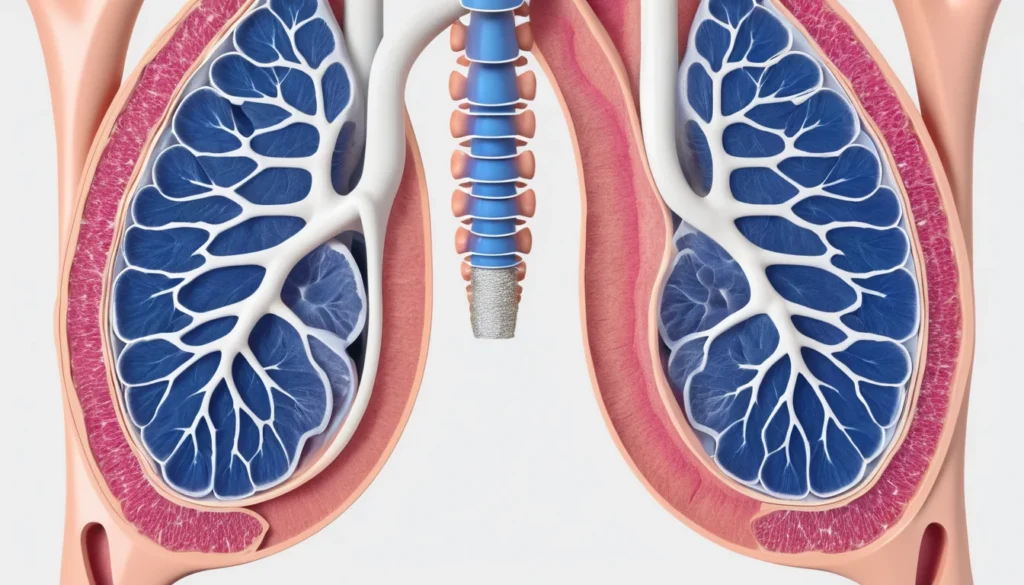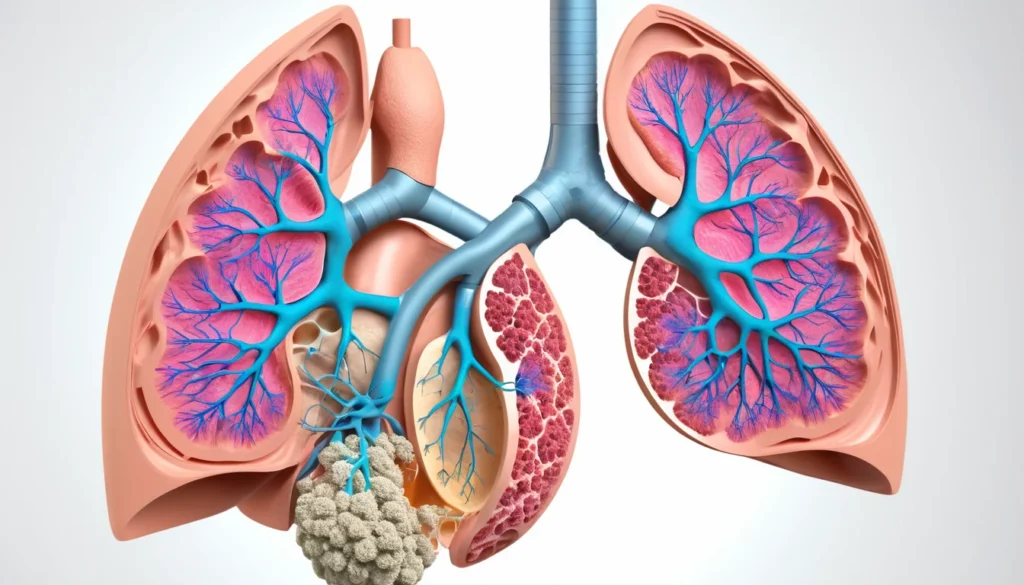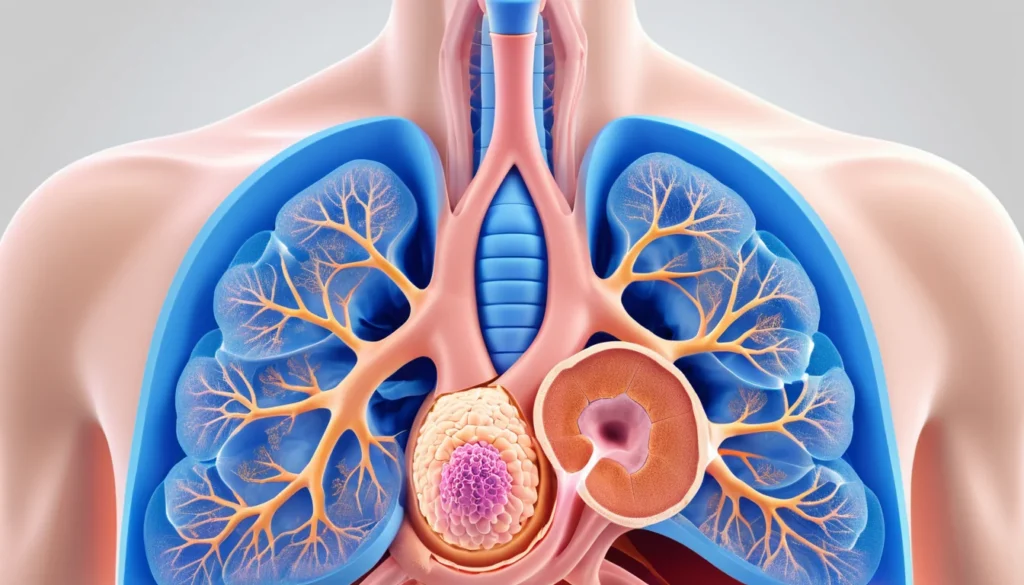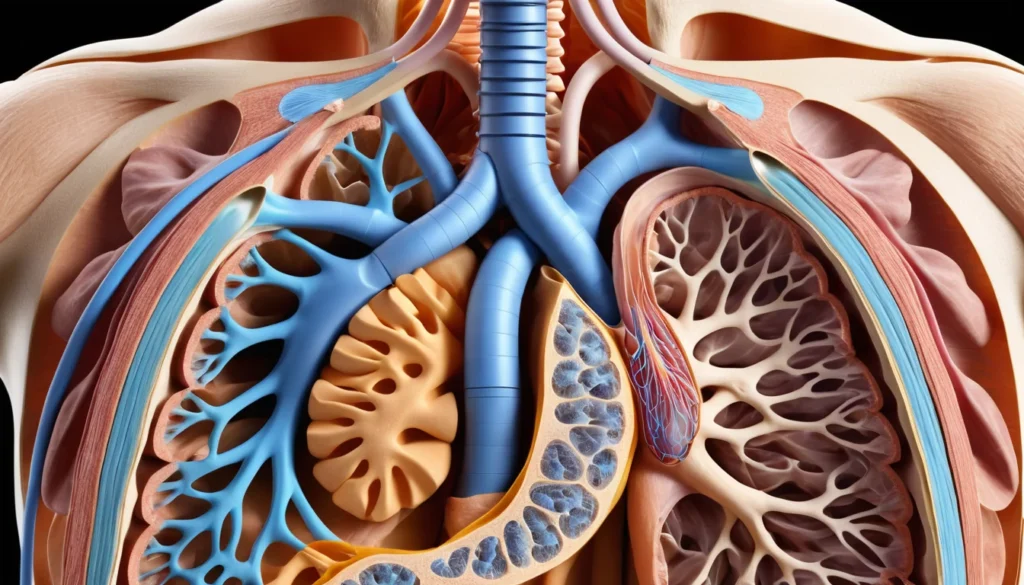
A wet cough — sometimes called a productive cough or chest cough — brings up mucus or phlegm from your lungs. It often comes with a feeling of pressure or tightness in your chest. Most wet coughs are caused by a virus and will clear up on their own. However, some cases point to a more serious health condition that needs medical attention.
What Is a Wet Cough?
A wet cough produces mucus or phlegm when you cough. This is different from a dry cough, which is tickly and does not bring up any fluid. The “wet” feeling comes from excess mucus in your airways.
Your body makes mucus to trap germs and irritants. When you are sick, your body produces more mucus than usual. Coughing helps clear that mucus out of your lungs and airways. In this way, a wet cough is actually your body doing its job.
However, a persistent wet cough — one that lasts more than a few days — may be a sign of something more serious. Conditions like asthma, chronic bronchitis, or even heart failure can cause an ongoing chest cough. It is important not to ignore a cough that lingers.
Common Causes of a Wet Cough
Most wet coughs start with a common cold or the flu. These are viral infections, which means antibiotics will not help. Your immune system needs time to fight the virus on its own.
However, there are other causes worth knowing about. Understanding the cause helps you and your doctor choose the right treatment.
Short-Term Causes
Common cold – A viral infection that causes a runny nose, sore throat, and wet cough.
Flu (influenza) – Similar to a cold but often more intense, with muscle aches, fatigue, and fever.
Chest infection – A bacterial infection in the lungs that may require antibiotics from your doctor.
Acute bronchitis – Inflammation of the airways, often following a cold or flu.
Long-Term Causes
Asthma – Can cause a wet cough, especially at night or after exercise.
Chronic bronchitis – A form of chronic obstructive pulmonary disease (COPD) common in smokers.
Heart failure – Fluid can build up in the lungs, causing a persistent wet cough.
Allergies – Post-nasal drip from allergies can trigger a chest cough.
According to Health Canada, respiratory illnesses are among the most common reasons Canadians visit their family doctor or walk-in clinic each year.
Symptoms to Watch For
A wet cough on its own is not always a cause for alarm. However, certain symptoms alongside your cough deserve closer attention. Knowing what to look for can help you decide when to seek care.
Pay attention to the colour of your mucus. Clear or white mucus is usually linked to a viral infection. Green or yellow mucus may suggest a bacterial infection. Mucus that looks brown or contains blood is a serious warning sign.
In addition, watch for these symptoms:
Chest pain or tightness
Wheezing or shortness of breath
A fever above 39°C (102°F)
Unexplained weight loss
Persistent headaches, ear pain, or sore throat
A skin rash appearing at the same time as your cough
Flu symptoms that suddenly get worse
Furthermore, if your wet cough started as a dry cough and has changed, that shift in your symptoms is worth discussing with a healthcare provider.
When to See a Doctor
Most mild wet coughs caused by a cold will improve within five to seven days. However, there are clear situations where you should see your family doctor or visit a walk-in clinic as soon as possible.
Book an appointment or visit a walk-in clinic if:
Your wet cough has lasted more than five days or is getting worse.
You are coughing up blood or mucus that looks like coffee grounds.
Your mucus has turned green or yellow.
Your fever is above 39°C.
You are having trouble breathing or your chest hurts.
Your wet cough is worse at night and you are a smoker.
Your flu symptoms suddenly become much more severe.
You are pregnant or breastfeeding — some cough medicines are not safe during this time.
You have a pre-existing condition such as high blood pressure, diabetes, thyroid disease, asthma, or a heart condition.
You are allergic to any medications.
Most provincial health plans in Canada cover visits to your family doctor for respiratory symptoms. If you do not have a family doctor, a walk-in clinic is a convenient and covered option in most provinces. You can also call Health811 (formerly Telehealth Ontario) or your province’s nurse hotline for guidance.
As the Mayo Clinic recommends, you should always speak to a doctor before giving cough medicine to children, especially those under two years of age.
Home Remedies for a Wet Cough
There are several safe and simple things you can do at home to ease a wet cough. These remedies will not cure an infection, but they can make you feel more comfortable while your body heals.
Stay in a Comfortable Environment
Keep your room at a steady, comfortable temperature. Dry air can irritate your airways and make your cough worse. A humidifier can help add moisture to the air in your home during cold Canadian winters.
Try a Steam Treatment
Sitting in a steamy bathroom is a well-known home remedy for a chest cough. Turn on your shower with hot water and sit in the bathroom for 10 to 15 minutes. The steam helps loosen mucus in your lungs, making it easier to cough up. As a result, you may find your cough feels less tight and more productive after a steam session.
Gargle With Salt Water
Gargling with warm salt water for one minute, three times a day, can soothe an irritated throat. Mix about half a teaspoon of table salt into a glass of warm water. This simple remedy can reduce throat irritation that often comes with a wet cough.
Stay Hydrated
Drinking plenty of fluids — especially warm liquids like herbal tea, warm water with honey and lemon, or broth — helps thin out mucus. Thinner mucus is easier to cough up and clear from your airways. Staying hydrated is one of the most effective and easiest things you can do.
Rest as Much as Possible
Your immune system works best when you are well rested. Try to get extra sleep while you are sick. Avoid strenuous activity until your symptoms improve.
Medications for a Wet Cough
There are over-the-counter (OTC) medications available at Canadian pharmacies that may help relieve a wet cough. However, it is very important to speak with your pharmacist or doctor before taking any cough medicine. Many OTC cough products are designed for a dry cough, not a wet one.
Expectorants
Expectorants are medications that help thin and loosen mucus so it is easier to cough up. Guaifenesin is the most common expectorant available in Canada without a prescription. Look for products that list guaifenesin as the only active ingredient when possible.
Cough Suppressants — Use With Caution
Cough suppressants reduce the urge to cough. However, for a wet cough, suppressing the cough can actually be harmful. Your cough is helping to clear mucus from your lungs. Suppressing it may cause mucus to build up. Therefore, talk to your pharmacist before using a cough suppressant for a chest cough.
Pain Relievers and Fever Reducers
If your wet cough is accompanied by fever or discomfort, your doctor may recommend acetaminophen (such as Tylenol) or an anti-inflammatory medication like ibuprofen. These do not treat the cough itself but can make you feel better overall.
Avoid Antihistamines for a Wet Cough
Many cold and flu combination products contain antihistamines. Antihistamines dry out mucus in your nose, which can be helpful for a runny nose. However, for a wet cough, they can thicken the mucus in your lungs and make it harder to cough up. Check the label of any combination product carefully.
A Note for Pregnant and Breastfeeding Women
Some cough and cold medications are not safe during pregnancy or while breastfeeding. Combination products can contain ingredients that are not recommended. Always check with your doctor or pharmacist before taking any medication if you are pregnant or nursing. Single-ingredient products are generally considered safer, but still require medical advice.
For more guidance on safe medication use, visit Healthline’s overview of wet cough treatments.
Wet Cough in Children
A wet cough in a child can be worrying for any parent. Children get respiratory infections more often than adults, and most wet coughs in kids are caused by common colds.
Do not give over-the-counter cough or cold medicines to children under two years old. Health Canada advises against this because of potential serious side effects. For children between two and twelve years old, always consult your child’s doctor before giving any cough medicine.
Instead, focus on keeping your child hydrated and comfortable. A cool-mist humidifier in their room, warm fluids, and plenty of rest are usually the safest approaches for young children with a wet cough.
Take your child to a doctor or walk-in clinic promptly if they have a high fever, difficulty breathing, a cough that lasts more than five days, or seem unusually unwell.
Frequently Asked Questions About Wet Cough
How long does a wet cough usually last?
A wet cough caused by a common cold typically lasts between seven and ten days. However, if your wet cough continues for more than five days without improvement or gets worse, you should see your family doctor or visit a walk-in clinic. A cough lasting more than three weeks may indicate an underlying condition.
Is a wet cough contagious?
The wet cough itself is not contagious, but the infection causing it often is. Colds and flu spread through droplets in the air and on surfaces. Wash your hands frequently, cover your mouth when you cough, and stay home when you are sick to avoid spreading illness to others.
What colour of mucus is a sign of infection?
Clear or white mucus is usually linked to a viral infection like a cold. Green or yellow mucus can suggest a bacterial infection that may need antibiotic treatment. If you notice blood in your mucus or mucus that looks brown, see a doctor right away — this is not a normal symptom of a wet cough.
Should I take a cough suppressant for a wet cough?
Generally, cough suppressants are not recommended for a wet cough. Your cough is actively clearing mucus from your lungs, which is an important part of recovery. Instead, an expectorant like guaifenesin may be more appropriate. Always speak with your pharmacist or doctor before choosing a cough medication.
Can a wet cough be a sign of something serious?
Yes, a persistent wet cough can sometimes signal a more serious condition such as asthma, chronic bronchitis, heart failure, or pneumonia. If your wet cough lasts more than three weeks, is accompanied by blood, chest pain, or shortness of breath, it is important to see a doctor promptly. Do not ignore a cough that keeps coming back.
Can I treat a wet cough at home without medication?
Yes, many mild cases of wet cough respond well to home care. Staying hydrated, using a humidifier, breathing steam from a hot shower, and gargling with warm salt water can all help ease symptoms. However, if your symptoms are severe or do not improve within five days, consult a healthcare provider.
Key Takeaways
A wet cough produces mucus or phlegm and is often caused by a viral infection like a cold or flu. Most wet coughs do not need antibiotics — they are caused by viruses, not bacteria. Home remedies like steam, salt water gargles, warm fluids, and rest can offer real relief. Avoid antihistamines for a wet cough — they can make mucus thicker and harder to clear. Always consult your pharmacist or doctor before taking cough medicine, especially for children or during pregnancy. See your family doctor or walk-in clinic if your cough lasts more than five days, produces green or bloody muc