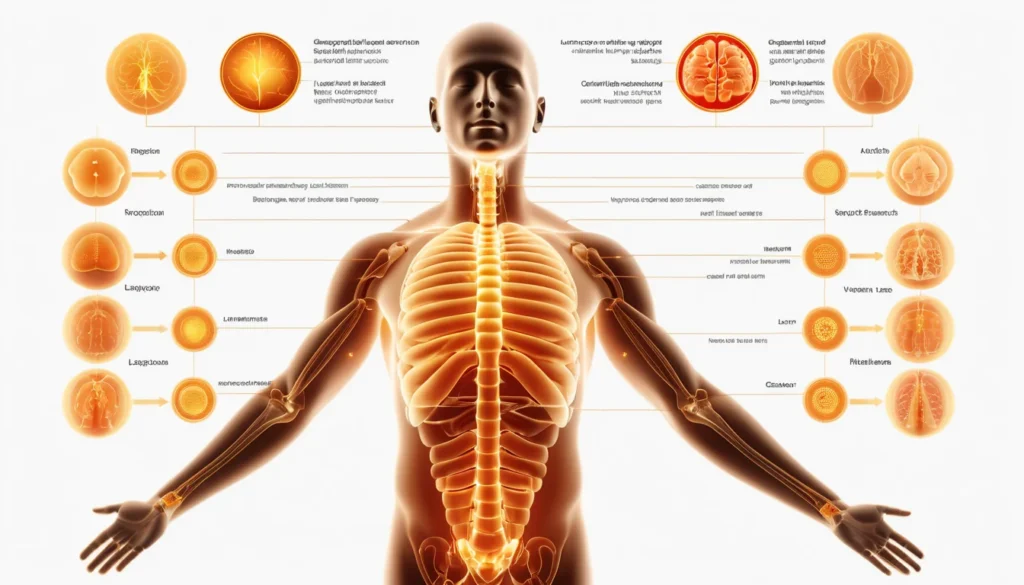
Your body uses pain to send you a message. Most of the time, a sore back from moving furniture or an upset stomach after a big meal is nothing serious. However, some warning signs of pain should never be brushed aside. Knowing the difference could save your life. This guide covers seven types of pain that need prompt medical attention — and explains why each one matters.
Why Warning Signs of Pain Deserve Your Attention
It is human nature to hope discomfort will simply go away on its own. Many people put off seeing a doctor because they fear bad news. However, delaying care for certain types of pain can turn a treatable problem into a life-threatening emergency.
Specialists in cardiology, internal medicine, geriatrics, and psychiatry all agree: some pain should never be ignored. In addition, some serious conditions — like heart disease — do not always cause dramatic pain. Sometimes they show up as mild discomfort or pressure that people mistake for something minor.
Learning to recognize these warning signs of pain is one of the most important things you can do for your health. As always, speak with your family doctor or visit a walk-in clinic if you are unsure about any symptom you are experiencing.
1. The Worst Headache of Your Life
If you suddenly experience the most severe headache you have ever had, seek emergency care immediately. This type of headache is a classic warning sign of a brain aneurysm — a bulge in a blood vessel that can rupture and cause life-threatening bleeding in the brain.
A sudden, intense headache can also signal a brain haemorrhage or, less critically, a severe sinus infection. The problem is that you cannot tell the difference on your own. Therefore, any headache that feels dramatically worse than usual deserves an urgent assessment.
Do not drive yourself to the emergency department if the pain is severe. Call 911 or ask someone to take you right away. In Canada, provincial health plans cover emergency care, so cost should never be a barrier to seeking help.
2. Chest Discomfort, Pressure, or Pain
Chest pain is one of the most well-known warning signs of pain linked to a heart attack. However, cardiologists stress that heart problems often do not cause sharp pain at all. Many patients describe the sensation as pressure — like an elephant sitting on their chest. Others clench their fist and press it to their sternum to show what it feels like.
Pain That Spreads Beyond Your Chest
Heart-related discomfort can spread to your neck, jaw, left shoulder, left arm, or abdomen. It may also come with nausea, sweating, or shortness of breath. These symptoms are warning signs of pain that require an immediate call to 911.
Intermittent discomfort deserves attention too. For example, if you feel chest tightness while gardening and it goes away when you rest, that pattern could signal angina — reduced blood flow to the heart. Angina can worsen in very cold or very hot weather, which is especially relevant during Canadian winters and heat waves.
Heart Attack Warning Signs in Women
Women often experience more subtle symptoms than men. Heart disease in women can look like bloating, stomach discomfort, or unusual fatigue. These symptoms are easy to mistake for digestive issues. Furthermore, a woman’s risk of heart disease rises sharply after menopause.
Statistically, heart disease kills more women than men in Canada each year. If you are a woman over 50 — or have risk factors like high blood pressure, diabetes, or a family history of heart disease — take any unexplained chest or abdominal discomfort seriously. Do not wait to see if it passes. Health Canada offers guidance on recognizing heart disease symptoms.
3. Back Pain Between Your Shoulder Blades
Back pain is extremely common, and most of the time it points to arthritis or a muscle strain. However, pain between the shoulder blades or in the lower back can sometimes signal something far more serious — including a heart attack or a problem with your abdominal organs.
One dangerous cause is aortic dissection — a tear in the wall of the aorta, the body’s largest artery. This condition can cause a sudden, severe tearing pain in the back. It is more likely in people who have high blood pressure, a history of circulatory problems, diabetes, or a long history of smoking.
If your back pain comes on suddenly and feels different from anything you have felt before, go to your nearest emergency department or call 911. This is not a situation for a walk-in clinic visit.
4. Severe Abdominal Pain
Stomach pain is another warning sign of pain that people often wait too long to act on. Severe or sudden abdominal pain can be caused by appendicitis, gallbladder disease, pancreatitis, a stomach ulcer, or a bowel obstruction. All of these conditions need urgent medical care.
As a general rule: if your abdominal pain is severe, getting worse, or accompanied by fever, vomiting, or a rigid belly, go to the emergency department right away. Do not eat or drink anything until you have been assessed, as some conditions may require surgery.
In Canada, your provincial health plan covers emergency department visits for conditions like these. If you are unsure whether your pain is serious, call 811 (Health Link) in most provinces to speak with a registered nurse for free guidance.
5. Calf Pain or Swelling
Pain or swelling in one calf is a warning sign that many people overlook. It can be a sign of deep vein thrombosis (DVT) — a blood clot that forms in a deep vein in the leg. DVT affects a significant number of Canadians each year and can be life-threatening.
The danger is that the clot can break off and travel to the lungs, causing a pulmonary embolism. A pulmonary embolism can be fatal. Therefore, any unexplained calf swelling — even without pain — needs prompt medical evaluation.
Risk factors for DVT include cancer, obesity, extended bed rest, long-haul flights or road trips, pregnancy, and older age. Canadians who travel long distances — including cross-country drives or international flights — should be aware of this risk. The Mayo Clinic provides a thorough overview of DVT symptoms and risk factors.
What DVT Looks Like
You may notice one leg appears more swollen than the other. The area may feel warm or look reddish. In some cases, there is no visible swelling at all — only a dull ache or tightness in the calf. Any of these signs deserve a same-day medical visit.
6. Burning or Tingling in Your Feet
A burning or pins-and-needles feeling in your feet can be an early warning sign of peripheral neuropathy — nerve damage often caused by diabetes. In Canada, roughly one-third of people living with diabetes do not yet know they have it. For some of them, foot tingling is one of the first clues.
This type of pain should not be dismissed as “just tiredness” or poor circulation. It may be your body’s way of flagging undiagnosed diabetes before more serious complications develop. Ask your family doctor for a simple blood sugar test. Catching diabetes early makes a significant difference in long-term health outcomes.
In addition to diabetes, peripheral neuropathy can be caused by vitamin B12 deficiency, thyroid problems, or alcohol use. All of these are treatable once identified. Healthline explains peripheral neuropathy causes and treatment options in plain language.
7. Vague, Unexplained, or Widespread Pain
Not all warning signs of pain are sharp or localized. Depression and other mental health conditions can cause real physical pain — including headaches, abdominal pain, and generalized body aches. This is not imaginary. The brain and body are deeply connected, and emotional distress can produce genuine physical symptoms.
Because this type of pain is chronic but not always severe, it is easy for patients, family members, and even family doctors to overlook it. Furthermore, the more depressed a person feels, the harder it becomes to describe what they are experiencing.
Signs Depression May Be Behind Your Pain
Consider talking to your doctor if you have unexplained physical pain alongside any of the following: loss of interest in activities you used to enjoy, difficulty concentrating or working effectively, or withdrawal from the people around you. These are signs that something more than a physical ailment may be at play.
Depression is a medical condition — not a personal failing. It responds well to treatment, including therapy and medication. Left untreated, depression can cause lasting changes in brain structure and function. You do not have to manage it alone. Your family doctor is a great first step, and mental health services are covered under most provincial health plans.
When to See a Doctor
Some of the warning signs of pain described in this article require a call to 911. Others can be assessed at a walk-in clinic or by booking with your family doctor. Here is a simple guide:
Call 911 immediately for: the worst headache of your life, chest pain or pressure, sudden severe back or abdominal pain, or signs of a stroke.
Go to your nearest emergency department for: calf swelling with pain, severe abdominal pain, or symptoms you cannot explain that are getting worse.
Visit a walk-in clinic or book with your family doctor for: persistent foot tingling, unexplained body aches, intermittent chest discomfort that is mild, or ongoing pain without a clear cause.
Call 811 (Health Link) in most provinces if you are unsure and want to speak with a registered nurse before deciding what to do.
When in doubt, it is always better to get checked out. Doctors and nurse practitioners would far rather reassure you than miss something important. Your provincial health plan is there to support you — use it.
Frequently Asked Questions
What are the most serious warning signs of pain I should never ignore?
The most serious warning signs of pain include a sudden severe headache, chest pressure or discomfort, sharp back pain between the shoulder blades, and severe abdominal pain. Calf swelling with pain is also a red flag for a potentially fatal blood clot. Any of these symptoms should prompt you to call 911 or go to the nearest emergency department right away.
Can pain be a sign of a heart attack even if it doesn’t feel serious?
Yes — this is one of the most important warning signs of pain to understand. Heart attacks do not always cause dramatic chest pain. Many people, especially women, feel mild pressure, jaw discomfort, nausea, or unusual fatigue instead. If you have risk factors for heart disease, do not wait for “classic” chest pain before seeking help.
What does a blood clot in the leg feel like?
A blood clot in the leg — known as deep vein thrombosis — can cause swelling, warmth, redness, or a dull aching pain in the calf. However, some clots cause no pain at all, only visible swelling in one leg. This is a warning sign of pain that needs same-day medical attention, as the clot can travel to the lungs and become life-threatening.
Can depression cause physical pain?
Yes, depression can cause real physical pain, including headaches, stomach aches, and widespread body discomfort. These are genuine warning signs of pain connected to how the brain processes emotions and physical sensations. If you have unexplained aches alongside low mood or loss of interest in daily life, speak with your family doctor about getting a full assessment.
When should I go to a walk-in clinic versus the emergency department in Canada?
Go to the emergency department — or call 911 — for sudden severe pain, chest pressure, the worst headache of your life, or calf swelling with pain. A walk-in clinic is appropriate for mild, persistent symptoms that are not getting rapidly worse, such as foot tingling or low-grade back pain. If you are unsure, call 811 in most Canadian provinces to speak with a registered nurse for free.
What causes burning or tingling feet, and is it a warning sign?
Burning or tingling feet can be a warning sign of peripheral neuropathy, which is often caused by undiagnosed diabetes. It can also be linked to vitamin B12 deficiency or thyroid problems. If you notice this symptom regularly, ask your family doctor for a blood test — catching the underlying cause early leads to much better health outcomes.
Key Takeaways
The worst headache of your life may signal a brain aneurysm or haemorrhage — call 911.
Chest discomfort or pressure — not just sharp pain — can mean a heart attack, especially in women.
Sudden back pain between the shoulder blades can indicate a dangerous aortic tear.
Severe abdominal pain needs emergency evaluation — it could be appendicitis, gallbladder disease, or more.
Calf swelling or pain may be a blood clot (DVT) that can travel to the lungs.
Burning or tingling feet may be an early sign of undiagnosed diabetes.
Unexplained widespread pain alongside low mood may point to depression, which is treatable.
When in doubt, call 811, visit a walk-in clinic, or speak with your family doctor. Do not ignore warning signs of pain that feel unusual or persistent.
This article is for informational purposes only and does not replace professional medical advice. Always consult your family doctor, a walk-in clinic, or call 911 for any pain or symptom that concerns you.