WAGR syndrome is a rare genetic disorder that affects children from birth. It causes a combination of serious health problems, including a type of kidney cancer, eye abnormalities, genital or urinary malformations, and intellectual disability. Understanding WAGR syndrome early can make a significant difference in a child’s care and quality of life. If you suspect your child may be affected, speak with your family doctor or a paediatric specialist as soon as possible.
What Is WAGR Syndrome?
WAGR syndrome gets its name from the four main conditions it involves. The letters stand for Wilms tumour, Aniridia, Genital or urinary abnormalities, and Range of developmental delays. Not every child with WAGR syndrome will have all four conditions. However, a diagnosis typically requires at least two of these features to be present.
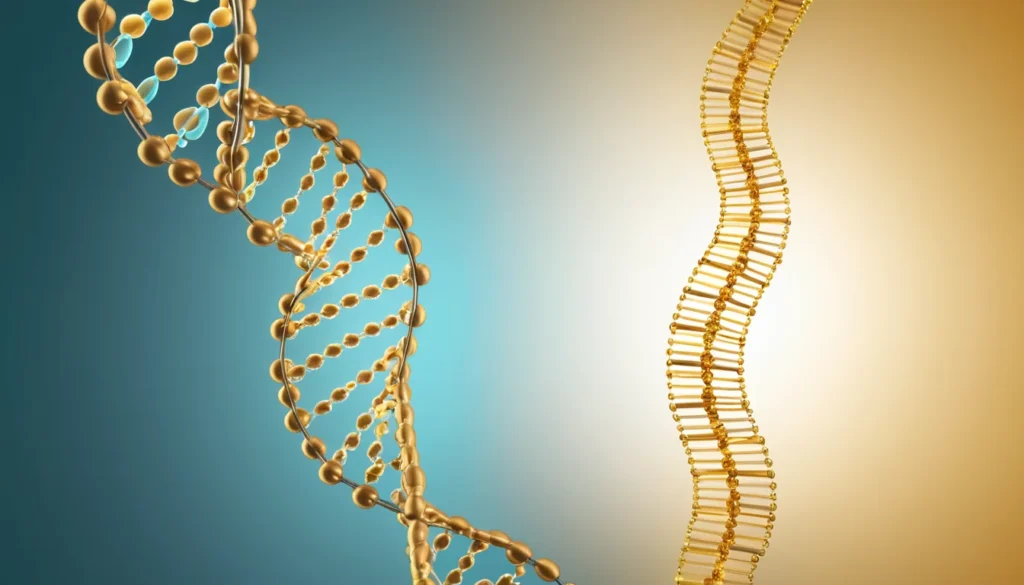
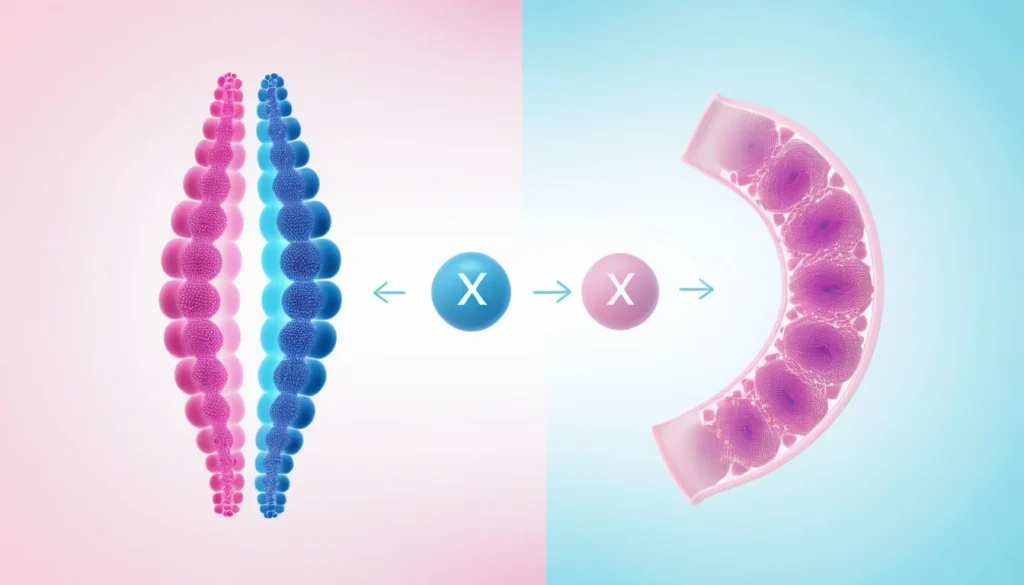
This syndrome is caused by a mutation on chromosome 11, specifically in a region called 11p13. In most cases, this mutation happens spontaneously during early embryonic development. There is usually no clear cause, and parents are not at fault. In very rare cases, the mutation results from chromosomal rearrangements that lead to a loss of genetic material.
WAGR syndrome is considered a rare condition. It affects a very small number of children worldwide. Because it is rare, families in Canada may need to work with specialists at major children’s hospitals or rare disease centres to access the right care.
WAGR Syndrome Symptoms: What to Look For
The symptoms of WAGR syndrome vary widely from child to child. The specific combination of features depends on exactly how much genetic material is lost from chromosome 11. For example, some children may have all four major features, while others may only have two.
Wilms Tumour
Wilms tumour is the most common type of kidney cancer in children. In WAGR syndrome, it is one of the most serious concerns. Doctors classify it in five stages, from Stage I (cancer contained within the kidney) to Stage V (cancer affecting both kidneys).
Research suggests that over 87% of children with WAGR syndrome who develop Stage V Wilms tumour survive with proper treatment. Early detection is key. Therefore, children diagnosed with WAGR syndrome are closely monitored for signs of kidney tumours. You can learn more about Wilms tumour from the Mayo Clinic’s guide to Wilms tumour.
Aniridia
Aniridia means the iris of the eye is partially or completely absent. This condition reduces vision and can vary greatly in severity. Some children experience mild vision loss, while others are significantly impaired.
In addition, aniridia in WAGR syndrome is often linked to a higher risk of developing glaucoma. This happens because of structural abnormalities in the front part of the eye. Some children may also develop cataracts over time. Regular eye exams with a paediatric ophthalmologist are essential for managing these risks.
Genital and Urinary Abnormalities
Children with WAGR syndrome may have a variety of genital and urinary abnormalities. In boys, these can include undescended testicles (cryptorchidism) and hypospadias, where the opening of the urethra is not in the typical position. Girls may have uterine abnormalities.
Furthermore, some children have structural problems with the kidneys or ureters. These abnormalities can affect kidney function, sometimes from a very early age. A paediatric urologist should be involved in care as early as possible after diagnosis.
Range of Developmental Delays
Intellectual disability or developmental delay occurs inconsistently in WAGR syndrome. The degree of cognitive impact depends on the amount and type of genetic material lost from chromosome 11. Some children experience mild delays, while others face more significant challenges.
Early intervention services, available through most provincial health programmes in Canada, can make a meaningful difference. Speech therapy, occupational therapy, and special education support are commonly recommended. Ask your family doctor or paediatrician about referrals available in your province.
How Is WAGR Syndrome Diagnosed?
Diagnosing WAGR syndrome often begins with a careful physical examination shortly after birth. A doctor may notice certain physical signs that point toward this condition. From there, a series of tests helps confirm the diagnosis.
Physical Examination
During the newborn period, doctors look for specific signs. These include a visibly absent iris, palpable masses in the abdomen near the kidneys, undescended testicles, and abnormal placement of the urethral opening. The absence of the iris is often the most noticeable finding and can prompt further investigation right away.
Laboratory Tests
Several blood and urine tests help assess how the condition is affecting the body. These may include:
A complete blood count to check for anaemia, which can result from bleeding caused by a kidney tumour
Urinalysis to detect blood in the urine, which may signal a Wilms tumour
Creatinine and urea levels to evaluate kidney function
Chromosomal analysis (cytogenetic testing) to confirm the genetic deletion at 11p13
Imaging Tests
Imaging plays a key role in diagnosing and monitoring WAGR syndrome. Doctors commonly use:
Abdominal and pelvic ultrasound — this is usually the first imaging test performed. It can identify enlarged kidneys, urinary tract abnormalities, and kidney masses. Doppler ultrasound can also detect blood clots in the renal vein or inferior vena cava.
Chest X-ray — important if a Wilms tumour has already been identified, to check for spread to the lungs
CT scan of the chest and abdomen — provides detailed information about the tumour’s size, location, and whether it has spread to nearby structures
Kidney biopsy — a small sample of kidney tissue may be taken to confirm the nature of the tumour
The Health Canada website offers information on accessing genetic testing and specialist referrals through provincial health plans across Canada.
Treatment Options for WAGR Syndrome
Treatment for WAGR syndrome is complex and highly individualised. Because children may face several different conditions at once, a team of specialists is typically involved. This team often includes a paediatric urologist, oncologist, ophthalmologist, and developmental paediatrician.
Treating Wilms Tumour
If a Wilms tumour is present, the child will need to see a paediatric oncologist promptly. Treatment depends on the stage of the tumour and its characteristics under a microscope. Options typically include surgery to remove the affected kidney (nephrectomy), followed by chemotherapy.
In some cases, chemotherapy is given before surgery to shrink the tumour first. Radiation therapy may also be recommended, particularly for more advanced stages. Canadian paediatric oncology centres, available in major cities across every province, are well equipped to manage these treatments.
Managing Eye Conditions
Children with aniridia need regular monitoring by an eye specialist. Treatment for glaucoma may include prescription eye drops or surgery to reduce pressure in the eye. Cataracts, if they develop, may require surgical removal. Protective eyewear is also important to shield the eyes from light and injury.
Treating Genital and Urinary Abnormalities
A paediatric urologist will assess the child’s genital and urinary abnormalities early on. Surgery is often needed to correct hypospadias or bring undescended testicles into the correct position. Treating these conditions promptly supports healthy development and reduces the risk of future complications.
Supporting Developmental Needs
Children with cognitive or developmental delays benefit greatly from early intervention. In Canada, most provinces offer publicly funded programmes for children with developmental needs. These include speech-language therapy, physiotherapy, occupational therapy, and educational support. Ask your child’s paediatrician or family doctor for a referral to your local developmental programme.
When to See a Doctor
If your newborn shows signs of absent or abnormal irises, you should contact your family doctor or go to a walk-in clinic immediately. An abdominal lump, blood in the urine, or signs of developmental delay in a young child also warrant urgent medical attention.
For children already diagnosed with WAGR syndrome, regular follow-up appointments are essential. These help monitor for new or changing conditions, such as the development of a Wilms tumour or worsening eye pressure. Your provincial health plan covers most specialist referrals for children with confirmed genetic conditions — speak to your family doctor about coordinating your child’s care team.
You can also find helpful general information on rare genetic disorders through the World Health Organization’s health fact sheets.
Frequently Asked Questions About WAGR Syndrome
What does WAGR stand for in WAGR syndrome?
WAGR syndrome stands for Wilms tumour, Aniridia, Genital or urinary abnormalities, and Range of developmental delays. Each letter refers to one of the main conditions associated with this rare genetic disorder. Not every child with WAGR syndrome will have all four of these conditions.
Is WAGR syndrome hereditary?
In most cases, WAGR syndrome is not inherited from a parent. The genetic mutation usually occurs spontaneously during early development, with no family history of the condition. In very rare cases, it can result from a chromosomal rearrangement passed down from a parent.
How is WAGR syndrome diagnosed in Canada?
WAGR syndrome is diagnosed through a combination of physical examination, blood and urine tests, imaging such as ultrasound and CT scans, and chromosomal genetic testing. In Canada, your family doctor can refer your child to a paediatric geneticist or specialist at a children’s hospital. Provincial health plans typically cover these diagnostic tests.
What is the life expectancy for children with WAGR syndrome?
Life expectancy for children with WAGR syndrome varies depending on the severity of each condition, especially the presence and stage of Wilms tumour. With early diagnosis and proper treatment, survival rates for Wilms tumour are generally good, with studies showing over 87% survival even in advanced cases. Ongoing specialist care greatly improves long-term outcomes.
Can children with WAGR syndrome live a normal life?
Many children with WAGR syndrome can lead fulfilling lives with the right medical support and early intervention. The level of support needed depends on which features of WAGR syndrome are present and how severely they affect the child. Access to developmental programmes, specialist care, and educational support — all available through Canadian provincial health systems — can make a significant difference.
What specialists are involved in treating WAGR syndrome?
Because WAGR syndrome affects multiple body systems, a team of specialists is usually involved in a child’s care. This typically includes a paediatric oncologist, urologist, ophthalmologist, and developmental paediatrician. Your family doctor or paediatrician can coordinate referrals to these specialists through your provincial health plan.
Key Takeaways
WAGR syndrome is a rare genetic disorder caused by a mutation on chromosome 11, usually occurring spontaneously at birth.
It involves up to four main conditions: Wilms tumour, aniridia, genital or urinary abnormalities, and developmental delays.
Early diagnosis through physical examination, genetic testing, and imaging is critical for the best possible outcome.
Treatment requires a team of specialists and is tailored to each child’s specific combination of symptoms.
Survival rates for Wilms tumour in WAGR syndrome are generally positive when caught and treated early.
Canadian families can access specialist care and developmental support programmes through their provincial health plans — start by speaking with your family doctor.
Always consult a qualified healthcare provider for a proper diagnosis and personalised treatment plan for your child.