Vulvodynia is a condition that causes chronic pain or discomfort in the vulva — the area around the outside of the vagina — lasting three months or longer. It has no clear visible cause, such as a skin condition or infection. Many Canadian women live with this pain for months or even years before receiving a correct diagnosis. This article explains what vulvodynia is, what causes it, how it affects daily life, and what treatment options are available.
What Is Vulvodynia?
Vulvodynia refers to ongoing vulvar pain that cannot be explained by another medical condition. It most commonly feels like burning, stinging, or irritation. For many women, burning is the most frequent complaint.
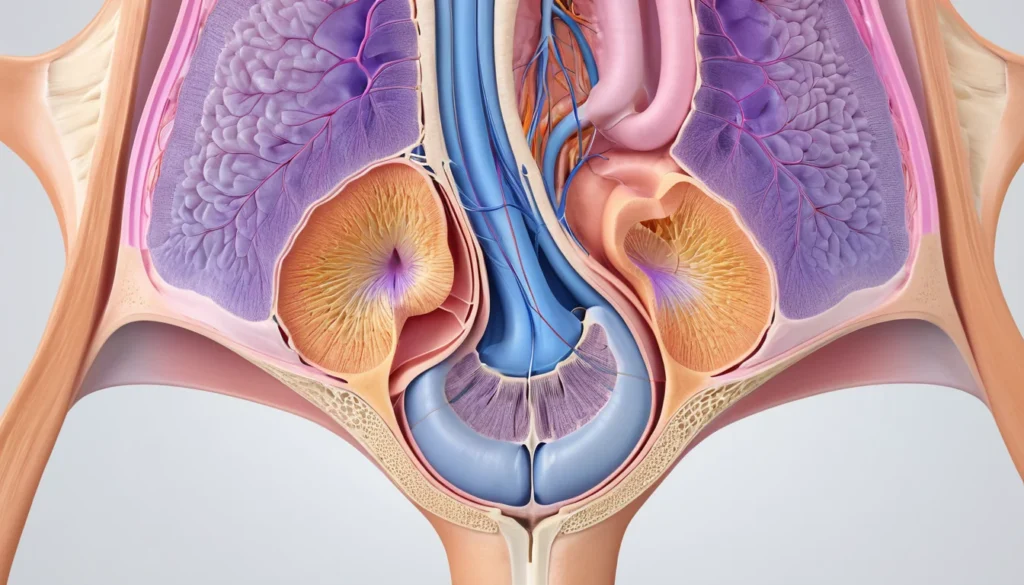
The vulva includes several parts that may be affected:
The labia: the folds of skin at the outer opening of the vagina
The vestibule: the area of skin around the vaginal opening, which also contains the urethral opening and the openings of small glands
The perineum: the area between the vaginal opening and the anus
The clitoris: which may also be a site of localised pain
Some women feel discomfort across the entire vulvar area. Others experience pain only in one specific spot, such as the vestibule. Symptoms can be constant or come and go.
What Triggers Vulvodynia Pain?
Pain can be triggered by sexual or non-sexual contact. For example, inserting a tampon, undergoing a pelvic exam, or wearing tight underwear can all bring on symptoms. However, some women experience pain without any trigger at all. This is called unprovoked pain.
The Two Main Types of Vulvodynia
Doctors generally recognise two types of this condition. Understanding which type you have helps guide treatment.
Generalised Vulvodynia
This type involves pain spread across the entire vulvar area. The pain is usually unprovoked, meaning it happens without any direct contact or pressure. It may be constant or occur randomly throughout the day.
Vulvar Vestibulitis
This type causes pain specifically around the vaginal opening. It is typically triggered by pressure in that area — such as sexual activity, tampon use, a gynaecological exam, or even sitting for a long period. For many women, this is the more common form.
According to research, an estimated 18% of women will experience chronic vulvar pain at some point in their lives. Despite how common it is, vulvodynia remains poorly understood. It is frequently misdiagnosed, with many women being told they have a vaginal infection or another unrelated condition. Learn more about chronic pain conditions from Health Canada.
Causes and Risk Factors of Vulvodynia
There is no single known cause of vulvodynia. However, researchers have identified several factors that may contribute to the condition. It is important to know that it is not caused by a sexually transmitted infection, HPV, cancer, or a neurological disorder.
Vulvodynia can only be diagnosed after other possible causes — such as a yeast infection or skin condition — have been ruled out. Your family doctor or gynaecologist will typically run tests to eliminate these other causes first.
Possible Contributing Factors
Research suggests the following factors may play a role in developing vulvodynia:
Nerve damage or irritation in the pelvic area
Weakness or spasms in the pelvic floor muscles
An abnormal response of vulvar cells to environmental triggers, such as injury or infection
Allergies to soaps, laundry detergents, or other products
Genetic factors, including a tendency toward inflammation
Recurring yeast infections
High levels of oxalates in the urine
Frequent use of antibiotics or topical medications
Previous laser treatments or surgery near the vaginal area
In addition, women who experienced pain or difficulty using a tampon for the first time appear to have a higher risk of developing vulvodynia later in life. These women also tend to show higher levels of inflammation markers in their bodies and a lower overall pain tolerance.
How Vulvodynia Affects Daily Life
Vulvodynia can have a significant impact on a woman’s physical, sexual, and emotional well-being. Many women find that routine activities — like exercising, sitting for long periods, or being intimate with a partner — become difficult or impossible.
A study of 76 women with vulvodynia found the following:
More than half (60%) felt they had lost control over their own bodies
Nearly two in five (42%) said the condition affected their ability to enjoy life
Almost two in three (60%) were unable to have sexual intercourse due to pain
Emotional and Relationship Impact
The anticipation of pain can cause some women to avoid sexual activity altogether. This avoidance can affect a woman’s self-image and her relationship with her partner. Furthermore, ongoing avoidance of intercourse can sometimes lead to vaginismus — involuntary tightening of the vaginal muscles — which makes intimacy even more difficult.
Sadly, some women have been told by healthcare providers that their pain is “all in their head.” This kind of response adds to the emotional burden of an already challenging condition. The lack of awareness about vulvodynia — both among patients and some medical professionals — remains a serious barrier to proper care.
Related Health Conditions
More than half of women with vulvodynia also live with other chronic health conditions. These may include:
Interstitial cystitis (chronic bladder pain)
Fibromyalgia
Irritable bowel syndrome (IBS)
Chronic fatigue syndrome
Recurring yeast infections
Therefore, a whole-body approach to care — rather than treating each issue separately — is often most effective. Mayo Clinic’s overview of vulvodynia provides additional detail on how these conditions may be connected.
Who Is Most Affected?
Vulvodynia can affect women of any age. However, symptoms most commonly begin between the ages of 18 and 25. The risk appears to decrease significantly after age 35. Research also indicates that Hispanic women face a higher risk of chronic vulvar pain compared to white women, though the reasons for this are not fully understood.
Regardless of age or background, any woman experiencing ongoing vulvar pain deserves to be heard and properly assessed. If you have been dismissed in the past, consider seeking a second opinion or asking for a referral to a pelvic health specialist.
When to See a Doctor
If you have been experiencing vulvar pain, burning, or discomfort for more than a few weeks, it is time to speak with a healthcare provider. You do not need to wait for symptoms to become severe. Early assessment helps rule out other conditions and gets you on a path to relief sooner.
In Canada, you can start by visiting your family doctor or a walk-in clinic. Your doctor may refer you to a gynaecologist or a pelvic floor physiotherapist depending on your symptoms. Most provincial health plans cover these referrals, so ask your doctor what is available in your province.
Keep track of your symptoms before your appointment. Note when the pain occurs, what triggers it, how long it lasts, and how it affects your daily activities. This information will help your doctor make a more accurate assessment.
As a general reminder, always consult a qualified healthcare professional before starting any treatment. The information in this article is for educational purposes only and does not replace personalised medical advice. You can also explore trusted resources through Healthline’s guide to vulvodynia to prepare for your appointment.
Frequently Asked Questions About Vulvodynia
What does vulvodynia feel like?
Vulvodynia typically feels like a burning, stinging, or raw sensation in the vulvar area. Some women describe it as constant discomfort, while others only notice it when pressure is applied — for example, during sex or when using a tampon. The pain can range from mild to severely debilitating.
Is vulvodynia a serious condition?
Yes, vulvodynia is a real and serious medical condition that can significantly affect a woman’s quality of life. It is not “just in your head” — research confirms that it involves physical changes in nerve sensitivity and inflammation. However, with proper diagnosis and treatment, many women do experience meaningful relief.
Can vulvodynia go away on its own?
In some cases, vulvodynia symptoms may improve over time, but many women require treatment to find lasting relief. Without proper care, symptoms can persist for months or even years. Speaking with a family doctor or gynaecologist is the best way to explore your options.
What treatments are available for vulvodynia in Canada?
Treatment for vulvodynia is highly individual and may include topical medications, oral medications, pelvic floor physiotherapy, nerve blocks, cognitive behavioural therapy, or dietary changes. Your family doctor or a specialist can help you find the right combination. Many of these treatments are covered under provincial health plans.
Is vulvodynia caused by an infection or STI?
No — vulvodynia is not caused by a sexually transmitted infection, yeast infection, HPV, or cancer. In fact, a vulvodynia diagnosis is only made after other possible causes of vulvar pain have been ruled out. It is a distinct condition related to nerve sensitivity and inflammation, not an infectious disease.
How common is vulvodynia among Canadian women?
Research estimates that around 18% of women will experience chronic vulvar pain at some point in their lives, which means vulvodynia is far more common than most people realise. Despite this, it remains underdiagnosed and is often confused with other conditions. Many women consult multiple doctors before receiving an accurate diagnosis.
Key Takeaways
Vulvodynia is chronic vulvar pain lasting three months or more, with no identifiable skin or gynaecological cause.
The most common symptom is a burning or stinging sensation in the vulvar area.
There are two main types: generalised vulvodynia and vulvar vestibulitis.
The exact cause is unknown, but contributing factors include nerve irritation, pelvic muscle issues, allergies, and genetics.
Vulvodynia affects women of all ages, but most commonly begins between ages 18 and 25.
It can have a serious impact on sexual health, emotional well-being, and daily activities.
Many women wait years for a correct diagnosis — if your concerns have been dismissed, seek a second opinion.
In Canada, start with your family doctor or a walk-in clinic, and ask about referrals to a gynaecologist or pelvic floor physiotherapist.
Always speak with a qualified healthcare professional for diagnosis and treatment tailored to your needs.