Vulvar intraepithelial neoplasia (VIN) is a condition where abnormal cells develop in the skin of the vulva. It is not cancer, but it is considered precancerous. Without treatment, it can slowly develop into cancer over many years. Understanding VIN — including its symptoms, causes, grades, and treatment options — can help you take action early and protect your health.
What Is Vulvar Intraepithelial Neoplasia (VIN)?
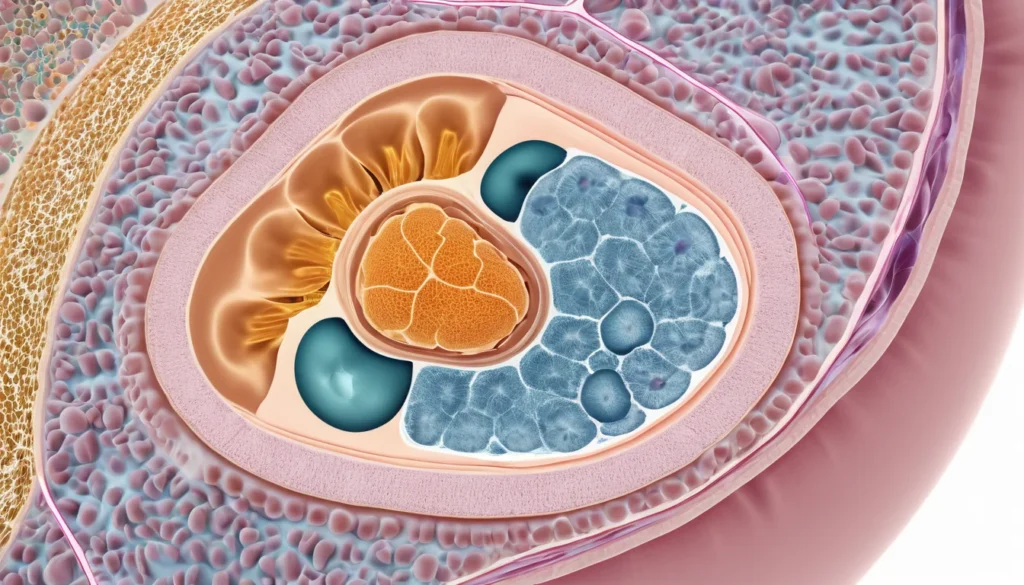
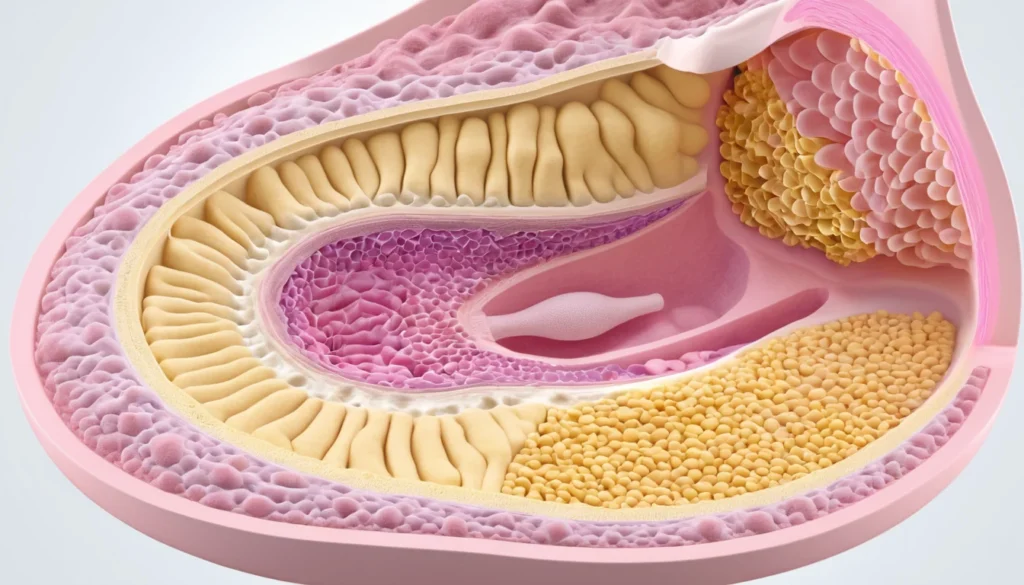
Vulvar intraepithelial neoplasia means that abnormal cells are growing within the skin of the vulva. The vulva is the outer part of the female genitals. VIN can appear in one area or in several areas of the vulvar skin at the same time.
It is important to understand that VIN is not cancer. However, if left untreated, VIN can progress slowly and eventually become cancerous. This process takes many years. For this reason, early detection and treatment are very important.
VIN can affect women of any age. In recent years, researchers have noticed more cases among younger women. Women with lighter skin tones also appear to have a higher risk of developing VIN. Some forms of VIN have been linked to sexual transmission, though researchers are still studying whether VIN is a sexually transmitted condition.
Grades of Vulvar Intraepithelial Neoplasia
Doctors classify vulvar intraepithelial neoplasia into three grades based on how abnormal the skin cells appear. The grade helps guide treatment decisions.
VIN Grade 1 (Mild dysplasia): Mild abnormal changes in the skin cells. This is the least severe grade.
VIN Grade 2 (Moderate dysplasia): Moderate abnormal changes in the skin cells. The changes are more pronounced than Grade 1.
VIN Grade 3 (Severe dysplasia): Severe abnormal changes in the skin cells. This grade carries the highest risk of progressing to cancer if untreated.
Higher grades do not mean you have cancer. They simply indicate that the abnormal cells are more significant. Your doctor will recommend a treatment plan based on your grade and overall health.
Signs and Symptoms of VIN
Some women with vulvar intraepithelial neoplasia have no symptoms at all. This is one reason why regular gynaecological check-ups are so important. When symptoms do appear, they can range from mild to severe.
Common Symptoms
Itching of the vulva, which can range from mild to very intense
Burning sensation in the vulvar area
Changes in the colour of the vulvar skin
Thickened or raised patches of skin
Skin Colour Changes to Watch For
The skin of the vulva may change colour in noticeable ways. You might see pale white patches, pink or red areas, or dark brown discolouration. The skin may also feel thickened or look white and leathery.
These changes are not always easy to notice on your own. Therefore, it is always best to have a qualified healthcare provider examine any unusual changes in the vulvar area. If you notice any of these symptoms, speak with your family doctor or visit a walk-in clinic.
What Causes Vulvar Intraepithelial Neoplasia?
Researchers do not yet know the exact cause of vulvar intraepithelial neoplasia. However, several factors have been linked to an increased risk of developing VIN. Understanding these risk factors can help with prevention.
Known Risk Factors
Human Papillomavirus (HPV): Certain strains of HPV are strongly associated with VIN. HPV is a very common sexually transmitted infection. Health Canada recommends HPV vaccination as a key prevention tool.
Herpes Simplex Virus Type 2 (HSV-2): This virus has also been linked to a higher risk of developing VIN.
Smoking: Women who smoke are at a significantly higher risk. Quitting smoking reduces that risk and improves overall health.
A weakened immune system (immunosuppression): Women whose immune systems are weakened — for example, due to certain medications or health conditions — are more vulnerable.
Chronic vulvar irritation: Long-term irritation of the vulvar skin may contribute to cell changes over time.
In addition, ongoing research is working to better understand how these factors interact. If you have any of these risk factors, talk to your family doctor about monitoring your vulvar health regularly.
How Is VIN Diagnosed?
A gynaecologist or women’s health specialist diagnoses vulvar intraepithelial neoplasia through a careful physical examination. The process is straightforward and typically involves two key steps.
Acetic Acid Wash
The doctor applies a diluted vinegar solution — called an acetic acid wash — to the vulvar skin. This solution turns any abnormal areas white, making them easier to see. It is a simple, painless procedure done right in the office.
Vulvar Biopsy
After identifying abnormal areas, the doctor takes a small tissue sample called a biopsy. This sample is sent to a pathologist — a doctor who studies tissue under a microscope — who looks for abnormal cells. Results are usually available within about one week.
According to the Mayo Clinic, early and accurate diagnosis is essential for effective management of precancerous vulvar conditions. Do not delay seeking care if you notice unusual changes.
Treatment Options for Vulvar Intraepithelial Neoplasia
Treatment for vulvar intraepithelial neoplasia depends on the grade of the condition, the size of the affected area, and your overall health. Your doctor will discuss the best option for you. There are several effective treatments available.
Fluorouracil Cream (1%)
This topical cream is applied directly to the affected skin in a thin layer, exactly as directed by your doctor. It works by removing the abnormal skin cells and allowing new, healthy skin to grow in their place.
Caution: This cream can cause burning, irritation, and redness of the skin. Use it only as instructed. If these side effects become severe, contact your doctor right away.
Interferon Injections
Interferon is given by injection three times per week for four to six weeks. It works by helping your immune system fight off the abnormal cells more effectively.
Caution: Side effects can include fever, headache, chills, and fatigue. Talk to your doctor if these symptoms are affecting your daily life.
Surgery or Laser Therapy
In some cases, the abnormal cells are removed surgically or with a laser. Laser therapy targets and destroys abnormal tissue with precision. This option is generally recommended when other treatments have not worked.
Caution: Surgery and laser therapy are typically used after less invasive treatments have been tried first. As a result, your doctor will usually start with topical or injection-based treatments.
When to See a Doctor
You should speak with a healthcare provider if you notice any unusual changes in your vulvar area, including itching, burning, discolouration, or thickened skin. These symptoms can have several causes, and only a doctor can determine what is happening.
In Canada, you have several options for getting care. Start by contacting your family doctor, who can refer you to a gynaecologist if needed. If you do not have a family doctor, a walk-in clinic can assess your symptoms and arrange a referral. Many provinces also offer women’s health centres that specialize in these concerns.
Furthermore, if you have already been diagnosed with VIN, follow your doctor’s recommended schedule for follow-up appointments. Regular monitoring is the best way to catch any recurrence early. Do not wait for symptoms to return before booking your next check-up.
As always, consult your doctor before starting, stopping, or changing any treatment. This article is for general information only and does not replace professional medical advice.
Follow-Up Care After VIN Treatment
VIN is a condition that can come back after treatment. This is called recurrence. For this reason, ongoing monitoring is a very important part of your care plan.
At each follow-up visit, your doctor may repeat the acetic acid wash to check for any new abnormal areas. How often you need these visits will depend on your individual situation and the grade of VIN you had.
You should return to your doctor sooner — without waiting for your scheduled appointment — if symptoms like itching or burning come back. Early attention to returning symptoms helps prevent VIN from progressing. It also helps your doctor check for other complications, such as a bacterial infection in the affected area.
In addition, quitting smoking is strongly recommended for anyone diagnosed with VIN. Smoking is a known risk factor, and stopping can significantly improve your outcomes. Talk to your family doctor about smoking cessation programmes available through your provincial health plan. The World Health Organization also highlights smoking cessation as one of the most impactful steps you can take for cancer prevention.
Frequently Asked Questions About Vulvar Intraepithelial Neoplasia
Is vulvar intraepithelial neoplasia the same as vulvar cancer?
No, vulvar intraepithelial neoplasia is not the same as vulvar cancer. VIN is a precancerous condition, meaning the abnormal cells are contained within the skin and have not spread. However, if VIN is left untreated over many years, it can slowly develop into cancer.
Can vulvar intraepithelial neoplasia go away on its own?
In some cases, vulvar intraepithelial neoplasia can regress and disappear without treatment, particularly in younger women. However, it can also progress to cancer if left unmonitored. Doctors recommend treating and closely following up on VIN rather than waiting to see if it resolves on its own.
What does VIN look like on the skin?
VIN can appear as white, pink, red, or dark brown patches on the vulvar skin. The skin may also look thickened, raised, or have a rough texture. Because these changes can be subtle, a doctor should examine any unusual skin changes in the vulvar area.
Is vulvar intraepithelial neoplasia caused by HPV?
HPV (Human Papillomavirus) is one of the most commonly associated risk factors for vulvar intraepithelial neoplasia. Not all cases of VIN are linked to HPV, but many are. Getting vaccinated against HPV is a recommended prevention strategy, especially for younger Canadians.
How is VIN treated in Canada?
In Canada, vulvar intraepithelial neoplasia is treated through options such as topical fluorouracil cream, interferon injections, laser therapy, or surgery. Your gynaecologist will recommend the best approach based on your grade of VIN and overall health. Treatment is covered under most provincial health plans with a referral.
Can VIN come back after treatment?
Yes, vulvar intraepithelial neoplasia can recur after treatment. This is why regular follow-up appointments with your gynaecologist are essential. If symptoms like itching or burning return, contact your doctor promptly rather than waiting for your next scheduled visit.
Key Takeaways
VIN is not cancer, but it is a precancerous condition that needs monitoring and treatment.
There are three grades of VIN — mild, moderate, and severe — that guide treatment decisions.
Common symptoms include vulvar itching, burning, and skin colour changes. Some women have no symptoms at all.
HPV, smoking, and a weakened immune system are key risk factors for vulvar intraepithelial neoplasia.
Diagnosis involves an acetic acid wash and a biopsy. Results are typically available within one week.
Treatment options include topical cream, injections, laser therapy, and surgery, depending on your situation.
VIN can come back after treatment, so regular follow-up visits are essential.
Quitting smoking is one of the most important steps you can take to reduce your risk.
Talk to your family doctor or visit a walk-in clinic if you notice any unusual vulvar symptoms. Early care leads to better outcomes.