Von Hippel-Lindau disease is a rare genetic condition that causes tumours to grow in multiple parts of the body. It is inherited, meaning it is passed down through families. Most tumours are non-cancerous, but some can become malignant over time. Understanding this condition early can make a significant difference in your health outcomes.
What Is Von Hippel-Lindau Disease?
Von Hippel-Lindau disease — also called VHL disease or Hippel-Lindau syndrome — is a hereditary condition caused by a mutation in the VHL gene. This gene normally stops cells from growing out of control. When it is mutated, tumours can form in many different organs throughout the body.
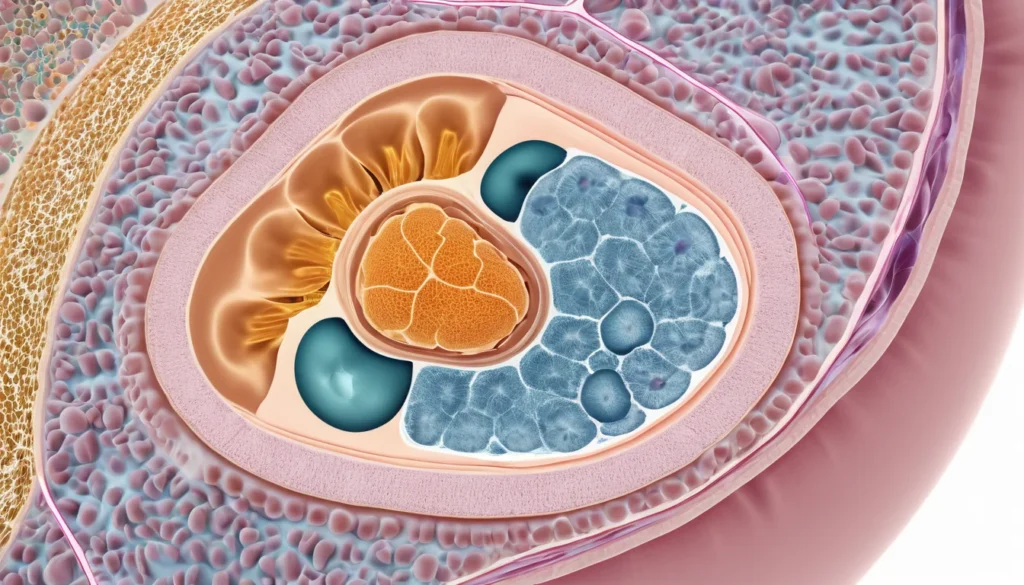
The condition usually becomes noticeable in early adulthood. However, the gene mutation is present from birth. Tumours associated with Von Hippel-Lindau disease can develop in the brain, spinal cord, eyes, kidneys, pancreas, adrenal glands, inner ear, and reproductive organs.
Most of these tumours are benign, meaning they are not cancerous. However, some — particularly those in the kidneys and pancreas — have a higher chance of becoming malignant. For more background on hereditary tumour conditions, visit the Health Canada information centre.
How Common Is Von Hippel-Lindau Disease?
VHL disease is considered a rare condition. It affects approximately 1 in 36,000 people worldwide. It occurs equally in men and women, and across all ethnic backgrounds.
If one parent carries the mutated VHL gene, their child has a 50% chance of inheriting it. Furthermore, about 97% of people who carry the mutated gene will develop signs of the disease by age 65. This makes genetic screening an important tool for families with a known history of this condition.
In about 1 in 5 cases, the patient is the first person in their family to be diagnosed. In these situations, the gene mutation was not inherited. Instead, it likely developed during fetal development or early childhood.
Causes of Von Hippel-Lindau Disease
The root cause of Von Hippel-Lindau disease is a mutation in the VHL gene, located on chromosome 3. This gene acts as a tumour suppressor. In other words, it helps stop abnormal cell growth before it becomes a problem.
When both copies of this gene are mutated or inactive, cells lose that control. As a result, tumours begin to grow in various locations throughout the body. The number and location of these tumours vary significantly from person to person.
In most cases, the mutation is inherited from a parent. However, that parent may not show obvious symptoms. Therefore, many families are unaware they carry the gene until a diagnosis is made. You can learn more about how genetic mutations affect tumour development at the Mayo Clinic’s resource on hereditary cancer syndromes.
Who Is at Higher Risk?
Anyone with a first-degree relative — such as a parent, sibling, or child — diagnosed with VHL disease is at higher risk. Genetic testing is strongly recommended for these individuals. In Canada, your family doctor or a specialist can refer you to a medical geneticist for testing and counselling.
Symptoms of Von Hippel-Lindau Disease
Because tumours can develop in many parts of the body, symptoms vary widely from person to person. There is no single defining symptom of Von Hippel-Lindau disease. Instead, the symptoms depend on where the tumours grow and how large they become.
Common Symptoms to Watch For
You may experience one or several of the following symptoms:
Headaches — often caused by tumours in the brain or spinal cord
Vision changes — including blurred or lost vision from tumours near the retina
Hearing problems — such as ringing in the ears (tinnitus) or hearing loss
High blood pressure — often linked to tumours near the adrenal glands
Balance and coordination problems — from tumours affecting the cerebellum or inner ear
Muscle weakness — particularly in the arms or legs
Nausea and vomiting — related to pressure from growing tumours
It is important to note that some people with the VHL gene mutation may have few or no symptoms for many years. In addition, symptoms can develop gradually, making them easy to overlook at first.
Risks and Complications
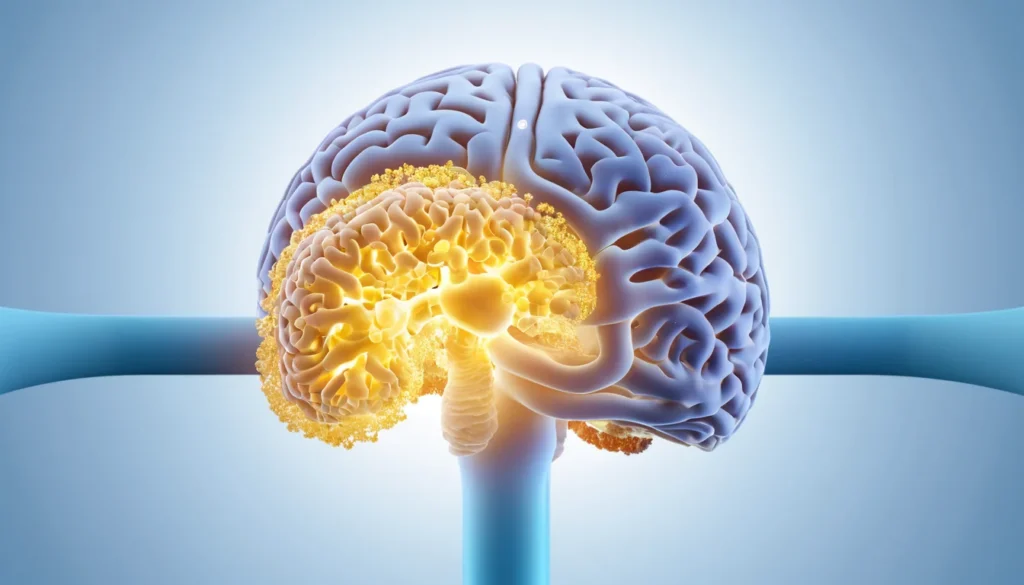
The most common tumours in VHL disease are called haemangioblastomas. These are slow-growing, benign tumours that typically form in the brain, spinal cord, or retina. Although they are not cancerous, they can cause serious problems as they grow.
As haemangioblastomas enlarge, they press on surrounding nerves and brain tissue. This pressure can lead to significant complications, including:
Permanent hearing loss or blindness
Dangerously high blood pressure
Severe loss of balance or coordination
Neurological damage
Tumours located in the kidneys and pancreas carry a different risk. These tumours are more likely to become malignant over time. Therefore, people with Von Hippel-Lindau disease face a significantly higher risk of developing kidney cancer and pancreatic cancer compared to the general population.
Regular monitoring is essential for catching these changes early. The Healthline overview of VHL-related complications offers further detail on long-term health risks.
Diagnosing Von Hippel-Lindau Disease
Diagnosing VHL disease can be challenging, especially in the early stages. Tumours may be discovered because of symptoms, or they may be found by chance during routine testing for another condition. When only one or two tumours are present, doctors may first consider other, more common conditions.
Imaging and Biopsy
Several imaging tools help detect tumours associated with this condition. These include:
Abdominal ultrasound
CT scans of the head, chest, and abdomen
MRI of the brain and spinal cord
Once tumours are identified, a biopsy may be performed to confirm whether they are benign or malignant. A pathologist examines the tumour tissue in a laboratory. However, biopsies are not always possible or necessary, depending on the location and risk involved.
Genetic Testing
A confirmed diagnosis of Von Hippel-Lindau disease requires genetic testing to identify the VHL gene mutation. This test can be done even before symptoms appear. It is especially useful for people who have a family member already diagnosed with the condition.
In Canada, genetic testing and counselling are typically available through provincial health plans via referral from your family doctor. A medical geneticist will guide you through the process and explain your results clearly.
Treatment Options for Von Hippel-Lindau Disease
There is currently no cure for Von Hippel-Lindau disease. However, treatment focuses on managing tumours early and preventing serious complications. The approach is highly individualized, depending on the type, location, and size of each tumour.
Surgery
Surgical removal is the most common treatment for VHL-related tumours. When tumours are caught early, surgeons can often remove them before they cause lasting damage. Minimally invasive surgical techniques are used whenever possible to reduce recovery time.
Radiation Therapy
Some tumours respond well to radiation therapy, particularly haemangioblastomas in the brain or spinal cord. Radiation may be used on its own or alongside surgery, depending on the situation. Stereotactic radiosurgery — a precise, non-invasive form of radiation — is sometimes an option for brain tumours.
Ongoing Monitoring
Regular check-ups and imaging scans are a critical part of managing this condition. Your care team will likely recommend scheduled MRI and CT scans every one to two years. Staying consistent with these appointments gives doctors the best chance of finding new tumours early.
Prevention and Genetic Screening
Because VHL disease is caused by an inherited gene mutation, there is no way to prevent it. However, genetic screening can identify whether you carry the mutated gene before any symptoms appear.
Screening is recommended for anyone with a family history of this disease. Testing can be done as early as childhood, which allows for earlier monitoring and faster action if tumours begin to develop. If you are diagnosed with VHL disease and are planning to start a family, speaking with a genetic counsellor is strongly encouraged. They can explain the chances of passing the mutation to your children and discuss your options.
When to See a Doctor
If you have a family history of Von Hippel-Lindau disease, speak with your family doctor as soon as possible. They can refer you to a specialist or a medical genetics programme covered under your provincial health plan.
If you experience unexplained headaches, vision changes, hearing loss, high blood pressure, or balance problems, do not wait. Visit your family doctor or a walk-in clinic promptly. These symptoms may have other causes, but they are worth investigating — especially with a relevant family history.
Early detection truly saves lives with this condition. Please consult a qualified healthcare provider for a proper assessment, diagnosis, and personalized care plan.
Frequently Asked Questions
What is Von Hippel-Lindau disease?
Von Hippel-Lindau disease is a rare hereditary condition caused by a mutation in the VHL gene. It leads to the growth of tumours in multiple organs, including the brain, kidneys, eyes, and pancreas. Most tumours are benign, but some can become cancerous over time.
Is Von Hippel-Lindau disease hereditary?
Yes, Von Hippel-Lindau disease is almost always inherited from a parent who carries the mutated VHL gene. If one parent has the mutation, each child has a 50% chance of inheriting it. In rare cases, the mutation occurs spontaneously rather than being passed down.
How is Von Hippel-Lindau disease diagnosed in Canada?
Diagnosis typically involves imaging tests such as MRI or CT scans, combined with genetic testing to confirm the VHL gene mutation. In Canada, your family doctor can refer you to a medical geneticist through your provincial health plan. Genetic testing is also available as a screening tool for people with a family history of the disease.
What are the first signs of Von Hippel-Lindau disease?
Early signs of Von Hippel-Lindau disease can include persistent headaches, changes in vision, hearing loss, ringing in the ears, or problems with balance and coordination. Because symptoms vary widely, they are sometimes mistaken for other conditions. If you have a family history of VHL, report any new or unusual symptoms to your doctor promptly.
Can Von Hippel-Lindau disease be cured?
There is currently no cure for Von Hippel-Lindau disease. However, treatment options such as surgery and radiation therapy can effectively manage tumours and prevent serious complications. Regular monitoring is a key part of long-term care for people living with this condition.
How rare is Von Hippel-Lindau disease in Canada?
Von Hippel-Lindau disease affects approximately 1 in 36,000 people worldwide, making it a rare condition. It affects people of all sexes and ethnic backgrounds equally. Because it is uncommon, it can sometimes take time to reach a correct diagnosis without genetic testing.
Key Takeaways
Von Hippel-Lindau disease is a rare, inherited genetic condition that causes tumours in multiple organs.
It is caused by a mutation in the VHL gene, which normally prevents uncontrolled cell growth.
Most tumours are benign, but kidney and pancreatic tumours carry a higher risk of becoming cancerous.
Symptoms vary widely and depend on where tumours form — common signs include headaches, vision or hearing changes, and balance problems.
Diagnosis requires imaging scans and genetic testing, available through provincial health plans in Canada.
There is no cure, but early detection through regular monitoring and surgery can prevent serious complications.
If you have a family history of this condition, speak with your family doctor about genetic screening as soon as possible.