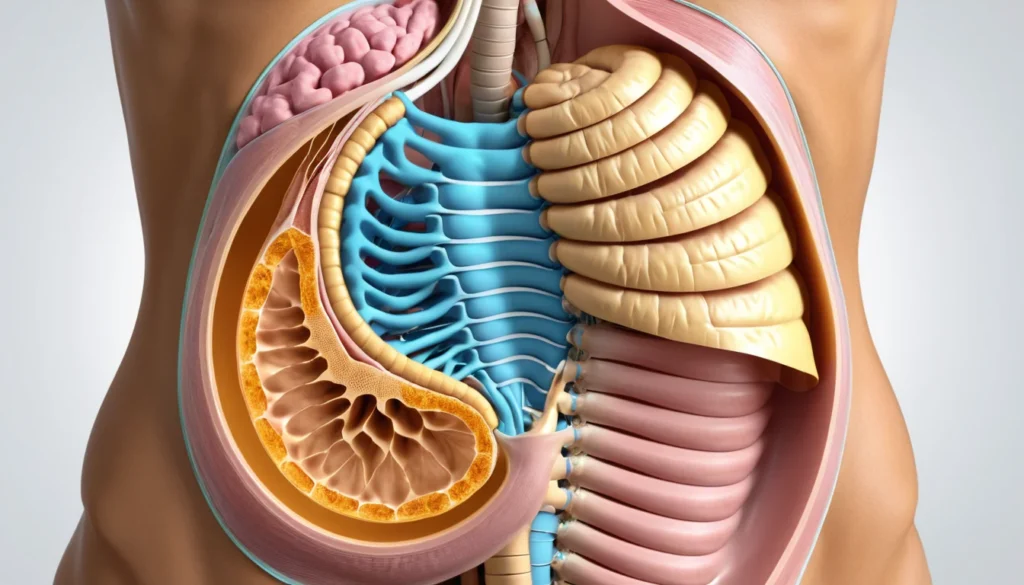
Vomiting is something almost everyone experiences at some point in their life. It happens when your body forcefully expels the contents of your stomach through your mouth or nose. Vomiting is usually a symptom of an underlying condition — not an illness on its own. In this article, we explain the common causes, types, and treatments for vomiting, and when you should see a doctor or visit a walk-in clinic.
What Is Vomiting?
Vomiting — also called emesis — is the forceful emptying of stomach contents up through the throat and out the mouth or nose. It is often preceded by nausea, that uncomfortable feeling that you might be about to be sick. However, nausea does not always lead to vomiting.
Vomiting can be caused by many things, including infections, inflammation, blockages, injuries, or even certain medications. It is your body’s way of protecting itself from something it finds harmful. Understanding the cause is the first step toward getting the right treatment.
Types of Vomiting
Not all vomiting is the same. Doctors and nurses look at the type of vomiting to help figure out what is causing it. Here are the main types:
Vomiting with blood: This can look like red blood or dark material that resembles coffee grounds. It requires immediate medical attention.
Severe vomiting: Repeated, intense vomiting that can quickly lead to dehydration.
Projectile vomiting: Stomach contents are expelled with great force. This is common in infants with pyloric stenosis.
Regurgitation: This is different from vomiting. It is the effortless return of undigested food from the stomach into the mouth. It does not involve the nausea or stomach contractions that come with vomiting.
Nasal regurgitation: Food or liquid comes out through the nose, which can happen during swallowing problems.
It is important to know the difference between vomiting and regurgitation. They have different causes and need different treatments. If you are unsure, your family doctor can help identify which one is happening.
Common Causes of Vomiting
There are many reasons why a person might experience vomiting. The causes range from mild stomach upsets to more serious medical conditions. Here are the most common ones.
Stomach and Digestive Causes
The most frequent cause of vomiting is gastritis — inflammation of the stomach lining. This can result from a viral or bacterial infection, eating spoiled food, or irritants like alcohol, tobacco, or anti-inflammatory medications such as ibuprofen.
Other digestive causes include:
Viral gastroenteritis (stomach flu)
Food poisoning from bacteria like salmonella or campylobacter
Peptic ulcers
Gastroesophageal reflux disease (GERD)
Bowel obstruction (a blockage in the intestines)
Health Canada offers reliable guidance on food safety and preventing food-related illnesses that can trigger vomiting.
Brain and Nervous System Causes
Your brain plays a major role in triggering vomiting. Signals from different parts of the body travel to the brain’s vomiting centre, which then sets off the physical response. Some brain-related causes include:
Migraines and severe headaches
Motion sickness
Inner ear problems, such as labyrinthitis or Ménière’s disease
Increased pressure inside the skull from an injury or illness
Strong smells or sounds that trigger a gag response
Heat exhaustion or sunstroke
In addition, abnormal levels of electrolytes — minerals like sodium and potassium in your blood — can also trigger nausea and vomiting.
Vomiting Associated With Other Health Conditions
Sometimes, vomiting is a sign of a condition that goes beyond the stomach. It is important to look at the full picture of your health.
Diabetes
People with diabetes may experience a condition called diabetic gastroparesis. This happens when nerve damage slows the stomach from emptying properly, leading to nausea and vomiting. Furthermore, large swings in blood sugar levels can also upset the stomach and trigger vomiting.
Abdominal Organ Conditions
Several conditions affecting organs in the belly can cause vomiting, including:
Inflammatory bowel disease (Crohn’s disease or ulcerative colitis)
Gallbladder disease
Hepatitis (liver inflammation)
Pancreatitis (inflammation of the pancreas)
Kidney disease or kidney stones
Certain types of cancer
Conditions Outside the Digestive System
Vomiting is not always about the stomach. For example, a heart attack can cause nausea and vomiting, especially in women. Other non-digestive causes include:
Lung infections such as bronchitis or pneumonia
Sepsis (a serious body-wide infection)
Eating disorders such as bulimia nervosa
Medications and Medical Treatments
Many medications list vomiting as a side effect. These include:
Anti-inflammatory drugs
Opioid pain relievers
Chemotherapy and radiation therapy drugs
If you think a medication is making you sick, do not stop taking it without speaking to your doctor or pharmacist first. There may be an alternative available through your provincial health plan.
Pregnancy
Nausea and vomiting are very common during the first trimester of pregnancy. Often called “morning sickness,” this is caused by hormonal changes that occur in early pregnancy. For most people, symptoms improve after the first three months. However, a severe form called hyperemesis gravidarum may require medical treatment.
Vomiting in Babies and Infants
Parents often confuse vomiting with regurgitation in babies. Regurgitation — also called spitting up — happens right after feeding and involves a small amount of undigested milk coming back up without any effort or distress.
True vomiting in infants is more forceful and may signal a medical issue. Common causes include:
Pyloric Stenosis
This is a narrowing of the muscle between the stomach and the small intestine. It causes projectile vomiting shortly after feeding and usually appears in the first few months of life. It requires prompt medical evaluation and often a minor surgical procedure.
Intussusception
This is a type of bowel obstruction where one part of the intestine slides into another. It causes vomiting, intense crying, and sometimes bloody stools. This is a medical emergency — take your child to the nearest emergency department right away.
Viral Infections
As with adults, viral infections are a common cause of vomiting in infants and young children. Keeping your baby well-hydrated is the most important step during recovery.
According to the Mayo Clinic’s guide on nausea and vomiting, dehydration is one of the most serious risks in young children who are vomiting repeatedly.
How Is Vomiting Treated?
Treatment for vomiting depends on what is causing it. There is no single solution that works for everyone. Your doctor will consider your age, medical history, and any other health conditions you have before recommending a plan.
Home Care and Hydration
For mild cases — such as a stomach flu or food poisoning — the main goal is to prevent dehydration. Sip clear fluids frequently in small amounts. Oral rehydration salts (available at most Canadian pharmacies without a prescription) are very effective at replacing lost fluids and electrolytes.
As a result of vomiting, your body loses important minerals. Drinks like water, clear broths, and diluted juice can help. Avoid solid foods until vomiting has stopped for several hours.
Anti-Nausea Medications
In some cases, your doctor may prescribe or recommend antiemetic medications — drugs that reduce nausea and vomiting. These are often used for motion sickness, chemotherapy-related vomiting, or post-surgical nausea. Some antiemetics are available over the counter at Canadian pharmacies.
Antibiotics
If your vomiting is caused by a bacterial infection — for example, from salmonella, shigella, or campylobacter — your doctor may prescribe antibiotics. However, antibiotics do not work against viral infections, so they are not always the right choice.
Hospital Treatment
In severe cases, vomiting can lead to serious dehydration. If you or your child cannot keep any fluids down, hospitalization may be necessary. In hospital, fluids and electrolytes are given through an intravenous (IV) line to restore the body’s balance quickly.
The World Health Organization’s fact sheet on diarrhoea and dehydration highlights how quickly dehydration can become dangerous, especially in young children and older adults.
When to See a Doctor
Most vomiting gets better on its own within 24 to 48 hours. However, some situations need prompt medical attention. Visit your family doctor, a walk-in clinic, or an emergency department if you or someone you care for has any of the following:
Vomiting that lasts more than 48 hours
Blood in the vomit (red or dark brown, like coffee grounds)
Signs of dehydration: dry mouth, no urination, dizziness, or sunken eyes in a baby
Severe abdominal pain
High fever (above 38.5°C)
Vomiting after a head injury
Vomiting in a newborn or very young infant
Inability to keep any fluids down for more than 12 hours
Vomiting alongside chest pain or shortness of breath
If you are pregnant and vomiting is severe or preventing you from eating and drinking, contact your family doctor or midwife promptly. Most provincial health plans cover assessment and treatment for pregnancy-related nausea.
When in doubt, a walk-in clinic is a great first step. The staff can assess whether you need further testing or a referral to a specialist.
Frequently Asked Questions About Vomiting
What are the most common causes of vomiting in adults?
The most common causes of vomiting in adults include viral gastroenteritis (stomach flu), food poisoning, motion sickness, and medication side effects. Vomiting can also result from migraines, alcohol use, or underlying conditions like GERD or kidney disease. If vomiting keeps coming back without a clear reason, it is worth speaking with your family doctor.
How do I stop vomiting at home?
To help stop vomiting at home, rest your stomach by avoiding food and large amounts of liquid for a short time, then slowly sip clear fluids like water or oral rehydration solution. Ginger tea or ginger chews may also help settle nausea and reduce vomiting. If symptoms do not improve within 24 to 48 hours, visit a walk-in clinic or contact your family doctor.
When is vomiting a medical emergency?
Vomiting becomes a medical emergency when there is blood in the vomit, severe abdominal pain, signs of dehydration, or vomiting after a head injury. In infants, forceful projectile vomiting or vomiting with bloody stools requires immediate emergency care. Go to your nearest emergency department or call 911 if you are concerned.
Can vomiting cause dehydration?
Yes, repeated vomiting can quickly lead to dehydration, especially in young children and older adults. Dehydration happens because the body loses water and important minerals called electrolytes when vomiting occurs. Sipping oral rehydration solutions — available at Canadian pharmacies — is the best way to replace lost fluids safely.
Is it normal to vomit during pregnancy?
Yes, nausea and vomiting during the first trimester of pregnancy are very common and are caused by hormonal changes. Most people find that symptoms improve after 12 to 14 weeks. However, if vomiting is severe and stops you from keeping food or fluid down, speak with your doctor or midwife right away, as this may be a condition called hyperemesis gravidarum.
What is the difference between vomiting and regurgitation?
Vomiting is a forceful process that involves stomach contractions, nausea, and the expulsion of stomach contents. Regurgitation, on the other hand, is effortless — undigested food or liquid simply flows back up into the mouth without nausea or cramping. In infants, spitting up after a feed is usually regurgitation and is generally harmless, but forceful vomiting in a baby always warrants a call to your doctor.