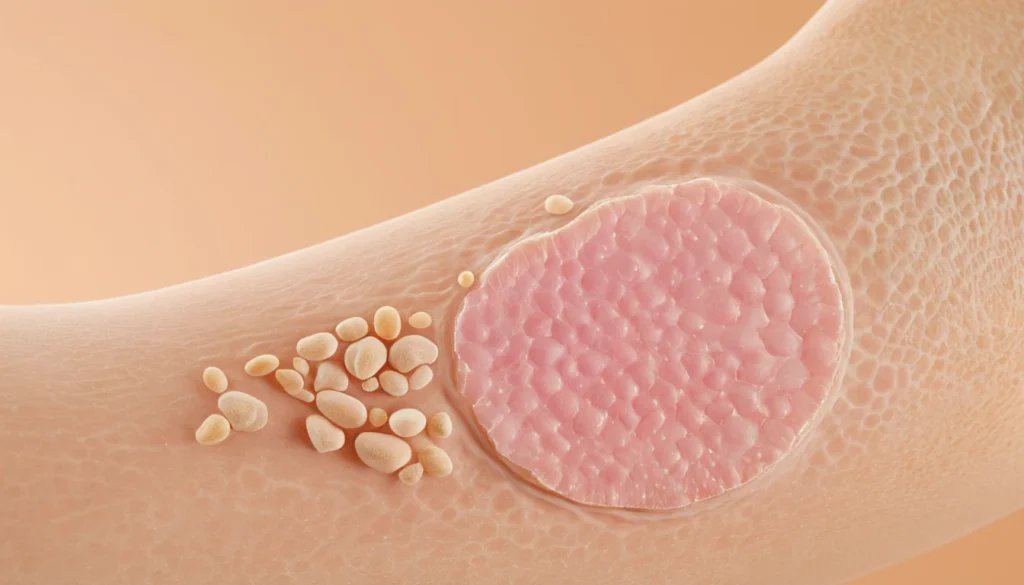
Vitiligo in children is a skin condition that causes patches of skin to lose their colour. It can affect kids of any race or ethnic background, and it often first appears between the ages of 9 and 12. While vitiligo is not dangerous, it can affect a child’s confidence and quality of life. With the right care and medical support, many children and families learn to manage it well.
What Is Vitiligo?
Vitiligo is a condition where the skin loses its natural pigment, or colour. This happens when the cells that produce pigment — called melanocytes — stop working properly. Once these cells are damaged or destroyed, the skin in that area turns white or very light.
The condition can affect children and adults alike. However, it is most commonly noticed in late childhood and early adulthood. Both boys and girls can develop vitiligo, and it appears across all skin tones and ethnic groups.
For more background on skin pigmentation disorders, visit the Mayo Clinic’s overview of vitiligo.
Recognising the Symptoms of Vitiligo in Children
The most obvious sign of vitiligo is the appearance of flat, white patches on the skin. These patches have clear edges and cannot be felt by touch — they sit level with the surrounding skin. They are also not painful or itchy.
These patches most often appear on the backs of the hands, the face, and around the armpits. In most cases, the patches show up on both sides of the body in roughly the same location — for example, on both hands or both cheeks.
What the Patches Look Like
Flat and smooth to the touch
White or very light in colour
Irregular in shape
Range in size from 2–3 millimetres to several centimetres across
Found on both sides of the body in similar spots
Not painful or itchy
Over time, small patches may grow and merge into larger areas without pigment. The rate of change varies greatly from child to child. Some children see rapid changes, while others notice little change for months or even years.
What Causes Vitiligo?
Researchers believe vitiligo is most likely an autoimmune condition. This means the body’s immune system mistakenly attacks its own healthy cells — in this case, the melanocytes that produce skin colour.
When melanocytes are destroyed, the skin can no longer produce pigment in that area. Unfortunately, once the pigment is gone, those cells cannot simply restart production on their own. This is why the white patches tend to stay or grow over time.
Scientists are still studying exactly why the immune system targets these cells. Genetic factors, environmental triggers, and stress may all play a role. However, vitiligo is not contagious — you cannot catch it from another person.
Risk Factors to Know
Certain factors may increase the chance that a child will develop vitiligo. These include:
A family history of vitiligo
Thyroid conditions or adrenal gland disorders
Type 1 diabetes
Other autoimmune conditions
If your child has any of these risk factors, it is worth discussing with your family doctor — especially if you notice any unusual skin changes. For more information on autoimmune connections, see Healthline’s guide to vitiligo causes and risk factors.
Vitiligo Treatment Options in Canada
There is currently no cure for vitiligo. However, several treatment options can help slow the spread of patches and restore some skin colour in certain cases. Your child’s dermatologist will recommend a plan based on the extent of the condition and your child’s overall health.
Treatment often requires patience. Results can take many months to appear, and outcomes vary widely. It is important to set realistic expectations from the start.
Medical Treatments
One of the more established medical treatments involves a class of medications called psoralens. These work by stimulating the pigment-producing cells that remain healthy around the affected areas. However, side effects are common, and results can be disappointing in some cases.
If your child is unable to take oral medication — or if it is not effective — other approaches may be considered. Topical treatments, light therapy, and in some cases, newer biologic medications are available. A specialist dermatologist can guide your family through these options under your provincial health plan.
Skin Protection and Cosmetic Options
Protecting depigmented skin from the sun is very important. Because these areas have no melanin, they burn much more easily. Applying a broad-spectrum sunscreen daily to affected areas is strongly recommended.
For children who prefer to cover the patches, opaque, waterproof cosmetic cover creams are an option. These are available at many pharmacies across Canada. They can help reduce the visibility of patches and support a child’s self-confidence.
Lifestyle and School
Vitiligo does not limit what your child can do. There are no physical activity restrictions. No special diet is required. Children with vitiligo should continue attending school and participating in all normal activities.
Emotional support is just as important as medical treatment. Many children benefit from talking with a counsellor or joining a support group. Helping your child understand their condition in simple, positive terms makes a real difference.
What to Expect Over Time
Vitiligo is often a long-term condition. Complete and permanent repigmentation — meaning the skin fully returns to its original colour — is rare. Treatment is a lengthy process, and results are frequently partial.
If treatment is stopped or becomes inconsistent, areas that did regain some colour often lose it again. This makes sticking to the treatment plan very important. Doctors generally need at least one year of treatment before they can properly evaluate the results.
Children and young adults tend to respond better to treatment than older patients, especially when treatment begins early. Therefore, early diagnosis and prompt care give your child the best possible outcome.
It is also important to know that vitiligo does not currently have a reliable prevention strategy. Complications and relapses can occur even with good treatment. Your child’s dermatologist will monitor their progress and adjust the plan as needed.
When to See a Doctor About Vitiligo in Children
If you notice white or pale patches on your child’s skin, it is a good idea to have them assessed. Start with your family doctor, who can refer your child to a dermatologist through your provincial health plan. If you do not have a family doctor, a walk-in clinic can provide an initial assessment and referral.
You should seek medical advice if:
Your child has skin patches that look like vitiligo symptoms
New or unexplained symptoms appear
Your child experiences side effects from any medication prescribed
The patches are spreading quickly
Your child is showing signs of emotional distress related to their skin
A dermatologist can confirm the diagnosis and recommend the most appropriate treatment. Early assessment is always better than waiting. As always, speak with your healthcare provider before starting or stopping any treatment. This article is for general information only and does not replace professional medical advice.
You can also find reliable information through Health Canada’s official health resources for guidance on navigating the Canadian healthcare system.
Frequently Asked Questions About Vitiligo in Children
Is vitiligo in children dangerous?
Vitiligo in children is not physically dangerous or life-threatening. It does not cause pain or itching, and it is not contagious. However, it can affect a child’s emotional wellbeing, so early support and care are important.
Can vitiligo go away on its own?
In most cases, vitiligo does not go away on its own without treatment. Complete repigmentation is rare, even with medical treatment. Some children may see partial colour return with consistent therapy over time.
What causes vitiligo in children?
Vitiligo is believed to be an autoimmune condition, where the body’s immune system destroys the cells that produce skin colour. Genetics, family history, and other autoimmune conditions like thyroid disease or type 1 diabetes may increase the risk. The exact trigger is not always known.
How is vitiligo treated in Canada?
Treatment for vitiligo in children may include medications such as psoralens, topical creams, and light therapy, depending on the severity of the condition. A dermatologist, accessed through a referral from your family doctor or walk-in clinic, will recommend the best plan. Coverage may vary by province under your public health plan.
At what age does vitiligo usually start in children?
Vitiligo in children most commonly begins between the ages of 9 and 12, though it can appear at any age. Children and young adults who begin treatment early tend to respond better than those who start treatment later in life.
Should my child with vitiligo wear sunscreen?
Yes — sunscreen is strongly recommended for children with vitiligo. Depigmented skin has no melanin to protect against UV rays, making it much more likely to burn. Apply a broad-spectrum sunscreen to all affected areas every day, especially during summer or outdoor activities.
Key Takeaways
Vitiligo in children causes flat, white patches of skin due to the loss of pigment-producing cells.
It is most likely an autoimmune condition and is not contagious.
Risk factors include family history, thyroid disorders, and type 1 diabetes.
Patches are not painful or itchy, but they can affect a child’s self-confidence.
Treatment options include medications, light therapy, sunscreen use, and cosmetic cover creams.
Complete colour restoration is rare — treatment is long-term and results vary.
Children who start treatment early tend to have better outcomes.
See your family doctor or walk-in clinic if you notice signs of vitiligo in your child.
Always consult a qualified healthcare provider before starting any treatment plan.