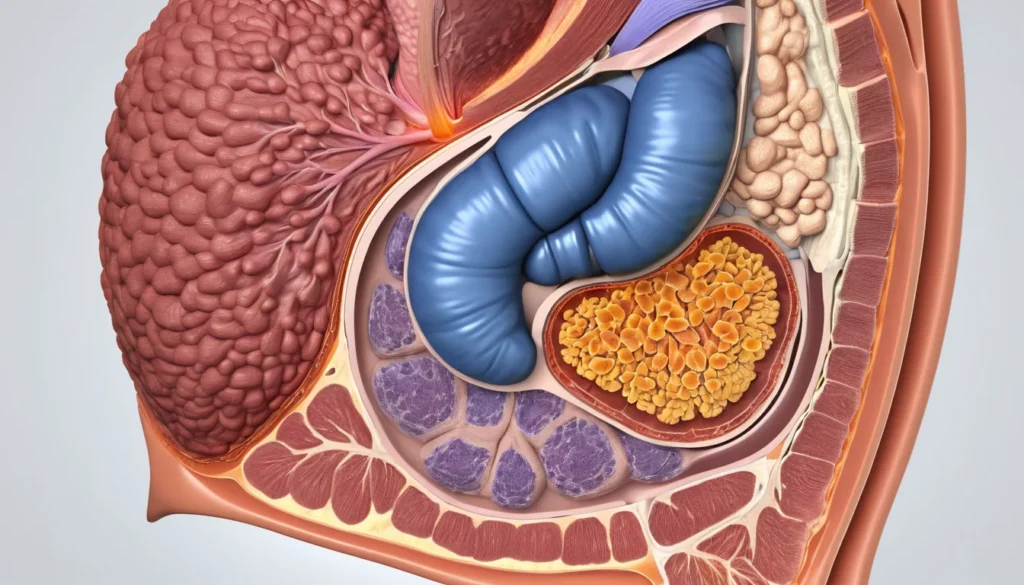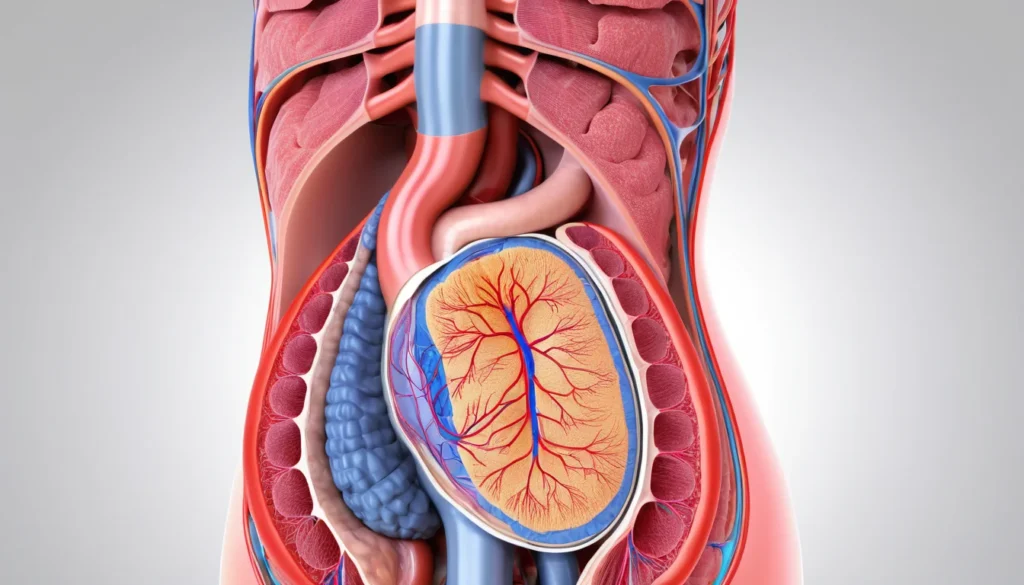
Visceral ischemia is a serious condition where blood flow to the intestines and digestive organs is reduced or blocked. Without enough blood, the cells in your gut can’t get the oxygen they need. This can cause significant damage to your bowel and, in severe cases, can become life-threatening. This article explains what visceral ischemia is, what causes it, and what treatments are available to Canadians.
What Is Visceral Ischemia?
The word “ischemia” simply means a lack of adequate blood supply to a part of the body. Visceral ischemia — also called intestinal or mesenteric ischemia — affects the blood vessels that supply your gut, including your small intestine, large intestine (colon), liver, and spleen.
Three major arteries deliver blood to these organs. They are the celiac artery, the superior mesenteric artery, and the inferior mesenteric artery. In most cases of intestinal ischemia, two or three of these arteries are affected at the same time.
For more background on how the digestive system works, visit Mayo Clinic’s overview of mesenteric ischemia.
Types and Causes of Visceral Ischemia
There are several distinct types of visceral ischemia. Each type has its own causes and risk profile. Understanding the differences helps doctors choose the right treatment.
Ischaemic Colitis (Colon Ischemia)
This is the most common form of intestinal ischemia. It happens when blood flow to the colon slows down. It most often affects adults over the age of 60, but it can occur at any age.
The exact cause isn’t always clear. However, several factors can raise your risk, including:
Atherosclerosis (hardening and narrowing of the arteries)
Low blood pressure caused by heart failure, major surgery, or trauma
A blood clot in an artery supplying the colon
A bowel blockage from scar tissue, a hernia, or a tumour
Surgery involving the heart, blood vessels, or digestive tract
Certain medications for heart conditions or those containing estrogen
Use of methamphetamine or cocaine
Acute Mesenteric Ischemia
This type affects the small intestine and comes on suddenly. It is a medical emergency. Causes include:
A blood clot blocking an artery leading to the small intestine — this can result from congestive heart failure, an irregular heartbeat (arrhythmia), or a heart attack
A blockage in an intestinal artery due to atherosclerosis, which slows or stops blood flow
Low blood pressure from shock, heart failure, certain medications, or chronic kidney failure
Chronic Mesenteric Ischemia (Intestinal Angina)
This slower-developing form is usually the result of atherosclerosis. Over time, the arteries supplying the gut become narrowed and hardened. As a result, blood flow is gradually reduced. This type can turn into acute mesenteric ischemia if a blood clot forms in an already-narrowed artery.
Mesenteric Venous Thrombosis
This occurs when a blood clot forms in the vein that carries blood away from the intestines. The blocked vein causes blood to back up, leading to inflammation and bleeding in the bowel. Possible causes include:
Acute or chronic inflammation of the pancreas (pancreatitis)
Abdominal infection
Cancers of the digestive system
Inflammatory bowel diseases such as Crohn’s disease, ulcerative colitis, or diverticulitis
Blood clotting disorders
Abdominal trauma
Certain types of hormone therapy
Symptoms of Visceral Ischemia
Symptoms vary depending on whether the condition is chronic (long-term) or acute (sudden). Knowing the difference can help you act quickly and seek care through your family doctor, a walk-in clinic, or an emergency department.
Chronic Visceral Ischemia Symptoms
Chronic visceral ischemia tends to develop slowly. Symptoms often include:
Abdominal pain after eating meals
Unintentional weight loss
Loss of appetite
Diarrhoea, constipation, or vomiting
Abdominal cramping or a feeling of fullness after eating
Pain that gradually gets worse over time
Fear of eating due to anticipated pain
Bloating
Because these symptoms are common to many digestive conditions, chronic mesenteric ischemia is often misdiagnosed. Therefore, it is important to share a full history of your symptoms with your doctor.
Acute Visceral Ischemia Symptoms
Acute ischemia comes on quickly and is far more serious. Symptoms can include:
Sudden, severe abdominal pain that may range from mild to intense
Frequent vomiting
An urgent need to have a bowel movement
Tenderness and swelling of the abdomen
Blood in the stool
Nausea
Fever
Abnormally low blood pressure
Elevated white blood cell count
Acidosis (a build-up of acid in the blood)
If you experience sudden, severe abdominal pain, call 911 or go to your nearest emergency department right away. Do not wait to see if it passes.
Risk Factors for Visceral Ischemia
Many of the risk factors for visceral ischemia are linked to atherosclerosis — the gradual narrowing and hardening of arteries. In addition, people already diagnosed with coronary artery disease or peripheral artery disease face a higher risk of developing intestinal ischemia.
Common risk factors include:
Smoking — one of the strongest modifiable risk factors
High blood pressure (hypertension)
Older age — risk increases significantly after age 60
Sex — some forms are more common in women
Race and ethnicity
Family history and genetics
High cholesterol (hyperlipidaemia)
Diabetes
Reducing modifiable risk factors — like quitting smoking and managing blood pressure — can make a meaningful difference. Your provincial health plan may cover programmes to support you with smoking cessation or chronic disease management. Ask your family doctor about what’s available in your province.
For more information on managing cardiovascular risk factors, see Health Canada’s guidance on heart disease prevention.
How Is Visceral Ischemia Diagnosed?
Diagnosing visceral ischemia — whether acute or chronic — usually involves ruling out other conditions with similar symptoms first. Your doctor will likely order one or more of the following tests:
Abdominal ultrasound — a non-invasive imaging test to check blood flow in the vessels
CT scan of the abdomen — provides detailed images of the intestines and surrounding blood vessels
Contrast angiography — a more specialised test that uses a dye to assess the degree of narrowing inside the arteries
In Canada, these tests are typically ordered by a specialist such as a gastroenterologist or vascular surgeon. Your family doctor can provide a referral through the provincial health system.
Treatment Options for Visceral Ischemia
Treatment depends on the type of visceral ischemia you have and how severe it is. The main goal is always to restore proper blood flow to the digestive tract as quickly as possible.
Ischaemic Colitis Treatment
Mild cases of ischaemic colitis may resolve on their own without surgery. However, your doctor will treat any underlying condition contributing to it. Medications that cause blood vessel constriction may need to be stopped. In more severe cases where the colon has been damaged, surgery may be necessary.
Acute Mesenteric Ischemia Treatment
This type almost always requires urgent surgery. The goal is to remove the blockage from the artery, or to repair or remove the damaged section of bowel. Treatment may also include medications to dissolve clots or improve blood flow. Time is critical — the faster treatment begins, the better the outcome.
Chronic Mesenteric Ischemia Treatment
When visceral ischemia is found early and causes no symptoms, lifestyle changes and medication may be enough to slow the progression of atherosclerosis. Your doctor may recommend a heart-healthy diet high in fibre, regular physical activity, and medications to manage cholesterol and blood pressure. In more advanced cases, procedures to widen the narrowed arteries — such as angioplasty or bypass surgery — may be needed.
For a detailed overview of treatment approaches, the Healthline guide to mesenteric ischemia offers helpful information written for general audiences.
When to See a Doctor
You should speak with your family doctor if you regularly experience abdominal pain after eating, unexplained weight loss, or persistent digestive problems. These symptoms can have many causes, but it’s important to rule out serious conditions like visceral ischemia early.
If you don’t have a family doctor, a walk-in clinic can assess your symptoms and refer you for further testing if needed. Many provinces also offer telehealth lines — such as Health811 in Ontario or 811 in British Columbia — where a registered nurse can advise you on next steps.
If you experience sudden, severe abdominal pain — especially with vomiting, fever, or blood in your stool — treat it as a medical emergency. Call 911 or go to your nearest emergency department immediately. Do not drive yourself.
Always consult a qualified healthcare provider before making any decisions about your health. The information in this article is for educational purposes only and does not replace professional medical advice.
Frequently Asked Questions About Visceral Ischemia
What is visceral ischemia?
Visceral ischemia is a condition in which blood flow to the intestines and other digestive organs is reduced or completely blocked. Without enough blood, the affected organs are deprived of oxygen and can suffer serious damage. It can affect the small intestine, large intestine, spleen, or liver.
What are the early warning signs of mesenteric ischemia?
Early signs of mesenteric ischemia often include abdominal pain that occurs after eating, unexplained weight loss, and a fear of eating due to expected pain. Over time, bloating, diarrhoea, and cramping may also develop. Because these symptoms overlap with other digestive conditions, it’s important to speak with your doctor for proper evaluation.
Is visceral ischemia life-threatening?
Yes, acute visceral ischemia can be life-threatening if not treated immediately. A sudden blockage of blood flow to the intestines can lead to tissue death within hours. Chronic forms are less immediately dangerous, but they can progress to acute ischemia, so early diagnosis and treatment are essential.
What causes visceral ischemia?
The most common cause of visceral ischemia is atherosclerosis — a build-up of plaque that narrows the arteries supplying the gut. Blood clots, low blood pressure, heart conditions, and inflammatory bowel diseases can also trigger intestinal ischemia. In some cases, certain medications or drug use may contribute to the condition.
How is visceral ischemia treated in Canada?
Treatment for visceral ischemia in Canada depends on the type and severity of the condition. Mild cases may be managed with lifestyle changes and medications covered through provincial health plans. More serious cases may require surgery or vascular procedures, which are available through the public healthcare system with a referral from your family doctor or specialist.
Can visceral ischemia be prevented?
While not all cases of visceral ischemia can be prevented, reducing your risk of atherosclerosis helps significantly. This includes quitting smoking, managing blood pressure and cholesterol, eating a diet rich in fibre, and staying physically active. Your family doctor can connect you with provincial programmes that support heart-healthy lifestyle changes.
Key Takeaways
Visceral ischemia occurs when blood flow to the intestines is reduced or blocked, depriving the organs of oxygen. There are four main types: ischaemic colitis, acute mesenteric ischemia, chronic mesenteric ischemia, and mesenteric venous thrombosis. Common risk factors include atherosclerosis, smoking, high blood pressure, diabetes, and high cholesterol. Chronic forms cause