Most of us have had a viral infection at some point — a sore throat, an upset stomach, or the common cold. In most cases, viruses are harmless and clear up on their own. However, some viruses that cause cancer are very real, and understanding them can help you protect your health. This article explains how certain viruses can lead to cancer, which viruses are most important to know about, and what you can do to lower your risk.
How Can a Virus Lead to Cancer?
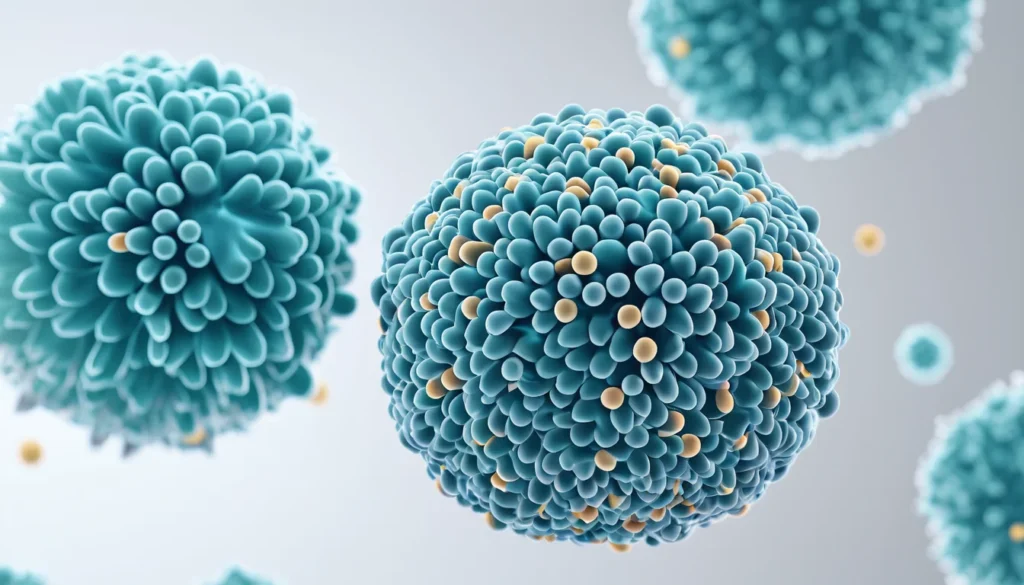
A virus is a tiny package of genetic material — either DNA or RNA — wrapped in a protein coating. Unlike living cells, a virus cannot survive or reproduce on its own. It must invade a host cell, whether from a plant, animal, or human, to copy itself and spread.
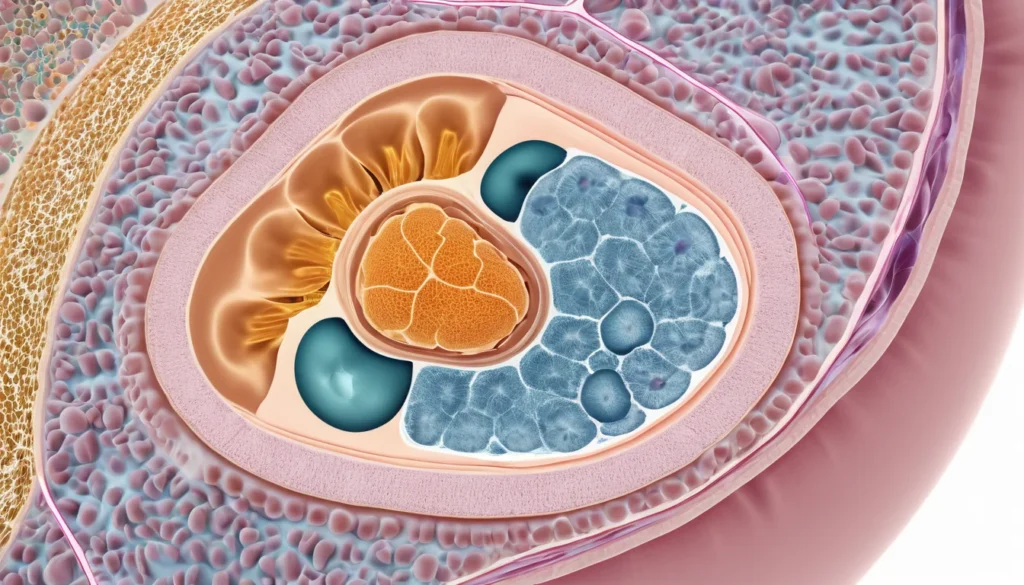
When a virus enters a human cell, it can sometimes change that cell’s genetic code. This change is called a mutation. As a result, the cell may begin to grow and divide in an uncontrolled way. Over time, this abnormal growth can develop into cancer.
Not every viral infection leads to cancer. In fact, most do not. However, certain viruses carry a higher risk than others. According to the World Health Organization, roughly 15 to 20 percent of all cancers worldwide are linked to infectious agents, including viruses.
Viruses That Cause Cancer: The Main Types
Several viruses have a well-established link to cancer development. Below, we cover the most important ones for Canadians to know about.
Human Papillomavirus (HPV)
Human papillomavirus, or HPV, is one of the most well-known viruses that cause cancer. It is the most common sexually transmitted infection in Canada. There are more than 100 known strains of HPV.
About 30 of those strains affect the genitals — both male and female. Some strains cause genital warts, while others are linked to cancer. HPV is strongly connected to cervical cancer. It is also linked to anal, vaginal, vulvar, penile, and certain throat cancers.
Recent research has shown a clear link between HPV and some types of throat and mouth cancer. Furthermore, many people carry HPV without knowing it, since the virus often causes no symptoms at all.
The good news is that a safe and effective HPV vaccine is available in Canada. Most provincial health plans cover the HPV vaccine for school-aged children, typically in Grade 4, 5, or 6 depending on your province. Adults can also ask their family doctor or visit a walk-in clinic to discuss vaccination options.
Hepatitis B and Hepatitis C
Both hepatitis B (HBV) and hepatitis C (HCV) are viruses that cause cancer — specifically, liver cancer. These viruses are highly contagious. They spread through blood, semen, and other body fluids.
Common ways people are exposed include unprotected sex, sharing needles used for intravenous drugs or tattoos, and transmission from a mother to her baby during childbirth. A hepatitis B vaccine exists and is recommended for all children in Canada. Most provincial immunisation programmes include it as part of the routine childhood vaccine schedule.
There is currently no vaccine for hepatitis C. However, very effective antiviral treatments are now available that can cure hepatitis C in most people. If you think you may have been exposed to either virus, speak with your family doctor or visit a walk-in clinic for testing. Early detection makes a real difference in outcomes.
Health Canada has detailed guidance on the hepatitis B vaccine and who should receive it.
Epstein-Barr Virus (EBV)
The Epstein-Barr virus, or EBV, is best known as the cause of mononucleosis — sometimes called “mono” or the “kissing disease.” However, EBV is also one of the viruses that cause cancer in some people.
EBV has been linked to several types of lymphoma, as well as nasopharyngeal cancer (cancer at the back of the nose and throat). It is important to note that most people infected with EBV will never develop cancer. The virus is very common and usually causes no serious long-term health problems.
EBV spreads through saliva. You can catch it by kissing an infected person, or by sharing drinks, utensils, or food. Even people without any symptoms can still pass the virus on to others.
Human Immunodeficiency Virus (HIV)
HIV does not directly cause cancer. However, HIV weakens the immune system significantly. A weakened immune system is less able to fight off other infections and stop abnormal cell growth.
As a result, people living with HIV or AIDS face a higher risk of developing certain cancers. These include Kaposi’s sarcoma, certain lymphomas, and cervical cancer. Other lifestyle factors — such as smoking, alcohol use, and genetic background — can further increase that risk.
Effective antiretroviral therapy (ART) has greatly improved the lives of people living with HIV in Canada. This treatment helps keep the immune system stronger, which in turn lowers the cancer risk. If you have questions about HIV testing or treatment, your family doctor or a sexual health clinic can help.
Less Common Viruses Linked to Cancer
Two other viruses also carry a cancer risk, though they are less well known. The first is Human T-lymphotropic virus type 1 (HTLV-1). This virus is linked to a rare type of blood cancer called adult T-cell leukaemia or lymphoma.
The second is Human Herpesvirus 8 (HHV-8). This virus is connected to Kaposi’s sarcoma, a type of cancer that affects the skin and internal organs. Both of these viruses are far less common than HPV or hepatitis in Canada.
How to Reduce Your Risk
Understanding which viruses that cause cancer exist is only useful if you also know how to protect yourself. Fortunately, there are clear and practical steps you can take.
Get vaccinated. The HPV and hepatitis B vaccines are safe, effective, and widely available across Canada. Check with your provincial health plan to see what is covered.
Practice safe sex. Using condoms consistently lowers the risk of HPV, hepatitis B, hepatitis C, and HIV transmission.
Avoid sharing needles. This includes needles used for drugs, tattoos, or piercings. Always use sterile equipment.
Get tested regularly. If you are sexually active with multiple partners, regular STI screening is important. Your family doctor or a walk-in clinic can arrange this for you.
Follow cancer screening guidelines. Cervical cancer screening (Pap tests and HPV testing) is recommended for women in Canada. Provincial guidelines vary slightly, so ask your doctor what applies to you.
Maintain a healthy lifestyle. Not smoking, limiting alcohol, and keeping a healthy weight all help your immune system stay strong.
Mayo Clinic provides a helpful overview of cancer causes and risk factors, including the role of viruses.
When to See a Doctor
If you are concerned about your exposure to any of the viruses discussed here, do not wait. Book an appointment with your family doctor as soon as possible. If you do not have a family doctor, a walk-in clinic can help with testing and referrals.
It is also worth asking your doctor whether you are up to date on the HPV and hepatitis B vaccines — especially if you were not vaccinated as a child. These vaccines are available to adults as well, and it is never too late to ask.
If you notice unusual symptoms — such as lumps, persistent fatigue, unexplained weight loss, or changes on your skin — see a doctor promptly. Early detection of cancer always leads to better outcomes. Your provincial health plan covers many screening tests, so take advantage of what is available to you.
Frequently Asked Questions
Which viruses that cause cancer are most common in Canada?
The most common viruses that cause cancer in Canada are HPV (human papillomavirus) and the hepatitis B and C viruses. HPV is the most widespread sexually transmitted infection in the country and is linked to several cancers, including cervical and throat cancer. Hepatitis B and C are strongly associated with liver cancer.
Can you prevent cancer caused by a virus?
Yes, in many cases you can significantly reduce your risk. Vaccines are available for HPV and hepatitis B, both of which are covered under most Canadian provincial health plans for children. Practising safe sex, avoiding shared needles, and getting regular screenings also lower your risk considerably.
Does HPV always lead to cancer?
No, most HPV infections do not lead to cancer. The immune system clears the virus on its own in most cases. However, certain high-risk strains of HPV can persist and, over time, increase the risk of cervical, anal, throat, and other cancers if left undetected.
Is the Epstein-Barr virus dangerous?
For most people, the Epstein-Barr virus causes only mild illness, such as mononucleosis, and does not lead to serious long-term problems. In rare cases, EBV has been linked to certain lymphomas and nasopharyngeal cancer. Most people infected with EBV will never develop cancer as a result.
Does HIV cause cancer directly?
HIV does not directly cause cancer, but it weakens the immune system in a way that raises cancer risk. People living with HIV are more vulnerable to viruses that cause cancer, such as HHV-8 and HPV. Antiretroviral therapy (ART) helps strengthen the immune system and lowers this risk significantly.
Is there a vaccine for hepatitis C in Canada?
Currently, there is no vaccine for hepatitis C in Canada or anywhere in the world. However, highly effective antiviral medications can now cure hepatitis C in most people. If you think you may have been exposed, speak with your family doctor or visit a walk-in clinic for a simple blood test.
Key Takeaways
Several viruses that cause cancer are well established by science, including HPV, hepatitis B and C, Epstein-Barr virus, and HIV.
These viruses work by changing the genetic material inside human cells, which can lead to uncontrolled cell growth and cancer.
HPV is the most common virus linked to cancer in Canada and is preventable with a vaccine available through most provincial health programmes.
Hepatitis B is also vaccine-preventable, while hepatitis C can now be cured with modern antiviral treatments.
Not everyone infected with these viruses will develop cancer — but knowing your risks empowers you to take action.
Talk to your family doctor or visit a walk-in clinic to discuss vaccinations, screenings, and testing that may apply to you.
This article is for informational purposes only. Always consult your family doctor or a qualified healthcare provider before making decisions about your health, vaccinations, or cancer screening.