Viral infections are among the most common health challenges Canadians face every year. From the seasonal flu to cold sores to more serious conditions like hepatitis, viruses affect millions of people across every province. Understanding what a virus is, how it spreads, and how your body responds can help you stay healthier and know when to seek care.
What Is a Virus?
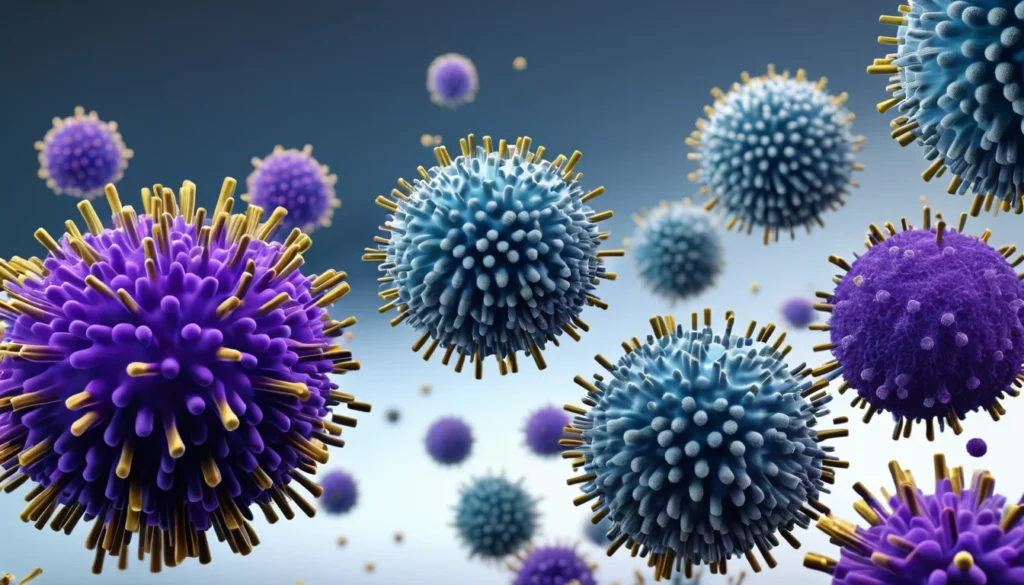
A virus is an incredibly tiny infectious agent — far too small to see under a regular microscope. Most viruses measure between 12 and 300 nanometres, which is many times smaller than a single bacterium. To put that in perspective, you could line up thousands of them across the width of a human hair.
Every virus is made up of genetic material — either DNA or RNA — wrapped inside a protective protein shell called a capsid. Some viruses also have an extra outer layer made of lipoproteins (fats and proteins combined), which helps them attach to and enter human cells.
Viruses are unique because they sit right on the border between living and non-living matter. Unlike bacteria or fungi, viruses have no metabolism of their own. They cannot produce energy or reproduce by themselves. Instead, they invade living cells and hijack those cells to make copies of themselves.
How Viral Infections Affect Your Body
Once a virus enters your body, it targets specific cells and tissues. Different viruses prefer different parts of the body. For example, influenza (the flu) targets your respiratory tract, while the hepatitis virus attacks liver cells. HIV, the virus that causes AIDS, targets immune cells in your blood and lymph nodes.
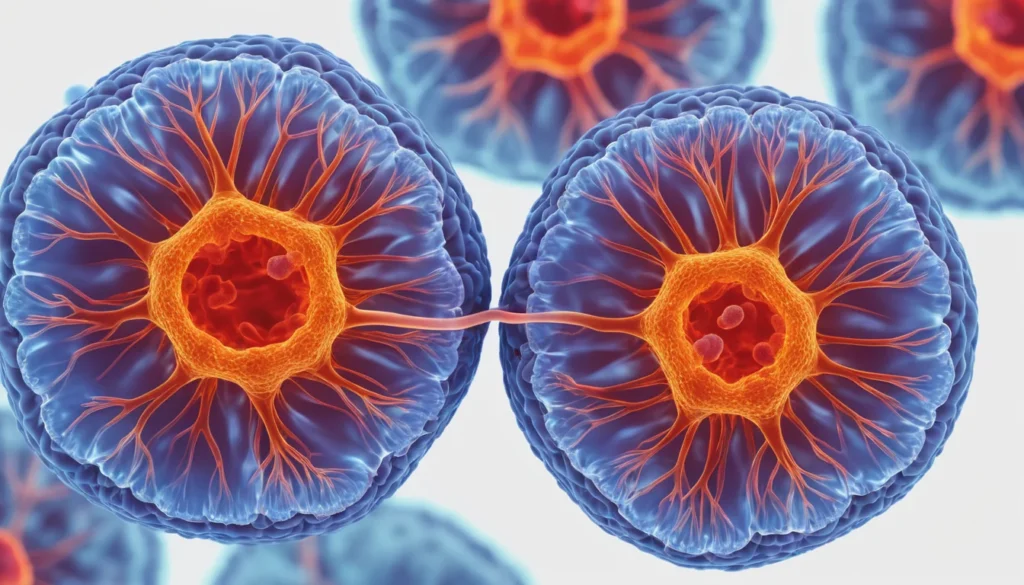
After a virus enters a cell, it takes over the cell’s functions. The cell is forced to produce new copies of the virus instead of doing its normal job. This process can damage or even destroy the infected cell.
Types of Viral Cell Infections
Not every viral infection causes the same kind of damage. In fact, viruses can affect cells in several different ways:
Acute and cytolytic infection: The virus rapidly multiplies and destroys the cell. This is what happens with many common viral infections.
Persistent or chronic infection: The virus stays in the body long-term, causing ongoing damage. Hepatitis B and C work this way.
Latent infection: The virus hides in the body and reactivates later. The herpes virus behaves this way — it can lie dormant for years before causing a flare-up.
Transforming infection: In rare cases, a virus can change a cell’s genetic information and turn it into a cancer cell. These are called oncogenic viruses.
Furthermore, viruses can infect virtually any living organism — humans, animals, plants, and even bacteria. However, each virus species is highly adapted to specific hosts and specific tissues within those hosts.
How Viral Infections Spread
Viral infections spread through several different routes, depending on the type of virus. Understanding how transmission works is one of the best ways to protect yourself and your family.
Respiratory and Digestive Transmission
Many common viral infections spread through the air or through contaminated food and water. When an infected person coughs or sneezes, tiny droplets carrying the virus are released into the air. Influenza and the common cold spread this way. Polio, on the other hand, spreads through contaminated water and food.
Skin and Mucous Membrane Transmission
Some viruses enter the body through small breaks in the skin or through mucous membranes — the moist linings of the eyes, nose, mouth, and genitals. For example, the herpes virus spreads through direct skin-to-skin contact. Conjunctivitis (pink eye) can also spread through contact with infected secretions.
In addition, some viruses spread through animal bites or insect stings. Rabies, for instance, is transmitted through the bite of an infected animal. In Canada, rabies can be found in bats, foxes, raccoons, and skunks, so any animal bite should be taken seriously.
Sexual and Blood-Borne Transmission
Certain viral infections spread through sexual contact or through exposure to infected blood. HIV, hepatitis B, and hepatitis C all spread this way. Sharing needles, receiving unscreened blood products, or having unprotected sex can all increase your risk. However, Canada’s blood supply is carefully screened, making transfusion-related transmission very rare.
For more information on how viruses spread and how to protect yourself, visit the Health Canada official website.
How Your Immune System Fights Viral Infections
Your immune system is your body’s natural defence against viral infections. When a virus invades, your immune system gets to work right away. White blood cells identify the virus as a foreign invader and begin attacking it.
Many viruses trigger the production of antibodies — proteins that specifically target and neutralize that virus. Once your body makes these antibodies, it often remembers how to make them again. As a result, if the same virus tries to infect you again, your immune system can fight it off much faster.
Immunity and Immunizing Illnesses
Some viral infections provide long-lasting immunity after you recover. Measles, rubella (German measles), and polio are good examples. Once you have had these illnesses — or been vaccinated against them — your body retains the antibodies needed to block future infections. These are sometimes called immunizing illnesses.
Vaccination works by teaching your immune system to recognize a virus without you having to get sick first. Canada has strong publicly funded vaccination programmes through provincial health plans. Vaccines are available for influenza, measles, hepatitis B, HPV, COVID-19, and many other viral infections. Check with your provincial health authority to find out which vaccines are covered in your area.
According to the World Health Organization (WHO), vaccines prevent 2 to 3 million deaths worldwide every year.
Diagnosing and Treating Viral Infections
Diagnosing a viral infection is not always straightforward. Your doctor may use several approaches, depending on your symptoms and medical history.
How Viral Infections Are Diagnosed
One common method is serology — a blood test that looks for antibodies your immune system has made in response to a specific virus. Higher antibody levels suggest your body has been exposed to or is actively fighting a viral infection.
Doctors can also use molecular biology methods, such as PCR (polymerase chain reaction) tests, to detect the virus’s genetic material directly in samples of blood, urine, or saliva. You may recognize this method from COVID-19 testing. These tests are very accurate and can identify a virus even very early in an infection.
Treatment Options for Viral Infections
Treatment depends on the specific virus and how serious the infection is. For many common viral infections, treatment focuses on managing symptoms — rest, fluids, and over-the-counter medications to reduce fever or relieve congestion.
However, antiviral medications are available for certain viral infections. For example, acyclovir is used to treat herpes zoster (shingles) and other herpes-related infections. Antiretroviral therapy (ART) is used to manage HIV and has transformed it from a fatal illness into a manageable chronic condition for most Canadians living with the virus.
It is important to note that antibiotics do not work against viral infections. Antibiotics only target bacteria. Taking antibiotics for a viral illness — like the flu or a common cold — will not help and may contribute to antibiotic resistance. Always follow your doctor’s advice about which treatment is appropriate.
For a detailed overview of antiviral treatments, Mayo Clinic’s antiviral medication guide is a helpful resource.
Prevention Is the Best Medicine
The most effective approach to viral infections is prevention. Vaccination, when available, is by far the best protection against serious viral diseases. In addition, good hand hygiene, avoiding close contact with sick individuals, and practising safe sex all reduce your risk significantly.
During cold and flu season, Canadians are encouraged to get their annual flu shot. Most provincial health plans cover the flu vaccine at no cost. Ask your pharmacist or family doctor about what is available in your province.
When to See a Doctor
Most mild viral infections — like the common cold — will resolve on their own within a week or two. However, some symptoms are a sign that you need medical attention right away.
See your family doctor or visit a walk-in clinic if you experience any of the following:
A high fever (above 39°C / 102.2°F) that does not come down with medication
Difficulty breathing or shortness of breath
Symptoms that last longer than 10 days or keep getting worse
Severe headache, stiff neck, or confusion
Rash that spreads quickly or does not improve
Signs of dehydration, especially in children or older adults
Any animal bite that may carry a risk of rabies
If you are unsure whether your symptoms require a visit, you can also call Health811 (811) in most provinces to speak with a registered nurse any time of day or night. This free service is available across much of Canada and can help you decide on the right next step.
Always consult a qualified healthcare provider for personal medical advice. The information in this article is for general educational purposes only and does not replace the guidance of your doctor or nurse practitioner.
Frequently Asked Questions About Viral Infections
What is the difference between a viral infection and a bacterial infection?
Viral infections are caused by viruses, which need to invade living cells to reproduce, while bacterial infections are caused by bacteria, which are living organisms that can reproduce on their own. One key difference is that antibiotics can treat bacterial infections but have no effect on viral infections. Your doctor can help determine which type of infection you have and recommend the right treatment.
How long do viral infections last?
Most common viral infections, like colds or the flu, last between 7 and 14 days. However, some viral infections — such as hepatitis B or C or HIV — can become chronic and last for years or even a lifetime without proper treatment. If your symptoms are not improving after 10 days, it is a good idea to check in with your family doctor or a walk-in clinic.
Can viral infections be cured with antibiotics?
No — antibiotics only work against bacteria and are completely ineffective against viral infections. Taking antibiotics unnecessarily can actually cause harm by contributing to antibiotic resistance, which is a growing public health concern in Canada. Always follow your healthcare provider’s advice before starting any medication.
How can I prevent getting a viral infection?
The most effective way to prevent many viral infections is through vaccination, and most routine vaccines are covered under provincial health plans across Canada. In addition, frequent handwashing, avoiding touching your face, practising safe sex, and staying home when you are sick all help reduce the spread of viral infections. During flu season, getting your annual flu shot is strongly recommended.
Are viral infections contagious?
Many viral infections are contagious, but not all of them spread the same way. Some, like the flu or COVID-19, spread easily through the air via respiratory droplets. Others, like hepatitis B or HIV, spread only through direct contact with blood or bodily fluids. Understanding how a specific viral infection spreads helps you take the right precautions.
Can viruses cause cancer?
Yes — certain viruses, known as oncogenic viruses, can alter a cell’s genetic information and trigger the development of cancer. Human papillomavirus (HPV) is a well-known example and is linked to cervical cancer and other cancers. In Canada, the HPV vaccine is part of publicly funded school-based immunization programmes in all provinces and territories, and it significantly reduces the risk of HPV-related cancers.
Key Takeaways
Viruses are microscopic agents that cannot reproduce on their own — they must invade living cells to multiply.
Viral infections spread through many routes, including the air, direct contact, sexual activity, and blood exposure.
Your immune system fights viral infections by producing antibodies. Some illnesses and vaccines provide long-lasting protection.
Antibiotics do not treat viral infections. Antiviral medications exist for specific viruses, such as shingles and HIV.
Vaccination is the most powerful tool for preventing serious viral infections. Most routine vaccines are covered by provincial health plans in Canada.
See your family doctor, a walk-in clinic, or call 811 if your symptoms are severe, worsening, or lasting longer than expected.
Always speak with a qualified healthcare provider for advice tailored to your personal health situation.