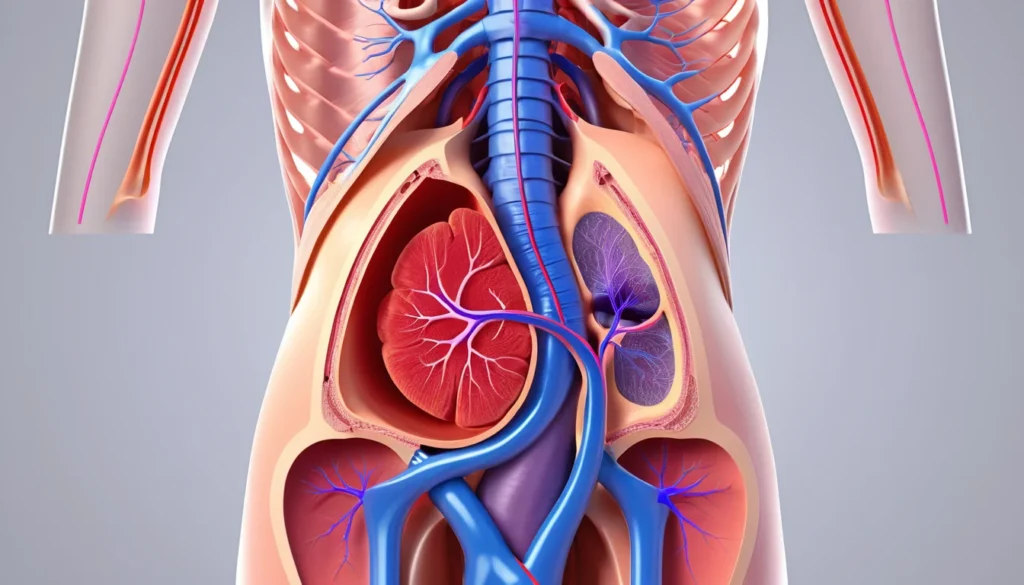
Venous thromboembolism is a serious medical condition that affects thousands of Canadians every year. It combines two related conditions: deep vein thrombosis (DVT) and pulmonary embolism. A blood clot forms in a deep vein — most often in the leg — and can break free, travel to the lungs, and become life-threatening. Understanding the signs, risk factors, and prevention steps can save your life.
What Is Venous Thromboembolism?
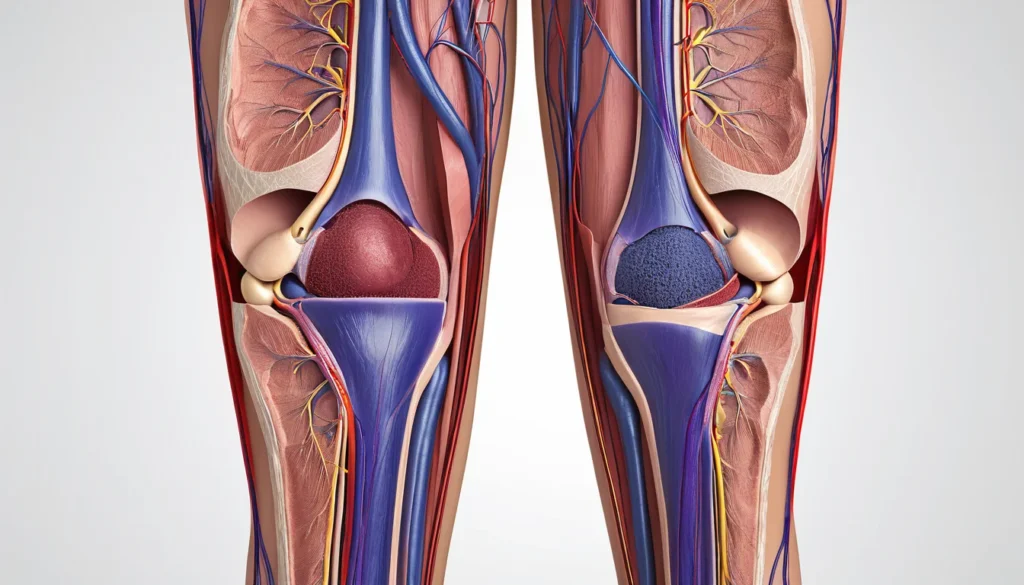
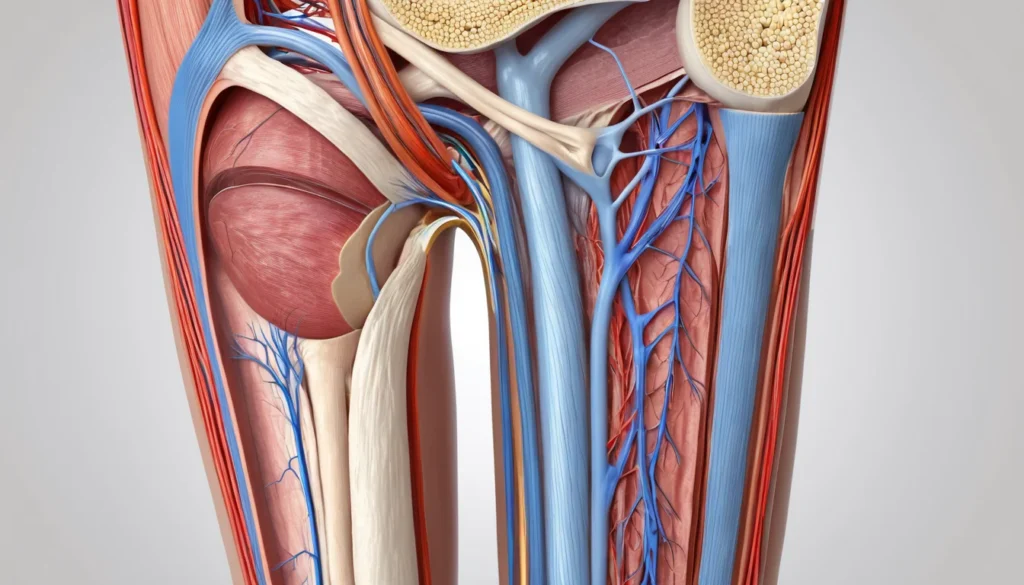
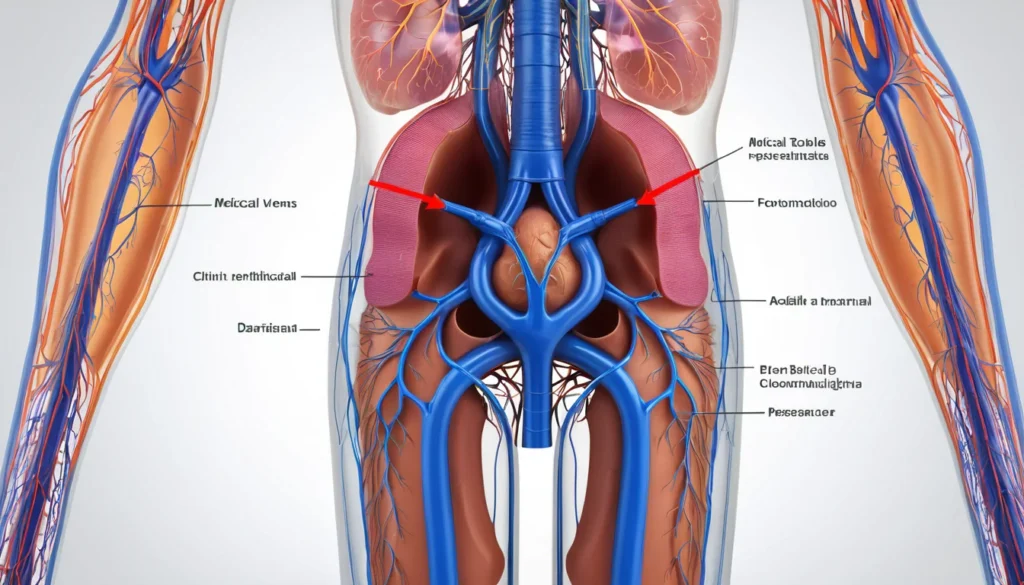
Venous thromboembolism happens when a deep vein becomes partly or fully blocked by a blood clot. This most often occurs in the legs. The deep veins in your legs sit surrounded by strong muscles that squeeze blood upward toward your heart and lungs.
Tiny valves inside these veins keep blood flowing in one direction only. However, when blood flow slows down due to illness, injury, or inactivity, blood can pool and form a clot. If that clot breaks loose, it can travel through your bloodstream to your lungs — a condition called pulmonary embolism, which can be fatal.
Deep Vein Thrombosis: What You Need to Know
Deep vein thrombosis (DVT) refers to a blood clot — called a thrombus — forming deep inside the veins of your legs. DVT is serious on its own, but it becomes far more dangerous if the clot travels to the lungs. In fact, one in 100 people diagnosed with DVT will die from related complications.
Post-thrombotic syndrome is a long-term consequence of DVT. It occurs when blood clots remain in the leg and cause permanent damage to the veins and their valves. As a result, blood pools abnormally in the leg, leading to chronic pain, swelling, fatigue, and severe skin ulcers.
Contrary to popular belief, blood thinners (anticoagulants) do not dissolve existing clots. They only prevent new clots from forming. Over time, the affected vein can deteriorate significantly. More than 60 to 70 percent of DVT patients develop long-term complications, sometimes within just two months of diagnosis.
There is growing evidence that a procedure called catheter-directed interventional thrombolysis — which physically removes the clot — can improve quality of life in select DVT cases. This may help prevent the debilitating effects of post-thrombotic syndrome. Talk to your doctor about whether this option is right for you. You can also read more about deep vein thrombosis causes and symptoms at the Mayo Clinic.
Risk Factors for Venous Thromboembolism
Several factors raise your risk of developing venous thromboembolism. Some are lifestyle-related, while others are medical or genetic. Knowing your risk factors helps you take action early.
Lifestyle and Medical Risk Factors
Long-distance air travel
Obesity
High blood pressure
Smoking
Recent surgery or immobility
Physical trauma or injury to the limbs
Hormonal therapy or oral contraceptives
Pregnancy or the postpartum period
Age over 40
Active or previous cancer
Clotting disorders
Previous DVT or a family history of DVT
Certain chronic conditions also increase your risk significantly. These include chronic obstructive pulmonary disease (COPD), congestive heart failure, and cancer. If you have any of these conditions, speak with your family doctor about monitoring your vascular health regularly.
Genetic Risk Factors
Some people inherit a tendency to form blood clots more easily. This is called a prothrombotic or thrombophilic state. Genetic tests can identify specific mutations, such as Factor V Leiden or the prothrombin gene mutation, that raise your clotting risk. If clotting disorders run in your family, ask your doctor whether genetic testing is appropriate for you.
Symptoms of Venous Thromboembolism
Recognising the symptoms of venous thromboembolism early is critical. DVT and pulmonary embolism each have their own warning signs. In some cases, there are no obvious symptoms at all, which makes this condition especially dangerous.
Symptoms of Deep Vein Thrombosis
Swelling in one leg or lower limb
Cramping, pain, or tenderness in the calf
Skin discolouration in the affected leg
Warm skin over the affected area
More visible surface veins than usual
A feeling of heaviness or fatigue in the leg
DVT in the upper body can also occur. In these cases, you may notice unexplained swelling in your arm or neck. Furthermore, if your leg cramping steadily worsens over several days, do not ignore it — seek medical attention promptly.
Symptoms of Pulmonary Embolism
When a clot reaches the lungs, it blocks oxygen supply and can cause the heart to fail. Symptoms of pulmonary embolism can look similar to other heart or breathing problems, which can make diagnosis tricky.
Sudden shortness of breath
Rapid heartbeat
Sweating
Sharp chest pain
Coughing up blood
Feeling faint or losing consciousness
If you experience any of these symptoms, call 911 immediately. Pulmonary embolism is a medical emergency. With early treatment, people with DVT can reduce their risk of developing a pulmonary embolism to less than one percent. Learn more from Health Canada’s official health resources.
How Is Venous Thromboembolism Diagnosed?
DVT most commonly affects the veins of the calf. It often starts as a persistent cramp that grows worse over a few days. Your leg may also swell and change colour. These are signs to take seriously.
The most common non-invasive diagnostic tool is an ultrasound imaging test. This painless scan helps doctors locate the clot and assess how serious it is. In some cases, additional blood tests or imaging may be needed. Your family doctor or a specialist at a hospital or walk-in clinic can arrange these tests through your provincial health plan.
How to Prevent Venous Thromboembolism
The good news is that many cases of venous thromboembolism are preventable. Maintaining a healthy weight through good nutrition and regular physical activity reduces your overall clotting risk. Small daily habits make a meaningful difference.
Healthy Lifestyle Habits
Walk, jog, cycle, or swim regularly to keep blood moving
Limit calorie intake and avoid saturated fats
Stay well hydrated, especially during air travel
Wear compression stockings on long flights
Avoid alcohol during long-haul travel
Monitor your blood pressure regularly and report high readings to your doctor
Share your family’s health history with your doctor
Quitting Smoking
Smoking significantly raises your risk of blood clots. However, quitting is one of the most powerful things you can do for your vascular health. Nicotine patches, gum, and sprays are widely available across Canada. In addition, prescription medications like bupropion may help — ask your family doctor or pharmacist for guidance.
For more prevention strategies, visit Healthline’s guide to DVT prevention.
When to See a Doctor
If you notice leg swelling, persistent cramping, or skin discolouration, do not wait. Visit your family doctor or a walk-in clinic as soon as possible. Most provincial health plans cover the diagnostic tests needed to rule out DVT.
If you experience sudden chest pain, trouble breathing, or feel faint, call 911 right away. These may be signs of a pulmonary embolism, which requires emergency care. Early treatment dramatically improves outcomes, so acting quickly is essential.
Always speak with a qualified healthcare provider before making changes to your health routine. This article is for informational purposes only and is not a substitute for professional medical advice.
Frequently Asked Questions About Venous Thromboembolism
What is the difference between DVT and venous thromboembolism?
Venous thromboembolism is an umbrella term that includes both deep vein thrombosis (DVT) and pulmonary embolism. DVT refers specifically to a blood clot in a deep vein, usually in the leg. When that clot travels to the lungs, it becomes a pulmonary embolism — the more dangerous stage of venous thromboembolism.
Can venous thromboembolism be cured?
Venous thromboembolism can be treated effectively, especially when caught early. Blood thinners (anticoagulants) are the most common treatment and help prevent new clots from forming. In some cases, procedures to physically remove the clot may be recommended by a specialist.
How do I know if I have a blood clot in my leg?
Common signs of a blood clot in the leg include swelling, cramping or tenderness in the calf, skin discolouration, and warmth in the affected area. However, some clots cause no symptoms at all. If you are concerned, visit your family doctor or a walk-in clinic for an ultrasound test.
Is venous thromboembolism common in Canada?
Yes, venous thromboembolism affects a significant number of Canadians each year, particularly those over 40 or with risk factors such as obesity, smoking, or recent surgery. It is one of the leading causes of preventable hospital deaths in Canada. Awareness and early intervention are key to reducing its impact.
Can flying on an airplane cause a blood clot?
Long-haul flights are a known risk factor for venous thromboembolism, particularly DVT. Sitting still for many hours slows blood flow in the legs. To lower your risk, stay hydrated, walk the aisle when possible, wear compression stockings, and avoid alcohol during the flight.
What foods or habits help prevent blood clots?
Staying active, drinking plenty of water, and eating a diet low in saturated fats all help reduce your risk of venous thromboembolism. Quitting smoking and maintaining a healthy weight are also strongly recommended. Always discuss specific dietary or lifestyle changes with your family doctor before starting.
Key Takeaways
Venous thromboembolism includes both deep vein thrombosis and pulmonary embolism.
Blood clots form most often in the deep veins of the legs and can become fatal if they reach the lungs.
Risk factors include long flights, obesity, smoking, surgery, hormonal therapy, and genetic clotting disorders.
Key symptoms include leg swelling, cramping, skin discolouration, shortness of breath, and chest pain.
Ultrasound is the most common diagnostic tool; tests are generally covered by provincial health plans.
Prevention includes staying active, quitting smoking, staying hydrated, and wearing compression stockings during travel.
See your family doctor or visit a walk-in clinic if you notice symptoms. Call 911 immediately for chest pain or breathing difficulty.