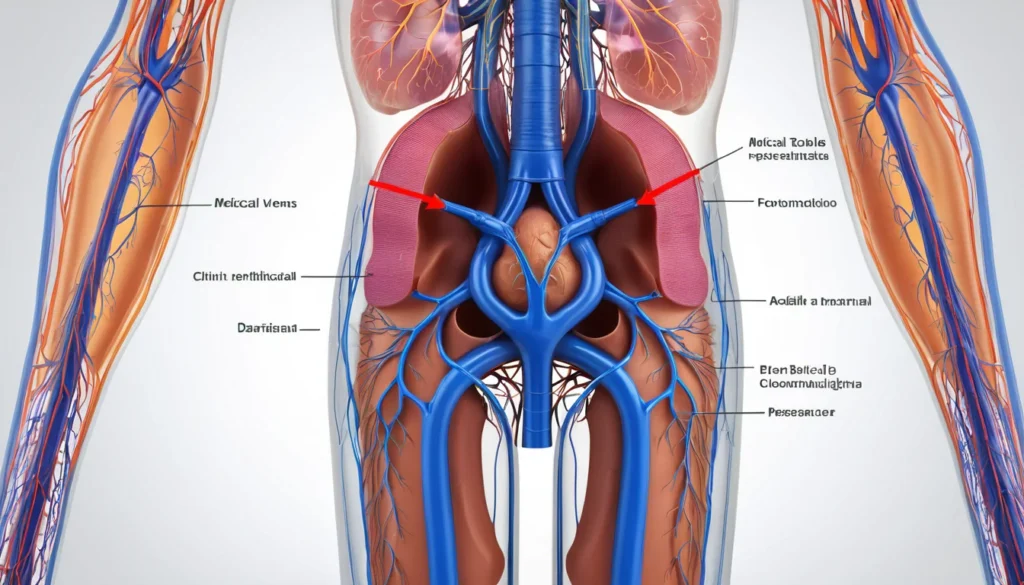
Venous thromboembolism (VTE) is a serious blood clotting condition that affects thousands of Canadians every year. It includes two related conditions: deep vein thrombosis (DVT) and pulmonary embolism (PE). Understanding the signs, causes, and risks can help you protect yourself and your loved ones. With the right information and timely medical care, VTE is often preventable and treatable.
What Is Venous Thromboembolism?
Your blood needs to flow freely through your veins and arteries to keep you healthy. Sometimes, however, an abnormal blood clot forms inside a vein and blocks that flow. This is what doctors call venous thromboembolism.
VTE covers two specific conditions. Deep vein thrombosis (DVT) is a clot that forms in a deep vein, usually in the leg. Pulmonary embolism (PE) happens when that clot breaks free and travels to the lungs. PE is the more dangerous of the two and can be life-threatening.
According to Health Canada, blood clot disorders are among the leading causes of preventable death in hospital settings. Early diagnosis and treatment are critical.
How Do Blood Clots Form?
When you cut yourself, your blood naturally clots to stop the bleeding. This is a healthy and necessary process. However, sometimes the body’s clotting system gets out of balance.
When the clotting system is overactive, it can form clots inside healthy blood vessels. These are called pathological clots, or thrombosis. There are three main reasons this can happen:
Hypercoagulability: The blood clots more easily than it should. This can be caused by certain medications, genetic conditions, or cancer.
Slowed blood flow: When you sit still for a long time — for example, on a flight longer than four hours — blood can pool and clot in the legs.
Vein wall damage: Injury to the inner lining of a vein, sometimes caused by surgery, diabetes, or infection, can trigger clot formation.
Understanding these three triggers helps explain why certain people face a higher risk of developing venous thromboembolism.
Deep Vein Thrombosis (DVT): What You Need to Know
DVT is the most common form of venous thromboembolism. It usually forms in the deep veins of the lower leg, calf, or pelvis. In rare cases, DVT can also develop in the veins of the arms.
There are two main types based on location. A distal DVT forms in the calf area. A proximal DVT forms at or above the knee. Proximal DVT is more serious because the clot is closer to the heart and lungs. In about one in five cases, a calf clot can extend upward into the thigh.
In developed countries, DVT affects roughly one in 1,000 people each year. It is most common in hospital patients, but it also occurs in people who take long flights or road trips.
Symptoms of DVT
Many small clots cause no symptoms at all. The body often breaks them down on its own without any long-term effects. However, when a clot is large enough to partly or fully block blood flow, you may notice the following:
Swelling in part or all of the leg, often around the ankle. If the entire leg swells, the clot may be higher up in the thigh.
Pain or tenderness that gets worse when you stand or walk.
Skin colour changes — the affected area may look red, blue, or purple.
Warmth in the lower leg or foot compared to the other leg.
These symptoms can sometimes look like a muscle strain or sprain. Therefore, it is important not to ignore them, especially if you have recently had surgery, been on bed rest, or taken a long trip.
Complications of DVT
DVT does not always stay contained. In some cases, it leads to further health problems. The most common complication is post-thrombotic syndrome, which affects about 50% of people with symptomatic DVT.
Symptoms of post-thrombotic syndrome include:
Chronic pain and heaviness in the leg
Persistent swelling
Skin discolouration in the affected limb
Fluid retention
In severe cases (about 15%), open leg ulcers
These symptoms tend to get worse with activity, such as walking or standing for long periods. Furthermore, DVT can also cause thrombophlebitis, which is inflammation of the vein wall. This often occurs alongside other health conditions that damage the vein lining.
Pulmonary Embolism: When a Clot Reaches the Lungs
Pulmonary embolism (PE) is the most dangerous complication of venous thromboembolism. It happens when a blood clot breaks away from a deep vein and travels through the bloodstream to the lungs. There, it blocks one or more of the pulmonary arteries.
Unlike DVT, which forms in veins, PE affects the arteries in the lungs. This distinction matters because arterial blockages restrict the flow of oxygen-rich blood more severely.
Symptoms of Pulmonary Embolism
PE is a medical emergency. If you or someone you know experiences any of the following symptoms, call 911 immediately:
Sudden shortness of breath that has no clear cause
Chest pain that may feel sharp or stabbing, especially when breathing deeply
Coughing up blood
Rapid heartbeat or lightheadedness
As a result of these symptoms, many people mistake PE for a heart attack. However, the underlying cause and treatment are different. Do not wait to seek help — PE can be fatal within hours if untreated.
For a detailed overview of pulmonary embolism symptoms and diagnosis, visit the Mayo Clinic’s guide to pulmonary embolism.
Who Is at Risk for Venous Thromboembolism?
Venous thromboembolism can affect anyone, but certain factors raise your risk significantly. Knowing your personal risk can help you and your doctor take preventive steps.
Common risk factors include:
Recent surgery, especially hip or knee replacement
Prolonged immobility — long flights, bed rest, or a sedentary lifestyle
Cancer or cancer treatment
Pregnancy and the postpartum period
Hormonal birth control or hormone replacement therapy
Obesity
Older age — risk increases after age 40
A personal or family history of blood clots
Certain chronic conditions such as diabetes, heart disease, or inflammatory bowel disease
Smoking
In addition, some people carry genetic mutations — such as Factor V Leiden — that make their blood clot more easily. Your family doctor can order a blood test if you have a strong family history of clotting disorders.
The World Health Organization’s fact sheet on DVT and pulmonary embolism provides additional guidance on global risk factors and prevention strategies.
How Is Venous Thromboembolism Diagnosed and Treated?
If your doctor suspects VTE, they will likely start with a physical exam and a review of your symptoms and medical history. From there, several tests can confirm the diagnosis.
Common diagnostic tests include:
Ultrasound: The most common test for DVT. It uses sound waves to check blood flow in the leg veins.
D-dimer blood test: Measures a substance released when a clot breaks down. A high level may suggest a clot, though it is not specific on its own.
CT pulmonary angiography: A specialized scan used to detect PE in the lungs.
Treatment for venous thromboembolism usually involves blood thinners, also called anticoagulants. These medications do not dissolve an existing clot, but they prevent it from growing and reduce the risk of new clots forming. Common options include heparin injections and oral medications such as rivaroxaban or warfarin.
In more severe cases — such as a massive PE — doctors may use thrombolytic therapy (clot-busting drugs) or surgical procedures to remove the clot. Your treatment plan depends on where the clot is, how serious it is, and your overall health.
When to See a Doctor
If you notice swelling, pain, or redness in one leg — especially after a long trip or surgery — do not ignore it. These could be signs of DVT. Contact your family doctor or visit a walk-in clinic as soon as possible.
If you experience sudden chest pain, difficulty breathing, or cough up blood, call 911 right away. These are signs of a possible pulmonary embolism and require emergency care. Do not drive yourself to the hospital.
Many provincial health plans in Canada cover the tests and treatments used for VTE. Your family doctor can refer you to a specialist or arrange testing through your provincial health system. If you do not have a family doctor, a walk-in clinic can assess your symptoms and arrange urgent referrals when needed.
Always speak with a qualified healthcare provider before making any decisions about your health. This article provides general information only and is not a substitute for professional medical advice.
Frequently Asked Questions About Venous Thromboembolism
What is the difference between DVT and venous thromboembolism?
Venous thromboembolism (VTE) is an umbrella term that covers two conditions: deep vein thrombosis (DVT) and pulmonary embolism (PE). DVT is a blood clot in a deep vein, usually in the leg, while PE occurs when that clot travels to the lungs. In other words, DVT is one type of VTE.
Can venous thromboembolism be prevented?
Yes, in many cases venous thromboembolism can be prevented. Staying active, avoiding long periods of immobility, staying hydrated, and managing conditions like obesity or diabetes all help reduce your risk. People at high risk — for example, after major surgery — may receive blood thinners as a preventive measure.
How long does it take for a blood clot to go away with treatment?
With proper treatment, most blood clots caused by venous thromboembolism begin to shrink within a few weeks. However, anticoagulant therapy typically continues for three to six months, or longer in some cases. Your doctor will determine the right duration based on your individual situation.
Is venous thromboembolism common in Canada?
VTE affects approximately one in 1,000 Canadians each year, making it one of the more common serious vascular conditions. It is particularly common among hospitalized patients, older adults, and those who have recently had surgery. Awareness and prevention are key priorities in Canadian healthcare settings.
What does a blood clot in the leg feel like?
A blood clot in the leg, or DVT, often causes swelling, pain, warmth, and redness in the affected area. Some people describe it as a cramping or aching feeling that gets worse when standing or walking. However, some clots cause no symptoms at all, which is why knowing your risk factors is so important.
Can flying cause venous thromboembolism?
Long flights — generally those lasting more than four hours — can increase your risk of developing venous thromboembolism, particularly DVT. Sitting still for extended periods slows blood flow in the legs. To reduce your risk, get up and walk when possible, stay hydrated, and wear compression stockings if your doctor recommends them.
Key Takeaways
Venous thromboembolism (VTE) includes deep vein thrombosis (DVT) and pulmonary embolism (PE).
DVT is a blood clot in a deep vein, usually in the leg. PE is a life-threatening complication where the clot travels to the lungs.
Common symptoms of DVT include leg swelling, pain, warmth, and skin colour changes.
PE symptoms — such as chest pain, breathlessness, or coughing blood — are a medical emergency. Call 911.
Risk factors include surgery, long immobility, cancer, pregnancy, obesity, and genetic clotting disorders.
Treatment usually involves blood thinners (anticoagulants). Early diagnosis greatly improves outcomes.
If you suspect a blood clot, contact your family doctor or visit a walk-in clinic. For emergency symptoms, call 911 immediately.
Always consult a healthcare professional for advice specific to your health needs.