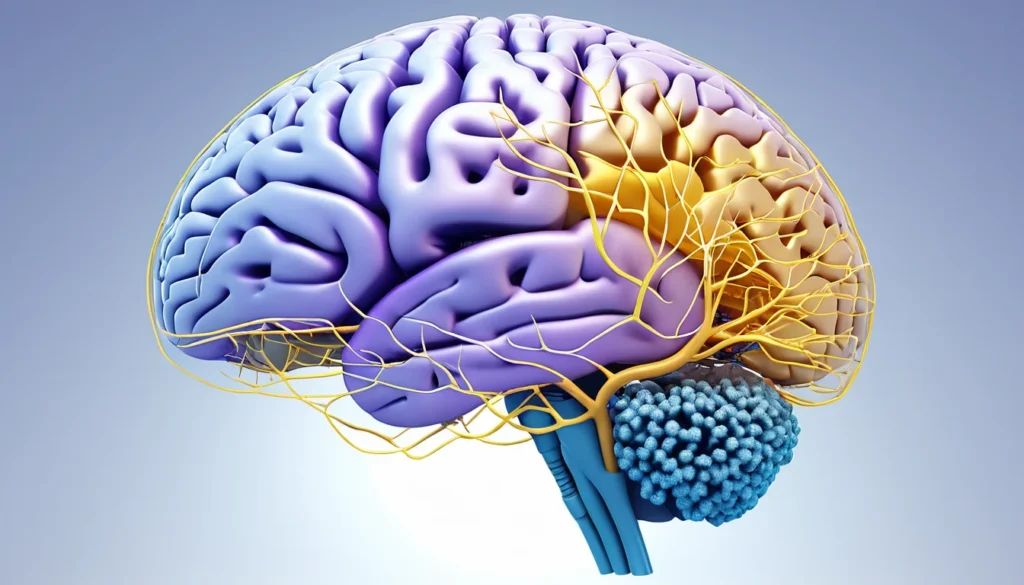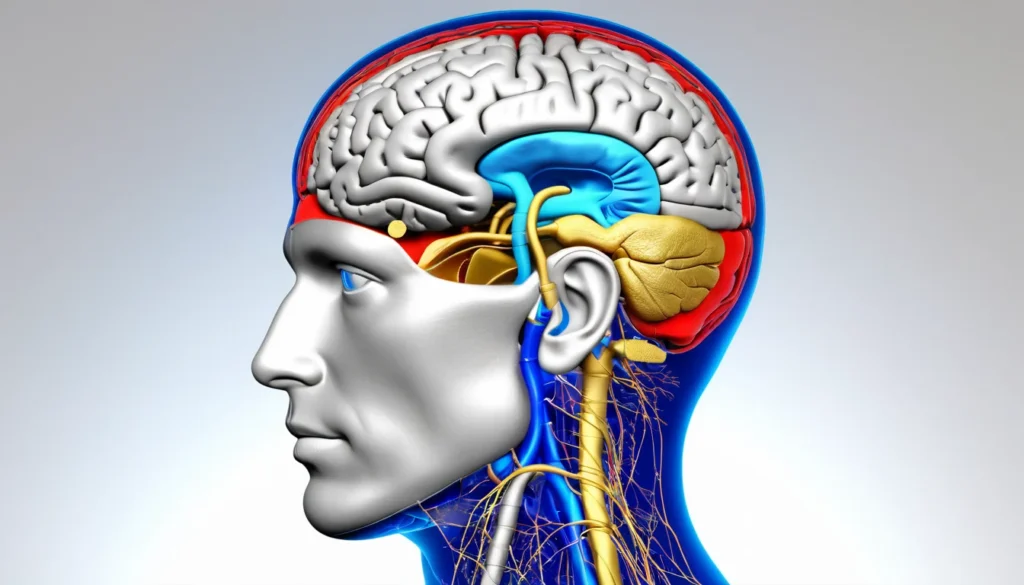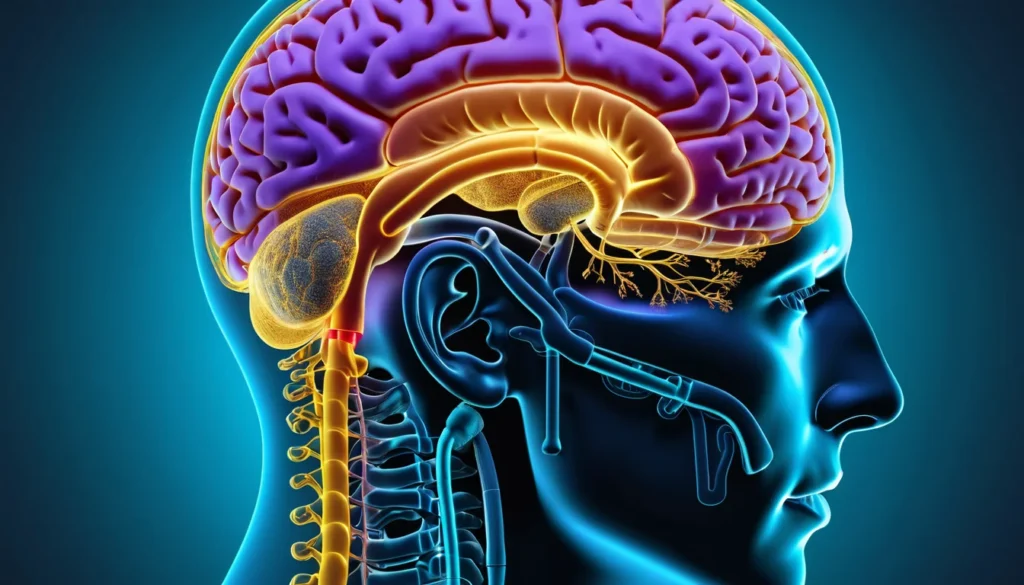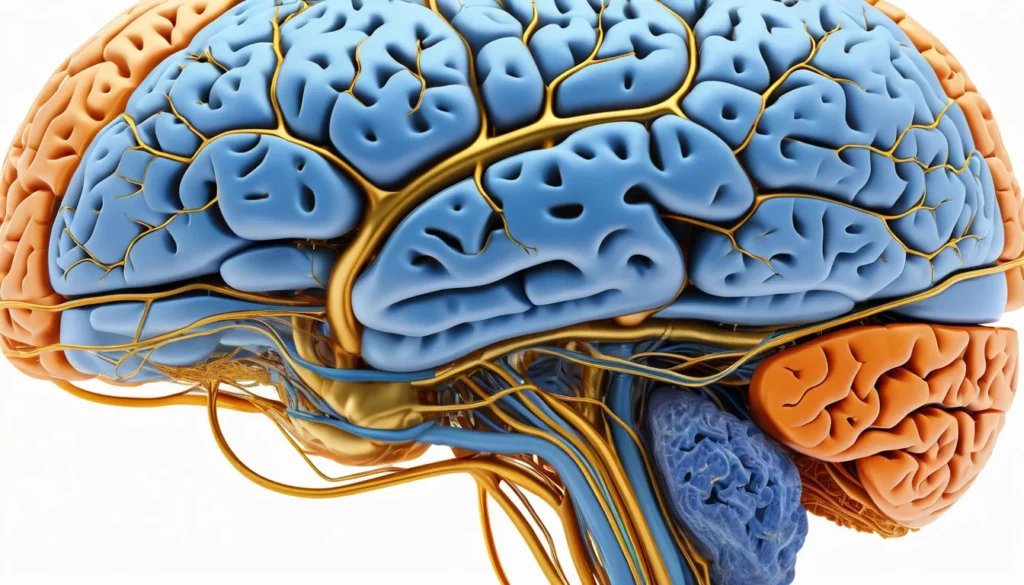
Vascular dementia is the second most common form of dementia in Canada, after Alzheimer’s disease. It happens when reduced blood flow damages brain cells, often after a stroke or a series of small strokes. Understanding the warning signs and risk factors can help you and your family take action early. This article explains what vascular dementia is, what to watch for, and what steps may help slow its progression.
What Is Vascular Dementia?
Vascular dementia refers to a gradual decline in memory and thinking skills. It occurs when blood flow carrying oxygen and nutrients to the brain is blocked or reduced. When brain cells are starved of blood for even a few seconds, they can begin to die.
This damage often affects the cortex — the part of the brain responsible for learning, memory, and language. Depending on the severity of the stroke or blockage, symptoms can appear suddenly or develop slowly over time.
Currently, there is no known cure for vascular dementia. However, certain lifestyle changes and practical strategies may help prevent further strokes and slow the condition’s progression. That is encouraging news for both patients and caregivers.
The Most Common Type: Multi-Infarct Dementia
The most frequently seen form is called multi-infarct dementia. It is caused by a series of small, often unnoticed strokes known as transient ischaemic attacks (TIAs), or “mini-strokes.” These brief episodes can cause temporary vision problems or short periods of confusion.
Over time, the affected areas of the brain accumulate damage. As a result, symptoms of vascular dementia gradually begin to appear. Many people are not even aware they have had these small strokes until a doctor reviews their history.
Symptoms of Vascular Dementia
Vascular dementia affects people in different ways. The speed at which symptoms develop also varies from person to person. Some symptoms overlap with other types of dementia, which is why a proper diagnosis from a healthcare professional is essential.
In general, symptoms tend to show up as difficulty completing everyday tasks — things like eating, getting dressed, or shopping. A major stroke may cause symptoms to appear suddenly, while multiple small strokes may lead to a slower, step-by-step decline.
Mental and Emotional Symptoms
The most common mental and emotional signs of vascular dementia include:
Slowed thinking and difficulty concentrating
Memory problems that worsen over time
Unusual mood changes, such as irritability or depression
Hallucinations or false beliefs
Confusion that often gets worse at night
Personality changes and loss of social skills
Physical Symptoms
Vascular dementia can also cause physical changes in the body. These physical signs include:
Dizziness or light-headedness
Weakness in one arm or leg
Trembling or shaking
Balance and coordination problems
Loss of bladder or bowel control
Behavioural Symptoms
Behavioural changes are also very common with vascular dementia. These may include:
Difficulty finding the right words when speaking
Getting lost in familiar places
Laughing or crying at inappropriate times
Trouble planning, organising, or following instructions
Difficulty doing tasks that were once easy, such as paying bills or playing a card game
Reduced ability to manage daily life independently
What Causes Vascular Dementia?
Strokes, damage to small blood vessels in the brain, or a combination of both can cause vascular dementia. The most common cause is a blockage in the small vessels of the arteries that supply blood to the brain.
These blockages can form in two main ways. First, plaque can build up inside artery walls over time. Second, blood clots can break free from elsewhere in the body and travel to the brain. Both processes cut off the oxygen supply that brain cells need to survive.
In addition, the formation and rupture of an aneurysm — a bulge in a blood vessel — can also deprive brain cells of oxygen. Health Canada recognises high blood pressure as a major risk factor for stroke and vascular conditions.
Key Risk Factors
Researchers estimate that approximately 50% of vascular dementia cases are linked to high blood pressure, also called hypertension. This makes managing blood pressure one of the most important steps a person can take.
Less common causes include inflammatory autoimmune diseases affecting the arteries, such as lupus or temporal arteritis. These conditions are treatable with medications that calm the immune system. Furthermore, lifestyle factors such as smoking, physical inactivity, and a poor diet all raise the risk of the vascular damage that leads to this condition.
According to the Mayo Clinic’s overview of vascular dementia, conditions like diabetes and high cholesterol also significantly increase a person’s risk.
Recognising a Stroke: Act Fast
Knowing the warning signs of a stroke is critical. When someone shows signs of a stroke, call 911 immediately. Tell emergency responders that you suspect a stroke, a TIA, or a mini-stroke.
The key warning signs to watch for are:
Face drooping — numbness, paralysis, or weakness on one side of the face or body
Arm weakness — sudden weakness or numbness in one arm or leg
Speech difficulty — slurred speech or trouble finding words
Vision changes — blurred, lost, or double vision
Loss of balance — sudden dizziness, trouble walking, or loss of coordination
Severe headache — a sudden, intense headache, possibly with a stiff neck, vomiting, or pain behind the eyes
In Canada, the acronym FAST — Face, Arms, Speech, Time — is widely used to help people remember these signs. Every minute counts during a stroke. The faster treatment begins, the better the outcome.
Prevention and Management of Vascular Dementia
While there is no cure, there is a great deal you can do to reduce your risk of vascular dementia and slow its progression. Many of these steps also protect your heart and overall health. Therefore, they are worthwhile even before any symptoms appear.
Lifestyle Changes That Make a Difference
The following lifestyle strategies are strongly recommended by health professionals:
Control your blood pressure. This is the single most important step you can take. Work with your family doctor to find the right target range.
Quit smoking. Smoking damages blood vessels throughout the body, including those in the brain.
Eat a heart-healthy diet. Focus on vegetables, fruit, whole grains, and fibre. Limit saturated fats, salt, and processed foods.
Stay physically active. Even a 30-minute walk most days can improve blood flow to the brain.
Manage diabetes and cholesterol. Both conditions damage blood vessels when left uncontrolled.
Limit alcohol. Heavy drinking raises blood pressure and increases stroke risk.
Stay mentally and socially active. Puzzles, reading, and social activities may help the brain compensate for damage.
The World Health Organization’s fact sheet on dementia also highlights that addressing cardiovascular risk factors is among the most effective strategies for reducing dementia risk globally.
Medical Management
Your doctor may prescribe medications to manage the underlying conditions that contribute to vascular dementia. These may include blood pressure medications, blood thinners, or cholesterol-lowering drugs. In some cases, medications used for Alzheimer’s disease may also help manage certain symptoms.
Caregivers play a vital role in the management of vascular dementia. Support programmes, respite care, and community services are available across Canadian provinces to help families cope. Ask your family doctor or contact your provincial health authority to find out what resources are available in your area.
When to See a Doctor
If you or someone you love is showing signs of memory loss, confusion, or sudden changes in behaviour, do not wait. Book an appointment with your family doctor as soon as possible. Early diagnosis gives you the best chance to slow the condition and plan for the future.
If you do not have a family doctor, a walk-in clinic can be a good first step. The doctor there can order initial tests and refer you to a specialist if needed. Most provincial health plans in Canada cover these assessments, so cost should not be a barrier to getting help.
If you notice sudden stroke symptoms — such as face drooping, arm weakness, or speech difficulty — call 911 right away. Do not drive yourself to the hospital. This is a medical emergency.
Always speak with a qualified healthcare professional before making any changes to your health routine or treatment plan. This article is for informational purposes only and does not replace personalised medical advice.
Frequently Asked Questions About Vascular Dementia
What is the difference between vascular dementia and Alzheimer’s disease?
Vascular dementia is caused by reduced blood flow to the brain, often due to strokes or blocked blood vessels. Alzheimer’s disease, on the other hand, is linked to the buildup of abnormal proteins in the brain. Both conditions affect memory and thinking, but vascular dementia often progresses in a step-by-step pattern, while Alzheimer’s tends to decline more gradually and steadily.
Can vascular dementia be reversed or cured?
There is currently no known cure for vascular dementia, and existing brain damage cannot be reversed. However, making healthy lifestyle changes — such as controlling blood pressure, eating well, and staying active — may help slow its progression and prevent further strokes.
How fast does vascular dementia progress?
The progression of vascular dementia varies widely from person to person. Some people experience a sudden decline following a major stroke, while others have a slower, step-by-step worsening linked to multiple small strokes over time. Managing risk factors like high blood pressure may help slow the pace of decline.
What are the early warning signs of vascular dementia?
Early signs of vascular dementia can include mild memory problems, slowed thinking, difficulty concentrating, and trouble completing familiar tasks. Mood changes, such as increased irritability or depression, may also appear early. If you notice these changes in yourself or a loved one, speak with your family doctor.
Is vascular dementia covered under provincial health plans in Canada?
Yes, diagnosis and medical management of vascular dementia are generally covered under provincial and territorial health plans in Canada. This includes visits to your family doctor, specialist referrals, and most diagnostic tests. However, coverage for home care, long-term care, and some support programmes varies by province, so it is worth checking with your local health authority.
What is the life expectancy for someone with vascular dementia?
Life expectancy after a vascular dementia diagnosis varies greatly depending on a person’s age, overall health, and how well underlying conditions like high blood pressure are managed. On average, people live around five years after diagnosis, but many live significantly longer with good care and healthy lifestyle changes. A doctor can provide a more personalised outlook based on individual circumstances.
Key Takeaways
Vascular dementia is the second most common form of dementia in Canada and is caused by reduced blood flow to the brain.
It is often linked to strokes, mini-strokes (TIAs), or damage to small blood vessels in the brain.
Common symptoms include memory loss, slowed thinking, mood changes, dizziness, and difficulty with daily tasks.
High blood pressure is involved in roughly half of all vascular dementia cases — controlling it is one of the most powerful prevention tools available.
There is no cure, but lifestyle changes and medical treatment can slow progression and improve quality of life.
If you suspect a stroke, call 911 immediately — fast action saves brain cells.
Speak with your family doctor or visit a walk-in clinic if you have concerns about memory or thinking changes.