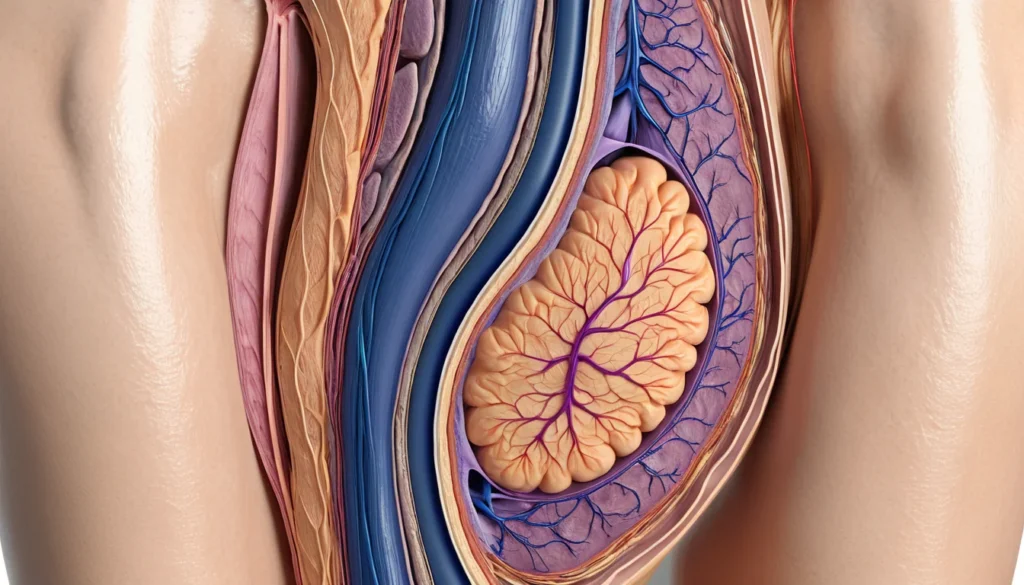
Varicose veins are swollen, twisted veins that sit just under the skin, usually on the legs. They can look blue or purple and may feel like raised cords when you touch them. For many Canadians, varicose veins are more than a cosmetic concern — they can cause real discomfort and, in some cases, serious complications. This article explains what causes varicose veins, what symptoms to look for, and when it is time to talk to your family doctor or visit a walk-in clinic.
What Are Varicose Veins?
Varicose veins are enlarged, bulging veins that form just beneath the skin’s surface. They develop most often in the legs and feet. However, they can appear elsewhere on the body as well.
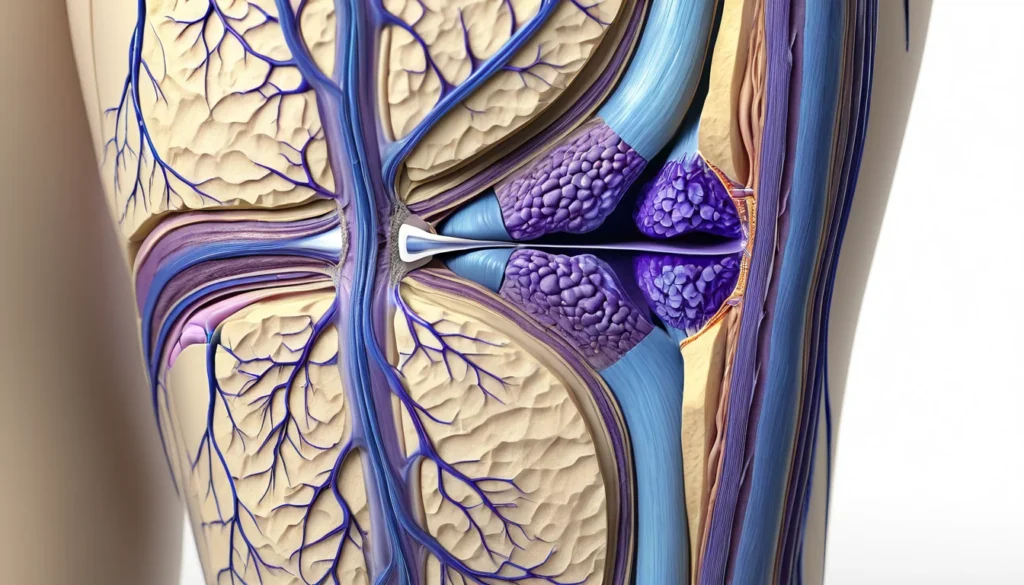
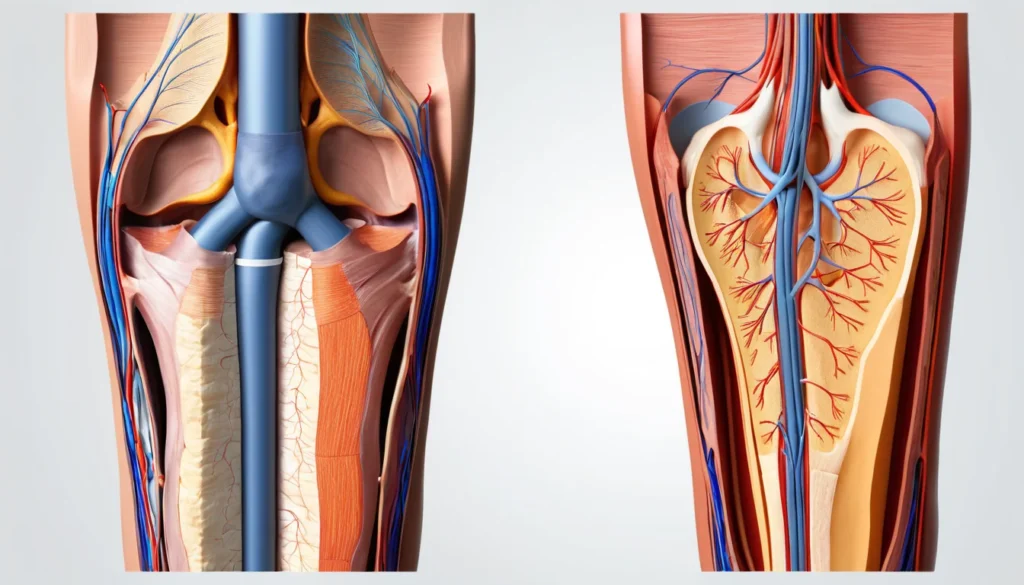
Healthy veins move blood from your legs back up to your heart. They contain small one-way valves that open to let blood flow upward, then close to stop it from falling back down. When these valves weaken or fail, blood pools in the vein. As a result, the vein stretches, swells, and becomes varicose.
According to Mayo Clinic’s overview of varicose veins, this condition affects a significant portion of adults, particularly women. In Canada, many people live with varicose veins for years before seeking treatment.
What Causes Varicose Veins?
Varicose veins develop when the walls of a vein stretch too far and lose their natural elasticity. This weakens the valves inside the vein. Once a valve stops working properly, blood flows backward and pools in the lower leg.
Several factors increase your risk of developing varicose veins. These include:
Family history: Varicose veins often run in families. Some people are born with weaker vein walls or faulty valves.
Being female: Hormonal changes at puberty, during pregnancy, and at menopause all affect vein health. Taking estrogen, progesterone, or oral contraceptives can also raise the risk.
Pregnancy: Blood volume increases significantly during pregnancy to support the growing baby. This puts extra pressure on the veins. The growing uterus also presses on pelvic veins, which can back up into the leg veins.
Older age: Vein walls and valves naturally weaken over time.
Obesity: Carrying extra body weight puts more pressure on leg veins.
Standing or sitting for long periods: Jobs that require prolonged standing or sitting reduce blood flow and increase vein pressure.
Pregnancy and Varicose Veins
Pregnancy is one of the most common triggers for varicose veins in women. Hormones during pregnancy cause the muscular walls of blood vessels to relax. This, combined with increased blood volume, puts a great deal of stress on leg veins.
The good news is that for most women, varicose veins that appear during pregnancy improve significantly after delivery. However, they may return with future pregnancies or worsen with age.
Less Common Causes
In some cases, varicose veins signal an underlying problem that needs medical attention. These causes include:
Deep vein thrombosis (DVT): Blood clots in the deeper leg veins can block normal blood flow. This forces blood through surface veins, causing them to enlarge.
Damage to deep veins: Past injuries can scar and narrow deep veins.
Arteriovenous fistulas: Abnormal connections between arteries and veins can be present at birth or develop later in life.
Pelvic tumours: Very rarely, a growth in the pelvis can press on veins and cause varicose veins to develop.
Symptoms of Varicose Veins
Some people with varicose veins feel no symptoms at all. They may only notice the twisted, discoloured veins on their legs. For others, symptoms can range from mild to quite uncomfortable.
Mild Symptoms
Common early symptoms of varicose veins include:
A dull ache, burning sensation, or feeling of heaviness in the legs
Symptoms that worsen throughout the day or after long periods of standing or sitting
Mild swelling around the foot and ankle
A burning pain in the back of the calves, especially at night
Itching of the skin over the affected veins
Skin discolouration around the varicose veins
Symptoms often improve with rest and by keeping your legs elevated. Furthermore, they tend to worsen in warm weather or after prolonged standing.
More Serious Symptoms
In some people, varicose veins progress and cause more significant problems. Watch for these warning signs:
Leg swelling (oedema): Fluid builds up in the tissues of the lower leg, causing noticeable puffiness.
Skin changes: The skin near the ankle may become dry, tight, itchy, and flaky. It may also darken in colour — a condition called stasis pigmentation.
Superficial thrombophlebitis: A blood clot forms in a small vein near the skin’s surface, causing pain, redness, and swelling along the vein.
Venous ulcers: Open sores, usually around the ankle, that are slow to heal.
Bleeding: Varicose veins that sit very close to the skin can bleed after a minor bump or injury.
How Varicose Veins Develop: The Mechanism
To understand varicose veins, it helps to know how leg veins normally work. Blood travels down from the heart to the legs through arteries. Veins carry it back up against gravity. To do this, leg muscles squeeze the veins as you walk, pushing blood upward.
The one-way valves inside each vein open to let blood pass through, then snap shut to prevent backflow. When a valve fails, blood slides back down and collects in the section of vein below. Over time, that section stretches and becomes varicose.
This is why the condition is sometimes called hydrostatic varicose veins — gravity and blood pressure play a central role in how the disease develops. Healthline’s guide to varicose veins offers a helpful breakdown of this process.
Possible Complications
Most varicose veins do not cause serious medical problems. However, complications can develop if the condition goes untreated for a long time. These include:
Bleeding: Veins near the surface can rupture. Bleeding can be heavy. You can control it by raising the leg above heart level and applying firm pressure to the area.
Superficial blood clots: These clots form in surface veins. Unlike deep vein clots, they rarely travel to the heart or lungs. However, they cause pain and inflammation and need medical attention.
Skin breakdown: The skin above varicose veins can thin out and become fragile, especially around the ankle. This raises the risk of wounds that do not heal easily.
Bacterial or fungal infections: Swollen, damaged skin is more vulnerable to infection. This is especially true when leg oedema is present.
Stasis dermatitis: Some people develop an itchy, inflamed skin condition called stasis dermatitis over the varicose veins. This requires treatment from a doctor.
Managing Varicose Veins at Home
While you cannot cure varicose veins at home, you can take steps to ease symptoms and slow their progression. These strategies are widely recommended by Canadian health professionals.
Elevate your legs: Rest with your feet raised above the level of your heart for 15 to 30 minutes several times a day.
Wear compression stockings: These apply gentle pressure to the legs and help blood move upward. Many pharmacies across Canada carry them without a prescription.
Stay active: Walking is one of the best exercises for vein health. Regular movement keeps your calf muscles working and pumping blood back to the heart.
Avoid long periods of standing or sitting: If your job requires this, take regular breaks to move around and flex your leg muscles.
Maintain a healthy weight: Reducing extra body weight lowers the pressure on your leg veins.
Avoid tight clothing: Clothing that constricts around the waist or legs can restrict blood flow.
For more evidence-based lifestyle advice, Health Canada provides general guidance on circulatory health and preventive care.
When to See a Doctor
Varicose veins are not always a medical emergency, but there are situations where you should not wait. If you notice any of the following, contact your family doctor or visit a walk-in clinic promptly:
Sudden, significant swelling in one leg
Pain, redness, or warmth along a vein — this may indicate a blood clot
An open sore or ulcer near the ankle that is not healing
Bleeding from a varicose vein
Skin that has become very dark, hard, or leathery around the lower leg
Signs of skin infection, such as increasing redness, warmth, or pus
Your family doctor can assess your varicose veins and refer you to a vascular specialist if needed. Most provincial health plans in Canada cover consultations for symptomatic varicose veins. Treatment options range from lifestyle changes to medical procedures, depending on the severity of your condition. Always speak with a qualified healthcare provider before starting any treatment plan.
Frequently Asked Questions About Varicose Veins
Are varicose veins dangerous?
Most varicose veins are not dangerous and cause only mild discomfort. However, in some cases, they can lead to complications such as blood clots, skin ulcers, or bleeding. If your varicose veins are painful, swollen, or causing skin changes, it is important to see your doctor.
Can varicose veins go away on their own?
Varicose veins that develop during pregnancy often improve on their own after delivery. In most other cases, however, varicose veins do not disappear without treatment. Lifestyle changes can slow their progression and ease symptoms, but medical treatment is usually needed to remove them.
What is the best treatment for varicose veins in Canada?
Treatment for varicose veins in Canada depends on the severity of the condition. Options include compression stockings, sclerotherapy (injections that close the vein), laser treatments, and surgical removal. Your family doctor can refer you to a vascular specialist who will recommend the best approach for your situation.
Do compression stockings really help varicose veins?
Yes, compression stockings are one of the most effective non-surgical ways to manage varicose veins. They apply graduated pressure to the leg, which helps blood flow upward and reduces swelling. For best results, ask your pharmacist or doctor to help you choose the right compression level.
Are varicose veins covered by provincial health insurance in Canada?
Coverage varies by province. Most provincial health plans cover consultations and medically necessary procedures for symptomatic varicose veins. Cosmetic treatments for veins that cause no symptoms may not be covered. Check with your provincial health authority or family doctor to understand what is available in your area.
What does a varicose vein feel like?
Varicose veins often feel like raised, firm cords under the skin of your leg. Many people describe a dull ache, heaviness, or burning sensation in the affected area. Symptoms tend to worsen after standing for a long time and improve when you rest with your legs elevated.
Key Takeaways
Varicose veins are swollen, twisted veins that form just under the skin, most often in the legs.
They develop when vein valves weaken and blood pools instead of flowing back to the heart.
Risk factors include family history, pregnancy, older age, obesity, and prolonged standing or sitting.
Symptoms range from mild aching and swelling to serious complications like skin ulcers or blood clots.
Home management includes leg elevation, compression stockings, regular exercise, and maintaining a healthy weight.
See your family doctor or visit a walk-in clinic if you notice sudden swelling, pain along a vein, open sores, or bleeding.
Most provincial health plans cover treatment for symptomatic varicose veins — speak with your doctor about your options.