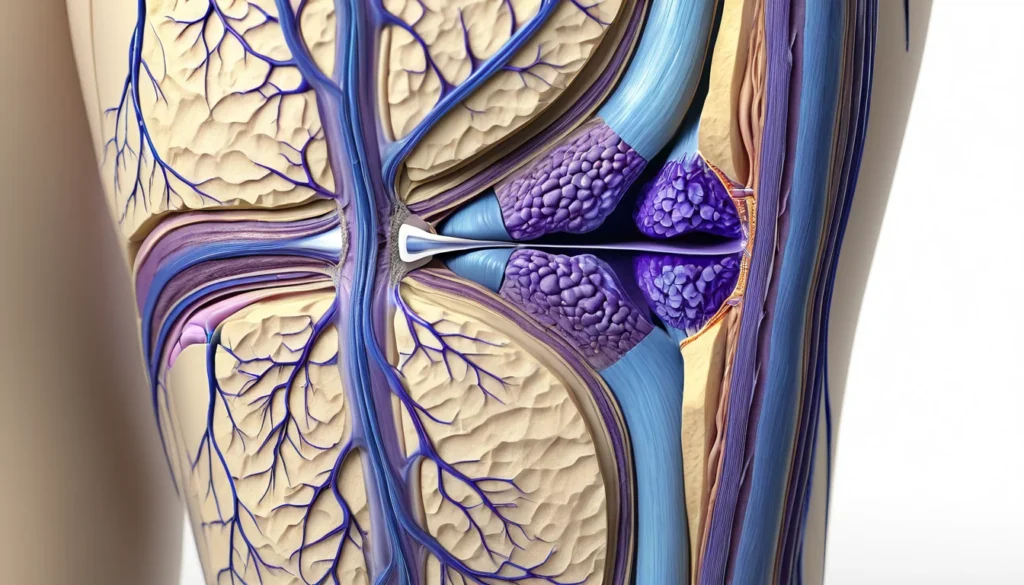
Varicose veins are one of the most common vein conditions affecting Canadians of all ages. They happen when veins become swollen, twisted, and visible under the skin — most often in the legs. In this article, we explain what causes varicose veins, how they are treated, and when you should speak with your family doctor or visit a walk-in clinic.
What Are Varicose Veins?
Varicose veins are enlarged veins that bulge beneath the surface of the skin. They most commonly appear on the calves and thighs. Smaller affected veins may look like a web or net pattern just under the skin.
When varicose veins sit close to the skin’s surface, they become visible and can cause noticeable symptoms. Many people describe a feeling of heaviness, tiredness, or aching in the affected leg. In more serious cases, the skin around the vein can break down and form open sores called ulcers.
Both men and women can develop varicose veins at any age. However, they tend to become more common as we get older. According to Mayo Clinic’s overview of varicose veins, roughly one in four adults will experience this condition at some point in their life.
What Causes Varicose Veins?
Varicose veins develop when the small valves inside your veins stop working properly. Normally, these valves open and close to keep blood moving upward toward your heart. When the valves weaken, blood flows backward and pools in the vein. Over time, this causes the vein wall to stretch and bulge.
In most cases, the exact reason why the valves weaken is not fully known. Doctors believe many people are simply born with a tendency toward weaker vein valves. This is called a primary or idiopathic cause.
Risk Factors That Make Varicose Veins Worse
Several everyday factors can increase your risk or make existing varicose veins worse. Being aware of these can help you take steps to protect your vein health.
Pregnancy: The growing uterus puts extra pressure on leg veins. Hormonal changes also relax vein walls.
Standing for long periods: Jobs that require standing all day — such as nursing, retail, or teaching — raise pressure in leg veins.
Excess body weight: Extra weight puts more strain on your veins.
Age: Vein walls naturally lose elasticity over time.
Family history: If a parent had varicose veins, you are more likely to develop them too.
Previous blood clots: A past clot can damage vein valves and lead to secondary varicose veins.
Secondary varicose veins can also develop after a condition called thrombophlebitis (a blood clot with vein inflammation). This is sometimes called post-thrombotic syndrome. We explain thrombophlebitis in more detail further below.
Symptoms of Varicose Veins
Not everyone with varicose veins feels pain. Some people only notice the visible, rope-like veins on their legs. However, many people do experience symptoms, especially after standing or sitting for a long time.
Common symptoms include:
Aching, throbbing, or cramping in the legs
A feeling of heaviness or tiredness in the legs
Itching around the affected vein
Mild swelling in the ankles or feet
Skin discolouration near the vein
Open sores or ulcers near the ankle (in severe cases)
Symptoms often feel worse at the end of the day or in warm weather. In addition, symptoms may improve when you lie down and raise your legs. If you notice sudden pain, redness, or warmth around a vein, seek medical attention promptly — this could signal a more serious condition.
How to Prevent Varicose Veins
Varicose veins are generally a progressive condition, which means they tend to worsen gradually over time. You cannot always prevent them completely. However, there are practical steps you can take to reduce your risk and slow their progression.
Lifestyle Changes That Help
Research shows that certain healthy habits can protect your veins. These changes are simple and cost nothing to start.
Stay active: Regular walking and exercise help pump blood back up to your heart. Even a 30-minute walk most days makes a difference.
Maintain a healthy weight: Keeping your body weight in a normal range reduces pressure on your leg veins.
Wear compression stockings: These specially designed socks apply gentle pressure to your legs. They improve blood flow and reduce swelling. Many pharmacies across Canada carry them without a prescription.
Elevate your legs: When resting, raise your legs above heart level to encourage blood flow back to the heart.
Avoid standing or sitting for too long: If your job requires long periods of standing, take short breaks to walk around. If you sit at a desk, get up and move every hour.
Eat a high-fibre diet: A diet rich in fibre helps prevent constipation, which can increase pressure in abdominal veins.
Furthermore, wearing loose-fitting clothing and avoiding high heels can support better circulation. These small changes add up over time and benefit your overall cardiovascular health.
What Is Thrombophlebitis?
Thrombophlebitis is a related but more serious vein condition. It happens when a blood clot forms inside a vein and causes inflammation of the vein wall. The word comes from two parts: thrombo (blood clot) and phlebitis (vein inflammation).
Thrombophlebitis can cause local swelling, redness, and pain. However, in some cases, it causes very few noticeable symptoms. This makes it important to know the warning signs.
Superficial Thrombophlebitis
Superficial thrombophlebitis affects veins close to the surface of the skin. The main signs are redness, warmth, and tenderness along a visible vein. This form is less likely to cause serious complications. It is often associated with existing varicose veins.
Treatment usually involves warm compresses, anti-inflammatory medication, and compression stockings. Most people recover well with proper care from their family doctor.
Deep Vein Thrombosis (DVT)
Deep thrombophlebitis — more commonly called deep vein thrombosis or DVT — is a more serious condition. It affects the larger veins deeper inside the leg or pelvis. DVT can be dangerous because the clot may break free and travel to the lungs. This is called a pulmonary embolism, and it is a medical emergency.
DVT is more likely to occur after surgery, prolonged bed rest, long flights or car trips, pregnancy, serious infections, or cancer. In fact, about 60% of DVT cases occur in people who have been immobile for an extended period.
For more detailed information on deep vein thrombosis, visit Health Canada’s cardiovascular health resources.
Symptoms of Thrombophlebitis to Watch For
Redness or warmth in one leg
Swelling in the calf, ankle, or entire leg
Pain or tenderness that feels like a cramp
Skin that looks pale, bluish, or discoloured
Sudden shortness of breath or chest pain (call 911 immediately — this may be a pulmonary embolism)
Treatment Options for Varicose Veins and Thrombophlebitis
Treatment depends on the severity of your condition. For mild varicose veins, lifestyle changes and compression stockings may be all that is needed. For more significant cases, your doctor may refer you to a specialist.
Non-Surgical Treatments
Several minimally invasive options are available through most Canadian provincial health plans, depending on medical need:
Sclerotherapy: A doctor injects a solution directly into the vein. This causes the vein to scar and close. Blood then reroutes through healthier nearby veins.
Laser therapy: Strong bursts of light are directed at the vein, causing it to slowly fade and close. No needles or incisions are required.
Radiofrequency or laser ablation: A thin tube is inserted into the vein. Heat closes the vein from the inside. This is done under local anaesthetic.
Surgical Treatment
In more severe cases, a surgeon may remove the affected vein through a procedure called vein stripping. This is performed under general or local anaesthetic. It is less commonly used today, as less invasive techniques have largely replaced it.
Treatment for Thrombophlebitis
If deep vein thrombosis is suspected, treatment must begin right away. Doctors typically prescribe anticoagulant medication — commonly called blood thinners — such as heparin or warfarin. These medications prevent the clot from growing and reduce the risk of a pulmonary embolism. Until a firm diagnosis is made, complete rest and immobilisation of the affected limb is recommended.
Learn more about blood clot prevention and treatment from Healthline’s guide to deep vein thrombosis.
When to See a Doctor
Many Canadians live with mild varicose veins for years without needing treatment. However, you should speak with your family doctor if your symptoms are affecting your daily life, or if you notice any of the warning signs listed below.
Visit your family doctor or a walk-in clinic if you experience:
Persistent leg pain, swelling, or heaviness
Skin changes or discolouration near a vein
An open sore or ulcer on your leg or ankle
A vein that looks red, feels warm, and is tender to touch
Sudden swelling in one leg with no clear cause
Call 911 or go to your nearest emergency department immediately if you experience sudden chest pain, difficulty breathing, or coughing up blood. These symptoms may indicate a pulmonary embolism, which is life-threatening.
Your family doctor can assess your symptoms and refer you to a vascular specialist if needed. Most provincial health plans cover referrals for medically necessary vein procedures. Always consult a qualified healthcare professional before starting any new treatment or making significant changes to manage your vein health.
Frequently Asked Questions About Varicose Veins
Are varicose veins dangerous?
Most varicose veins are not dangerous, but they can cause discomfort and may worsen over time. In some cases, varicose veins can lead to complications such as skin ulcers or blood clots. It is always a good idea to have them assessed by your family doctor.
Can varicose veins go away on their own?
Varicose veins do not typically disappear without treatment. However, lifestyle changes such as regular exercise, weight management, and wearing compression stockings can help reduce symptoms and slow the progression of the condition. A healthcare provider can advise you on the best approach for your situation.
What is the difference between varicose veins and spider veins?
Varicose veins are larger, raised, and often twisted veins that bulge under the skin — usually on the legs. Spider veins are smaller and sit closer to the skin’s surface, appearing as a web-like pattern of red, blue, or purple lines. Both are caused by weakened vein valves, but varicose veins are more likely to cause symptoms.
Does walking help varicose veins?
Yes, regular walking is one of the best things you can do for varicose veins. Walking activates the calf muscles, which help pump blood back up toward the heart and reduce pooling in the leg veins. Most doctors recommend at least 30 minutes of walking on most days as part of a vein-health routine.
Are varicose veins covered by provincial health plans in Canada?
Coverage for varicose vein treatment varies by province. In most cases, treatments that are considered medically necessary — such as those for severe symptoms, ulcers, or complications — may be covered. Cosmetic treatments are generally not covered. Speak with your family doctor to understand what is available under your provincial health plan.
What is the fastest way to treat varicose veins?
The most effective treatments for varicose veins include sclerotherapy, laser therapy, and radiofrequency ablation — all of which can produce results relatively quickly with minimal recovery time. The right option depends on the size and location of the veins and your overall health. Your doctor or a vascular specialist can recommend the best treatment plan for you.
Key Takeaways
Varicose veins are enlarged, twisted veins most commonly found in the legs. They affect both men and women of all ages. They are caused by weakened vein valves that allow blood to pool instead of flowing back to the heart. Risk factors include pregnancy, prolonged standing, excess weight, family history, and previous blood clots. Lifestyle changes — including regular exercise, compression stockings,