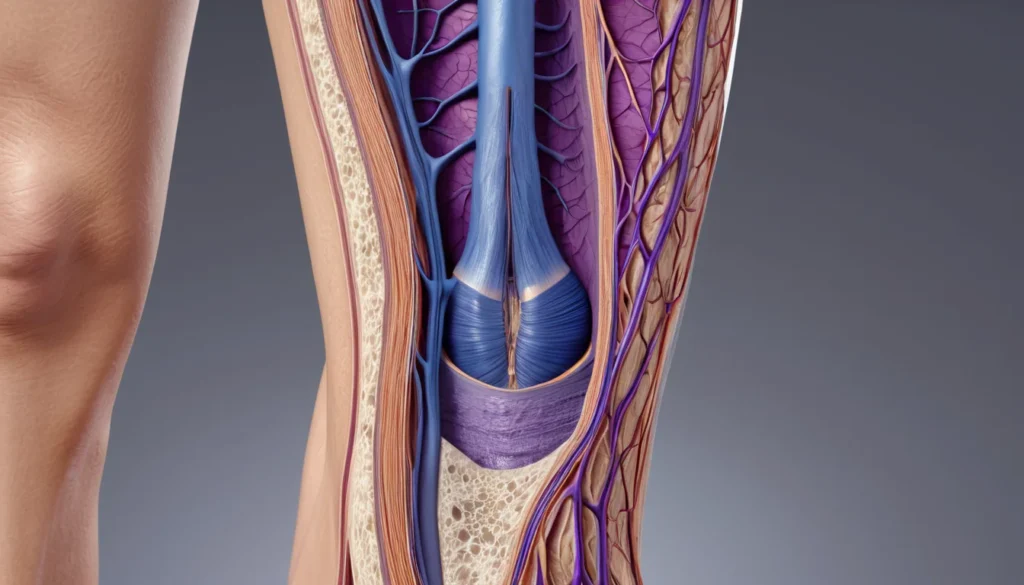
Varicose veins are enlarged, twisted veins that appear just beneath the skin — most often on the legs. They affect millions of Canadians and can range from a minor cosmetic concern to a sign of a more serious circulatory problem. In this article, we explain what causes varicose veins, what symptoms to watch for, and what treatment options are available to you, including simple things you can do at home.
What Are Varicose Veins?
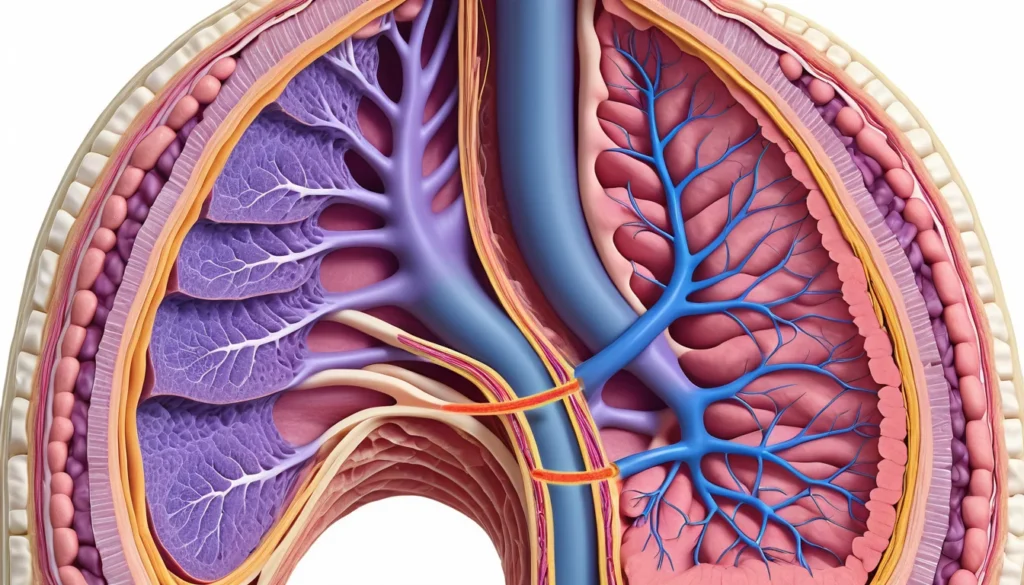
Veins are blood vessels that carry blood back to the heart. When you stand or walk, the veins in your legs have to push blood upward — against gravity. This puts extra pressure on the veins in your lower body.
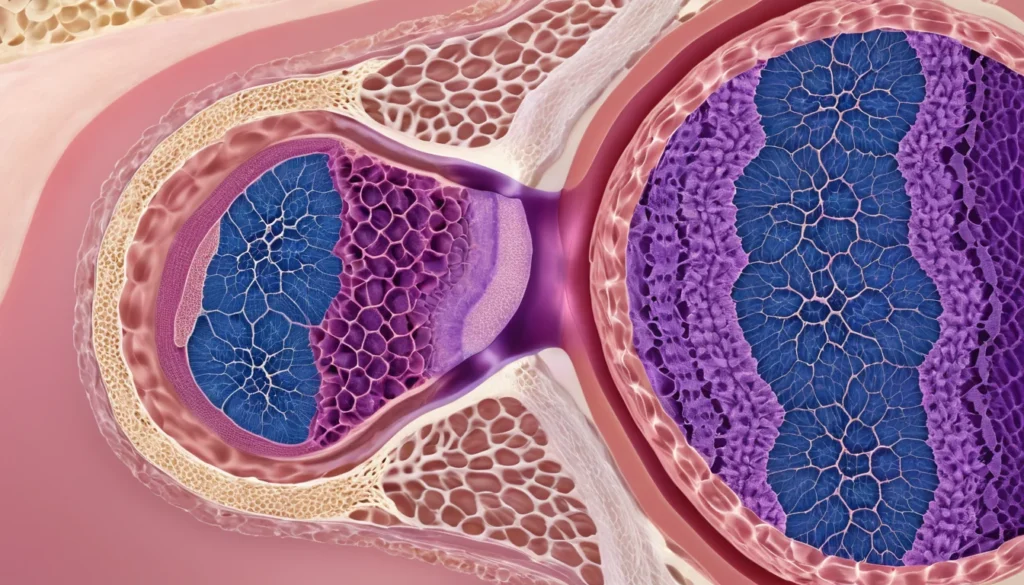
Inside your veins, there are small one-way valves. These valves open to let blood flow toward the heart, then close to stop it from flowing backward. When these valves weaken or become damaged, blood can pool in the vein. As a result, the vein stretches and bulges — and varicose veins form.
Types of Veins in Your Legs
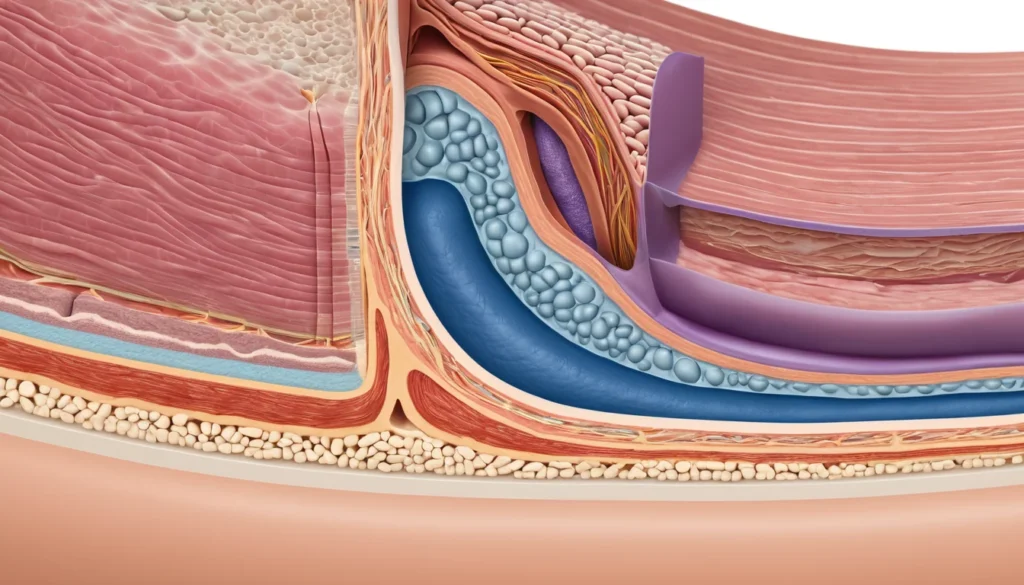
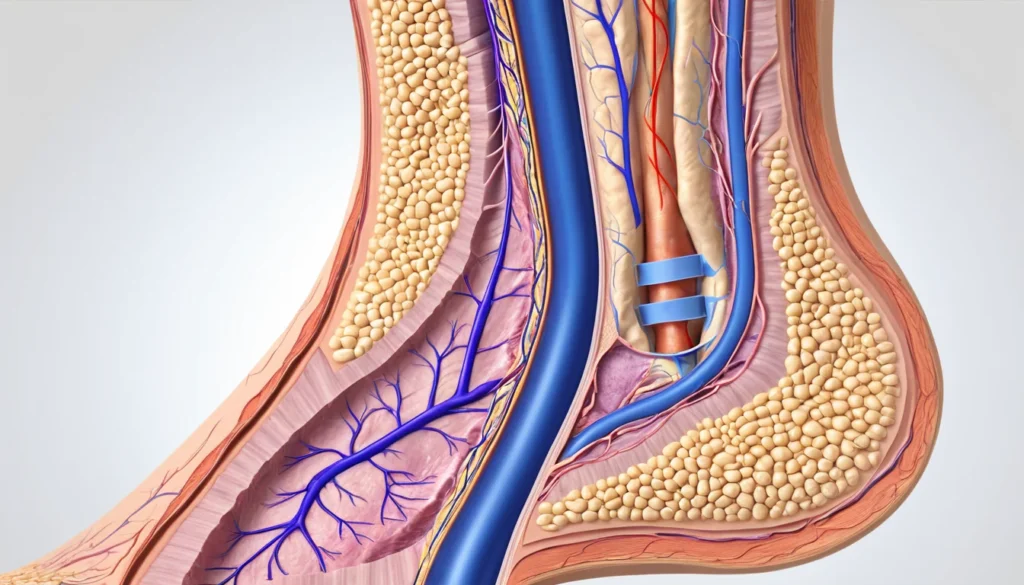
There are three main types of veins in your legs. Understanding them helps explain why varicose veins develop where they do.
Superficial veins — These sit close to the surface of the skin. They are the veins most likely to become varicose.
Deep veins — These run through the muscles. You cannot see or feel them from outside the leg.
Perforator veins — These connect the superficial veins to the deep veins, moving blood from the surface inward.
Varicose veins almost always develop in the superficial veins of the legs. However, any vein in the body can technically be affected.
What Causes Varicose Veins?
Varicose veins develop when the pressure inside your leg veins increases or the vein walls and valves weaken. Several factors can lead to this. Some people are simply born with weaker vein walls or faulty valves.
Common causes and risk factors include:
Genetics — Varicose veins often run in families. If a parent had them, your risk is higher.
Pregnancy — Hormonal changes relax the vein walls during pregnancy. The growing uterus also puts pressure on the leg veins. More blood circulates through the body, adding to that pressure.
Prolonged standing or sitting — Jobs that require long periods on your feet or at a desk can increase vein pressure over time.
Excess weight — Carrying extra weight puts added pressure on the veins in your legs.
Venous insufficiency — This is a condition where the veins struggle to return blood to the heart efficiently.
Age — Vein valves naturally wear down over the years.
Less Common Causes
In some cases, varicose veins can signal a more serious underlying condition. These include blood clots or blockages in the deep veins, damage to deeper vein structures, or abnormal connections between arteries and veins (called arteriovenous fistulas). Tumours are a rare cause as well. If your varicose veins appear suddenly or worsen quickly, it is important to speak with a healthcare provider.
Symptoms of Varicose Veins
Many people with varicose veins have no pain at all. The veins are visible, but they do not cause any discomfort. For others, however, the symptoms can affect daily life.
Visual signs of varicose veins include:
Dark purple or blue veins visible under the skin
Veins that look twisted, bulging, or cord-like on the legs
When symptoms are present, they may include:
A feeling of heaviness or aching in the legs
Burning, throbbing, or muscle cramping in the lower legs
Swelling in the feet and ankles
Increased pain after standing or sitting for long periods
Itching around one or more of the affected veins
Spider Veins
Spider veins are a milder form of varicose veins. They appear as small red, blue, or purple lines close to the skin’s surface. They often show up on the legs or face. Spider veins are generally harmless but can cause some itching or discomfort.
Warning Signs to Take Seriously
Skin ulcers near the ankle can be a sign of serious vascular disease. If you notice open sores near your ankle, do not wait — see a doctor promptly. This may require urgent medical attention.
Possible Complications
Most people with varicose veins never develop complications. However, in a small number of cases, the increased pressure in the affected veins can cause problems in the surrounding small blood vessels.
Possible complications include:
Thrombophlebitis — Inflammation of the vein, sometimes with a blood clot near the surface. This causes redness, swelling, and tenderness along the vein.
Leg or ankle swelling — Persistent swelling that does not go away with rest.
Skin changes — These can include colour changes, eczema, skin thickening (lipodermatosclerosis), or slow-healing ulcers.
Bleeding — Rarely, a varicose vein close to the skin can bleed if bumped or injured.
Furthermore, varicose veins may sometimes indicate a risk of deeper circulatory problems. Therefore, it is always a good idea to discuss persistent or worsening veins with your family doctor.
How Are Varicose Veins Diagnosed?
In most cases, a doctor can diagnose varicose veins simply by looking at them. A physical exam and a review of your medical history are usually enough. No additional tests are typically needed to confirm the diagnosis.
However, if your doctor suspects problems with the deep veins, or if complications are present, further testing may be recommended. An ultrasound is the most common test used. It shows blood flow through the veins and helps locate any damaged valves. If you are considering surgery or sclerotherpy (a procedure to close off veins), imaging tests can help plan the best approach and improve the chances of success.
Treatment Options for Varicose Veins
The good news is that varicose vein treatment has come a long way. Most procedures do not require a hospital stay or a long recovery period. Many treatments are done on an outpatient basis — meaning you go home the same day.
Self-Care at Home
Self-care is often the first step in managing varicose veins. These measures can reduce pain and prevent the veins from getting worse.
Exercise regularly — Walking is especially helpful. It encourages blood flow in the leg muscles and veins.
Maintain a healthy weight — Losing excess weight reduces pressure on leg veins.
Elevate your legs — Raise your legs above heart level for 15–20 minutes a few times a day to help blood drain back toward the heart.
Avoid long periods of standing or sitting — Take breaks to move around if your job keeps you still for long periods.
Wear loose-fitting clothing — Tight clothing around the waist or legs can restrict blood flow.
Compression Stockings
Compression stockings are usually the first medical treatment recommended for varicose veins. They are worn all day and apply steady pressure to the legs. This helps the veins and leg muscles move blood more efficiently back to the heart.
Compression stockings come in different levels of pressure. Your doctor or pharmacist can help you find the right strength for your needs. In Canada, many provincial health plans may cover compression stockings when prescribed by a doctor — check with your provincial health authority or insurer for details.
Medical Procedures
When self-care and compression stockings are not enough, several medical procedures are available. These include:
Sclerotherapy — A solution is injected into the affected vein, causing it to scar and close. Blood then reroutes through healthier veins. This is commonly used for both varicose veins and spider veins.
Laser treatment — Strong bursts of light are applied to the vein, causing it to slowly fade and disappear. No cuts or needles are needed.
Endovenous ablation — A thin tube (catheter) is inserted into the vein. Heat from laser or radiofrequency energy closes the vein.
Surgical removal (phlebectomy or stripping) — In more serious cases, the vein may be surgically removed. This is typically done under local or general anaesthesia.
For more detailed information on vein treatment options, visit the Mayo Clinic’s guide to varicose vein treatment.
When to See a Doctor
Many cases of varicose veins are mild and can be managed at home. However, you should book an appointment with your family doctor or visit a walk-in clinic if:
Your varicose veins are causing significant pain or discomfort
You notice skin changes such as discolouration, hardening, or rashes near the veins
You develop sores or ulcers near your ankle
One of your veins bleeds
Your leg becomes suddenly very swollen, red, or warm — this could indicate a blood clot and requires immediate medical attention
You are pregnant and experiencing worsening vein symptoms
Your family doctor can assess your veins and refer you to a vascular specialist if needed. If you do not have a family doctor, a walk-in clinic is a good place to start. You can also learn more about cardiovascular health from Health Canada.
Always speak with a qualified healthcare provider before starting any new treatment plan. This article is for general information only and is not a substitute for professional medical advice.
Frequently Asked Questions About Varicose Veins
Are varicose veins dangerous?
For most people, varicose veins are not dangerous — they are primarily a cosmetic concern. However, in some cases, varicose veins can lead to complications such as blood clots, skin ulcers, or chronic leg swelling. It is always wise to have them evaluated by a doctor if you notice any new or worsening symptoms.
Can varicose veins go away on their own?
Varicose veins do not typically disappear on their own. However, self-care measures such as exercise, leg elevation, and compression stockings can reduce symptoms and prevent the veins from worsening. Medical treatments can close or remove affected veins permanently.
Are compression stockings covered by provincial health plans in Canada?
Coverage for compression stockings varies by province. In many cases, a doctor’s prescription is required to access any coverage through provincial health plans or private insurance. Contact your provincial health authority or benefits provider to find out what is covered in your area.
What is the difference between varicose veins and spider veins?
Varicose veins are large, raised, and twisted veins usually found on the legs. Spider veins are smaller, flat, and web-like in appearance, and they can appear on both the legs and face. Both are caused by weakened vein walls, but spider veins are generally less serious and rarely cause pain.
Can exercise help with varicose veins?
Yes, regular exercise — especially walking — can help manage varicose veins by improving circulation in the legs. Exercise strengthens the calf muscles, which act as a pump to push blood upward through the veins. It will not cure existing varicose veins, but it can ease symptoms and reduce the risk of new ones forming.
Do varicose veins come back after treatment?
Treated varicose veins generally do not return in the same spot. However, new varicose veins can develop over time, especially if the underlying risk factors — such as genetics, excess weight, or prolonged standing — are still present. Follow-up care and healthy lifestyle habits can reduce the chance of recurrence. Learn more from Healthline’s overview of varicose veins.
Key Takeaways
Varicose veins are enlarged, twisted veins caused by weakened valves and increased pressure in the leg veins. They are very common and often harmless, but they can sometimes cause pain, swelling, and skin changes. Risk factors include genetics, pregnancy, excess weight, and jobs that involve prolonged standing or sitting. Self-care — including exercise, weight management, leg elevation, and compression stockings — is the first line of treatment. Medical treatments such as sclerotherapy, laser therapy, and surgery are safe and effective options when self-care is not enough. See your family doctor or visit a walk-in