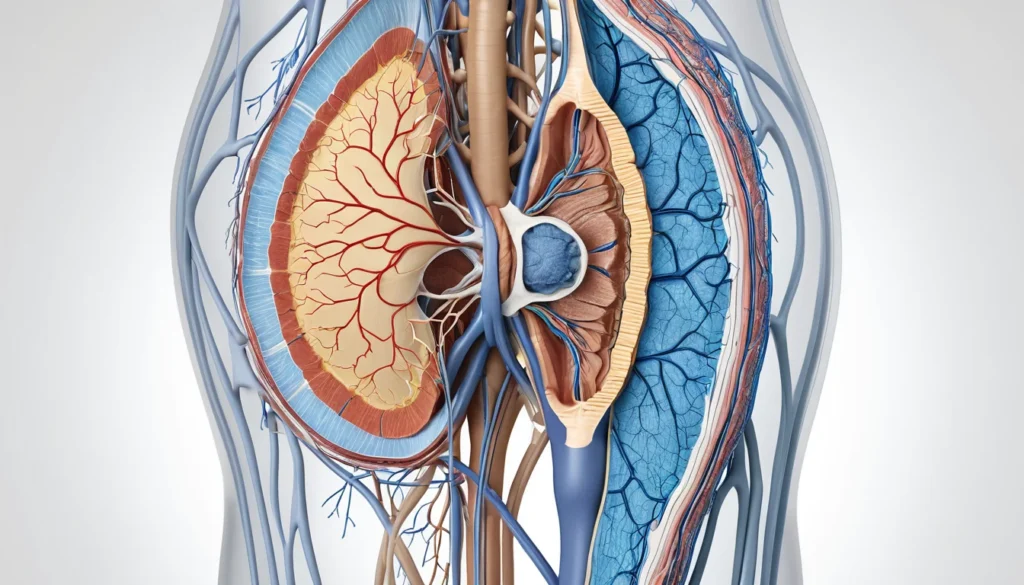
A varicocele is an enlargement of the veins inside the scrotum, similar to varicose veins in the leg. These swollen veins form around the testicle and can affect sperm production and fertility. Varicocele is one of the most common and treatable causes of male infertility in Canada. This article explains what varicocele is, how it is diagnosed, and what treatment options are available.
What Is a Varicocele?
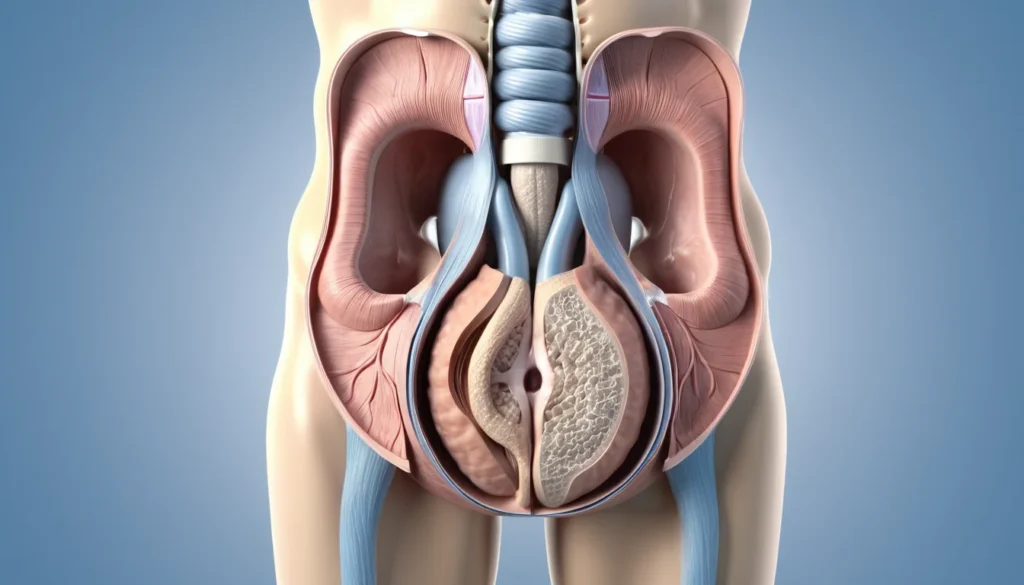
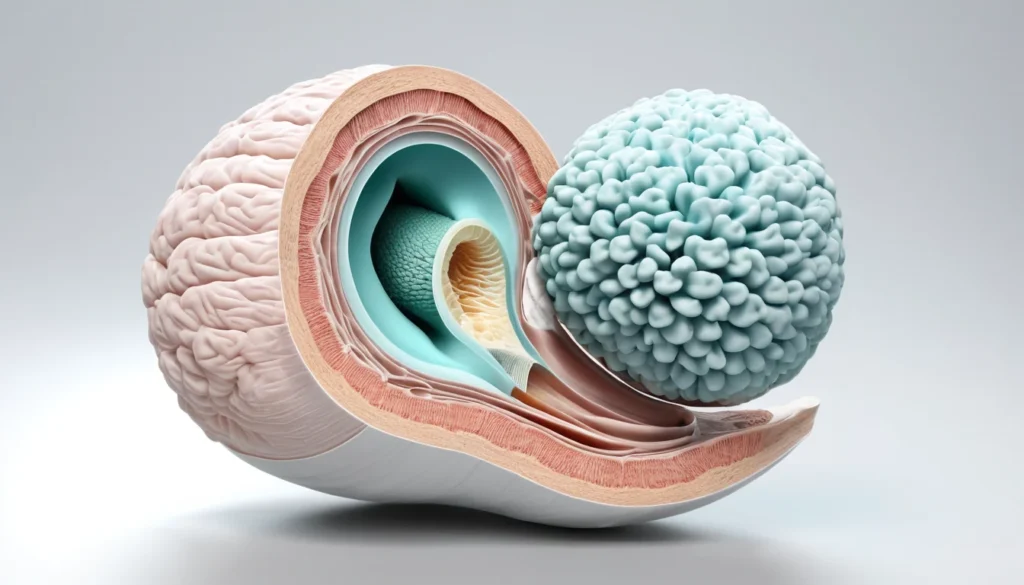
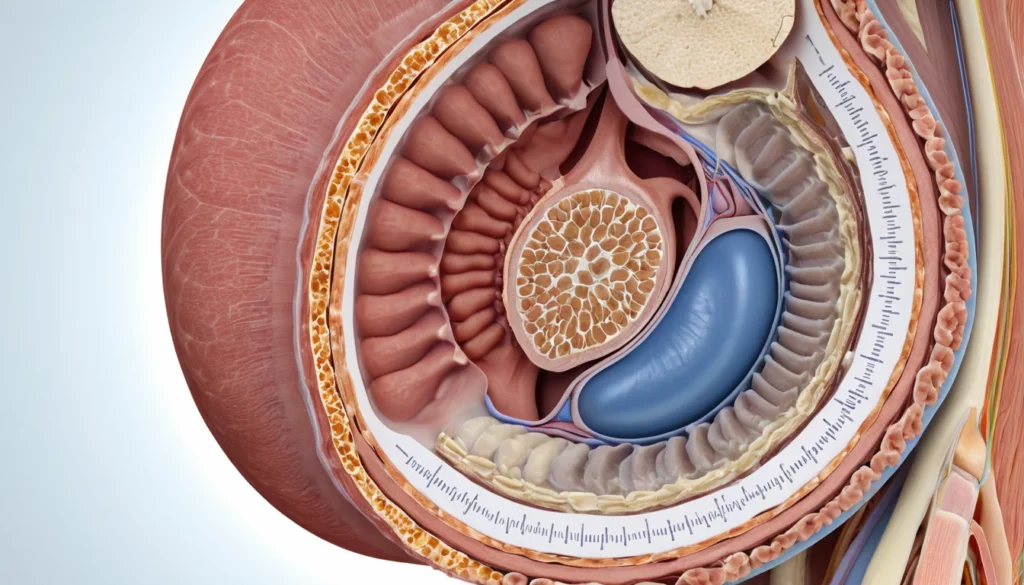
The testicles contain a network of veins that drain blood away from them. These veins form a cluster called the pampiniform plexus inside the spermatic cord. When these veins become enlarged, the condition is called a varicocele.
Varicocele usually develops after puberty. However, many men do not know they have it until they are tested for fertility problems. It affects about 15% of all men. Furthermore, it is found in 35–40% of men with primary infertility and up to 81% of men with secondary infertility.
Not every varicocele causes symptoms or fertility problems. However, most specialists recommend treatment to prevent a slow decline in sperm health over time. Research shows that varicocele causes progressive damage to sperm-producing tissue. As a result, treating it early may protect long-term fertility.
How Does a Varicocele Affect Fertility?
Varicocele is responsible for roughly 40% of male infertility cases. It is considered the leading correctable cause of male infertility. For many couples struggling to conceive, a varicocele diagnosis in the male partner is an important turning point.
Experts believe the enlarged veins raise the temperature inside the testicle. Sperm production is very sensitive to heat. Even a small increase in temperature can damage sperm quality in both the affected testicle and the other one.
In addition, some research has found mild hormonal changes in men with varicocele. The most notable is an exaggerated hormonal response involving GnRH (gonadotropin-releasing hormone). This affects the function of Leydig cells, which produce testosterone. Treating the varicocele can stop this hormonal decline and improve overall testicular function.
Symptoms of Varicocele
Many men with varicocele have no symptoms at all. The condition is often found during a routine fertility check or a physical exam. However, some men do notice signs that something is wrong.
Common symptoms include:
A dull ache or feeling of heaviness in one or both testicles
Discomfort that gets worse after standing or physical activity
A visible or palpable lump in the scrotum, sometimes described as a “bag of worms”
Shrinkage of the affected testicle (testicular atrophy)
Symptoms are usually mild. They often improve when you lie down. If you notice any of these signs, it is worth speaking with your family doctor or visiting a walk-in clinic for an initial assessment.
Diagnosing a Varicocele
Doctors use a combination of physical examination and imaging to diagnose varicocele. The process is straightforward and not invasive.
Physical Examination
A doctor can often feel a varicocele during a physical exam. They may ask you to stand and bear down, which is called the Valsalva manoeuvre. This increases pressure in the veins and makes the varicocele easier to detect.
Semen Analysis
A semen analysis measures the number, movement, and shape of sperm. Varicocele often affects all three of these parameters. However, it can sometimes cause only one isolated abnormality, such as low sperm count or poor motility.
Research shows that sperm samples with at least 14% normal-shaped sperm have better success rates with in vitro fertilisation (IVF). However, sperm morphology results should not be the only factor in deciding whether to treat a varicocele. A specialist will look at the full picture.
Ultrasound and Doppler Imaging
Ultrasound is a highly sensitive tool for diagnosing varicocele. It can detect enlarged veins as small as 2–3 mm in diameter. This means it can find varicoceles that a doctor cannot feel during a physical exam. These are called subclinical varicoceles.
A Doppler ultrasound goes one step further. It checks the direction of blood flow in the veins. During the Valsalva manoeuvre, blood may flow backward in affected veins. This is called venous reflux. Doppler imaging is especially helpful for men with thick scrotal skin, short spermatic cords, or when the opposite testicle needs to be checked. You can learn more about how varicocele is diagnosed at the Mayo Clinic.
Most studies show that treating subclinical varicoceles found only on ultrasound does not improve fertility as well as treating those found on physical exam. Therefore, clinical findings remain an important part of the diagnosis process.
Treatment Options for Varicocele
Not every varicocele needs treatment. However, treatment is recommended when varicocele is linked to pain, declining sperm quality, or infertility. The two main treatment approaches are minimally invasive radiology procedures and surgery.
Studies show that repairing a varicocele improves semen quality in 60–80% of men. Men with larger varicoceles often have poorer sperm quality before treatment. However, they also tend to see the greatest improvement after treatment.
Radiological Ablation (Embolisation)
This is a non-surgical option. A radiologist inserts a thin tube through a vein in the groin or neck. They then block the enlarged veins using coils or a special solution. The procedure is done without a large incision. Recovery is typically faster than surgery.
Surgical Repair (Varicocelectomy)
Surgery is the most common treatment. It is usually done as an outpatient procedure, meaning you go home the same day. The surgeon makes a small cut just below the groin. Most patients prefer general anaesthesia, though local anaesthesia is also possible.
Most men return to light activity within 3–4 days. Full recovery usually takes 7–10 days. Open surgery can be performed with the aid of a magnifying loupe or a surgical microscope.
Microsurgical Varicocelectomy
Using a microscope gives the surgeon a much clearer view of small structures. This allows them to carefully preserve the small arteries that supply blood to the testicle, the lymphatic vessels, and the cremasteric artery. Preserving lymphatic vessels is important. It greatly reduces the risk of hydrocele, which is a build-up of fluid around the testicle that can develop after surgery.
Microsurgical varicocelectomy has a very low rate of complications and recurrence. It is considered the gold standard by many reproductive urologists. For more background on how varicocele treatment supports fertility, see this overview from Healthline’s guide to varicocele.
Laparoscopic Surgery
Laparoscopy uses small incisions and a tiny camera. It can also repair a varicocele. However, it carries a small risk of injury to internal abdominal organs. Therefore, it is used less often than microsurgical approaches. Your surgeon will recommend the best option based on your individual situation.
When to See a Doctor
You should speak with your family doctor if you notice testicular pain, swelling, or any lump in the scrotum. You should also seek an assessment if you and your partner have been trying to conceive without success for 12 months or more (or 6 months if your partner is over 35).
Your family doctor can perform an initial exam and refer you to a urologist or reproductive specialist through your provincial health plan. If you do not have a family doctor, a walk-in clinic can provide an initial assessment and referral. Varicocele is very treatable, and getting checked early makes a real difference.
Health Canada provides resources on accessing men’s health services across the country. You can find information through Health Canada’s official website.
Always speak with a qualified healthcare provider before making any decisions about diagnosis or treatment. This article is for informational purposes only and does not replace professional medical advice.
Frequently Asked Questions About Varicocele
Can a varicocele go away on its own?
A varicocele does not go away on its own. Once the veins become enlarged, they stay that way without treatment. However, not all varicoceles require treatment — your doctor will help you decide based on your symptoms and fertility goals.
Does varicocele always cause infertility?
No, varicocele does not always cause infertility. About 15% of all men have a varicocele, but many of them father children without any difficulty. However, varicocele is the leading correctable cause of male infertility, so it is worth investigating if conception is proving difficult.
How long does recovery take after varicocele surgery?
Most men are back to light daily activities within 3–4 days after varicocele surgery. Full recovery usually takes 7–10 days. Strenuous exercise and heavy lifting should be avoided for a few weeks, as advised by your surgeon.
Will treating a varicocele improve sperm quality?
Yes, studies show that varicocele repair improves semen quality in 60–80% of men. Improvements in sperm count, movement, and shape are commonly seen within a few months of treatment. These changes can significantly increase the chances of natural conception.
Is varicocele treatment covered by provincial health plans in Canada?
In most Canadian provinces, varicocele surgery is covered by provincial health insurance when it is medically necessary, such as in cases of pain or infertility. Coverage details vary by province, so it is best to check with your provincial health plan or ask your family doctor about the referral process.
Can a varicocele come back after treatment?
Varicocele can recur after treatment, but recurrence rates are low, especially with microsurgical repair. Your urologist will discuss the best approach to minimise this risk. Follow-up appointments help monitor your recovery and sperm health after the procedure.
Key Takeaways
Varicocele is an enlargement of veins in the scrotum, similar to varicose veins.
It affects about 15% of men and is the leading correctable cause of male infertility.
Many men have no symptoms, and the condition is often found during a fertility evaluation.
Diagnosis involves a physical exam, semen analysis, and ultrasound with Doppler imaging.
Treatment options include radiological embolisation and surgical repair, with microsurgery offering the lowest risk of complications.
Sperm quality improves in 60–80% of men after treatment.
If you have concerns, speak with your family doctor or visit a walk-in clinic for a referral through your provincial health plan.