Vaginismus is a condition where the muscles around the vagina tighten involuntarily, making penetration painful or impossible. It can affect sexual intercourse, tampon insertion, and even routine pelvic exams. Many Canadian women live with this condition without knowing it has a name — or that effective treatment exists. Understanding vaginismus is the first step toward getting the help you deserve.
What Is Vaginismus?
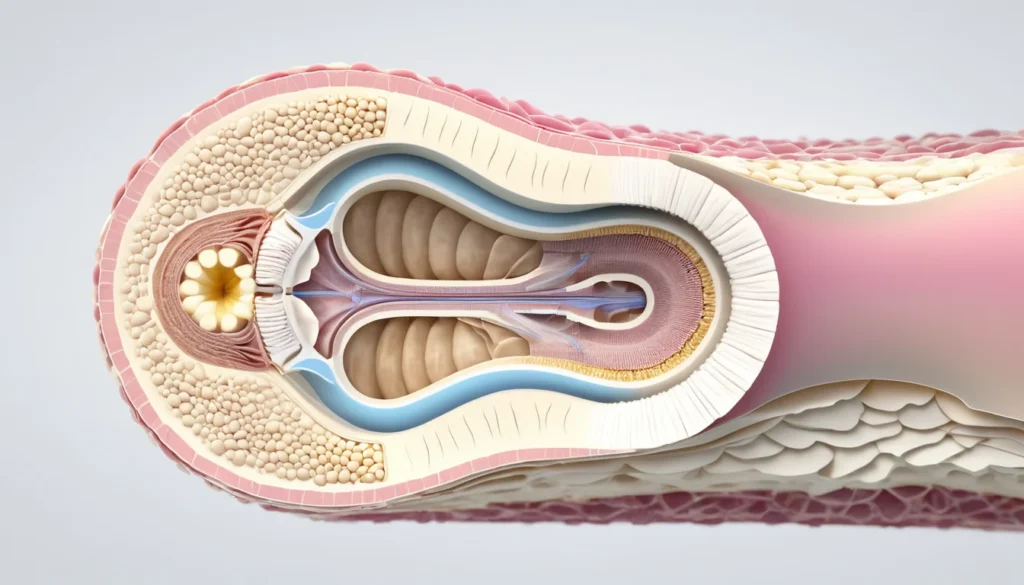
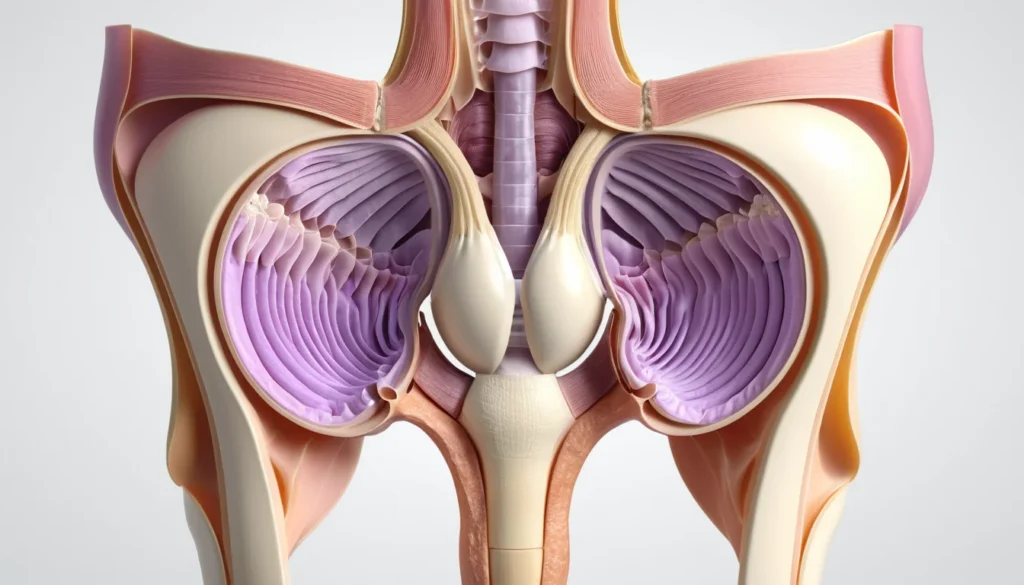
Vaginismus happens when the muscles of the vaginal wall contract on their own, without the person choosing to do so. This reflex closes the vaginal opening and causes significant discomfort or pain during any type of penetration.
The muscle groups most often involved include the pubococcygeus muscle and the levator ani. These are part of the pelvic floor — the group of muscles that support the bladder, uterus, and bowel.
It is important to know that vaginismus is not something a person does on purpose. The muscle spasm is a reflex, much like flinching when something startles you. Many women are not even aware they have the condition until they attempt vaginal penetration for the first time.
According to the Mayo Clinic’s overview of vaginismus, the condition is considered a form of sexual dysfunction but is highly treatable with the right support.
Types of Vaginismus
There are two main types of vaginismus. Knowing which type you have helps guide the right treatment approach.
Primary Vaginismus
Primary vaginismus occurs in women who have never been able to achieve vaginal penetration at all. It is often discovered during adolescence or early adulthood. Common triggers include past sexual trauma, negative beliefs about sex, or anxiety related to intimacy.
In some cases, a person may have grown up with the belief that sex is harmful or immoral. These deeply held ideas can cause the body to respond protectively, even when penetration is desired.
Secondary Vaginismus
Secondary vaginismus develops after a period of normal, pain-free sexual activity. A physical event often triggers it. Examples include childbirth injuries, genital infections, or surgery such as a hysterectomy.
However, the cause is not always physical. Emotional stress, relationship difficulties, or anxiety can also lead to secondary vaginismus. In some cases, no clear cause can be found at all.
Causes and Risk Factors of Vaginismus
Vaginismus has both physical and psychological causes. In most cases, both factors play a role at the same time.
Physical causes and risk factors include:
Pelvic pain from local or systemic conditions
Genital or urinary tract infections
Injury to the pelvic area
Age-related changes to vaginal tissue
Complications from childbirth
Previous pelvic surgery
Psychological and emotional causes include:
Fear of sex or penetration
A history of sexual abuse or trauma
Anxiety and emotional stress
Low self-esteem or depression
Negative beliefs about sex rooted in upbringing or religion
Women with vaginismus often develop anxiety around sexual activity over time. This anxiety can make the muscle spasms worse, creating a cycle that becomes harder to break without professional support.
For a broader look at how emotional health connects to sexual function, Healthline’s guide to vaginismus offers helpful background information.
Signs and Symptoms of Vaginismus
The symptoms of vaginismus can vary from person to person. Some women experience only mild discomfort, while others find penetration completely impossible.
Common signs and symptoms include:
Dyspareunia: intense pain during sexual intercourse, especially at penetration
Inability to achieve vaginal penetration
Difficulty or pain when inserting a tampon
Pain or discomfort during a pelvic exam at a clinic
Ongoing vaginal pain after childbirth, a sexually transmitted infection, or a urinary tract infection
Muscle spasms in the lower back or legs during attempted penetration
Breath-holding or shallow breathing at the start of sexual activity
It is worth noting that sexual arousal and orgasm are still possible for many women with vaginismus. The condition affects penetration specifically, not the ability to feel pleasure or excitement.
A diagnosis is typically confirmed through a pelvic exam performed by a gynaecologist or family doctor. A thorough medical history is also very important, as it helps identify the underlying cause and rules out other conditions that cause painful intercourse.
When to See a Doctor
You should speak with a healthcare provider if you experience pain during sex, difficulty with penetration, or discomfort when using tampons. These symptoms are worth discussing — they are not something you should simply push through or accept as normal.
In Canada, you have several options for getting help. Start by booking an appointment with your family doctor. They can assess your symptoms, perform or refer you for a pelvic exam, and connect you with specialists covered under your provincial health plan.
If you do not have a family doctor, a walk-in clinic is a good first step. The doctor there can begin the assessment process and provide referrals as needed. Sexual health clinics, available in most Canadian cities, are another excellent resource for confidential support.
Remember, vaginismus is a medical condition. Seeking help is a sign of strength, not weakness. The sooner you speak with a provider, the sooner you can begin treatment.
Treatment for Vaginismus
The good news is that vaginismus responds very well to treatment. Recovery rates are high when the approach addresses both the physical and emotional sides of the condition. Treatment usually involves a combination of therapies working together.
Psychological Support and Counselling
Because fear, anxiety, and past trauma are often at the root of vaginismus, psychological counselling is a key part of treatment. A therapist can help you work through fear of sex, process traumatic experiences, and challenge negative beliefs about intimacy.
Depression and low self-esteem are also common in women with vaginismus. Therefore, addressing mental health openly — not just the physical symptoms — is essential for lasting recovery.
Pelvic Floor Exercises
Kegel exercises are a core part of the physical treatment plan. These exercises involve alternating contractions and relaxations of the pelvic floor muscles, usually held for about five seconds each.
Kegel exercises help the patient become more aware of the muscles involved in vaginismus. Over time, this awareness makes it easier to consciously relax those muscles during penetration attempts. A pelvic floor physiotherapist — covered under many provincial health plans — can guide you through this process safely.
Vaginal Dilation Therapy
Vaginal dilators are smooth, tube-shaped devices made from plastic or silicone. They come in graduated sizes and are used to gently and progressively stretch the vaginal opening.
This therapy is always guided by a healthcare professional. The smallest size is introduced first. As the muscle spasms ease, larger sizes are used gradually. The goal is to help the body learn that penetration is safe and pain-free.
Partner involvement is often encouraged at appropriate stages of dilation therapy. Open communication and trust are central to the process.
Sexual Health Education
An important — and often overlooked — part of treatment is education. Learning about the anatomy of the vagina, how the pelvic floor works, and the normal stages of the sexual response cycle can reduce fear significantly.
Furthermore, education helps replace myths and misinformation with accurate, empowering knowledge. Many women find that understanding their bodies makes a real difference in their confidence and progress.
The World Health Organization’s resources on sexual health provide a helpful foundation for understanding normal sexual function and wellbeing.
Complications and Outlook
Vaginismus does not get physically worse on its own if left untreated. However, over time it can have a significant impact on emotional wellbeing and relationships.
Women with untreated vaginismus may begin to avoid sexual activity altogether. This avoidance can create tension and distance in intimate relationships. In addition, feelings of shame, guilt, or inadequacy can develop, affecting overall mental health.
The outlook for vaginismus is genuinely positive. With consistent treatment guided by qualified professionals — including a physiotherapist, psychologist, and gynaecologist — most women achieve full recovery. The condition is not permanent, and it does not define your capacity for a healthy, fulfilling intimate life.
Frequently Asked Questions About Vaginismus
Can vaginismus be cured permanently?
Yes, vaginismus can be fully resolved with the right treatment. Studies show very high success rates when both the physical and psychological aspects are addressed by qualified healthcare professionals. Many women go on to have completely pain-free intercourse after treatment.
Is vaginismus common in Canada?
Vaginismus is considered relatively uncommon in the general population, but it is more frequently seen among women seeking help at sexual health and dysfunction clinics. Many cases go undiagnosed because women feel embarrassed to bring it up with their family doctor. If you suspect you have vaginismus, speaking openly with your healthcare provider is the most important first step.
Can I still have an orgasm if I have vaginismus?
Yes, many women with vaginismus are still able to experience arousal and orgasm. Vaginismus specifically affects the ability to tolerate vaginal penetration — it does not eliminate the capacity for pleasure or sexual response. Clitoral stimulation, for example, is typically unaffected by the condition.
What kind of doctor treats vaginismus in Canada?
Your family doctor or a walk-in clinic physician is the right starting point. From there, you may be referred to a gynaecologist, a pelvic floor physiotherapist, or a psychologist or sex therapist. Many of these services are covered under provincial health plans, though coverage varies by province.
Does vaginismus mean I was sexually abused?
Not necessarily. While a history of sexual trauma is one possible cause of vaginismus, many women develop the condition without any history of abuse. Physical causes, anxiety, negative beliefs about sex, and hormonal changes can all contribute. A thorough assessment by a healthcare provider will help identify what is driving your specific situation.
Are vaginal dilators available in Canada?
Yes, vaginal dilators are available in Canada through medical supply stores, pharmacies, and online retailers. However, you should always begin dilation therapy under the guidance of a pelvic floor physiotherapist or gynaecologist. Using dilators without professional guidance can sometimes make the anxiety around vaginismus worse rather than better.
Key Takeaways
Vaginismus is an involuntary tightening of the vaginal muscles that makes penetration painful or impossible.
It has two types: primary (no previous penetration) and secondary (develops after normal sexual activity).
Both physical causes (infection, injury, childbirth) and emotional causes (trauma, anxiety, fear) can play a role.
Symptoms include painful intercourse, inability to use tampons, and discomfort during pelvic exams.
Treatment combines psychological counselling, Kegel exercises, vaginal dilation therapy, and sexual health education.
Vaginismus does not worsen physically if untreated, but it can deeply affect emotional wellbeing and relationships over time.
Recovery rates are very high. Most women fully recover with proper, consistent treatment.
Start with your family doctor or a walk-in clinic — they can refer you to the right specialists under your provincial health plan.
Always consult a qualified healthcare provider before starting any treatment for vaginismus. This article is for informational purposes only and is not a substitute for professional medical advice.