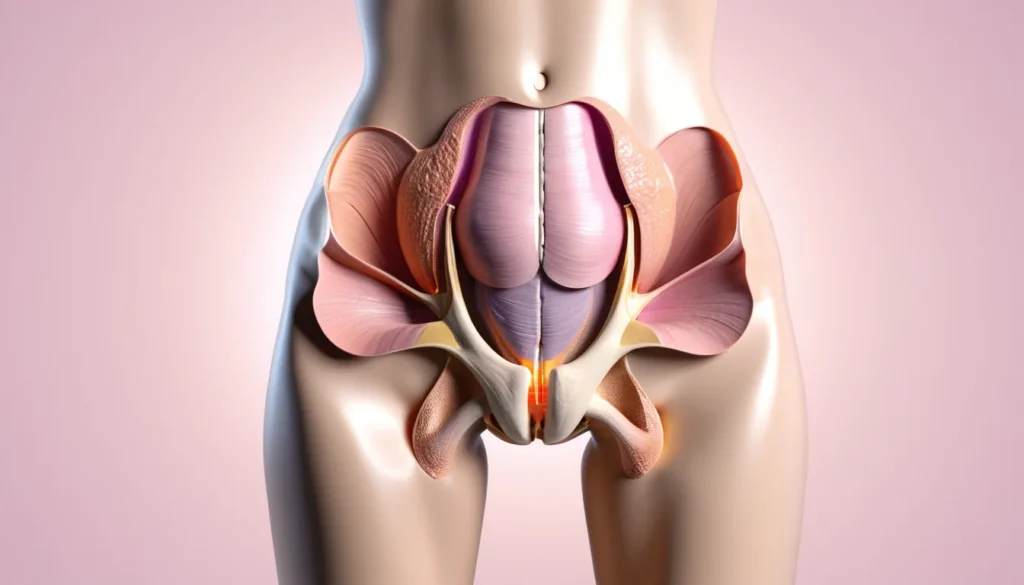
A vaginal yeast infection is one of the most common health issues Canadian women face. It happens when a fungus called Candida grows out of control inside the vagina. Nearly 75% of adult women will have at least one vaginal yeast infection during their lifetime. This article explains what causes it, what symptoms to watch for, how it is treated, and how you can help prevent it from coming back.
What Is a Vaginal Yeast Infection?
Your vagina naturally contains a mix of bacteria and a small amount of yeast. These microorganisms normally live in balance and keep each other in check. However, when that balance is disrupted, yeast can multiply too quickly and cause an infection.
The fungus responsible is most often Candida albicans. The same type of fungus also lives naturally in your mouth and digestive tract. A vaginal yeast infection is sometimes called vaginal candidiasis or a fungal infection.
The good news is that most vaginal yeast infections are not serious. They are treatable with over-the-counter or prescription medications. As a result, many Canadian women manage mild infections on their own after speaking with a pharmacist or family doctor.
Common Causes of Vaginal Yeast Infections
Several factors can upset the natural balance of bacteria and yeast in the vagina. Understanding these causes can help you lower your risk. In many cases, a combination of factors is involved rather than a single trigger.
Medications That Affect Vaginal Balance
Antibiotics are one of the most common triggers. They kill harmful bacteria, but they also kill the helpful bacteria that keep yeast under control. Broad-spectrum antibiotics — the kind that target many types of bacteria — carry the highest risk.
Other medications can also play a role. These include:
Corticosteroids (steroid medicines)
Oral contraceptives with high oestrogen content
Antihistamines (allergy medications)
If you regularly take any of these medications and notice recurring infections, talk to your family doctor. There may be alternatives or additional steps you can take to protect your vaginal health.
Hormonal Changes and Health Conditions
Hormonal fluctuations can shift the environment inside the vagina. Pregnancy, in particular, raises oestrogen levels significantly. This creates conditions where yeast grows more easily.
Diabetes is another important risk factor. High blood sugar levels feed yeast and encourage its growth. Women with poorly controlled diabetes are more prone to frequent or severe infections.
Furthermore, nutritional deficiencies can also raise your risk. Low levels of iron, folic acid, vitamin B12, or zinc may weaken your body’s natural defences. A balanced diet and regular blood work through your provincial health plan can help catch these deficiencies early.
Lifestyle and Environmental Factors
Tight-fitting clothing, especially synthetic fabrics, traps heat and moisture near the vagina. This warm, damp environment is ideal for yeast to thrive. Wearing breathable, cotton underwear helps reduce this risk.
Certain soaps, scented products, and douches can also disrupt the natural vaginal environment. It is best to avoid perfumed products in the genital area. Plain, unscented soap and water are all you need for external cleaning.
A Weakened Immune System
Your immune system plays a major role in keeping yeast levels in check. When it is weakened, yeast infections become more likely and harder to treat. Factors that can weaken immunity include cancer treatments like chemotherapy, chronic stress, depression, and conditions such as HIV.
If you have a condition that affects your immune system, speak with your healthcare provider about extra steps to protect your vaginal health. Your family doctor or specialist can tailor a prevention plan to your needs.
Recognising Vaginal Yeast Infection Symptoms
Symptoms of a vaginal yeast infection can range from mild to quite uncomfortable. Most women notice symptoms fairly quickly after the infection begins. However, the severity varies from person to person.
Common symptoms include:
Intense itching in and around the vagina
Redness and swelling of the vulva
A thick, white vaginal discharge that looks similar to cottage cheese
Pain or burning during urination
Discomfort or pain during sexual intercourse
It is important to note that not all vaginal discomfort is caused by a yeast infection. Bacterial vaginosis and sexually transmitted infections can cause similar symptoms. For this reason, getting an accurate diagnosis is always the safest first step, especially if this is your first infection.
According to Mayo Clinic’s overview of vaginal yeast infections, symptoms that seem mild can sometimes point to a more complex condition. A proper diagnosis ensures you receive the right treatment.
Vaginal Yeast Infection Treatment Options
Most vaginal yeast infections respond well to treatment. The type of treatment recommended depends on how mild or severe the infection is. Your pharmacist, family doctor, or walk-in clinic can help you choose the right option.
Topical (Local) Treatments
Topical treatments are usually the first choice for mild to moderate infections. These come in several forms, including:
Vaginal creams
Vaginal suppositories (ovules)
Vaginal tablets
Most topical treatments are applied once or twice a day for three to seven days. Many of these products are available without a prescription at Canadian pharmacies. However, always read the label carefully and ask your pharmacist if you are unsure.
In general, modern topical treatments are well tolerated. A small number of women may experience mild side effects, such as a temporary burning sensation, local itching, or a minor skin rash. Headaches or cramps are less common but can also occur.
Oral (Systemic) Treatments
If a topical treatment does not work, or if your infection keeps coming back, your doctor may prescribe an oral antifungal medication. Fluconazole is the most commonly prescribed oral option in Canada. It is taken as a single dose in most cases.
Oral treatments are also used when infections are severe or involve a less common strain of Candida. Your doctor will determine whether an oral or topical approach is best suited for your situation. Do not take oral antifungal medications without a prescription.
For more detailed information on antifungal medications, Healthline’s guide to vaginal yeast infections provides a helpful overview of treatment choices.
How to Help Prevent Vaginal Yeast Infections
Prevention is not always possible, but there are practical steps you can take to lower your risk. These strategies are especially helpful for women who experience recurring vaginal yeast infections. Small changes in daily habits can make a significant difference.
Daily Habits That Support Vaginal Health
Try these everyday strategies to reduce your risk:
Wear loose-fitting, cotton underwear to allow air circulation
Change out of wet swimwear or workout clothing promptly
Avoid scented soaps, sprays, and douches in the vaginal area
Wipe from front to back after using the toilet
Eat a balanced diet that includes fibre-rich foods and probiotics
Manage blood sugar levels carefully if you have diabetes
Preventive Medications
For women who experience four or more infections per year, a doctor may recommend a preventive medication schedule. A weekly dose of fluconazole is sometimes used for this purpose. However, long-term use of fluconazole must be managed carefully, as overuse can lead to antifungal resistance.
Gentian violet is an older remedy that has been used for both prevention and treatment of fungal infections. It is applied to the affected area with a cotton swab, typically once a week for four weeks. Always ask your doctor for specific instructions before using gentian violet, as it can stain skin and clothing.
Health Canada’s information on antifungal medications is a reliable resource for understanding your treatment options and how these medicines are regulated in Canada.
When to See a Doctor About a Vaginal Yeast Infection
You should see a healthcare provider if this is your first vaginal yeast infection. It is important to confirm that your symptoms are actually caused by a yeast infection and not another condition. Misdiagnosing yourself can delay proper treatment.
See your family doctor or visit a walk-in clinic if:
You are pregnant
Your symptoms are severe or getting worse
Over-the-counter treatments are not working after a week
You have four or more infections within one year
You have unusual or foul-smelling discharge
You have never had a yeast infection before
Most provincial health plans in Canada cover visits to your family doctor for this type of concern. If you do not have a family doctor, a walk-in clinic is a convenient and accessible option. Many pharmacists can also provide guidance under the expanded scope of practice now available in several provinces.
Always consult a qualified healthcare provider before starting any new treatment, especially if you are pregnant, breastfeeding, or managing a chronic health condition.
Frequently Asked Questions About Vaginal Yeast Infections
What does a vaginal yeast infection feel like?
A vaginal yeast infection typically causes intense itching, redness, and swelling around the vagina and vulva. Many women also notice a thick, white discharge that looks similar to cottage cheese. Some women experience pain or burning during urination or sexual intercourse.
Can a vaginal yeast infection go away on its own?
A mild vaginal yeast infection may clear up on its own in some cases, but this is not reliable. Most infections require treatment with an antifungal cream or medication to fully resolve. Without treatment, symptoms can worsen and the infection may spread or become harder to treat.
Is a vaginal yeast infection contagious?
Vaginal yeast infections are not considered a sexually transmitted infection. However, in rare cases, yeast can be passed between sexual partners. It is generally recommended to avoid sexual activity until your infection has completely cleared.
How long does a vaginal yeast infection last with treatment?
With proper treatment, most vaginal yeast infections clear up within three to seven days. Oral antifungal medications like fluconazole often work within a few days of a single dose. If symptoms persist beyond one week of treatment, see your family doctor or visit a walk-in clinic.
Why do I keep getting vaginal yeast infections?
Recurring vaginal yeast infections — four or more per year — can be linked to underlying factors such as uncontrolled diabetes, antibiotic use, hormonal changes, or a weakened immune system. Your doctor can help identify the root cause and recommend a longer-term prevention plan. In some cases, a less common strain of Candida may be responsible and may require a different treatment approach.
Can I buy vaginal yeast infection treatment at a Canadian pharmacy without a prescription?
Yes, many topical antifungal treatments for vaginal yeast infections are available over the counter at Canadian pharmacies. These include creams and suppositories that are used for three to seven days. However, if you are unsure about your diagnosis or if this is your first infection, it is best to confirm with a healthcare provider before self-treating.
Key Takeaways
A vaginal yeast infection is caused by an overgrowth of Candida fungus in the vagina.
Nearly 75% of Canadian women will experience at least one vaginal yeast infection in their lifetime.
Common triggers include antibiotics, hormonal changes, diabetes, a weakened immune system, and tight clothing.
Symptoms include itching, redness, thick white discharge, and pain during urination or intercourse.
Most infections are treated effectively with topical antifungal creams or oral medication available in Canada.
Preventive strategies include wearing breathable underwear, avoiding scented products, and managing blood sugar levels.
See your family doctor or a walk-in clinic if this is your first infection, symptoms are severe, or infections keep returning.
Always consult a healthcare professional before starting treatment, especially during pregnancy or if you have a chronic health condition.