Vaginal infections and other female reproductive conditions are more common than many people realize. Conditions like vaginitis, cervicitis, and adnexitis affect women of all ages across Canada. Understanding the symptoms, causes, and treatment options can help you get the right care faster — and protect your long-term health.
What Are Vaginal Infections and Female Reproductive Conditions?
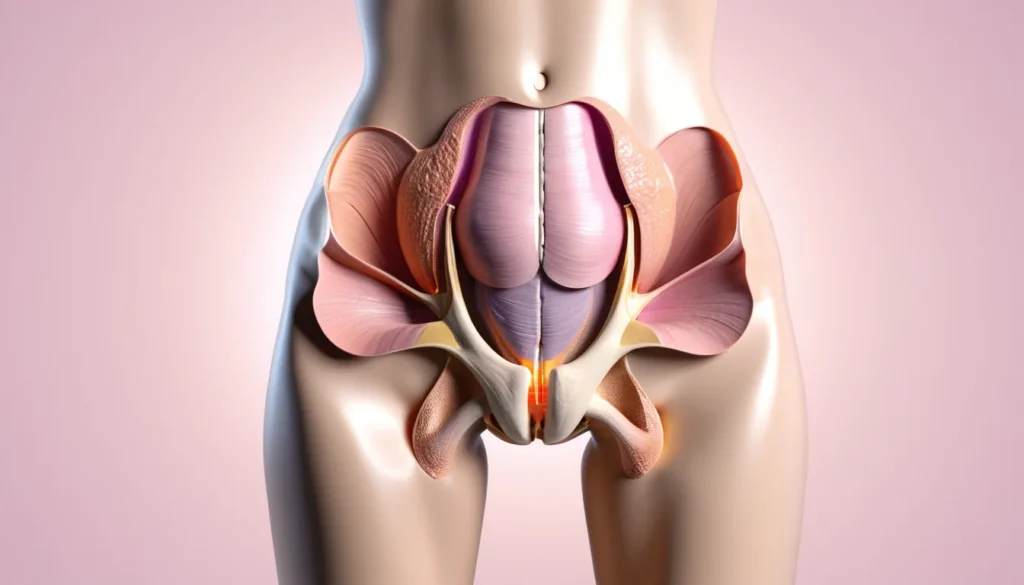
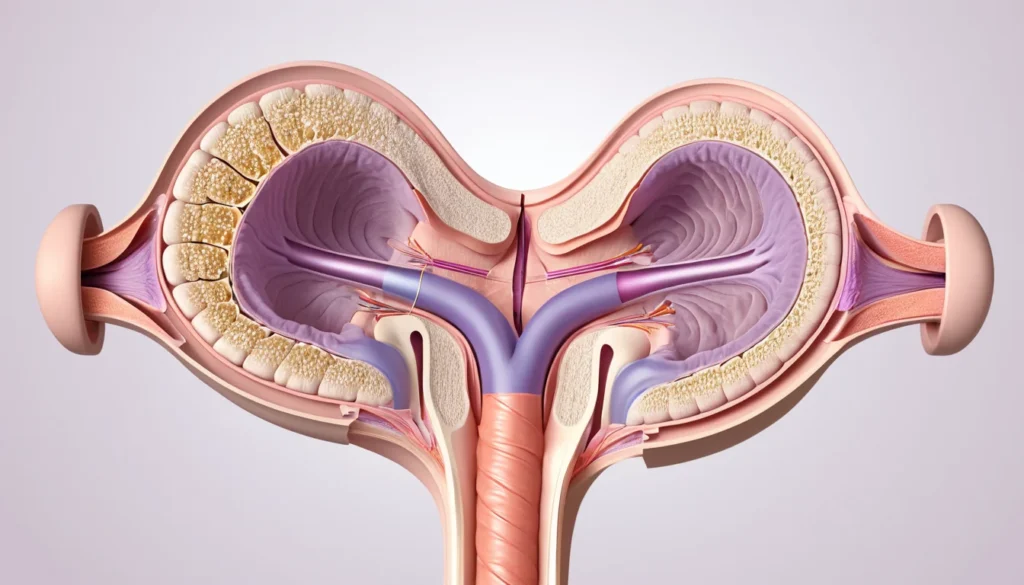
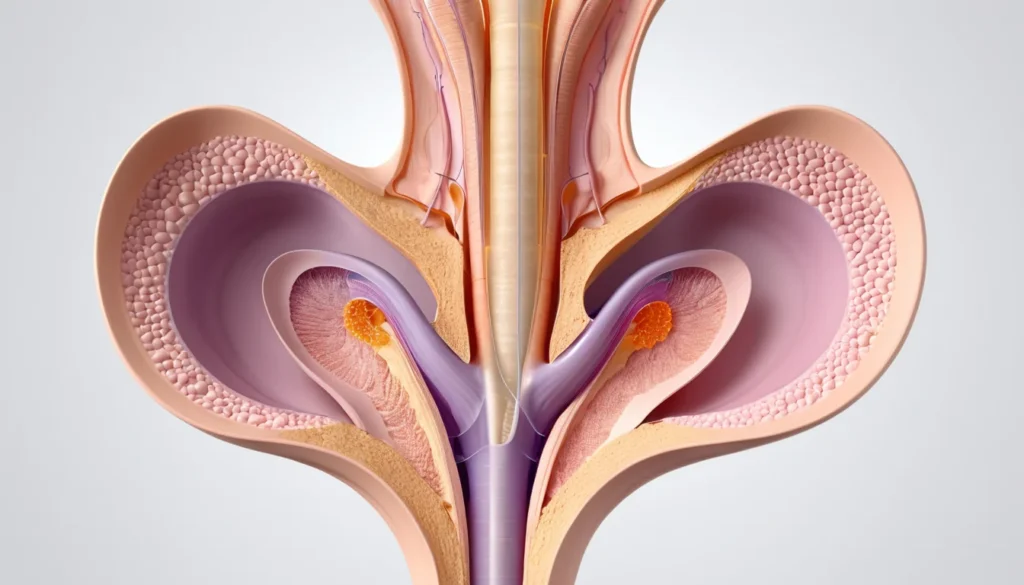
The female reproductive system includes the vagina, cervix, uterus, fallopian tubes, and ovaries. Inflammation or infection can affect any of these areas. In many cases, more than one area is affected at the same time.
These conditions are often caused by bacteria, parasites, or fungi. Some are sexually transmitted. Others develop due to changes in the body’s natural balance of microorganisms. In addition, poor intimate hygiene can increase the risk.
The good news is that most of these conditions are treatable. However, getting the right diagnosis early is key. Left untreated, some infections can lead to serious complications, including fertility problems.
Vaginitis: Causes, Symptoms, and Treatment
Vaginitis is an inflammation of the vagina. It is often accompanied by inflammation of the vulva, a condition called vulvovaginitis. This is one of the most common vaginal infections seen in women’s health clinics across Canada.
What Causes Vaginitis?
Vaginitis can be caused by several different organisms. These include common bacteria, the gonococcus bacterium, the parasite Trichomonas vaginalis, or a fungal (yeast) infection. Each type produces slightly different symptoms.
For example, a Trichomonas infection tends to cause a frothy, foamy vaginal discharge. The discharge is often yellow-green in colour. A yeast infection, on the other hand, produces a thick, clumpy discharge — similar in appearance to cottage cheese — along with intense itching.
Symptoms of Vaginitis
Common symptoms of vaginal infections like vaginitis include:
A burning sensation in the vaginal area
Pain or discomfort during urination
Pain during sexual intercourse
Unusual vaginal discharge (colour, texture, or odour may change)
Intense itching around the vagina and vulva
Symptoms can range from mild to severe. In some cases, the itching can be quite intense and disruptive to daily life.
How Is Vaginitis Treated?
Treatment depends on the cause of the infection. Your doctor will usually prescribe specific oral medications. In addition, women may need to use vaginal suppositories or medicated rinses as part of a local treatment plan.
An important point: both sexual partners must be treated at the same time. A male partner may carry the parasite or infection without showing any symptoms. If only one partner is treated, reinfection is very likely.
Sexual activity should be avoided during the entire treatment period. Sometimes, a second round of treatment is needed to fully clear the infection. Furthermore, using vaginal rinses or douches without medical guidance can actually make the infection worse.
To help prevent vaginitis, practise good intimate hygiene. Be cautious with casual sexual contact, as this significantly raises the risk of vaginal infections and sexually transmitted infections (STIs). You can learn more about STI prevention through Health Canada’s sexual health resources.
Cervicitis: Inflammation of the Cervix
Cervicitis is the inflammation of the cervix — the lower, narrow part of the uterus. It is sometimes called cervical metritis. This condition is fairly common and often goes unnoticed until symptoms become more noticeable.
Symptoms of Cervicitis
The main sign of cervicitis is an abnormal vaginal discharge. The discharge may be thick or mucous-like, and sometimes appears yellow or greenish in colour. This happens because the glands of the cervix become infected and produce excess fluid.
In some cases, small sores or erosions can develop around the opening of the cervix. These areas may bleed slightly. Therefore, if you notice light spotting between periods or after intercourse, it is important not to ignore it.
Diagnosis and Treatment of Cervicitis
A doctor will typically perform a pelvic exam. In some cases, they may recommend a colposcopy — a closer look at the cervix using a magnifying instrument. If anything looks unusual, a small tissue sample (biopsy) may be taken for testing.
Treatment options for cervicitis may include:
Vaginal suppositories or medicated cervical dressings
Diathermocoagulation — a procedure that uses high-frequency electrical currents to remove damaged tissue
Surgical removal of affected cervical tissue in more serious cases
In recent decades, the Pap test (also known as the Papanicolaou test) has become a standard screening tool across Canada. This simple test is very effective at detecting early signs of cervical cancer. Most provincial health plans in Canada cover routine Pap tests. Women are generally advised to have one at least once a year as part of their regular gynecological check-up. You can read more about cervical cancer screening at the Mayo Clinic’s guide to Pap smear testing.
Adnexitis: Inflammation of the Fallopian Tubes and Ovaries
Adnexitis refers to inflammation of the fallopian tubes and ovaries. It is also called salpingo-oophoritis. In many cases, the uterus is also involved, which is why the condition is sometimes called metroadnexitis. This is one of the more serious vaginal infections and reproductive conditions a woman can experience.
How Does Adnexitis Develop?
Inflammation most often starts in the fallopian tubes (the salpinges). The ovaries are less commonly affected, but can still be involved. The inflammation is usually present on both sides of the body, though it may be more pronounced on one side.
Adnexitis often develops as a complication of untreated vaginal infections or sexually transmitted infections. Bacteria travel upward through the reproductive tract, infecting the upper structures.
Symptoms of Adnexitis
In the acute (sudden onset) form, symptoms can include:
Abdominal and lower back pain
Fever
Heavy or unusual vaginal discharge
Abnormal bleeding
Pain that worsens with urination or bowel movements
Pain intensity can vary widely. Some women describe a dull, persistent ache. Others experience sharp, severe pain that makes normal activities difficult.
Chronic Adnexitis and Long-Term Effects
When adnexitis is not properly treated, it can become a chronic condition. Chronic adnexitis is characterized by persistent pelvic pain, often on one or both sides. The pain tends to worsen with cold weather, fatigue, or during menstruation.
Sexual intercourse can become painful, leading some women to avoid it altogether. Menstrual irregularities are also common. As a result, relationships and quality of life can be significantly affected.
One of the most serious long-term consequences of chronic reproductive inflammation is infertility. Scarring in the fallopian tubes can block the passage of eggs, making it difficult or impossible to conceive naturally. This makes early and complete treatment absolutely essential.
Treatment for Adnexitis
Treatment typically involves antibiotics, anti-inflammatory medications, vitamin therapy, and bed rest. However, medication alone is not always enough to fully resolve the condition. Incomplete treatment often leads to relapses and eventual chronic disease.
The chronic form is much harder to treat and requires a longer treatment plan. Therefore, it is far better to treat an acute infection fully and carefully the first time. According to the World Health Organization’s fact sheet on sexually transmitted infections, untreated reproductive tract infections are a leading cause of preventable infertility worldwide.
When to See a Doctor
You should speak with a healthcare provider if you notice any of the following:
Unusual vaginal discharge (change in colour, smell, or texture)
Itching, burning, or irritation in the vaginal area
Pain during sex or urination
Pelvic or lower abdominal pain
Unexplained spotting or bleeding between periods
Fever along with any of the above symptoms
In Canada, you have several options for getting care. Your family doctor is always a great first point of contact. If you do not have a family doctor, a walk-in clinic can assess your symptoms and refer you to a gynecologist if needed. Many provinces also offer sexual health clinics with free, confidential testing.
Do not delay seeking care out of embarrassment. These conditions are very common, and healthcare providers deal with them every day. Early treatment prevents complications and protects your long-term reproductive health.
Always consult your doctor or a qualified healthcare professional for a proper diagnosis and personalized treatment plan. The information in this article is for educational purposes only.
Frequently Asked Questions About Vaginal Infections
What are the most common vaginal infections in women?
The most common vaginal infections include bacterial vaginosis, yeast infections (candidiasis), and trichomoniasis. These types of vaginitis are all treatable, but each requires a different medication. Seeing a doctor for proper diagnosis is the best way to make sure you receive the right treatment.
Can vaginal infections go away on their own?
Some mild vaginal infections may improve on their own, but most require treatment to fully clear up. Without proper treatment, infections can worsen, spread, or become chronic. It is always safer to see a doctor or visit a walk-in clinic rather than waiting it out.
Do both partners need to be treated for a vaginal infection?
Yes — for certain vaginal infections like trichomoniasis, both sexual partners need to be treated at the same time. A male partner may carry the organism without showing any symptoms. If only one partner is treated, reinfection is very likely to occur.
Can untreated vaginal infections cause infertility?
Yes, untreated or poorly treated reproductive infections can lead to infertility. Conditions like adnexitis can cause scarring in the fallopian tubes, which may block the passage of eggs. This is why treating vaginal infections and reproductive conditions early and completely is so important.
How often should women have a Pap test in Canada?
Most Canadian guidelines recommend that women begin Pap testing at age 21 or when they become sexually active, and repeat it every one to three years depending on their province. Pap tests are an effective way to detect early cervical changes before they become cancer. Check with your provincial health plan or family doctor for the specific recommendation in your area.
What is the difference between vaginitis and cervicitis?
Vaginitis is inflammation of the vagina, while cervicitis is inflammation of the cervix — the lower part of the uterus. Both are types of vaginal infections or reproductive tract infections, and both can cause abnormal discharge and discomfort. However, they have different causes and may require different treatments, so a proper medical diagnosis is essential.
Key Takeaways
Vaginal infections like vaginitis, cervicitis, and adnexitis are common and treatable reproductive conditions.
Symptoms can include unusual discharge, itching, burning, pelvic pain, and painful intercourse.
Both partners should be treated simultaneously when a sexually transmitted organism is involved.
Do not use vaginal rinses or douches without medical advice — they can make infections worse.
Annual Pap tests are covered under most provincial health plans and are essential for early detection of cervical changes.
Untreated infections can become chronic and may lead to infertility. Early treatment is always the best approach.
If you have symptoms, visit your family doctor or a walk-in clinic. Do not delay care.