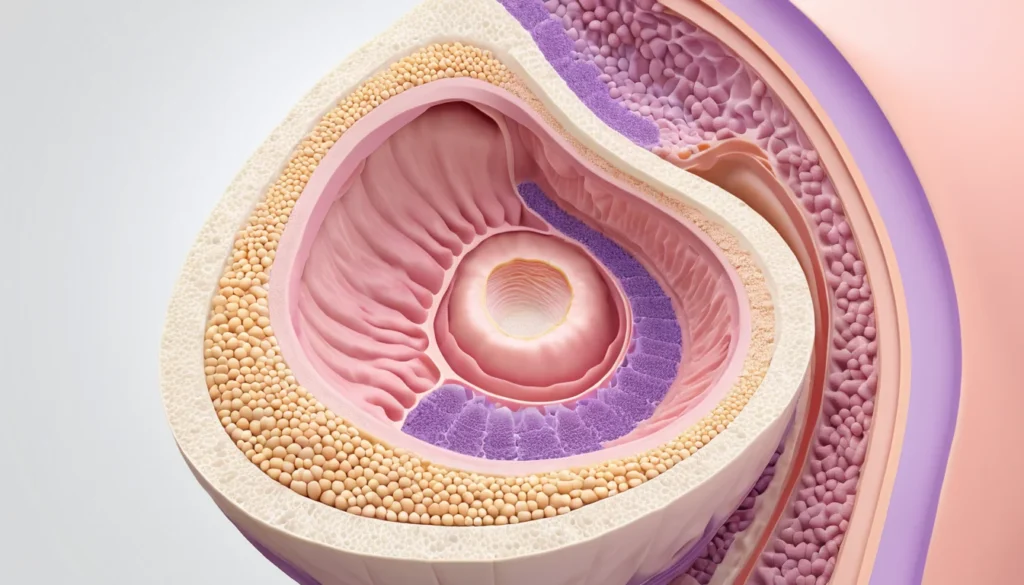
Vaginal fissures are small cuts, tears, or scrapes in the tissue of the vagina. They are more common than many people realise, and they affect sexually active women of all ages. While they are usually not a serious medical condition, they can cause significant discomfort and affect your daily life. The good news is that vaginal fissures are treatable, and there are clear steps you can take to prevent them.
What Are Vaginal Fissures?
Vaginal fissures are breaks or cracks in the delicate skin and tissue lining the vaginal area. Many women describe the pain as similar to a paper cut — sharp, stinging, and uncomfortable, especially during urination or bathing.
Although vaginal fissures are considered a minor medical issue, they can cause longer-term health problems if left untreated. They can also negatively affect a woman’s sexual health and overall wellbeing. In addition, vaginal fissures are sometimes mistaken for genital herpes or other skin conditions, so it is important to get a proper diagnosis from a healthcare provider.
If you notice recurring cuts or soreness in the vaginal area, speak with your family doctor or visit a walk-in clinic. A proper assessment will help rule out other conditions and get you the right treatment quickly.
Common Causes of Vaginal Fissures
Several factors can lead to vaginal fissures. Understanding the causes is the first step toward preventing them. Most experts agree that the number one cause is insufficient vaginal lubrication during sexual activity.
Vaginal Dryness
When a woman is sexually aroused, the vagina naturally produces fluids that reduce friction during intercourse. However, if the vagina is not adequately lubricated, vaginal dryness can occur. Vaginal dryness is the leading trigger for vaginal fissures. It can result from hormonal changes, stress, certain medications, or simply not enough foreplay before intercourse.
Menopause and Hormonal Changes
Women in their reproductive years generally have higher levels of natural vaginal moisture. During menopause, oestrogen levels begin to drop. This hormonal shift can cause the vaginal tissues to become thinner, drier, and less elastic — a condition known as vaginal atrophy. As a result, even everyday activities can lead to vaginal fissures in post-menopausal women.
If you are going through menopause and experiencing vaginal discomfort, Health Canada recommends speaking with your doctor about safe treatment options, including hormone therapy or topical oestrogen creams.
Insufficient Foreplay
Sexual arousal triggers the production of natural vaginal lubrication. When foreplay is too brief, the vagina may not produce enough fluid before penetration begins. This lack of preparation increases the risk of friction and tissue damage. Simply put, if a woman is not sufficiently aroused before intercourse, vaginal fissures are more likely to occur.
History of Trauma or Abuse
A history of sexual abuse or trauma can make relaxation and arousal during sexual activity very difficult. Experts note that women who have experienced abuse may find it hard to feel comfortable during intimacy. This can reduce natural lubrication and increase the risk of tissue injury. If this applies to you, speaking with a counsellor or therapist alongside your doctor can be very helpful.
Sexual Toys and Certain Positions
Some sexual positions create more friction or pressure on vaginal tissues. Furthermore, certain sexual toys may be made from materials that irritate the skin, or they may have edges or shapes that cause small tears. Choosing body-safe, smooth materials and using plenty of lubricant can help reduce this risk.
Vaginal Fissures in Young Girls
Vaginal fissures are not limited to adult women. Young girls can also develop them, particularly following a fungal infection or injury to the delicate vaginal tissue. In children, fissures can be harder to identify. A child may not be able to clearly describe the discomfort they are feeling.
However, parents and caregivers should watch for signs such as a burning or stinging sensation in the vaginal area, especially during bathing or urination. If a young girl complains of pain in this area, it is important to take her to see a family doctor or paediatrician promptly. Do not attempt to diagnose or treat vaginal fissures in children at home.
Treatment Options for Vaginal Fissures
Treatment for vaginal fissures depends on the underlying cause. A healthcare provider may prescribe antibiotics if the fissures are related to a bacterial infection. Topical creams or ointments may also be recommended to support healing. Always follow your doctor’s advice before trying any home remedy.
Medical Treatments
Your family doctor or a specialist may recommend one or more of the following, depending on your situation:
Antibiotic creams or oral antibiotics — used when a bacterial infection is present
Antifungal treatments — prescribed when a yeast infection is contributing to the fissures
Topical oestrogen creams — helpful for post-menopausal women dealing with vaginal atrophy
Prescription moisturisers or lubricants — to restore natural moisture to vaginal tissues
According to the Mayo Clinic, vaginal dryness and related tissue damage are very treatable conditions. Early intervention leads to faster recovery and fewer complications.
Home Remedies to Support Healing
In addition to medical treatment, some home-based approaches may help soothe discomfort and support recovery. These should complement — not replace — your doctor’s recommended treatment plan.
Organic oils: Applying a small amount of coconut oil or olive oil to the affected area may help soothe irritated skin and support healing. These oils are generally gentle on sensitive tissue.
Aloe vera gel: Pure aloe vera gel can help keep the affected area moisturised and may ease discomfort. Look for products with no added fragrance or alcohol.
Sitz baths: Soaking the affected area in warm, shallow water for 10 to 15 minutes can provide relief from pain. A small amount of hydrogen peroxide added to the water may offer mild antiseptic benefits.
Avoid scented products: Scented wipes, toilet paper, and intimate hygiene sprays can irritate delicate vaginal tissue and make fissures worse. Switch to fragrance-free alternatives during recovery.
Avoid tampon use: Women who are prone to vaginal fissures should avoid internal tampons during recovery, as they may cause further irritation or damage.
Lifestyle Changes That Support Recovery
A balanced diet rich in vitamins and fibre supports your body’s ability to heal. Staying well hydrated also helps maintain natural tissue moisture throughout the body. In addition, avoiding smoking and limiting alcohol consumption can improve overall tissue health and speed up recovery.
Furthermore, abstaining from sexual activity while vaginal fissures are healing is strongly recommended. Continuing intercourse can worsen the tears and reduce the effectiveness of any treatment. Incorporating gentle exercise, relaxation practices, and stress management into your routine can also support your overall vaginal health.
How to Prevent Vaginal Fissures
Prevention is always better than treatment. Fortunately, many cases of vaginal fissures are preventable with a few simple habits.
Use a water-based lubricant during sexual activity to reduce friction. This is especially important for women experiencing vaginal dryness.
Allow sufficient time for arousal before intercourse. This gives the body time to produce its own natural lubrication.
Stay hydrated and maintain a healthy, balanced diet to support tissue health.
Choose body-safe sexual products made from non-irritating materials.
Manage hormonal changes by speaking with your doctor about safe options if you are going through menopause.
Wear breathable, cotton underwear to reduce moisture build-up and irritation in the vaginal area.
Avoid douching and harsh soaps in the vaginal area. These disrupt the natural pH balance and can increase the risk of infection and tissue damage.
For more information on maintaining healthy vaginal tissue, Healthline’s women’s health resources offer practical, evidence-based guidance.
When to See a Doctor
It is important to see a healthcare provider if you notice vaginal cuts, tears, or soreness that do not heal within a few days. You should also seek medical attention if you experience bleeding, unusual discharge, a strong odour, or significant pain during urination or intercourse.
In Canada, you can speak with your family doctor, visit a walk-in clinic, or contact a women’s health centre in your area. Most provincial health plans cover visits related to vaginal health concerns, so do not let cost be a barrier to getting checked out. Early diagnosis makes treatment faster and more effective.
If you are unsure whether what you are experiencing is a vaginal fissure or another condition such as a yeast infection, bacterial vaginosis, or genital herpes, only a healthcare professional can give you an accurate diagnosis. Please do not rely solely on home treatment for a condition you have not had properly assessed.
Frequently Asked Questions About Vaginal Fissures
What do vaginal fissures feel like?
Most women describe vaginal fissures as feeling like a small paper cut in the vaginal area. The pain is often sharp and stinging, particularly during urination, bathing, or sexual activity. Some women also notice mild swelling or redness around the affected area.
How long does it take for vaginal fissures to heal?
Minor vaginal fissures typically heal within one to two weeks with proper care and rest. However, healing time depends on the cause and severity of the fissures, as well as whether you avoid activities that could worsen them. If your fissures are not improving after two weeks, see your doctor for further assessment.
Are vaginal fissures a sign of an STI?
Vaginal fissures are not always a sign of a sexually transmitted infection, but they can sometimes be confused with symptoms of genital herpes or other STIs. It is important to see a healthcare provider for a proper diagnosis, especially if fissures are recurring or accompanied by blisters, ulcers, or unusual discharge.
Can vaginal dryness cause fissures?
Yes, vaginal dryness is one of the most common causes of vaginal fissures. When there is not enough natural lubrication during sexual activity, friction can cause small tears in the vaginal tissue. Using a water-based lubricant and ensuring adequate arousal before intercourse can greatly reduce this risk.
Can menopause cause vaginal fissures?
Yes, menopause can contribute to vaginal fissures. As oestrogen levels decline, vaginal tissues become thinner, drier, and more fragile — a condition called vaginal atrophy. This makes the tissue more prone to small tears and fissures, even without sexual activity. Speak with your doctor about safe treatment options to manage this.
Should I avoid sex if I have vaginal fissures?
Yes, it is strongly recommended to avoid sexual intercourse while vaginal fissures are healing. Continuing sexual activity can worsen the tears, introduce bacteria, and slow recovery. Wait until the fissures have fully healed before resuming intercourse, and speak with your doctor if you are unsure when it is safe to do so.
Key Takeaways
Vaginal fissures are small cuts or tears in vaginal tissue that cause pain and discomfort.
The most common cause is vaginal dryness due to insufficient lubrication during sexual activity.
Other causes include menopause, insufficient foreplay, past trauma, and certain sexual products.
Treatment depends on the cause and may include prescription creams, antibiotics, or hormonal therapy.
Home care such as organic oils, aloe vera, sitz baths, and avoiding irritants can support healing.
Avoid sexual activity until fissures have fully healed to prevent worsening.
See your family doctor or a walk-in clinic if symptoms do not improve or if you are unsure of the cause.
Most cases of vaginal fissures are preventable and treatable with the right care and attention.