Vaginal dryness is a common condition that affects many women, especially during and after menopause. It can cause discomfort, itching, and pain during sex. However, it can also occur at any age and for a variety of reasons. The good news is that effective treatments are available, and you don’t have to simply put up with it.
What Is Vaginal Dryness?
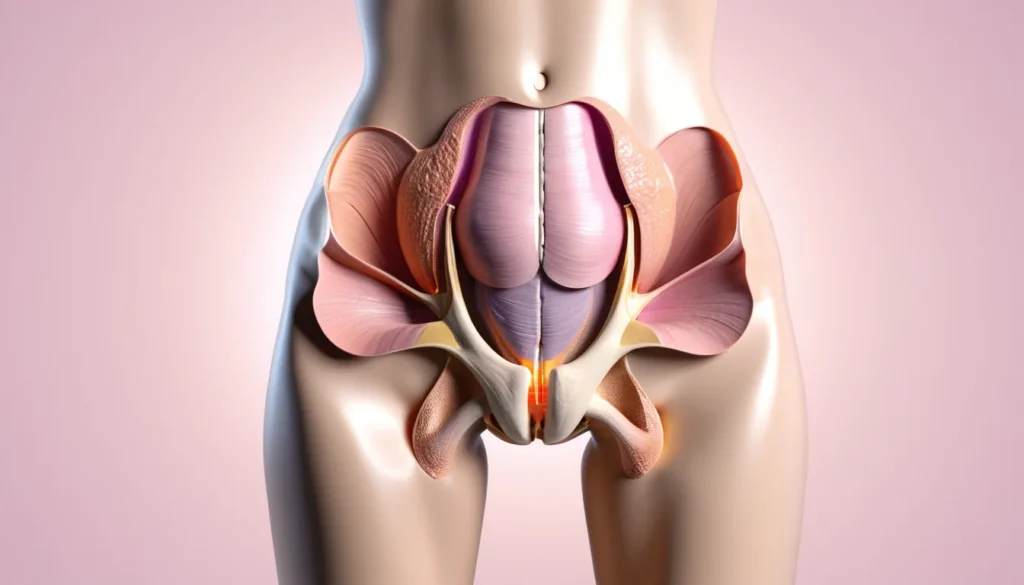
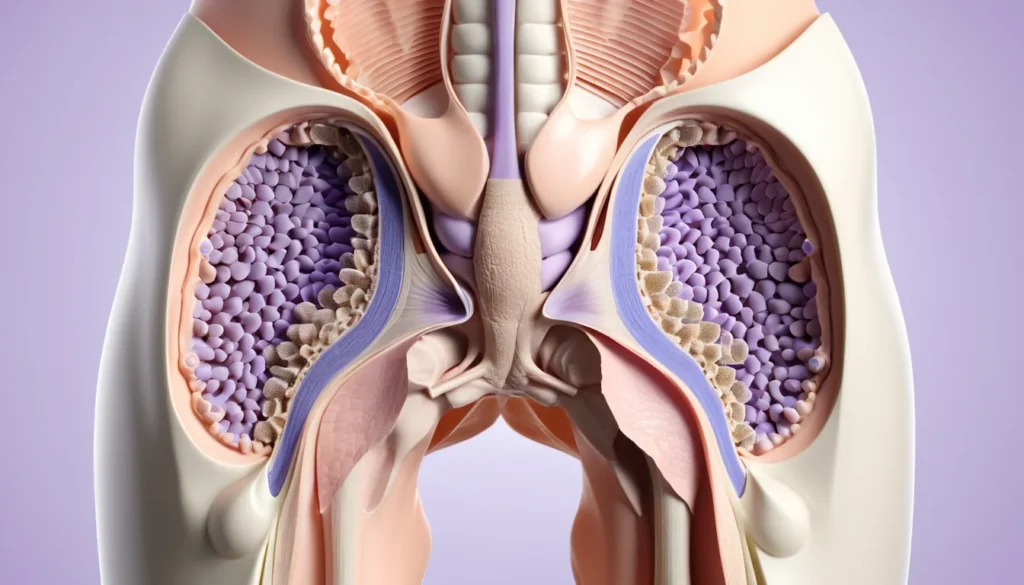
The walls of the vagina are normally coated with a thin layer of moisture. This fluid keeps the vaginal lining healthy, flexible, and comfortable. When that moisture decreases, the tissue can become thin, fragile, and easily irritated.
This condition is more common than many people realize. According to Mayo Clinic, vaginal dryness affects roughly half of postmenopausal women — yet many never bring it up with their doctor. Talking openly with your healthcare provider is the first step toward relief.
Common Causes of Vaginal Dryness
The most common cause of vaginal dryness is a drop in estrogen levels. Estrogen is a hormone that keeps vaginal tissue healthy, lubricated, and elastic. When estrogen falls, the vaginal lining becomes thinner and drier.
However, estrogen is not the only factor. Several conditions and lifestyle habits can contribute to this problem.
Hormonal Changes
Estrogen levels naturally decline during certain life stages. These include:
Menopause and perimenopause
Childbirth and breastfeeding
Removal of the ovaries (surgical menopause)
Decline in ovarian function due to cancer treatments, such as chemotherapy, radiation, or hormonal therapy
During breastfeeding, for example, estrogen stays low to support milk production. As a result, some new mothers experience vaginal dryness even at a young age. This is completely normal and usually improves once breastfeeding ends.
Medications and Allergies
Certain medications can reduce vaginal moisture as a side effect. These include:
Allergy and cold medications (antihistamines)
Some antidepressants
Medications that suppress estrogen production, such as those used in breast cancer treatment
If you suspect a medication is causing your symptoms, speak with your family doctor before stopping or changing any prescription.
Autoimmune Conditions
Sjögren’s syndrome is an autoimmune condition where the immune system attacks healthy tissue. It commonly causes dry eyes and dry mouth. In addition, it can also lead to vaginal dryness. Women with Sjögren’s syndrome may need specialized care to manage this symptom.
Douching
Vaginal douching — rinsing the inside of the vagina with water or other fluids — disrupts the vagina’s natural chemical balance. This can lead to inflammation (vaginitis) and dryness. Health experts, including Healthline, strongly advise against douching for this reason.
Smoking
Smoking affects blood circulation and can lower estrogen levels in the body. Therefore, women who smoke may experience more severe or earlier-onset vaginal dryness. Quitting smoking can improve overall hormonal health over time.
Symptoms of Vaginal Dryness
The symptoms of vaginal dryness can range from mildly annoying to significantly disruptive. Many women feel embarrassed to mention these symptoms, but they are very common and very treatable.
Common signs and symptoms include:
Itching or irritation in the vaginal area
A burning sensation
Sensitivity or soreness
Pain or light bleeding during sex
Frequent urination or a sudden strong urge to urinate
Furthermore, vaginal dryness can affect your confidence and your relationship. It is important to know that these symptoms are a medical issue — not something you simply have to accept.
How Is Vaginal Dryness Diagnosed?
Your doctor will start by asking about your medical history and your symptoms. They will want to know how long you have had the symptoms and whether anything makes them worse.
Next, your doctor will likely perform a pelvic exam. During this exam, they will look for signs of thinning or redness of the vaginal lining. This also helps rule out other causes of discomfort, such as a urinary tract infection (UTI) or a vaginal infection.
In some cases, your doctor may recommend a Pap test to check the overall health of your reproductive system. This is a routine part of women’s preventive care in Canada and is covered under most provincial health plans.
Treatment Options for Vaginal Dryness
There are several effective ways to treat vaginal dryness. Your doctor will help you choose the best option based on your health history and the severity of your symptoms.
Topical Estrogen Therapy
The most common medical treatment is local (topical) estrogen therapy. This delivers estrogen directly to the vaginal tissue. It relieves symptoms effectively without raising estrogen levels in the bloodstream as much as oral hormone therapy does.
There are three main forms of vaginal estrogen available in Canada:
Vaginal ring: A soft, flexible ring inserted into the vagina. It releases a steady, low dose of estrogen directly to the tissue. The ring is replaced every three months.
Vaginal tablets: A small tablet inserted with a single-use applicator. It is used once daily for the first two weeks, then twice a week as symptoms improve.
Vaginal cream: Applied with an applicator inside the vagina. Depending on the type, it may be used daily for two to four weeks, then reduced to once every three weeks.
All estrogen-containing products can have side effects. These may include vaginal bleeding or breast tenderness. Topical estrogen is generally not recommended for women who:
Have breast cancer, especially if taking an aromatase inhibitor
Have a personal or family history of endometrial cancer
Have unexplained vaginal bleeding
Are pregnant or breastfeeding
According to Health Canada, the long-term safety of topical estrogen continues to be studied. Many doctors consider it safe for extended use when prescribed appropriately — but always discuss the risks and benefits with your own physician.
Vaginal Lubricants and Moisturisers
If you prefer a non-hormonal option, over-the-counter products can also provide significant relief. Water-based lubricants used just before sexual activity can reduce friction and discomfort right away.
Vaginal moisturisers are different from lubricants — they are used regularly (every few days) to maintain ongoing hydration of the vaginal tissue. Both types are widely available at Canadian pharmacies without a prescription.
However, avoid products that contain perfume, dyes, or warming agents. These can irritate sensitive vaginal tissue and make symptoms worse.
When to See a Doctor About Vaginal Dryness
You should speak with a healthcare provider any time vaginal dryness causes you discomfort or affects your daily life. You do not have to be going through menopause for this to be worth addressing.
In Canada, you have several easy options for getting help:
Start with your family doctor, who can assess your symptoms and refer you to a gynaecologist if needed.
Visit a walk-in clinic if you don’t have a family doctor or can’t get a timely appointment.
Many provinces also offer Telehealth services, where you can speak with a registered nurse by phone at no cost.
Seek care promptly if you notice unusual vaginal bleeding, a strong or unpleasant odour, or symptoms that appear suddenly and are severe. These could point to an infection or another condition that needs treatment right away.
How to Prepare for Your Appointment
Getting ready for your appointment will help you make the most of the time with your doctor. A little preparation goes a long way.
Before your visit, consider doing the following:
Write down all your symptoms — even ones that seem unrelated to vaginal dryness.
Note when the symptoms started and what, if anything, makes them better or worse.
List all medications, supplements, and vitamins you currently take.
Write down any questions you want to ask, so you don’t forget them during the appointment.
Your doctor is there to help you — not to judge you. Being open and honest about your symptoms will lead to a faster, more accurate diagnosis.
Frequently Asked Questions About Vaginal Dryness
What is the most common cause of vaginal dryness?
The most common cause of vaginal dryness is a drop in estrogen levels. This most often happens during menopause, but it can also occur after childbirth, during breastfeeding, or as a side effect of certain medications.
Can vaginal dryness affect younger women?
Yes, vaginal dryness can affect women of any age. Younger women may experience it during breastfeeding, after cancer treatment, or as a side effect of certain antidepressants or allergy medications. It is always worth discussing with your doctor, regardless of your age.
Is vaginal dryness a normal part of menopause?
Vaginal dryness is very common during and after menopause, but it is not something you simply have to live with. It is a treatable medical symptom. Many women find significant relief through topical estrogen therapy or over-the-counter lubricants and moisturisers.
What can I use for vaginal dryness without a prescription?
Water-based vaginal lubricants and vaginal moisturisers are available at most Canadian pharmacies without a prescription. Lubricants are used before sexual activity, while moisturisers are used regularly for ongoing relief of vaginal dryness. Always choose fragrance-free, dye-free products to avoid irritation.
Does vaginal dryness mean I have a hormonal imbalance?
Vaginal dryness is often linked to lower estrogen levels, but that is not always the same as a hormonal imbalance. It can be a natural result of life stages like menopause or breastfeeding. However, if you are unsure, your family doctor can order a simple blood test to check your hormone levels.
When should I see a doctor for vaginal dryness?
You should see a doctor if vaginal dryness is causing you pain, discomfort, or affecting your quality of life. You should seek care right away if you notice unusual bleeding, a strong odour, or sudden severe symptoms. Your family doctor or a walk-in clinic can help you get started.
Key Takeaways
Vaginal dryness is common and affects women of all ages, not just those going through menopause.
The most frequent cause is a drop in estrogen levels, but medications, autoimmune conditions, and lifestyle habits can also play a role.
Symptoms include itching, burning, pain during sex, and frequent urination.
Effective treatments include topical estrogen therapy, vaginal lubricants, and vaginal moisturisers.
In Canada, your family doctor, a walk-in clinic, or a provincial Telehealth line are all good starting points for getting help.
Always speak with your doctor before starting any new treatment, especially if you have a history of cancer or other serious health conditions.
This article is for informational purposes only and is not a substitute for professional medical advice. Please consult your family doctor or a qualified healthcare provider if you have concerns about vaginal dryness or any other health symptom.