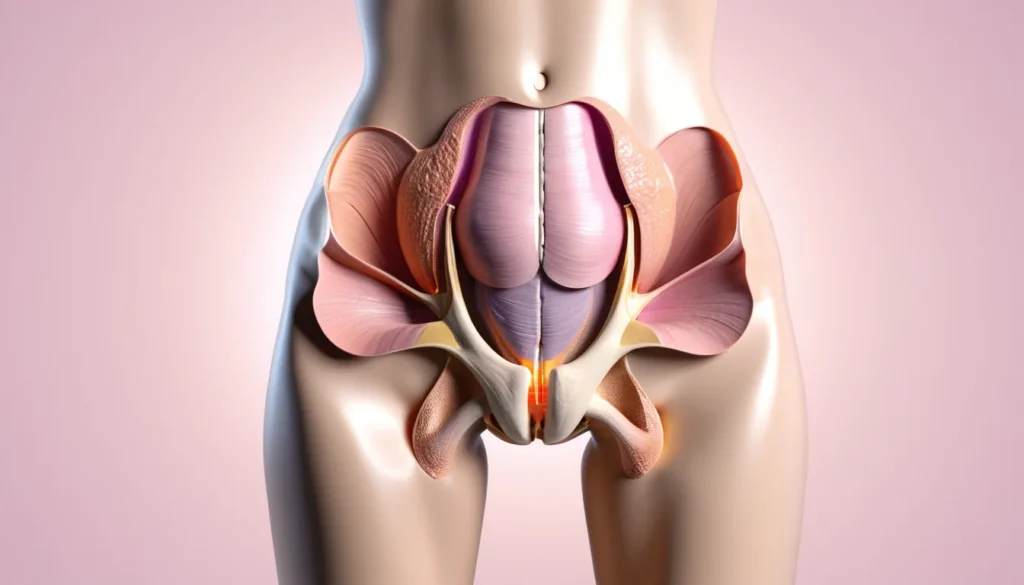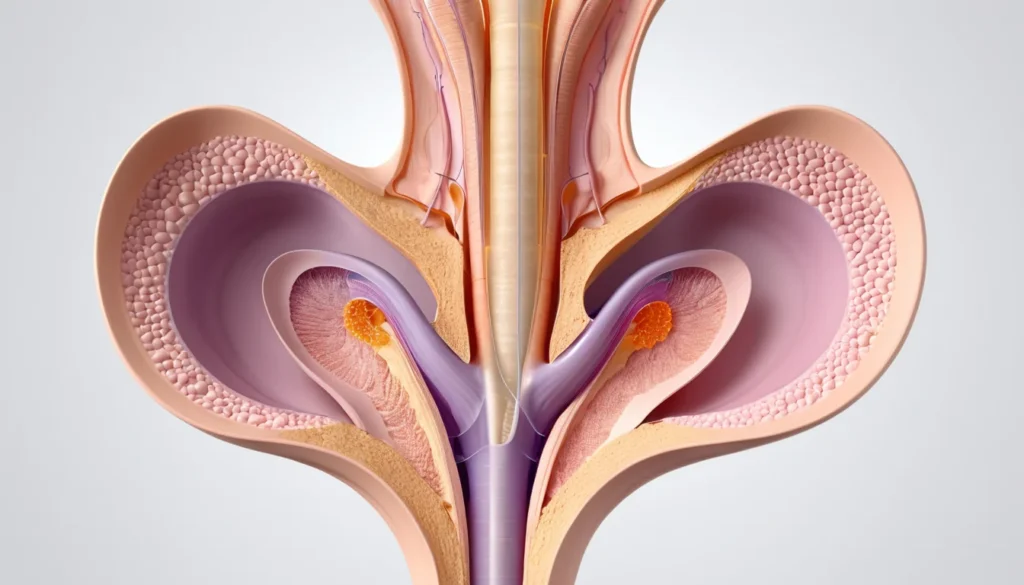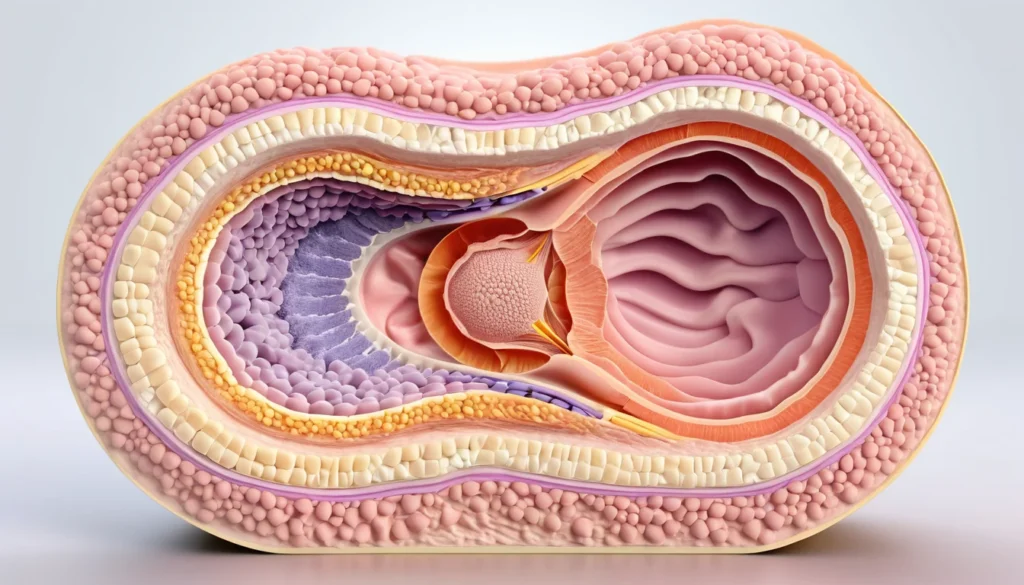
Vaginal atrophy is a common but often overlooked condition that affects many Canadian women, especially after menopause. It happens when the walls of the vagina become thinner, drier, and inflamed due to lower estrogen levels in the body. The good news is that simple, effective treatments are available. You don’t have to live with the discomfort — and your family doctor or a walk-in clinic can help.
What Is Vaginal Atrophy?
Vaginal atrophy occurs when estrogen levels drop, causing the vaginal lining to lose thickness and moisture. The tissue becomes less elastic and more fragile over time. This condition is also closely linked to urinary health, since the vaginal and urinary systems share the same support structures.
Doctors sometimes call this condition genitourinary syndrome of menopause (GSM). This broader term covers both vaginal and urinary symptoms caused by low estrogen. However, many people still use “vaginal atrophy” in everyday conversation, and both terms refer to the same underlying problem.
According to Mayo Clinic’s overview of vaginal atrophy, more than half of postmenopausal women experience this condition. Despite how common it is, very few women seek treatment. Many feel embarrassed to bring it up with their doctor, or they simply assume it’s a normal part of aging that they must accept.
That assumption is not true. Vaginal atrophy is treatable, and getting help can significantly improve your quality of life.
Symptoms of Vaginal Atrophy
Vaginal atrophy can cause a wide range of symptoms. These can be mild, moderate, or severe. They may appear gradually after menopause, or they might begin during perimenopause — the years leading up to menopause.
Vaginal Symptoms
The most common vaginal symptoms include:
Vaginal dryness
A burning or itching sensation in the vagina
Watery vaginal discharge
Light bleeding or spotting after sexual intercourse
Discomfort or pain during sex
A narrowing or shortening of the vaginal canal
Pain during sex is one of the most disruptive symptoms. As a result, many women find that their interest in sexual activity decreases over time. This is a natural response to discomfort, not a personal failing.
Urinary Symptoms
Because the vaginal and urinary systems are so closely connected, vaginal atrophy can also affect the bladder and urethra. Urinary symptoms may include:
A burning sensation when urinating
A sudden, urgent need to urinate
More frequent urination
More frequent urinary tract infections (UTIs)
Urinary incontinence (leaking urine)
These urinary changes are part of what makes genitourinary syndrome of menopause a broader health concern. Furthermore, recurring UTIs can be frustrating and may go unexplained unless vaginal atrophy is identified as the root cause.
What Causes Vaginal Atrophy?
The direct cause of vaginal atrophy is a drop in estrogen levels. Estrogen is the hormone that keeps vaginal tissue healthy, moist, and flexible. When estrogen levels fall, the tissue thins and dries out.
This drop in estrogen can happen for several reasons, not just menopause. Common causes include:
Menopause — the most common cause
Perimenopause — the transition years before menopause
Breastfeeding — estrogen naturally drops while nursing
Surgical removal of both ovaries — this causes sudden menopause
Pelvic radiation therapy for cancer treatment
Chemotherapy for cancer
Hormone therapy used to treat breast cancer
It’s important to note that not every woman going through menopause will develop vaginal atrophy. Regular sexual activity helps maintain healthy blood flow to vaginal tissue, which may reduce the risk or delay onset.
Risk Factors for Vaginal Atrophy
Certain factors can make vaginal atrophy more likely or more severe. Understanding these risks can help you and your doctor take preventive steps.
Smoking
Smoking is one of the most significant risk factors. It reduces blood flow throughout the body, including to vaginal tissue. This lack of circulation speeds up atrophic changes. In addition, smoking lowers the body’s natural estrogen levels and makes estrogen therapy less effective. Women who smoke also tend to reach menopause earlier than non-smokers.
Never Having Had a Vaginal Birth
Research suggests that women who have never given birth vaginally may have a higher risk of developing vaginal atrophy. The reasons are not fully understood, but pelvic floor changes related to childbirth may play a role. However, this does not mean that having given birth protects you entirely from this condition.
Complications of Vaginal Atrophy
If left untreated, vaginal atrophy can lead to further health problems. Therefore, it’s worth addressing symptoms early rather than waiting.
Possible complications include:
Vaginal infections (vaginitis) — Atrophy changes the natural acid balance of the vagina, making it easier for bacteria, fungi, and other organisms to grow.
Tears or sores in vaginal tissue — As the lining thins, it becomes more prone to small injuries from friction or recurring infections.
Urinary problems — Changes in vaginal tissue affect the nearby urinary tract, potentially causing bladder control issues or repeated UTIs.
For more information on how estrogen affects women’s health, visit Health Canada’s resource on hormone therapy for women.
When to See a Doctor
Many women feel embarrassed to talk about vaginal symptoms, but your doctor has heard these concerns many times before. You deserve comfortable, healthy living at every age — and that includes your vaginal and urinary health.
You should book an appointment with your family doctor or visit a walk-in clinic if you experience:
Pain during sex that doesn’t improve with an over-the-counter lubricant
Unusual vaginal bleeding not related to your menstrual cycle
Abnormal vaginal discharge
Persistent burning, itching, or irritation in the vaginal area
Recurring urinary tract infections
Your family doctor may refer you to a gynaecologist for a more detailed assessment. Most provincial health plans in Canada cover these referrals. You do not need to manage these symptoms on your own.
When you go to your appointment, your doctor will likely ask about your symptoms, their duration, your menstrual history, and any medications or supplements you take. They may also ask whether you’ve tried over-the-counter moisturisers or lubricants. Being open and honest will help your doctor find the best treatment for you.
How Is Vaginal Atrophy Diagnosed?
Your doctor can diagnose vaginal atrophy through a few straightforward steps. There is nothing to fear about the assessment process.
Diagnosis typically involves:
A pelvic exam — Your doctor examines the external genitals, vagina, and cervix. They check for signs of thinning tissue or pelvic organ prolapse.
A Pap test (Pap smear) — Your doctor collects a small sample of cervical cells for examination. They may also test vaginal discharge or use pH paper to check the acidity of the vagina.
A urine test — If you also have urinary symptoms, your doctor may analyse a urine sample to check for infection or other issues.
Treatment Options for Vaginal Atrophy
Treatment for vaginal atrophy depends on the severity of your symptoms and your overall health. There are several effective options available to Canadian women.
Non-Hormonal Treatments
If your symptoms are mild, non-hormonal options may be enough. Over-the-counter vaginal moisturisers can be used regularly to keep tissue hydrated. Vaginal lubricants are helpful during sexual activity to reduce discomfort. These products are available at most pharmacies without a prescription.
Hormonal Treatments
For moderate to severe symptoms, your doctor may recommend local estrogen therapy. This comes in the form of a vaginal cream, ring, or tablet that delivers a small amount of estrogen directly to vaginal tissue. Because it works locally, very little estrogen is absorbed into the bloodstream.
In some cases, systemic hormone therapy (HT) may be considered. This involves taking estrogen in pill, patch, or spray form to treat broader menopause symptoms. Your doctor will weigh the benefits and risks based on your personal health history.
For women who cannot use estrogen — for example, those with a history of hormone-sensitive breast cancer — there are non-estrogen prescription options available. Your doctor or gynaecologist can advise you on these alternatives.
To learn more about treatment approaches, Healthline’s guide to vaginal atrophy treatment provides a helpful overview of current options.
Frequently Asked Questions About Vaginal Atrophy
What is vaginal atrophy and is it serious?
Vaginal atrophy is a condition where the vaginal walls become thin, dry, and inflamed due to low estrogen levels. It is very common, especially after menopause, and while it is not life-threatening, it can seriously affect your comfort and quality of life. The good news is that vaginal atrophy is treatable, and many women see significant improvement with the right care.
Can vaginal atrophy be reversed?
Vaginal atrophy cannot always be fully reversed, but symptoms can be greatly reduced with proper treatment. Local estrogen therapy, vaginal moisturisers, and lubricants can restore comfort and improve tissue health over time. Many women find that their symptoms improve significantly within a few weeks of starting treatment.
What does vaginal atrophy feel like?
Vaginal atrophy often feels like persistent dryness, burning, or itching in the vaginal area. Many women also experience pain or discomfort during sex. Some women notice urinary symptoms too, such as burning when urinating or a frequent, urgent need to use the washroom.
Does vaginal atrophy happen to all women after menopause?
No, not all women develop vaginal atrophy after menopause, although it is very common. Estimates suggest that more than half of postmenopausal women experience some degree of vaginal atrophy. Staying sexually active and maintaining good overall health may help reduce the risk or delay its onset.
Is vaginal atrophy covered by provincial health plans in Canada?
Visits to your family doctor or a gynaecologist for vaginal atrophy are generally covered by provincial health plans across Canada. Some prescription treatments, such as local estrogen therapy, may also be covered depending on your province and drug benefit plan. It’s worth checking with your provincial health authority or pharmacist to understand what is available to you.
Can I treat vaginal atrophy without hormones?
Yes, there are non-hormonal options for managing vaginal atrophy. Over-the-counter vaginal moisturisers and lubricants can help relieve dryness and discomfort without any hormones. For women who cannot use estrogen therapy, your doctor can discuss prescription non-hormonal alternatives that may be suitable for you.
Key Takeaways
Vaginal atrophy is caused by low estrogen levels and is most common after menopause, but it can also affect women who are breastfeeding or undergoing certain cancer treatments.
Symptoms include vaginal dryness, burning, pain during sex, and urinary problems such as frequent UTIs or incontinence.
Smoking and never having had a vaginal birth are the main risk factors beyond menopause itself.
Untreated vaginal atrophy can lead to vaginal infections, tissue damage, and worsening urinary symptoms.
Effective treatments are available, including over-the-counter lubricants and moisturisers, local estrogen therapy, and non-hormonal prescription options.
If you are experiencing symptoms, speak with your family doctor or visit a walk-in clinic. Most provincial health plans cover these consultations.
This article is for informational purposes only and does not replace professional medical advice. Always consult your family doctor or a qualified healthcare provider before starting any treatment for vaginal atrophy or any other health condition.