Vaginal agenesis surgery is a surgical procedure that creates a vaginal canal in people who were born without one. This condition is called vaginal agenesis, and it is a rare but real part of human development. One of the most well-known techniques used to treat this condition is the McIndoe procedure. This article explains what vaginal agenesis is, how the surgery works, what recovery looks like, and how to access care in Canada.
What Is Vaginal Agenesis?
Vaginal agenesis is a condition where the vagina does not develop properly before birth. In some cases, the vagina is completely absent. In others, it may be very short or partially formed.
This condition is most often associated with a diagnosis called Mayer-Rokitansky-Küster-Hauser (MRKH) syndrome. People with MRKH syndrome are typically born with female chromosomes (XX) but are missing or have an underdeveloped uterus and vagina. The ovaries, however, are usually present and functional.
Vaginal agenesis is not something a person causes or controls. It happens during fetal development, when certain structures do not form as expected. It is estimated to affect approximately 1 in every 4,500 to 5,000 females at birth. For more background, the World Health Organization provides resources on reproductive health conditions and their global impact.
How Is Vaginal Agenesis Diagnosed?
Many people discover they have vaginal agenesis during their teenage years. A common sign is the absence of menstrual periods by age 16, even when other signs of puberty are present. A family doctor or gynaecologist can identify this condition through a physical exam and imaging tests such as an ultrasound or MRI.
In Canada, a referral from your family doctor or walk-in clinic can connect you with a specialist. A gynaecologist or reproductive health specialist will guide you through diagnosis. Early diagnosis makes it easier to explore all available treatment options, including vaginal agenesis surgery.
It is important to know that this condition does not affect a person’s gender identity, sexual orientation, or overall health. However, it can affect fertility and sexual function, which is why many people choose to pursue treatment.
Vaginal Agenesis Surgery: The McIndoe Procedure Explained
The McIndoe procedure is one of the most widely used surgical approaches for vaginal agenesis surgery. It was developed and refined over decades by several surgeons, which is why it carries multiple names in medical literature. The goal of this surgery is to create a functional vaginal canal between the bladder and the rectum.
How the Surgery Works
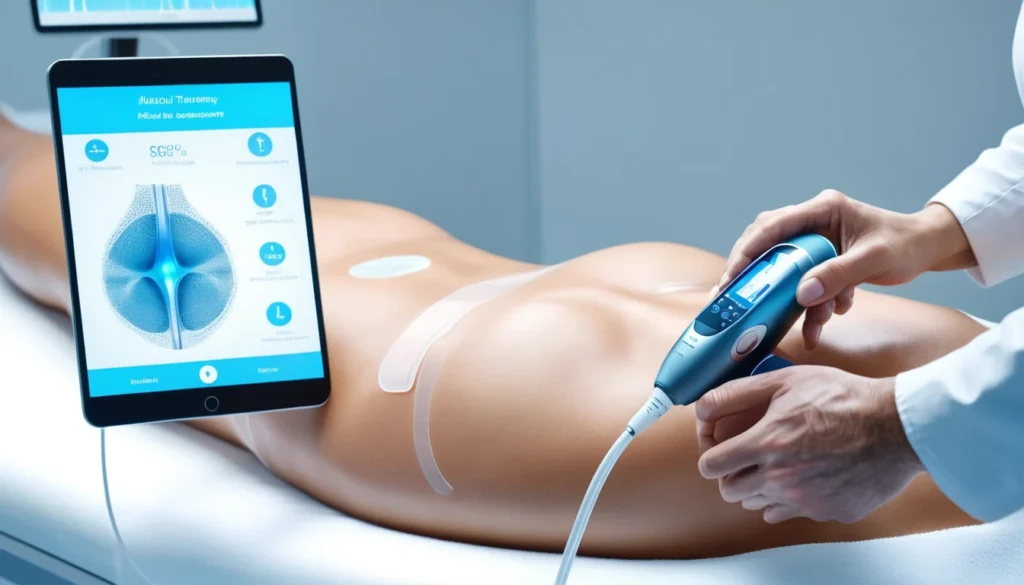
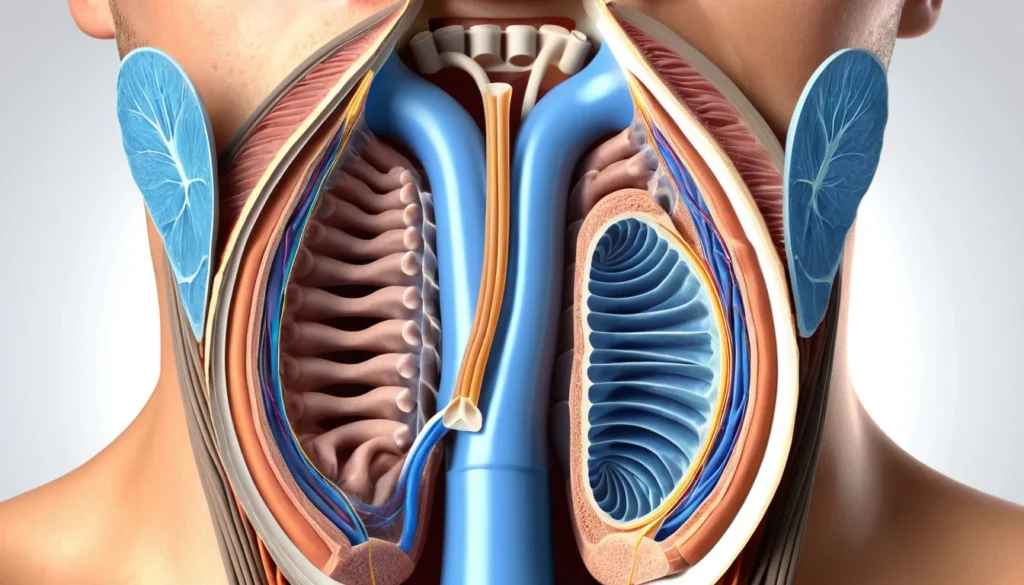
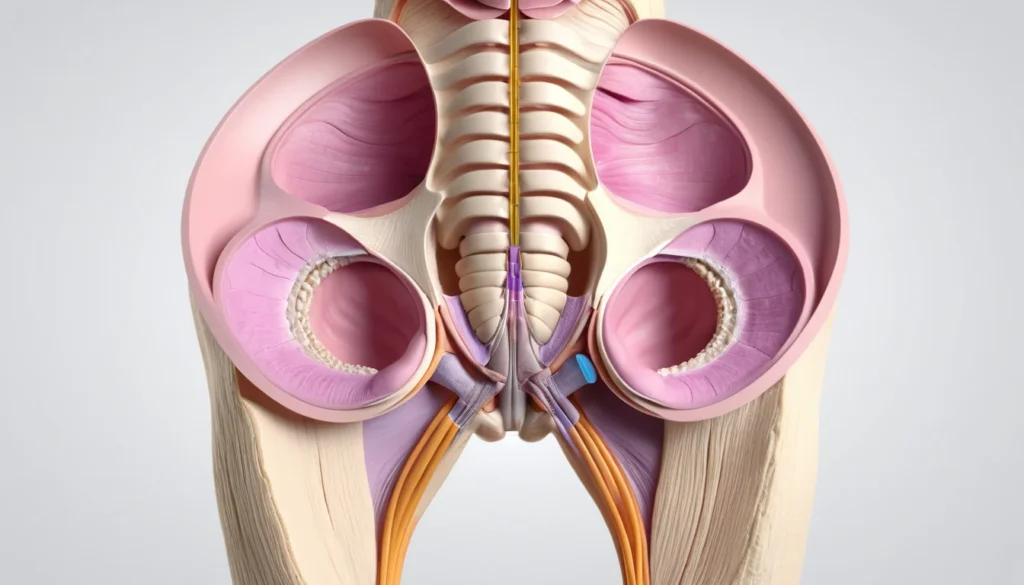
During the McIndoe procedure, a surgeon carefully creates a space between the rectum and the urinary bladder. This space becomes the new vaginal canal. A mould or stent is placed inside this space to help it hold its shape during healing.
In some versions of the procedure, a skin graft is used to line the new canal. The graft is typically taken from the inner thigh or buttock area. In other cases, other tissue sources or biological materials may be used. The surgical team chooses the best approach based on the individual patient’s anatomy and health.
The surgery is performed under general anaesthesia and usually takes place in a hospital setting. It is considered a major surgical procedure, so a thorough pre-operative evaluation is required beforehand. You can read more about surgical options for this condition on Mayo Clinic’s reproductive health pages.
Non-Surgical Alternatives
Not everyone with vaginal agenesis requires surgery right away. In some cases, doctors recommend vaginal dilation therapy as a first step. This non-surgical method uses gradually increasing dilators to stretch and expand existing vaginal tissue over time.
Dilation therapy can be effective for people with partial vaginal development. It requires consistency and patience, but it avoids the risks associated with surgery. Your healthcare provider will help you decide which approach is most appropriate for your situation.
Who Is a Candidate for Vaginal Agenesis Surgery?
Vaginal agenesis surgery is typically recommended for people who have not responded to non-surgical dilation therapy. It may also be considered when the degree of vaginal absence makes dilation impractical or unlikely to succeed.
Candidates are usually in good overall health and old enough to make informed decisions about their care. In Canada, surgeons will work closely with patients and, where appropriate, their families to ensure full understanding and consent before proceeding.
Psychological support is also an important part of the process. Many surgical centres offer counselling or referrals to mental health professionals who specialise in sexual and reproductive health. This support helps patients prepare emotionally for surgery and recovery.
What to Expect During Recovery
Recovery from vaginal agenesis surgery takes time and commitment. In the days immediately following the procedure, patients typically remain in hospital for monitoring. Pain management, wound care, and infection prevention are all priorities during this phase.
Post-Surgical Dilation
After surgery, regular use of vaginal dilators is essential. This helps the new canal remain open and functional as it heals. Dilation must continue for an extended period, sometimes for a year or more, to maintain the results of the surgery.
Your surgical team will provide a detailed dilation schedule and instructions. Following this schedule carefully is one of the most important factors in a successful long-term outcome. Missing dilation sessions can cause the canal to narrow again, which may require additional treatment.
Long-Term Recovery and Follow-Up
Full recovery from vaginal agenesis surgery typically takes several months. Most people can return to light activities within a few weeks, but more strenuous activities should wait until cleared by the surgeon. Sexual activity is usually possible several months after surgery, once healing is confirmed.
Regular follow-up appointments with your gynaecologist or surgeon are important throughout the recovery period. These visits allow the care team to monitor healing, address concerns, and adjust the dilation programme as needed. Long-term outcomes for vaginal agenesis surgery are generally positive when patients follow their post-operative care plan.
Accessing Vaginal Agenesis Surgery in Canada
In Canada, vaginal agenesis surgery is available through the public healthcare system, though access and wait times may vary by province or territory. Coverage under provincial health plans depends on the specific procedure and your province’s guidelines. It is worth speaking with your family doctor to understand what is covered in your area.
Referrals to a gynaecologist or a paediatric and adolescent gynaecology (PAG) specialist are typically the first step. Major academic hospitals and women’s health centres in cities like Toronto, Vancouver, Calgary, and Montreal have experience treating this condition. For reliable health information to discuss with your provider, Healthline’s guide to vaginal agenesis offers a helpful overview.
If you are unsure where to start, a walk-in clinic can provide an initial assessment and refer you appropriately. You do not need to navigate this alone. Canada’s healthcare system has specialists trained to support people through every step of diagnosis and treatment.
Emotional and Psychological Well-Being
Learning about a diagnosis like vaginal agenesis can bring up many emotions. Feelings of confusion, sadness, or anxiety are completely understandable and very common. However, it is important to know that this condition does not define who you are or what kind of life you can live.
Many people with vaginal agenesis go on to have fulfilling relationships and rich, meaningful lives. With the right medical and emotional support, the challenges associated with this condition are very manageable. Support groups and peer networks also exist in Canada for people navigating similar experiences.
Talking to a counsellor, psychologist, or social worker who understands reproductive health can be incredibly helpful. Ask your family doctor or specialist for a referral if you feel you could benefit from this kind of support.
When to See a Doctor
You should speak with a doctor if you or someone you care for has not had a menstrual period by age 16, especially if other signs of puberty have appeared. This is one of the most common early signs of vaginal agenesis and is worth investigating promptly.
You should also see a doctor if you experience difficulty or pain during attempts at sexual activity, or if you have questions about your reproductive anatomy. A family doctor or walk-in clinic is a good starting point. They can perform an initial assessment and refer you to a gynaecologist or specialist.
Always consult a qualified healthcare provider before making any decisions about surgery or treatment. Every person’s situation is unique, and a professional evaluation is essential for safe and appropriate care.
What is vaginal agenesis surgery and who needs it?
Vaginal agenesis surgery is a procedure that creates a vaginal canal in people born without one. It is most commonly needed by individuals diagnosed with MRKH syndrome. Not everyone requires surgery, as non-surgical dilation therapy is sometimes effective.
Is the McIndoe procedure the only option for vaginal agenesis?
No, the McIndoe procedure is one of several approaches to vaginal agenesis surgery. Non-surgical dilation therapy is often tried first, and there are also other surgical techniques available. Your specialist will recommend the best option based on your individual anatomy and health.
Is vaginal agenesis surgery covered by provincial health plans in Canada?
Coverage for vaginal agenesis surgery varies depending on your province or territory and the specific procedure recommended. It is best to speak with your family doctor and contact your provincial health plan directly to confirm what is covered. A specialist referral is usually required to begin the process.
What is recovery like after vaginal agenesis surgery?
Recovery from vaginal agenesis surgery involves a hospital stay, careful wound care, and a long-term dilation programme to keep the new canal open. Full recovery takes several months, and regular follow-up appointments are essential. Following your surgeon’s post-operative instructions closely gives the best long-term results.
Can people with vaginal agenesis have children?
Most people with vaginal agenesis, particularly those with MRKH syndrome, do not have a uterus and therefore cannot carry a pregnancy. However, the ovaries are usually present and produce eggs, meaning biological parenthood may be possible through surrogacy using the person’s own eggs. A fertility specialist can provide personalised guidance on family planning options.
At what age is vaginal agenesis usually diagnosed?
Vaginal agenesis is most often diagnosed during the teenage years, typically when a person does not begin menstruating by age 16 despite other signs of puberty being present. A family doctor can order imaging tests such as an ultrasound or MRI to confirm the diagnosis. Early diagnosis allows for more time to explore all available treatment options.
Key Takeaways
Vaginal agenesis surgery creates a functional vaginal canal in people born without one.
The McIndoe procedure is a well-established surgical technique that works by creating a space between the bladder and the rectum.
Non-surgical dilation therapy is often the first treatment tried and can be effective for some people.
Recovery requires a long-term commitment to post-surgical dilation to maintain results.
In Canada, access to care begins with your family doctor or walk-in clinic, who can refer you to a specialist.
Emotional and psychological support is an important part of the treatment journey.
Always speak with a qualified healthcare provider before making any decisions about surgery or treatment.