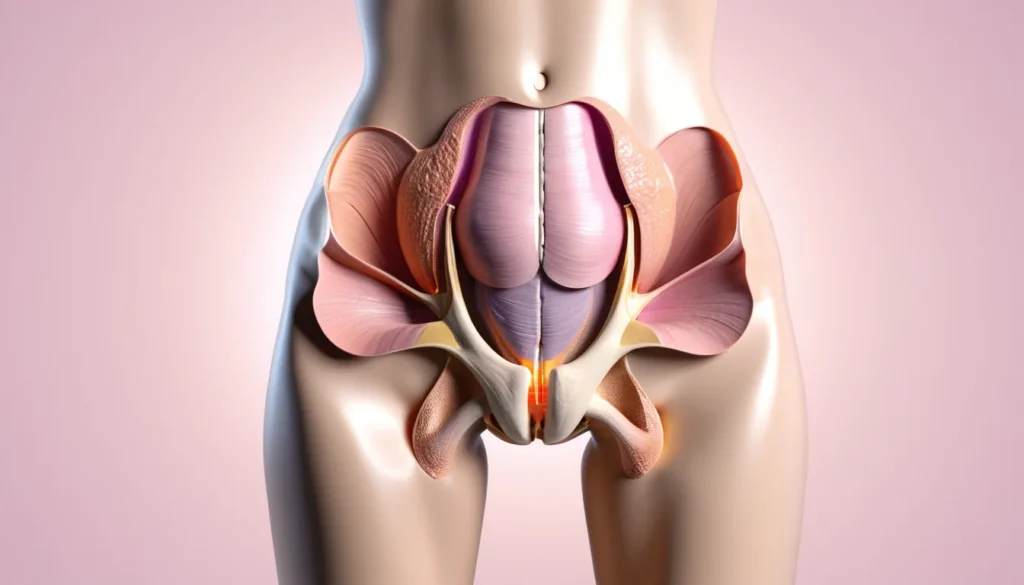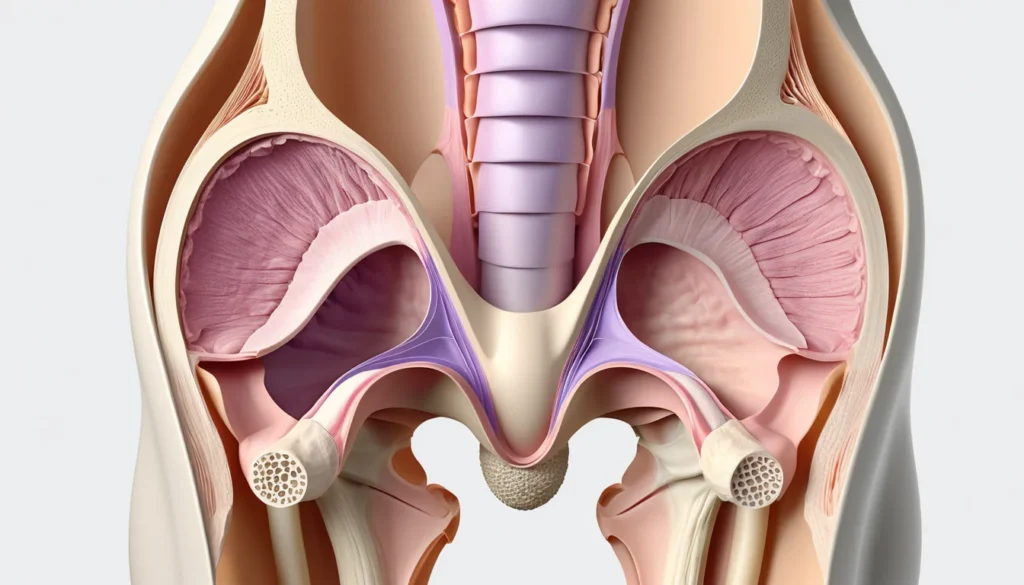
Vaginal agenesis is a rare congenital condition, meaning a child is born with it. It occurs when the vagina does not fully develop before birth. Though it is present from birth, it is often not diagnosed until the teenage years, when a girl’s first period fails to arrive.
What Is Vaginal Agenesis?
Vaginal agenesis (also called vaginal atresia) means the vagina is either completely absent or only partially formed. The external genitals usually look completely normal. This is one reason why the condition is so often missed during early childhood.
In some cases, only a small dimple of skin appears where the vaginal opening should be. In other cases, a very short vaginal canal exists but does not connect to the uterus. Each case is different, and treatment is tailored to each individual.
This condition can also affect other parts of the reproductive system. Some girls with vaginal agenesis also have an underdeveloped uterus or fallopian tubes. In addition, kidney and spinal problems can sometimes occur alongside vaginal agenesis, since these organ systems all develop around the same time before birth.
How Common Is Vaginal Agenesis in Canada?
Vaginal agenesis affects approximately 1 in 5,000 females at birth. While it is rare, it is not unheard of. Paediatricians and gynaecologists across Canada do see this condition.
Research shows that about one-third of those with vaginal agenesis also have kidney abnormalities. Furthermore, around 12% may experience problems with the spine, ribs, or bones of the arms and legs. For this reason, a full medical assessment is important after diagnosis.
For more information on rare congenital conditions, you can visit Health Canada’s official health resource page.
What Causes Vaginal Agenesis?
Doctors and researchers do not yet know the exact cause of vaginal agenesis. What they do know is that the entire reproductive system develops gradually during the first 20 weeks of pregnancy. If the vagina does not form properly during this window, vaginal agenesis occurs.
Most cases are considered idiopathic, which means there is no identified cause. However, certain factors may play a role.
Environmental Factors
Some research suggests that exposure to toxic substances during pregnancy may affect how the reproductive organs develop. This includes certain chemicals and medications taken during the first trimester. Always speak with your family doctor or midwife before taking any new medication during pregnancy.
Genetic Factors
Genetics also appear to play a role in vaginal agenesis. The condition has been seen in multiple members of the same family. This suggests that certain inherited gene variations may increase the risk.
Associated Syndromes
Vaginal agenesis is sometimes a sign of a broader underlying condition. Two of the most common associated syndromes are:
Mayer-Rokitansky-Küster-Hauser (MRKH) Syndrome: This is the most common syndrome linked to vaginal agenesis. Girls with MRKH have an underdeveloped or absent vagina and uterus. Depending on the type, it may also involve abnormalities of the kidneys, spine, heart, or limbs. You can learn more at the Mayo Clinic’s women’s health section.
Androgen Insensitivity Syndrome (AIS): This is an inherited genetic condition where a person is genetically male (XY chromosomes) but is resistant to male hormones. As a result, the body develops along female lines, but without a uterus, cervix, fallopian tubes, or a complete vaginal canal.
Signs and Symptoms of Vaginal Agenesis
Because vaginal agenesis is a congenital condition, parents are not always aware of it in the early years. Signs typically become noticeable during puberty or adolescence. This is often the first time a young woman or her family realises something may be different.
Primary Amenorrhoea
The most common sign of vaginal agenesis is the absence of a first period by age 15. This is called primary amenorrhoea. If your daughter has not had her first period by this age, it is important to speak with her family doctor or paediatrician.
Other Symptoms to Watch For
Other signs and symptoms of vaginal agenesis can include:
Cryptomenorrhoea: Menstrual blood forms inside the body but has no way to exit. This can cause significant abdominal cramping and lower abdominal pain.
A small skin dimple where the vaginal opening should normally be located.
Pain during sexual activity, which may occur if a very short vaginal canal (2–3 cm) is present.
Recurrent abdominal pain with no obvious explanation, particularly in teenage girls.
It is worth noting that some girls discover the condition themselves during puberty, simply by exploring their own bodies. This is completely normal and nothing to feel embarrassed about.
How Is Vaginal Agenesis Diagnosed?
In some cases, a paediatrician or neonatologist may spot the condition shortly after birth. However, most cases are diagnosed during the teenage years. The delayed first period is usually what prompts a family to seek medical advice.
If your family doctor or walk-in clinic doctor suspects vaginal agenesis, they will refer your daughter to a specialist. The diagnostic process typically includes:
Physical examination of the vaginal area and external genitals.
Ultrasound (transabdominal or transvaginal) to look at the vagina, uterus, and pelvis.
MRI (Magnetic Resonance Imaging), which gives detailed images of the size and shape of the vaginal canal and surrounding structures.
Blood tests to check for chromosomal abnormalities or genetic conditions linked to vaginal agenesis.
DNA testing from a blood sample to confirm or rule out specific genetic syndromes.
Early and accurate diagnosis allows for better treatment planning and emotional support for both the patient and her family.
Treatment Options for Vaginal Agenesis
The good news is that effective treatments for vaginal agenesis exist. Treatment timing is a personal decision made together with your medical team. Some patients begin treatment during childhood, while others wait until puberty or until they are ready to become sexually active.
Non-Surgical Treatment: Vaginal Dilation
Vaginal dilation is often the first treatment recommended. A doctor provides a small, specially designed dilator (a smooth tube). The patient uses it gently to gradually stretch and create a vaginal canal over time.
The process typically takes about 20 minutes each day. It may cause some discomfort, particularly in younger patients, but it should not be painful. With consistent use over several months, many patients achieve a functional vaginal canal without surgery. This approach is non-invasive and highly effective when followed carefully.
Surgical Treatment: Vaginoplasty
If dilation therapy does not work, or if the anatomy makes it unsuitable, surgery may be recommended. The procedure is called vaginoplasty. It reconstructs the vaginal canal using tissue from other parts of the body.
Surgeons may use skin grafts, tissue from the lining of the mouth (buccal mucosa), or intestinal tissue to form a new vaginal canal. The best technique depends on the individual’s anatomy, the amount of existing vaginal tissue, and other factors. Recovery time and aftercare vary by surgical approach, so it is important to discuss all options thoroughly with the surgical team.
Fertility and Vaginal Agenesis
Fertility may or may not be affected, depending on whether the uterus and ovaries are present and functioning. Some women with vaginal agenesis have healthy ovaries and can pursue pregnancy through in vitro fertilisation (IVF) using a gestational surrogate. Others may not have reproductive organs capable of supporting pregnancy. A fertility specialist can help assess individual circumstances and discuss all available options.
For further reading on women’s reproductive health, Healthline’s women’s health resource offers reliable, plain-language information.
When to See a Doctor
If your daughter has not had her first period by age 15, or if she experiences unexplained pelvic pain, it is time to make an appointment. Start with her family doctor or paediatrician. If you do not have a family doctor, a walk-in clinic is a good first step.
Your provincial health plan covers most diagnostic tests, including ultrasounds and blood work, when referred by a physician. Referrals to gynaecology or genetics specialists are also covered under most provincial programmes. Ask your doctor about what is available in your province.
Early diagnosis and open, supportive communication between the patient, her family, and her care team make a significant difference in outcomes and overall wellbeing. As always, please speak with a qualified healthcare provider before making any decisions about diagnosis or treatment.
Frequently Asked Questions About Vaginal Agenesis
What is vaginal agenesis and how does it happen?
Vaginal agenesis is a congenital condition where the vagina does not fully develop before birth. It happens during the first 20 weeks of pregnancy when the reproductive organs are forming. In most cases, doctors do not know the exact cause, though genetics and environmental exposures may play a role.
Can a person with vaginal agenesis have children?
Whether someone with vaginal agenesis can have biological children depends on whether their ovaries and uterus are present and functioning. Some individuals have healthy ovaries and can have a biological child through IVF with a gestational surrogate. A fertility specialist can assess each situation individually.
At what age is vaginal agenesis usually diagnosed?
Vaginal agenesis is most often diagnosed during the teenage years, typically when a girl’s first period does not arrive by age 15. In some cases, a doctor may identify the condition during a routine newborn examination. However, because the external genitals often appear normal, diagnosis is frequently delayed until puberty.
Is vaginal agenesis the same as MRKH syndrome?
Not exactly, but they are closely related. MRKH syndrome is the most common condition associated with vaginal agenesis. Women with MRKH syndrome have an underdeveloped or absent vagina and uterus, which means vaginal agenesis is one of the key features of MRKH syndrome. However, vaginal agenesis can also occur in other contexts.
What is the treatment for vaginal agenesis in Canada?
In Canada, vaginal agenesis is treated either through non-surgical vaginal dilation therapy or through surgery called vaginoplasty. The best approach depends on each patient’s anatomy and personal circumstances. Treatment is available through referral from a family doctor or paediatrician, and most diagnostic and specialist costs are covered under provincial health plans.
Is vaginal dilation therapy painful?
Vaginal dilation therapy for vaginal agenesis may cause some mild discomfort, especially at the start, but it should not be painful when done correctly. A healthcare provider will teach the patient how to use the dilator safely and at a comfortable pace. Most patients find the discomfort manageable, and many achieve good results without needing surgery.
Key Takeaways
Vaginal agenesis is a rare congenital condition where the vagina does not fully form before birth.
It affects approximately 1 in 5,000 females and is often not diagnosed until the teenage years.
The most common sign is the absence of a first period by age 15.
It is sometimes linked to MRKH syndrome or androgen insensitivity syndrome.
Effective treatments include vaginal dilation therapy and surgical vaginoplasty.
Fertility is affected in some cases, but options such as IVF with a surrogate may be available.
If you are concerned, start with your family doctor or a walk-in clinic. Most diagnostic tests and specialist referrals are covered under your provincial health plan.
Always consult a qualified healthcare professional for personalised medical advice.