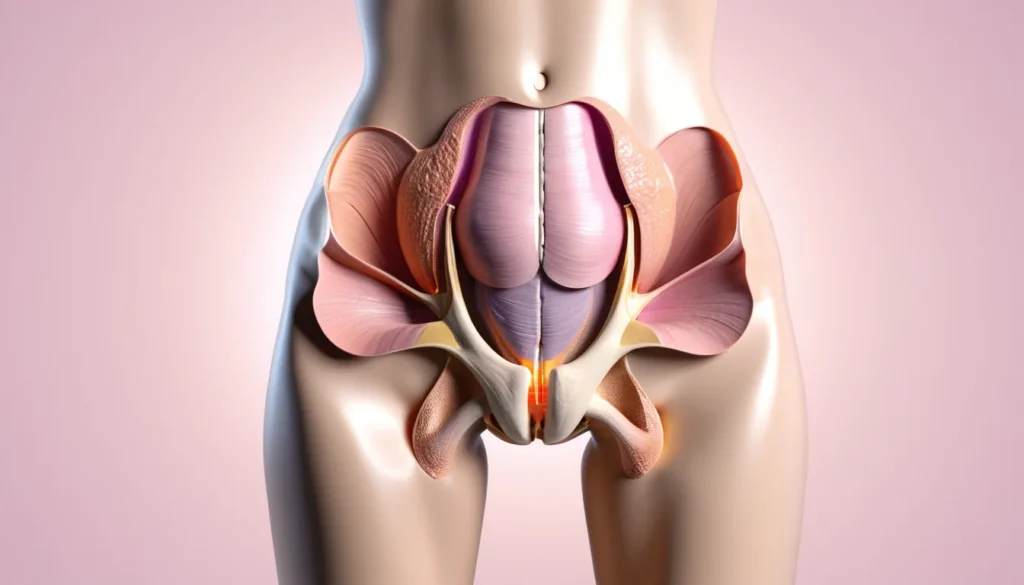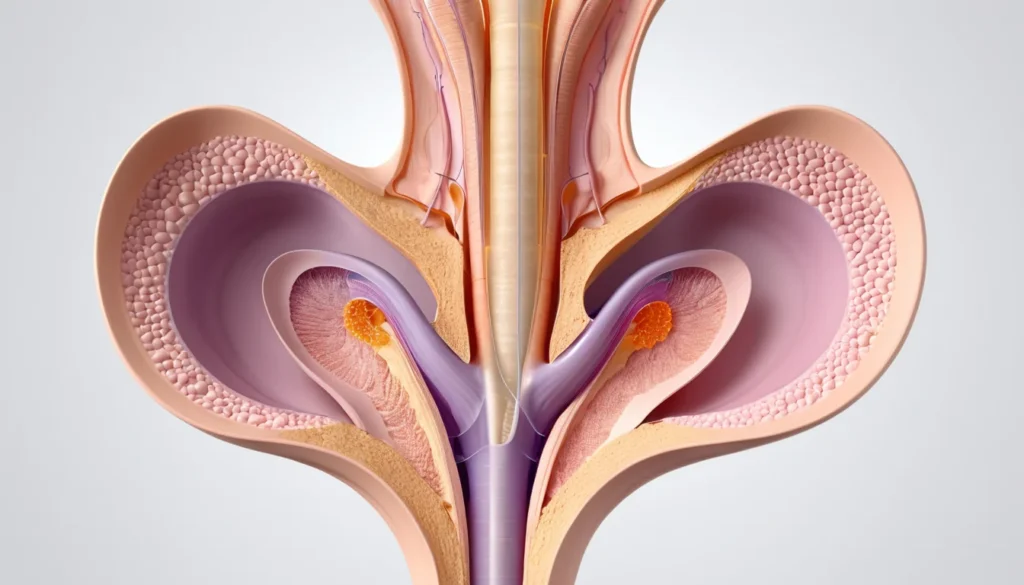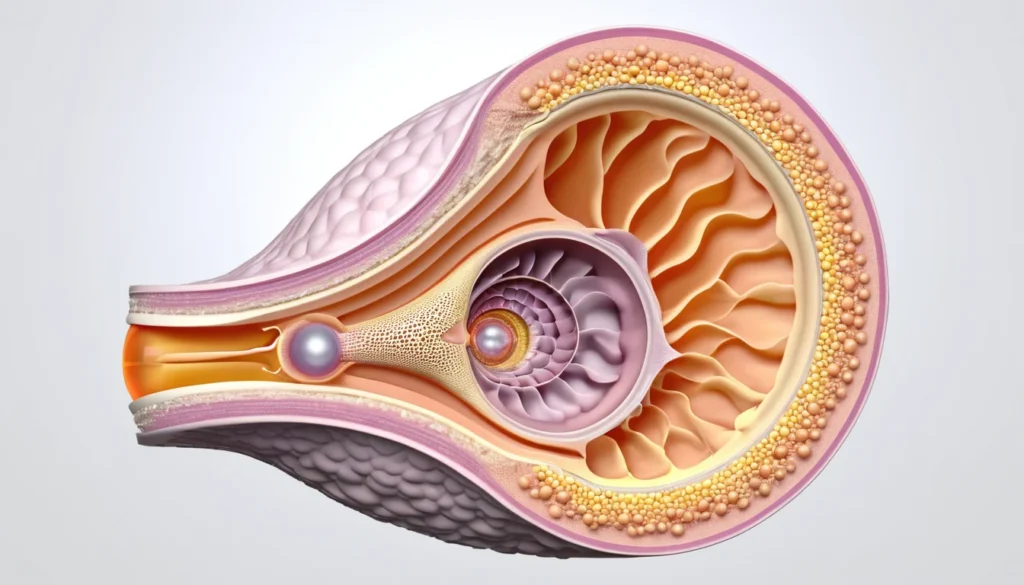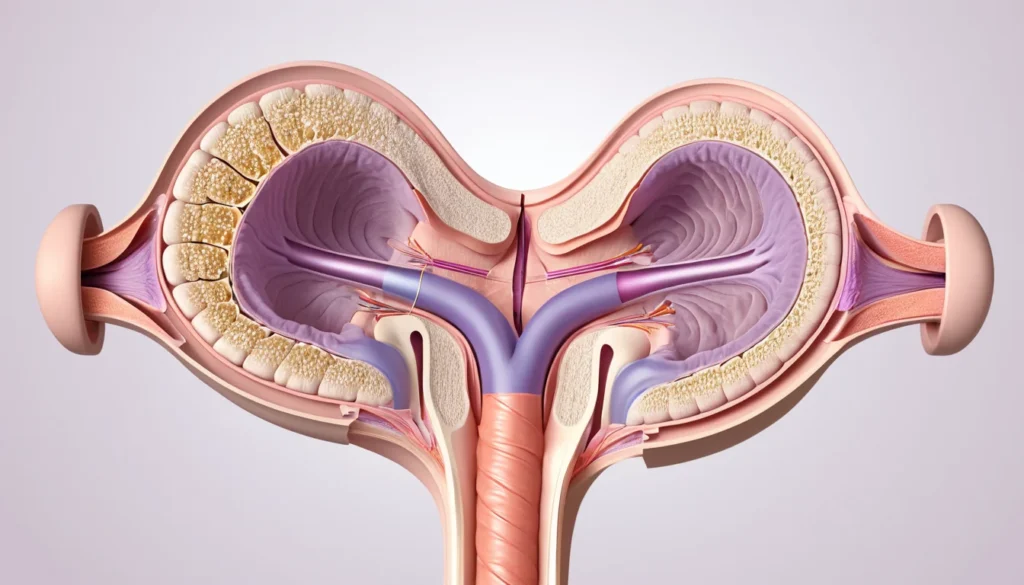
Uterine fibroids are non-cancerous growths that develop inside or on the wall of the uterus. They are one of the most common conditions affecting women of reproductive age in Canada. Many women have uterine fibroids without ever knowing it, because fibroids often cause no symptoms at all. This article explains what uterine fibroids are, what causes them, how they are diagnosed, and what treatment options are available to Canadian women.
What Are Uterine Fibroids?
Uterine fibroids are tumours made of muscle and connective tissue that grow from the wall of the uterus. Despite the word “tumour,” fibroids are almost always benign — meaning they are not cancerous. They are also known as leiomyomas or myomas.
Fibroids can vary greatly in size. Some are as small as a seed, while others can grow as large as a tennis ball. A woman may have just one fibroid or several at the same time. According to the Mayo Clinic, fibroids rarely become cancerous and are not linked to a higher risk of uterine cancer.
Many women go through their entire lives with uterine fibroids and never need treatment. However, for some women, fibroids can cause significant discomfort and health problems.
What Causes Uterine Fibroids?
Doctors do not yet know the exact cause of uterine fibroids. However, research and clinical experience point to several key factors that may play a role in their development.
Genetic Changes
Many fibroids contain genes that differ from normal uterine muscle cells. These genetic changes may cause the cells to grow in an abnormal way. If your mother or sister had uterine fibroids, you may be at higher risk of developing them as well.
Hormones
Estrogen and progesterone are the two main hormones that regulate your menstrual cycle. These hormones also appear to encourage fibroid growth. Fibroid cells contain more estrogen and progesterone receptors than normal uterine muscle cells do. As a result, fibroids often shrink naturally after menopause, when hormone levels drop.
Other Growth Factors
Certain substances in the body that help maintain tissue health may also play a role. For example, insulin-like growth factor (IGF-1) may promote the development of uterine fibroids. Researchers are still studying exactly how these factors interact.
Symptoms of Uterine Fibroids
Most women with uterine fibroids experience no symptoms at all. Their fibroids are discovered by chance during a routine pelvic exam or a prenatal check-up. However, some women do experience noticeable — and sometimes disruptive — symptoms.
Common symptoms of uterine fibroids include:
Heavy or painful periods
Bleeding between menstrual periods
A feeling of fullness or pressure in the lower abdomen
Frequent urination caused by a fibroid pressing on the bladder
Pain during sexual intercourse
Lower back pain
Severe menstrual cramps
Difficulty urinating
Complications during pregnancy or labour, including a higher chance of caesarean section
Difficulty becoming pregnant (infertility)
It is important to note that heavy periods or pelvic pain can also be caused by other conditions. Therefore, always speak with a healthcare provider if you experience these symptoms. Do not assume uterine fibroids are the cause without a proper diagnosis.
How Are Uterine Fibroids Diagnosed?
Uterine fibroids are most often found by accident during a routine pelvic examination. Your doctor or nurse practitioner may feel an irregular shape or enlarged uterus during the exam. From there, they will likely recommend one or more tests to confirm the diagnosis.
Ultrasound
An ultrasound is the most common tool used to confirm uterine fibroids. It is a painless test that uses sound waves to produce images of the uterus. There are two types: a transabdominal ultrasound, which is performed over the abdomen, and a transvaginal ultrasound, which uses a small probe placed inside the vagina. The transvaginal approach provides more detail because it is closer to the uterus.
Other Imaging Tests
If the ultrasound does not provide enough information, your doctor may order additional imaging. These tests can include a hysteroscopy, a laparoscopy, or a hysterosonography. Each test gives your doctor a different view of the inside of your uterus and surrounding tissue.
Blood Tests
If you are experiencing abnormal bleeding, your doctor may order a complete blood count (CBC). This test checks whether you have developed iron-deficiency anaemia from ongoing blood loss. Hormone tests may also be done to rule out other conditions affecting your reproductive health.
Health Canada encourages women to attend regular well-woman check-ups, where conditions like uterine fibroids can be caught early, even before symptoms appear.
Treatment Options for Uterine Fibroids
Not every woman with uterine fibroids needs treatment. Your doctor will consider several factors before recommending a plan. These include your symptoms, the size and location of the fibroids, your age, and whether you hope to become pregnant in the future.
If your fibroids are small and cause no symptoms, your doctor may simply monitor them over time with regular check-ups. This is often called a “watchful waiting” approach.
Medications
For mild symptoms, your doctor may recommend over-the-counter pain relievers such as acetaminophen or non-steroidal anti-inflammatory drugs (NSAIDs) to ease discomfort. NSAIDs can help with pain but do not reduce fibroid size or stop heavy bleeding caused by fibroids.
If you have heavy periods, your doctor may suggest iron supplements to prevent or treat iron-deficiency anaemia. Other medications that may be prescribed include:
Gonadotropin-releasing hormone (GnRH) agonists: These drugs lower estrogen and progesterone levels, which can shrink fibroids. However, they are usually only used short-term before surgery.
Hormonal intrauterine device (IUD): A progesterone-releasing IUD can help control heavy menstrual bleeding, though it does not shrink fibroids.
Oral contraceptives: Birth control pills can help manage bleeding but do not reduce fibroid size.
Surgical Options
If your symptoms are moderate to severe, surgery may be the most effective option. Several surgical procedures are available, depending on your situation and whether you want to preserve your ability to have children.
Myomectomy: This surgery removes the fibroids while leaving the healthy uterus tissue in place. It is a good option for women who wish to become pregnant in the future.
Hysterectomy: This is the surgical removal of the uterus. It is the only permanent cure for uterine fibroids. After a hysterectomy, pregnancy is no longer possible.
Endometrial ablation: This procedure destroys the lining of the uterus to reduce or stop heavy bleeding. It is not suitable for women who wish to become pregnant.
Myolysis: This technique uses electric current or freezing (cryotherapy) to destroy fibroid tissue. It is performed using a thin instrument guided by a small camera (laparoscope).
Uterine fibroid embolisation (UFE): This minimally invasive procedure cuts off the blood supply to the fibroids, causing them to shrink. It does not require open surgery and has a shorter recovery time for many women.
Healthline provides a detailed overview of these procedures, including recovery times and what to expect after each type of treatment.
When to See a Doctor
You should speak with your family doctor or visit a walk-in clinic if you notice any of the following signs:
Periods that are much heavier or longer than usual
Pelvic pain or pressure that does not go away
Bleeding between your periods
Frequent urination without a urinary tract infection
Pain during sex
Difficulty getting pregnant after 12 months of trying
These symptoms can have several causes, and only a healthcare professional can determine what is going on. Your family doctor can order the appropriate tests and refer you to a gynaecologist if needed. Most provincial health plans in Canada cover these referrals and diagnostic tests. If you do not have a family doctor, a walk-in clinic is a good first step.
As always, this article is for informational purposes only. Please consult your doctor or a qualified healthcare provider before making any decisions about your health or treatment options.
Frequently Asked Questions About Uterine Fibroids
Can uterine fibroids turn into cancer?
Uterine fibroids are almost always non-cancerous. The risk of a fibroid becoming malignant (cancerous) is very rare — less than one in 1,000 cases. Having uterine fibroids does not increase your risk of developing uterine cancer.
Can uterine fibroids affect my ability to get pregnant?
In most cases, uterine fibroids do not interfere with pregnancy. However, depending on their size and location, some fibroids can make it harder to conceive or increase the risk of complications during pregnancy. If you are trying to get pregnant and suspect you have fibroids, speak with your doctor or a fertility specialist.
Do uterine fibroids go away on their own?
Uterine fibroids often shrink naturally after menopause, when the body produces less estrogen and progesterone. However, they rarely disappear completely on their own before menopause. Regular monitoring by your doctor is the best approach if your fibroids are not causing symptoms.
What is the difference between a myomectomy and a hysterectomy for fibroids?
A myomectomy removes only the fibroids while keeping the uterus intact, making future pregnancy possible. A hysterectomy removes the entire uterus and is the only permanent cure for uterine fibroids, but it ends the ability to carry a pregnancy. Your doctor will help you choose the right option based on your symptoms and personal goals.
Are uterine fibroids covered under provincial health plans in Canada?
Yes, diagnosis and most treatments for uterine fibroids are generally covered under provincial health insurance plans across Canada. This includes ultrasounds, blood tests, specialist referrals, and surgical procedures like myomectomy or hysterectomy. Coverage details vary by province, so check with your provincial health authority for specifics.
What foods or lifestyle changes can help with uterine fibroids?
While no specific diet has been proven to cure uterine fibroids, a balanced diet rich in fruits, vegetables, and whole grains may support overall hormonal health. Maintaining a healthy body weight is also beneficial, as excess body fat can raise estrogen levels, which may encourage fibroid growth. Always talk to your doctor before making major changes to your diet or lifestyle.
Key Takeaways
Uterine fibroids are non-cancerous growths in or on the uterus that are very common among women of reproductive age.
Many women have fibroids and never know it, because fibroids often cause no symptoms.
Symptoms — when present — can include heavy periods, pelvic pressure, frequent urination, and lower back pain.
Fibroids are usually found during a routine pelvic exam and confirmed by ultrasound.
Treatment ranges from watchful waiting and medication to minimally invasive procedures and surgery, depending on symptom severity.
A hysterectomy is the only permanent cure, but other options exist for women who wish to preserve their fertility.
If you have concerns about fibroids, start by speaking with your family doctor or a walk-in clinic. Most diagnostic tests and treatments are covered by provincial health plans in Canada.