Your urine test results can reveal a surprising amount about your overall health — from a simple urinary tract infection to early signs of diabetes or kidney disease. A urine test, sometimes called a urinalysis, is one of the most common and useful diagnostic tools available to Canadian doctors, checking for waste products, minerals, and other substances that your kidneys filter from your blood.
Urine Test Results Explained: What Each Value Means
Understanding what each part of your urinalysis in Canada means can help you have more informed conversations with your healthcare provider. Whether your family doctor ordered routine screening or you visited a walk-in clinic with specific symptoms, this guide explains every component of your results — including urine colour, pH, protein, glucose, and nitrites — so you know exactly what to expect and when to seek further care.
What Is a Urine Test?
Common Urine Test Results: What Each Finding Means for Your Health
| Urine Test Finding | What It May Indicate | Normal Range | Recommended Next Step |
|---|---|---|---|
| Protein (Proteinuria) | Kidney disease, high blood pressure, diabetes-related kidney damage, or strenuous exercise | Less than 150 mg/day; negative on dipstick | Repeat testing, blood pressure monitoring, referral to nephrologist if persistent |
| Glucose (Glycosuria) | Uncontrolled diabetes, gestational diabetes, or rarely, kidney glucose threshold issues | Negative; less than 0.8 mmol/L | Fasting blood glucose or HbA1c test; consult a physician promptly |
| White Blood Cells (Pyuria) | Urinary tract infection (UTI), kidney infection (pyelonephritis), or bladder inflammation | Less than 5 WBCs per high-power field | Urine culture to identify bacteria; antibiotic treatment if infection confirmed |
| Blood (Hematuria) | UTI, kidney stones, bladder or kidney cancer, trauma, or benign prostatic hyperplasia | Negative; fewer than 3 red blood cells per high-power field | Imaging (ultrasound or CT scan), cystoscopy if gross hematuria is present |
| Nitrites | Bacterial infection, most commonly E. coli or other gram-negative organisms causing UTI | Negative | Urine culture and sensitivity testing; physician-guided antibiotic therapy |
| Ketones (Ketonuria) | Diabetic ketoacidosis (DKA), prolonged fasting, low-carbohydrate diet, or excessive vomiting | Negative to trace amounts | Emergency care if DKA suspected; dietary review and blood glucose monitoring |
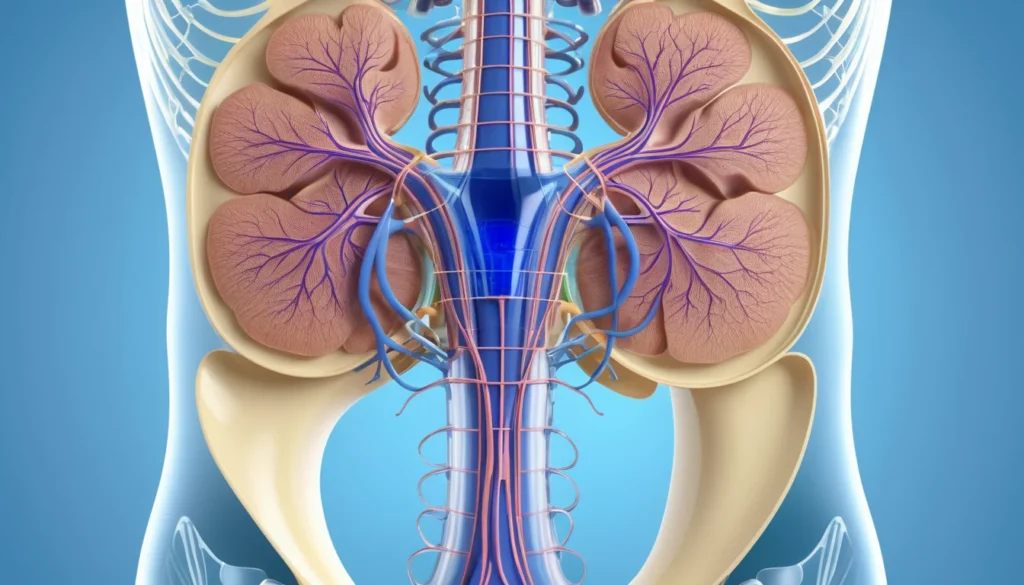
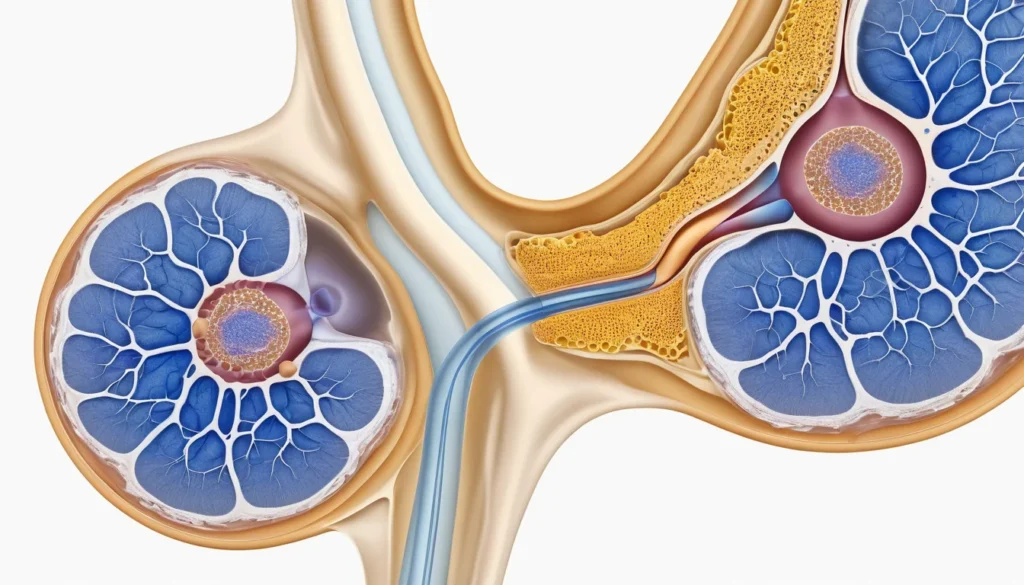
Your kidneys work constantly to clean your blood. They remove waste products, excess minerals, and water, which then leave your body as urine. Urine contains hundreds of different substances, and the balance of those substances changes based on your diet, hydration, physical activity, and how well your kidneys are working.
A urine test — sometimes called a urinalysis — looks at these substances to help your doctor understand what is happening inside your body. It is a routine part of many check-ups across Canada, and your family doctor or walk-in clinic can order one easily. According to Health Canada, routine screening tests like urinalysis are an important part of preventive care.
More than 100 different measurements can come from a single urine sample. However, most standard urine tests focus on a core set of results that your doctor will review with you.
Urine Colour and Clarity
What Does Urine Colour Tell You?
The colour of your urine is one of the first things a lab technician will note. Normal urine ranges from pale yellow to a deeper amber, depending on how much water you have been drinking. The more hydrated you are, the lighter the colour.
Several things can change urine colour. For example, vitamin B supplements can turn urine bright yellow. Certain medications, beets, blueberries, and rhubarb can cause a reddish or brownish tint. Blood in the urine can also create a red or brown colour, which is always worth reporting to your doctor.
Clarity and Transparency
Healthy urine is typically clear. Cloudy or murky urine can suggest the presence of bacteria, blood, sperm, crystals, or mucus. In addition, foamy urine may sometimes point to elevated protein levels. Your doctor will look at clarity alongside other results to get a full picture.
Urine Test Results Explained
pH Level
The pH of your urine measures how acidic or alkaline it is. A pH of 4 is very acidic, a pH of 7 is neutral, and a pH of 9 is strongly alkaline. Most healthy urine falls somewhere between 4.5 and 8.
Certain medications can shift your urine pH. Therefore, your doctor may sometimes advise you to keep your urine within a specific pH range. This can help prevent certain types of kidney stones from forming. If you have a history of kidney stones, ask your family doctor whether your urine pH is something to monitor. Mayo Clinic explains how kidney stones form and how urine chemistry plays a role.
Specific Gravity
Specific gravity measures how concentrated your urine is — in other words, how many dissolved substances it contains. When you drink a lot of water, your kidneys produce more diluted urine with a lower specific gravity. When you are dehydrated, your urine becomes more concentrated and the specific gravity rises.
This result helps your doctor assess how well your kidneys are concentrating urine. Kidneys that cannot concentrate urine properly may be a sign of an underlying condition that needs further investigation.
Protein in Urine
Protein is not normally found in urine in significant amounts. Your kidneys act as a filter, and healthy kidneys keep most protein in the bloodstream where it belongs. However, certain conditions can allow protein to leak through into the urine.
Fever, intense physical exercise, and pregnancy can temporarily raise protein levels. Furthermore, kidney disease, high blood pressure, and diabetes are common causes of persistent protein in the urine (called proteinuria). If your urine test shows elevated protein on more than one occasion, your doctor will likely want to investigate further.
Glucose in Urine
Glucose — a simple sugar — is normally absent from urine or present only in very small amounts. When blood sugar levels are very high, such as in uncontrolled diabetes, glucose spills over into the urine. This is called glucosuria.
Glucose in the urine can also appear after kidney injury or certain kidney conditions. If your test shows glucose in your urine, your doctor will likely check your blood sugar levels as a follow-up step.
Nitrites and Urinary Tract Infections
Nitrites are an important marker for urinary tract infections (UTIs). Certain bacteria — most commonly E. coli — produce an enzyme that converts normal urinary nitrates into nitrites. A positive nitrite result on a urine test strongly suggests a bacterial infection in the urinary tract.
UTIs are very common in Canada, particularly among women. Symptoms include a burning sensation when urinating, cloudy or foul-smelling urine, frequent urges to urinate, lower abdominal pain, blood in the urine, and sometimes fever. If you experience these symptoms, visit your family doctor or a walk-in clinic promptly. Untreated UTIs can spread to the kidneys and become more serious.
Ketones in Urine
When your body breaks down fat for energy instead of carbohydrates, it produces substances called ketones. Small amounts of ketones in urine can appear during fasting, very low-carbohydrate diets, or after severe vomiting.
However, a large amount of ketones can signal a dangerous condition called diabetic ketoacidosis (DKA), which mainly affects people with type 1 diabetes. DKA is a medical emergency. If you have diabetes and your urine test shows high ketone levels alongside symptoms like nausea, vomiting, or confusion, seek emergency care immediately.
The Microscopic Urine Test
Sometimes, a lab technician will spin the urine sample in a centrifuge to separate out solid particles. The sediment is then placed on a slide and examined under a microscope. This part of the urine test can reveal several important things.
Red and White Blood Cells
Blood cells do not normally appear in urine. Red blood cells in the urine (haematuria) can be caused by inflammation, injury, or disease affecting the kidneys, ureters, bladder, or urethra. Intense exercise, such as running a marathon, can also temporarily cause red blood cells to appear.
White blood cells in the urine often point to infection or kidney disease. Your doctor will look at these results together with your nitrite and protein levels to make a diagnosis.
Casts
Casts are tiny tube-shaped particles that form inside the kidneys. They are made up of proteins, cells, or other materials. Different types of casts suggest different kidney conditions. For example, red blood cell casts can indicate inflammation inside the kidney’s filtering units.
Crystals and Bacteria
A small number of crystals in urine is normal. However, large numbers of crystals — or certain types of crystals — may suggest kidney stones or a metabolic problem. Bacteria, fungi, or parasites in the urine normally indicate an infection that needs treatment.
Squamous cells in the sample may simply mean the urine was not collected cleanly enough. In that case, your doctor or nurse will ask you to provide a new sample using a “clean-catch” technique.
How to Prepare for a Urine Test
Preparing properly helps ensure your results are accurate. Here are some simple steps to follow before your test.
Avoid urine-staining foods for at least 24 hours before the test. Beets, blueberries, and rhubarb can all change urine colour and affect results.
Skip intense exercise the day before your test. Strenuous activity can temporarily raise protein and red blood cell levels.
Tell your doctor about all medications and supplements you are taking. Vitamin B supplements, phenazopyridine, rifampin, and phenytoin can all change the colour or chemical composition of your urine.
Women should inform their doctor if they are menstruating or in the premenstrual phase. Blood from menstruation can contaminate the sample. Your doctor may suggest waiting until after your period to collect the sample.
Follow the clean-catch instructions provided by your lab or clinic. This usually means cleaning the genital area before collecting a midstream urine sample in a sterile container.
Your provincial health plan covers routine urinalysis when it is ordered by your family doctor or a clinic physician. Check with your provincial health authority if you have questions about coverage for additional urine tests.
When to See a Doctor
Many urine tests are ordered as part of a routine check-up. However, certain symptoms mean you should see a doctor sooner rather than later. Visit your family doctor or a walk-in clinic if you notice any of the following.
Urine that is dark, red, brown, or cloudy
A strong or foul odour from your urine
Pain or burning when you urinate
Needing to urinate much more frequently than usual
Blood in your urine (even if you feel no pain)
Fever alongside urinary symptoms
Lower back or side pain, which can indicate a kidney infection
Swelling in your hands, feet, or face (a possible sign of kidney problems)
A urine test is a quick, painless, and affordable way to catch many health issues early. Do not wait if something feels wrong. Walk-in clinics across Canada can order a urinalysis without a prior appointment in most provinces. As always, speak with your healthcare provider about your specific symptoms and test results before drawing any conclusions. Healthline provides a thorough overview of what to expect during a urinalysis.
Frequently Asked Questions
What does a urine test check for?
A urine test checks for a wide range of substances in your urine, including protein, glucose, ketones, nitrites, blood cells, and bacteria. It can help your doctor diagnose conditions like urinary tract infections, kidney disease, and diabetes. It is also used as a routine screening tool during annual check-ups.
What colour should healthy urine be?
Healthy urine is typically pale yellow to amber in colour. The shade depends mainly on how much water you have been drinking — pale urine usually means you are well hydrated, while darker urine can indicate dehydration. Unusual colours like red, brown, or bright orange should be discussed with your doctor.
What does it mean if my urine test shows nitrites?
Nitrites in a urine test usually indicate the presence of bacteria, most commonly E. coli, which is a leading cause of urinary tract infections (UTIs). Your doctor will likely recommend a urine culture to confirm the type of bacteria and prescribe the right antibiotic. Treating a UTI early prevents it from spreading to the kidneys.
Why is there protein in my urine?
Small amounts of protein in a urine test can appear after intense exercise, fever, or during pregnancy and may not be a cause for concern. However, persistently high protein levels can be a sign of kidney disease, high blood pressure, or diabetes. Your doctor will likely repeat the test and may order additional blood work to find the cause.
Do I need to fast before a urine test?
In most cases, you do not need to fast before a standard urine test. However, you should avoid foods like beets, blueberries, and rhubarb that can change urine colour, and you should skip intense exercise the day before. Always follow the specific instructions given by your doctor or lab.
Is a urine test covered by provincial health insurance in Canada?
Yes, a routine urine test ordered by a physician is generally covered under provincial health plans across Canada. Coverage for more specialized urine tests may vary by province, so it is a good idea to confirm with your family doctor or provincial health authority if you are unsure.
Key Takeaways
A urine test is a simple, painless, and highly informative diagnostic tool available through your family doctor or walk-in clinic.
Key measurements include colour, clarity, pH, specific gravity, protein, glucose, nitrites, and ketones.
Nitrites in urine strongly suggest a urinary tract infection caused by bacteria like E. coli.
Protein in urine can be temporary (due to exercise or fever) or a sign of a more serious kidney condition.
High ketone levels can indicate diabetic ketoacidosis, which is a medical emergency.
Prepare for your test by avoiding staining foods, intense exercise, and informing your doctor about all medications.
Routine urinalysis is covered by most provincial health plans in Canada.
Always discuss your results with your healthcare provider — do not try to interpret them on your own.
According to Mayo Clinic’s guide to urinalysis, this information is supported by current medical research.
For more information, read our guide on urine creatinine test and what your results mean.
This article is for general information only and does not replace professional medical advice. Please speak with your family doctor or a qualified healthcare provider about your personal health concerns and test results.
Frequently Asked Questions
What do urine test results mean?
Urine test results measure colour, clarity, pH, protein, glucose, white blood cells, and bacteria in your urine. Abnormal findings can indicate infections, kidney disease, diabetes, or dehydration. A Canadian doctor or nurse practitioner will interpret your specific results alongside your symptoms and medical history for an accurate diagnosis.
What are the symptoms that mean you need a urine test?
Common symptoms prompting a urine test include painful or burning urination, frequent urination, cloudy or foul-smelling urine, blood in urine, lower abdominal pain, fever, or unexplained fatigue. These signs may indicate a urinary tract infection, kidney stones, or other conditions requiring prompt medical evaluation.
How are abnormal urine test results treated in Canada?
Treatment depends on the underlying cause. Bacterial infections are typically treated with prescription antibiotics. High glucose may require diabetes management. Protein in urine may need kidney specialist follow-up. Canadian family doctors or walk-in clinic physicians will create a treatment plan based on your complete urine test results and overall health.
How can you prevent abnormal urine test results?
Stay well hydrated by drinking 6–8 glasses of water daily, urinate after sexual activity, maintain good hygiene, manage blood sugar and blood pressure, and avoid holding urine for long periods. Regular checkups with your Canadian healthcare provider also help detect early kidney or urinary tract issues before they worsen.
When should you see a doctor about your urine test results?
See a doctor immediately if your urine test results show blood, high protein, bacteria, or significantly abnormal glucose levels. Seek urgent care for severe pain, high fever, or inability to urinate. In Canada, visit your family doctor, a walk-in clinic, or an ER for concerning symptoms or unexplained abnormal findings.