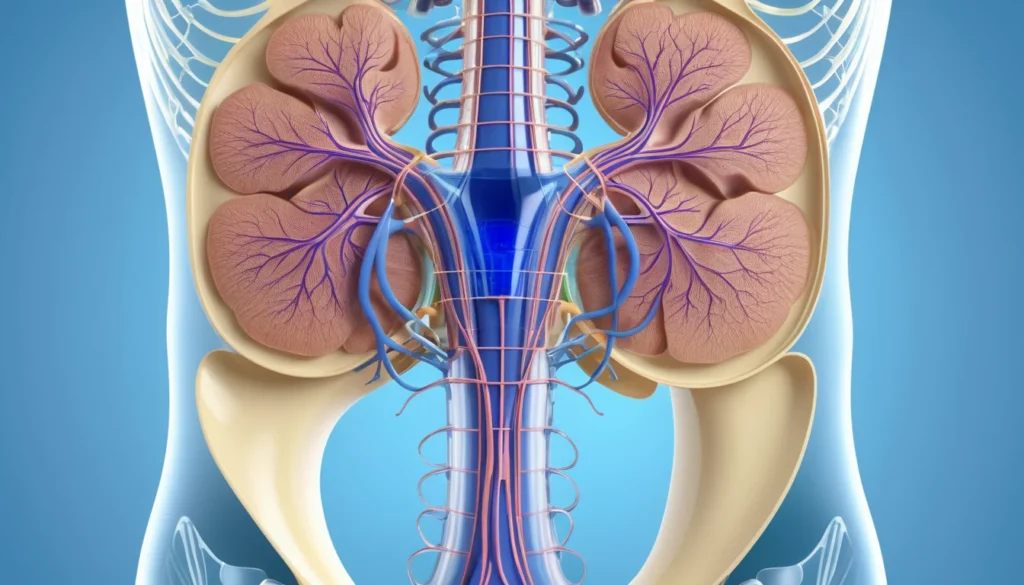
Your urine output — the total volume of urine your body produces each day — is one of the most reliable indicators of kidney function and overall health. For most healthy Canadian adults, normal daily urine output falls between 800 and 2,000 millilitres, but shifts in this range can signal issues that deserve medical attention.
What Is Normal Urine Output for Canadian Adults?
Understanding your daily urine volume helps you and your healthcare provider catch potential problems early, from dehydration to chronic kidney disease. Several everyday factors influence how much urine you produce, including fluid intake, diet, weather, medications, and physical activity. This guide explains what a healthy range looks like for Canadians, what causes changes, and when it is time to consult a doctor.
What Is Normal Urine Output?
Urine Output Levels: Types, Characteristics, and Clinical Management
| Urine Output Category | Daily Volume | Common Causes | Recommended Management |
|---|---|---|---|
| Anuria (Absent Output) | Less than 100 mL/day | Severe kidney failure, complete urinary obstruction, severe dehydration | Emergency medical care; call 911 or go to nearest Canadian emergency department immediately |
| Oliguria (Low Output) | 100–400 mL/day | Dehydration, acute kidney injury, heart failure, sepsis | Urgent medical evaluation; IV fluids or treatment of underlying cause under physician supervision |
| Normal Urine Output | 800–2,000 mL/day | Adequate hydration, healthy kidney function | Maintain fluid intake of approximately 2–3 litres per day; routine check-ups with family physician |
| Polyuria (High Output) | More than 2,500 mL/day | Diabetes mellitus, diabetes insipidus, excessive fluid intake, diuretic medications | Consult a physician; blood glucose and kidney function testing; may require specialist referral |
| Nocturia (Excessive Nighttime Output) | Waking 2+ times nightly to urinate | Enlarged prostate, overactive bladder, sleep apnea, heart failure, aging | Discuss with a primary care provider; lifestyle modifications, bladder training, or medication as appropriate |
Most adults urinate between one and six times per day. This is based on a typical fluid intake of roughly two litres per day. The kidneys filter your blood and remove waste through urine, so the amount you produce is directly linked to how well they are doing their job.
Normal daily urine output sits between 800 and 2,000 millilitres. However, this number is not fixed. It shifts based on how much you drink, how much you sweat, your diet, the weather, and even your stress levels. Urination is also more common during the day than at night in healthy adults.
According to Mayo Clinic, kidney function can change gradually over time, which is why monitoring urine output is a useful early warning tool.
How Urine Output Is Measured
A 24-hour urine collection test measures your total urine output over a full day. Doctors use this test to check how much of certain substances pass through your urine. These include:
Creatinine — a waste product from muscle activity
Sodium — an important mineral for fluid balance
Potassium — a mineral that supports heart and muscle function
Nitrogen — a byproduct of protein breakdown
Protein — which should not normally appear in large amounts in urine
This test is often ordered after blood tests, urine tests, or imaging scans suggest a possible kidney problem. Your doctor may also use it to monitor conditions like diabetes or high blood pressure that can affect kidney health over time.
How to Collect a 24-Hour Urine Sample
The process is straightforward, but it does require attention to detail. You skip your very first morning urine. After that, you collect every drop of urine for the next 24 hours in a special container. That container must be kept in the refrigerator throughout the collection period.
At the end of 24 hours, you mix the urine well and keep 100 millilitres in the plastic container to bring to the lab. Your healthcare provider or local lab will give you specific instructions. In many provinces, you can drop off your sample at a community lab covered under your provincial health plan.
What Affects Urine Output?
Many everyday factors can raise or lower how much urine your body produces. Understanding these helps you interpret changes in your own patterns.
Natural diuretics — foods and drinks that increase urine production — include parsley, dandelion, green tea, and black tea. Caffeinated drinks and salty foods can also increase output. On the other hand, hot weather or heavy exercise increases sweating, which reduces the amount of fluid available for urine production.
Cold temperatures tend to increase urination because the body redirects fluid away from the skin. Emotional stress and physical exertion can also shift your output. Furthermore, some medications affect urine volume, so always let your doctor know what you are taking before any urine test.
Things That Can Interfere With Test Results
Several factors can affect the accuracy of a 24-hour urine test. These include:
Dehydration at the time of collection
An X-ray with contrast dye done within three days before the test
Urinary tract infections
Vaginal discharge mixing with the urine sample
High stress or intense physical activity during the collection period
Your doctor may also ask you to stop certain medications before the test to avoid false results. Always follow the preparation instructions provided by your healthcare team.
Urine Output Problems: Types and Causes
Changes in urine output can point to a wide range of health conditions. Some are mild and temporary. Others need prompt medical attention. Here is a breakdown of the main types.
Polyuria — Too Much Urine
Polyuria means producing more than 2,000 millilitres of urine in 24 hours. In healthy people, this can happen after drinking large amounts of fluid, especially in cold weather or during stress. However, when it happens regularly without an obvious reason, it may signal a medical issue.
Common causes of polyuria include:
Diabetes mellitus — high blood sugar pulls extra fluid into the urine
Diabetes insipidus — the body does not produce enough of a hormone called antidiuretic hormone (ADH), which controls water retention
Bladder infections — especially common in women and children
Kidney failure — the kidneys lose their ability to concentrate urine
Kidney stones
Benign prostatic hyperplasia (BPH) — an enlarged prostate, common in men over 50
Psychogenic polydipsia — a mental health condition that causes excessive thirst and drinking
Certain types of cancer
Urinary incontinence — involuntary leakage of urine — is also considered a urine output disorder. It is more common than many people realize and is treatable. If you are experiencing this, speak with your family doctor.
Oliguria — Too Little Urine
Oliguria means producing between 500 and 750 millilitres of urine in 24 hours. This is below the healthy range. Physiological causes include not drinking enough fluid or losing a lot of fluid through sweating. However, oliguria can also signal kidney disease or other serious conditions.
Patholological causes include kidney disease, severe dehydration, heart failure, and certain infections. If you notice significantly reduced urine output that lasts more than a day, see a doctor promptly.
Anuria — Little to No Urine
Anuria is a severe condition where the kidneys produce less than 100 millilitres of urine in 24 hours — or none at all. This is a medical emergency. The kidneys have lost the ability to filter blood effectively.
Causes of anuria include:
Uncontrolled diabetes, which can lead to diabetic ketoacidosis
Chronic kidney disease
Severely high blood pressure damaging the kidney arteries
Kidney stones or tumours blocking urine flow
It is important to distinguish anuria from acute urinary retention. In retention, the bladder is full but the person cannot empty it — often due to a blockage. In anuria, the kidneys are simply not producing urine. Both conditions need immediate medical care. Health Canada recommends seeking emergency care if you suddenly stop urinating.
Nocturia — Urinating More at Night
Nocturia means waking up during the night to urinate more than once. In healthy adults, nighttime urine output is lower than daytime output. When this pattern reverses — or when nighttime and daytime output become equal — it may indicate a kidney issue, heart condition, sleep disorder, or prostate problem.
Nocturia is common in older adults and is often underreported. If it is disrupting your sleep regularly, bring it up with your family doctor.
Opsuria and Other Patterns
Opsuria is a delayed elimination of urine after drinking fluids. Normally, fluids consumed are eliminated within about four hours. A longer delay can suggest a kidney or hormonal issue worth investigating.
As a result, any unusual change in your regular urination pattern — whether in timing, frequency, or volume — is worth discussing with a healthcare professional.
Osmotic and Forced Diuresis
In certain medical emergencies, doctors deliberately increase urine output to flush toxins from the body. This is called osmotic or forced diuresis. It is used in cases of drug overdose or poisoning — for example, with barbiturates, carbamazepine, or phenothiazines. This is a hospital-based procedure done under close medical supervision.
According to Healthline, forced diuresis is not a home remedy and should never be attempted outside of a clinical setting.
When to See a Doctor About Urine Output
Many changes in urine output are harmless and linked to what you ate or drank. However, some changes deserve prompt attention. See your family doctor or visit a walk-in clinic if you notice:
Consistently very high or very low daily urine volume
Sudden decrease or complete stop in urination
Frequent nighttime urination that disrupts your sleep
Blood in your urine
Pain or burning when urinating
Swelling in your legs or ankles alongside changes in urine output
Unexplained extreme thirst combined with high urine output
In Canada, most provincial health plans cover urine testing and kidney function panels when ordered by a physician. Your family doctor is the best starting point. If you do not have one, a walk-in clinic can order basic urine tests and refer you for follow-up care if needed.
Always consult a qualified healthcare provider before drawing conclusions about your health based on urine changes alone. This article is for informational purposes and is not a substitute for professional medical advice.
Frequently Asked Questions About Urine Output
What is a normal urine output per day for an adult?
Normal daily urine output for a healthy adult is between 800 and 2,000 millilitres, based on a fluid intake of about two litres per day. This can vary depending on how much you drink, your activity level, and the weather. If your output consistently falls outside this range, speak with your doctor.
What does low urine output mean?
Low urine output — less than 500 millilitres per day — is called oliguria and can be caused by dehydration, kidney disease, or heart failure. Producing almost no urine at all is called anuria and is a medical emergency. If your urine output drops suddenly and significantly, seek medical attention right away.
What causes excessive urine output?
Producing more than 2,000 millilitres of urine per day is called polyuria. Common causes include diabetes mellitus, diabetes insipidus, bladder infections, and kidney problems. In some cases, excessive urine output is temporary and linked to high fluid intake, caffeine, or certain foods like parsley and dandelion.
Why do I urinate more at night?
Urinating frequently at night is called nocturia, and it happens when nighttime urine output equals or exceeds daytime output. It can be linked to kidney issues, an enlarged prostate, heart conditions, or sleep disorders. If nocturia is affecting your sleep regularly, talk to your family doctor or visit a walk-in clinic.
How is a 24-hour urine output test done in Canada?
A 24-hour urine collection test involves collecting all your urine over a full day in a special container kept in the refrigerator. You skip the first morning void, then collect everything after that for 24 hours. In most Canadian provinces, this test is covered under your provincial health plan when ordered by a physician.
Can food and drink affect urine output?
According to Mayo Clinic’s overview of kidney disease and urine changes, this information is supported by current medical research.
For more information, read our guide on urine creatinine test and what your results mean.
Yes, several foods and drinks act as natural diuretics and can increase your urine output. These include green tea, black tea, parsley, dandelion, caffeinated beverages, and very salty foods. Cold temperatures can also increase urination, while hot weather and exercise tend to reduce it due to fluid loss through sweating.
Key Takeaways
Normal daily urine output is 800–2,000 millilitres for a healthy adult.
A 24-hour urine test measures output and checks substances like creatinine, sodium, and protein.
Too much urine (polyuria) can signal diabetes, kidney disease, or bladder infections.
Too little urine (oliguria) or no urine (anuria) can indicate serious kidney problems.
Nocturia, opsuria, and urinary incontinence are other patterns worth discussing with your doctor.
Diet, medications, stress, temperature, and hydration all affect urine volume.
In Canada, urine testing is widely available through family doctors, walk-in clinics, and provincial health plans.
Always speak with a qualified healthcare professional if you notice lasting or concerning changes in your urination habits.
Frequently Asked Questions
What is normal urine output per day?
Normal urine output for a healthy adult is between 800 and 2,000 millilitres per day, assuming average fluid intake of about 2 litres. Output below 400 mL daily is considered oliguria and may signal a kidney or hydration problem requiring medical attention.
What are the symptoms of low urine output?
Symptoms of low urine output include dark yellow or amber-coloured urine, infrequent urination, dizziness, dry mouth, fatigue, and swelling in the legs or ankles. These signs may indicate dehydration, kidney dysfunction, or a urinary tract obstruction that needs prompt medical evaluation.
How can you increase urine output naturally?
Increasing daily water intake is the most effective way to boost urine output. Aim for 6–8 glasses of water per day. Reducing sodium intake, limiting caffeine, staying physically active, and eating water-rich fruits and vegetables also support healthy kidney function and adequate urine production.
Can medications affect your urine output?
Yes, several medications can affect urine output. Diuretics increase urine production, while NSAIDs, ACE inhibitors, and certain antibiotics can reduce it. If you notice a significant change in urination after starting a new medication, contact your doctor or pharmacist for guidance.
When should you see a doctor about urine output changes?
See a doctor if you notice little or no urine output for 12 or more hours, blood in your urine, significant swelling, severe pain, or sudden changes in urination frequency. These may indicate kidney disease, infection, or obstruction requiring urgent medical assessment.