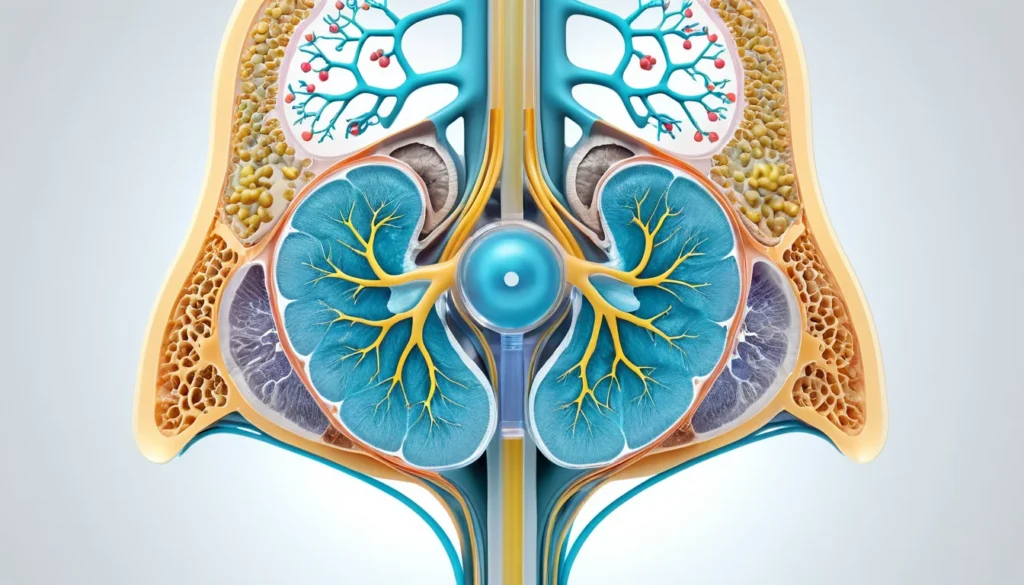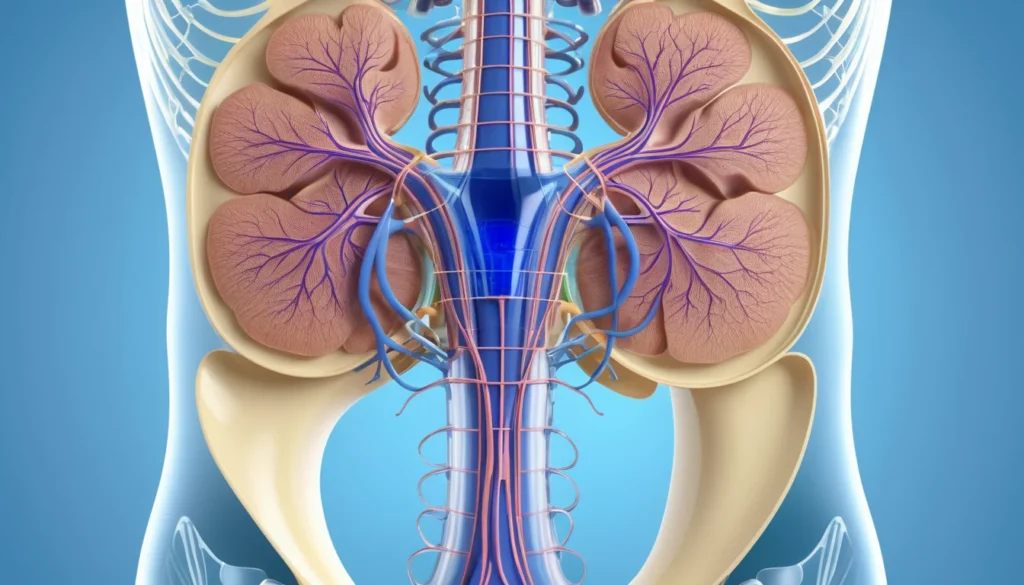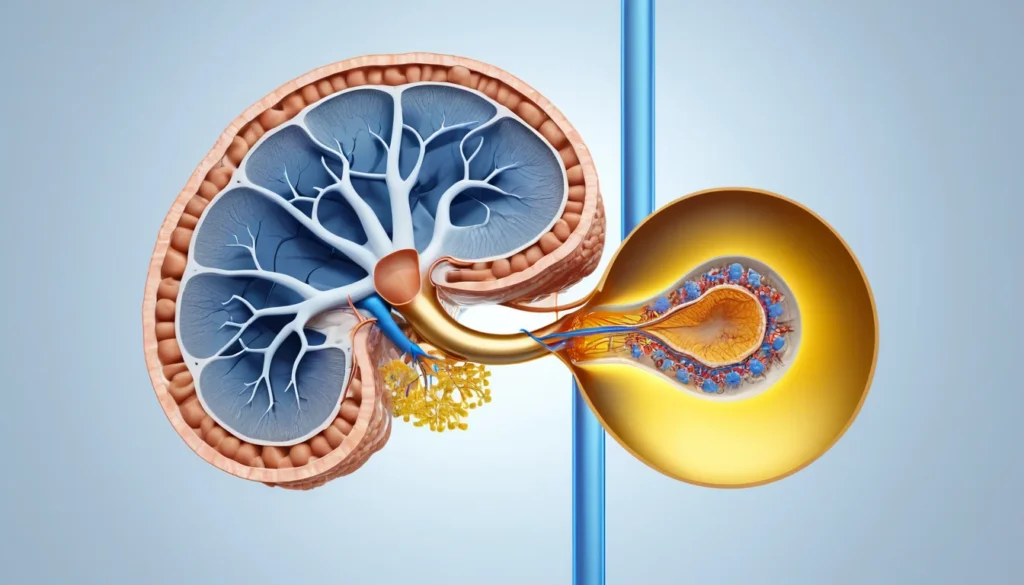
A urine creatinine test is one of the most reliable tools Canadian doctors use to evaluate how well your kidneys are filtering waste from your blood. By measuring the amount of creatinine your body excretes through urine, this simple test gives healthcare providers a clear snapshot of your overall kidney health — and can help detect problems before symptoms even appear.
How to Understand Your Urine Creatinine Test Results
Creatinine is a natural waste product generated by normal muscle metabolism. Your body breaks down creatine, which muscles use for energy, and the leftover byproduct — creatinine — enters your bloodstream at a fairly constant rate. Healthy kidneys filter it out efficiently, which is why creatinine clearance levels serve as an excellent marker for kidney function. For Canadians concerned about early detection of kidney disease, understanding this test is an important first step toward proactive health management.
What Is a Urine Creatinine Test?
Understanding Urine Creatinine Test Results: Reference Ranges and Clinical Significance
| Result Range | Characteristics | Possible Causes | Recommended Management |
|---|---|---|---|
| Normal (8.8–14.4 mmol/day in women; 14.2–17.7 mmol/day in men) | Creatinine excretion within expected limits for age and sex; indicates adequate kidney filtration | Healthy kidney function; consistent muscle mass; proper hydration | Routine monitoring; maintain healthy lifestyle; repeat testing as advised by your physician |
| Low (<8.8 mmol/day) | Reduced creatinine in urine; may suggest incomplete urine collection or decreased muscle mass | Muscle wasting, malnutrition, advanced age, incomplete 24-hour urine sample, hypothyroidism | Repeat 24-hour urine collection; assess dietary protein intake; evaluate thyroid and muscle health |
| High (>17.7 mmol/day) | Elevated creatinine excretion beyond normal range; kidneys excreting more creatinine than typical | High protein diet, intense physical activity, acromegaly, increased muscle mass | Review diet and exercise habits; repeat testing; consult a healthcare provider if levels remain elevated |
| Creatinine Clearance Low (<60 mL/min/1.73 m²) | Reduced ability of kidneys to filter creatinine from the blood; early indicator of chronic kidney disease (CKD) | CKD, diabetes, hypertension, glomerulonephritis, frequent NSAID use | Referral to nephrologist; blood pressure control; diabetes management; limit nephrotoxic medications |
| Creatinine Clearance Normal (90–120 mL/min/1.73 m²) | Kidneys efficiently filtering creatinine; consistent with healthy renal function | No underlying kidney disease; well-managed chronic conditions; adequate hydration | Annual urine creatinine test monitoring recommended; maintain blood pressure and blood sugar targets |
| Urine Creatinine Ratio (Spot Test) Abnormal (>130 mg/mmol protein:creatinine) | Elevated protein-to-creatinine ratio on spot urine test; signals significant proteinuria | Diabetic nephropathy, nephrotic syndrome, hypertensive kidney | Your kidneys do far more than just make urine. They filter your blood, balance fluids, control your body’s acid levels, and even produce certain hormones. To check how well they are doing all of this, doctors rely on a few key measurements — and the urine creatinine test is one of the most important. |
Creatinine is a waste product that forms naturally in your muscles. Your body breaks down a substance called creatine — which muscles use for energy — and the leftover product is creatinine. This process happens constantly and automatically, without any enzymes needed. Because your body produces creatinine at a fairly steady rate, it makes an excellent marker for kidney function.
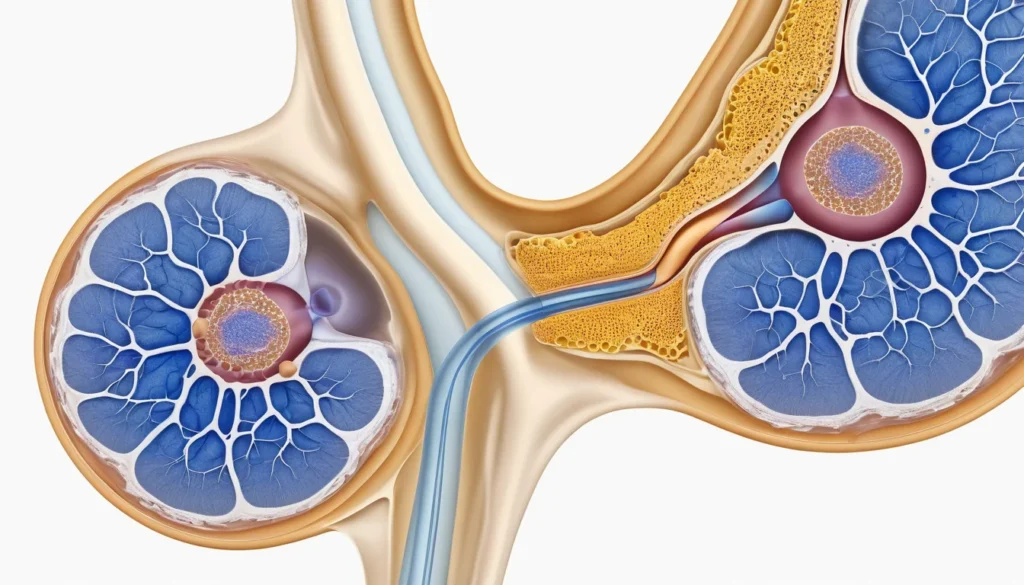
Healthy kidneys filter creatinine out of the blood and into the urine at a predictable rate. If your kidneys are not working properly, creatinine builds up in the blood and less of it appears in the urine. As a result, testing both your blood and urine creatinine levels gives your doctor a clear picture of how your kidneys are performing.
Why Your Doctor May Order This Test
Your family doctor or specialist may recommend a urine creatinine test for several reasons. It is often ordered alongside a blood creatinine test to calculate something called creatinine clearance — a measure of how efficiently your kidneys are filtering waste. This is especially useful for detecting early signs of kidney disease, before symptoms even appear.
In addition, the test helps doctors monitor people who already have a known kidney condition, diabetes, or high blood pressure — all of which can damage the kidneys over time. It may also be used to check the effects of certain medications that can affect kidney function.
Furthermore, the urine creatinine test is used to calculate your glomerular filtration rate (GFR). The GFR tells doctors how many millilitres of blood your kidneys filter per minute. According to Health Canada, chronic kidney disease affects millions of Canadians, and many do not know they have it. Early testing is key to protecting your kidney health.
What Is Creatinine Clearance?
Creatinine clearance is the calculation that combines your urine creatinine level, your blood creatinine level, and the volume of urine you produce. Doctors use a simple formula to work this out:
C = Creatinine clearance (measured in ml/min)
U = Concentration of creatinine in the urine
V = Volume of urine produced over a set period
P = Concentration of creatinine in the blood (plasma)
The formula is: C = (U × V) ÷ P. This calculation tells your doctor how many millilitres of blood your kidneys are cleaning every minute. A higher number generally means your kidneys are working well. A lower number may signal that the kidneys need closer attention.
How to Prepare for a Urine Creatinine Test
The urine creatinine test usually involves collecting all of your urine over a full 24-hour period. This is called a 24-hour urine collection, and getting it right is very important. An incomplete collection is the most common cause of inaccurate results.
Here is how the collection process typically works:
On the morning you begin, empty your bladder as usual — but do not save that first sample. Note the time.
From that point on, collect every drop of urine for the next 24 hours in the special container your lab provides.
Keep the container in the refrigerator throughout the collection period.
After 24 hours, mix the urine gently and measure the total volume. Your lab will tell you how much to bring in — usually around 100 ml in the plastic container provided.
A blood sample will also be taken at some point during or after the collection, so creatinine levels in both urine and blood can be compared.
Your healthcare provider may give you specific instructions about diet or medications during the collection period. Always follow their guidance closely. However, as a general rule, you do not need to fast or make major changes to your routine for this test.
Tips for a Successful Collection
Missing even one urine sample during the 24-hour window can throw off your results. Keep your collection container nearby and accessible throughout the day and night. If you are at work or away from home, plan ahead so you never have to skip a sample.
It can also help to set a reminder on your phone for the start and end times of your collection. Accurate timing makes a real difference in getting reliable results from your urine creatinine test.
How the Test Is Performed in the Lab
Once your samples arrive at the laboratory, technicians analyse the urine using a colorimetric method. This technique uses a chemical reaction that causes the sample to change colour in proportion to the amount of creatinine present. The deeper the colour, the higher the creatinine concentration.
This is a well-established, accurate method used in labs across Canada. Your results are then combined with your blood creatinine level and urine volume to calculate your creatinine clearance and GFR. According to the Mayo Clinic, this combined approach gives a more complete and reliable picture of kidney function than either test alone.
Understanding Your Urine Creatinine Test Results
Normal creatinine clearance values vary depending on your age, sex, and muscle mass. In general, a healthy range for adults is approximately:
Men: 85 to 125 ml/min
Women: 75 to 115 ml/min
These ranges may differ slightly between laboratories, so always ask your doctor to explain your specific results in context. Do not try to interpret the numbers on your own without professional guidance.
What Can Cause Abnormal Results?
Several factors can affect your urine creatinine levels, aside from kidney disease itself. Your doctor will consider all of these when reviewing your results.
Higher-than-normal creatinine levels in the urine can appear if you:
Eat a large amount of meat regularly, since meat contains creatine that converts to creatinine
Have a high muscle mass, for example due to regular intense exercise or bodybuilding
Lower-than-normal creatinine levels in the urine may appear if you:
Have reduced muscle mass, such as after an amputation or due to a muscle-wasting condition
Are elderly, as muscle mass naturally decreases with age
Did not collect all your urine during the 24-hour period (incomplete collection)
Therefore, your doctor always looks at the full clinical picture — not just a single number. For more information on how kidney function tests work, Healthline’s guide to urine creatinine offers a helpful overview.
When to See a Doctor
If you have been experiencing symptoms that might point to a kidney problem, it is important to speak with a healthcare provider promptly. Symptoms worth discussing include swelling in your legs or ankles, changes in how often you urinate, foamy or dark-coloured urine, fatigue, or unexplained back pain near your lower ribs.
In Canada, you can start by booking an appointment with your family doctor. If you do not have a family doctor, a walk-in clinic can order basic kidney function tests, including the urine creatinine test. Your provincial health plan covers most routine diagnostic tests when ordered by a physician, so cost should not be a barrier to getting checked.
If your doctor has already ordered this test for you, make sure to follow the 24-hour collection instructions carefully. Bringing an accurate sample is the single most important thing you can do to ensure useful results. Always consult your doctor or a qualified healthcare professional to interpret your individual test results and discuss any next steps.
Frequently Asked Questions
What does a urine creatinine test show?
A urine creatinine test measures how much creatinine your kidneys are filtering out of your blood and releasing into your urine. It is used to assess kidney function and is often combined with a blood creatinine test to calculate creatinine clearance. This gives your doctor a reliable picture of how well your kidneys are working.
How do I collect a 24-hour urine sample for creatinine testing?
You begin by discarding your first morning urine, then collect every urine sample for the next 24 hours in a special container provided by your lab. Keep the container refrigerated throughout the process. At the end of 24 hours, mix the urine gently and bring the container — or a measured portion of it — to the lab as instructed.
What is a normal creatinine clearance level?
Normal creatinine clearance is roughly 85–125 ml/min for men and 75–115 ml/min for women, though these ranges can vary by age, muscle mass, and laboratory standards. A lower creatinine clearance may indicate that the kidneys are not filtering blood as efficiently as they should. Your doctor will explain what your specific result means for your health.
Can diet affect my urine creatinine test results?
Yes — eating a large amount of meat before or during the collection period can raise your urine creatinine levels, because meat contains creatine that the body converts to creatinine. People with high muscle mass, such as athletes, may also show higher levels that are not related to kidney disease. Tell your doctor about your diet and exercise habits so they can interpret your results accurately.
Is the urine creatinine test covered by provincial health insurance in Canada?
In most Canadian provinces, routine kidney function tests — including the urine creatinine test — are covered by your provincial health plan when ordered by a physician. You can get a requisition from your family doctor or a walk-in clinic. Check with your provincial health authority for details specific to your province.
What happens if my urine creatinine levels are low?
According to Mayo Clinic’s guide to creatinine testing, this information is supported by current medical research.
For more information, read our guide on kidney stones symptoms and treatment in Canada.
Low urine creatinine levels can signal reduced muscle mass — for example, in older adults or people who have had an amputation — or they may result from an incomplete 24-hour urine collection. In some cases, low levels may point to reduced kidney filtering ability. Your doctor will review your results alongside your blood creatinine levels and overall health to determine the cause.
Key Takeaways
The urine creatinine test measures how much creatinine your kidneys filter into your urine, helping assess kidney function.
It is most useful when combined with a blood creatinine test to calculate creatinine clearance and your glomerular filtration rate (GFR).
The test requires a careful 24-hour urine collection — missing any samples can lead to inaccurate results.
Diet and muscle mass can affect your results, so always give your doctor the full picture of your lifestyle.
In Canada, this test is typically covered by your provincial health plan when ordered by a physician.
If you have concerns about your kidney health, speak with your family doctor or visit a walk-in clinic. Early detection makes a significant difference.
Always consult a qualified healthcare professional to interpret your test results and guide your care.
Frequently Asked Questions
What is a urine creatinine test?
A urine creatinine test measures the amount of creatinine, a waste product from muscle metabolism, excreted in your urine. Canadian doctors use it to assess kidney function, evaluate how well your kidneys filter waste, and diagnose conditions like chronic kidney disease or urinary tract disorders.
What are the symptoms that mean you need a urine creatinine test?
Symptoms prompting a urine creatinine test include swelling in legs or ankles, persistent fatigue, decreased urine output, foamy or dark-coloured urine, high blood pressure, or unexplained muscle weakness. These signs may indicate impaired kidney function requiring further investigation by your healthcare provider.
What do abnormal urine creatinine test results mean?
Abnormal urine creatinine results can indicate kidney disease, dehydration, muscle disorders, or hormonal imbalances. Low levels may suggest kidney damage or reduced muscle mass, while high levels can indicate excessive muscle breakdown. Your doctor will interpret results alongside blood creatinine and other markers for accurate diagnosis.
How can you improve kidney health to prevent abnormal creatinine levels?
To maintain healthy creatinine levels, stay well hydrated, follow a balanced diet low in processed foods and excess protein, exercise moderately, avoid NSAIDs and nephrotoxic medications unless prescribed, manage diabetes and blood pressure carefully, and avoid smoking. Regular checkups with your Canadian family physician help detect problems early.
When should you see a doctor about your urine creatinine test results in Canada?
See your doctor promptly if results fall outside the normal range of 8.8–14 mmol/day for women or 14–26 mmol/day for men, if symptoms like swelling or reduced urination appear, or if you have diabetes or hypertension. Early intervention significantly improves kidney disease outcomes for Canadians.