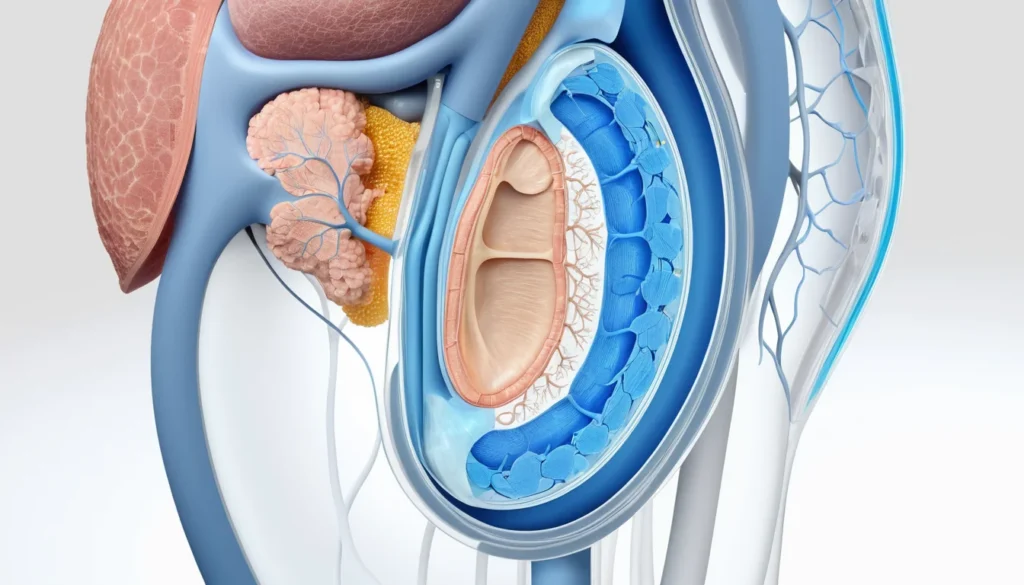
Urination is one of the body’s most essential functions, yet most of us never think about it until something goes wrong. Understanding what healthy urination looks like — and recognizing the signs of a problem — can help you catch issues early and get the right care. This article covers normal urination patterns, common urination disorders, and when it’s time to talk to your family doctor or visit a walk-in clinic.
What Is Urination and How Does It Work?
Urination is the process of releasing urine stored in the bladder out of the body. The bladder collects urine produced by the kidneys and holds it until you are ready to release it. When the bladder is full enough, it sends a signal to your brain, and you feel the urge to urinate.
This process depends on a carefully coordinated nervous system. Muscles in the bladder wall contract to push urine out, while the urethral sphincter — a ring-shaped muscle — relaxes to allow urine to pass. Healthy adults can control this process voluntarily, which is why you can “hold it” when a bathroom is not available.
According to Health Canada, staying well hydrated supports healthy kidney and bladder function throughout your life.
What Is a Normal Urination Pattern?
Most healthy adults urinate between four and seven times during the day. At night, urination typically occurs zero to one times. However, these numbers can vary depending on how much you drink, your age, and your overall health.
The colour of your urine is also a useful health indicator. Pale yellow urine generally means you are well hydrated. Dark yellow or amber urine can mean you need to drink more water. Red or cloudy urine should be checked by a doctor right away.
In addition, the amount of urine produced each day matters. Most adults produce between 800 millilitres and two litres of urine per day. Drinking more fluids, especially water, naturally increases this amount.
Factors That Affect How Often You Urinate
Several everyday factors influence your urination frequency. Caffeine and alcohol both act as diuretics, meaning they make your kidneys produce more urine. Certain medications, such as water pills (diuretics) prescribed for high blood pressure, also increase urination.
Pregnancy puts pressure on the bladder and commonly causes more frequent urination, especially in the first and third trimesters. Cold weather can also trigger more frequent urination, as the body does not lose as much fluid through sweat.
Common Urination Problems You Should Know About
Many Canadians experience urination problems at some point in their lives. Some are minor and temporary, while others signal an underlying condition that needs treatment. Understanding these problems can help you describe your symptoms clearly to your family doctor.
Painful Urination (Dysuria)
Painful urination, also called dysuria, is a burning or stinging sensation during or after urination. It is one of the most common signs of a urinary tract infection (UTI). However, it can also result from a narrowing of the urethra, bladder inflammation, or sexually transmitted infections.
If you feel pain during urination, your doctor will likely ask for a urine sample. This test — called a urine culture — checks for bacteria and helps confirm whether a UTI is causing your symptoms. Do not ignore painful urination, as untreated UTIs can spread to the kidneys.
For more information on UTIs, visit the Mayo Clinic’s guide to urinary tract infections.
Difficulty Urinating (Dysuria of Obstruction)
Some people have trouble starting urination, or experience a weak urine stream. This is a type of urination difficulty often linked to an obstruction or muscle problem. In men, an enlarged prostate (also called benign prostatic hyperplasia, or BPH) is the most common cause.
Other causes include a narrowing of the urethra (called urethral stricture) or a bladder muscle that does not contract strongly enough. Women can also experience urination difficulty, often related to pelvic organ prolapse or nerve damage. A family doctor or urologist can investigate the underlying cause.
Frequent Urination (Pollakiuria)
Frequent urination means needing to urinate much more often than usual, both during the day and at night. The medical term for this is pollakiuria. It is often a sign that something is irritating the bladder or reducing its capacity to hold urine.
Common causes include UTIs, an enlarged prostate, bladder stones, or overactive bladder syndrome. Diabetes is another important cause — high blood sugar causes the kidneys to work harder and produce more urine. Therefore, if frequent urination appears alongside increased thirst or unexplained weight loss, see your doctor promptly.
Urgent Urination (Urgency Incontinence)
Urinary urgency means feeling a sudden, intense need to urinate that is very hard to control. This is sometimes called an “overactive bladder.” The sensation happens because the bladder is irritated or because the nerves controlling the bladder send signals too early.
Urgency can occur with or without leaking urine. When leaking happens alongside urgency, doctors call it urgency urinary incontinence. This condition is more common than many people think, and effective treatments are available. You do not have to simply live with it.
Urinary Incontinence
Urinary incontinence means leaking urine accidentally. It can range from a small leak when you cough or sneeze to a complete inability to hold urine. It happens when the urethral sphincter does not work properly, or when bladder pressure suddenly exceeds sphincter strength.
There are two main types. Stress incontinence happens during physical activity, coughing, sneezing, or laughing. Urgency incontinence happens when the urge to urinate comes on too quickly to reach the bathroom in time. Some people experience a mix of both types.
Urinary incontinence is more common in women, especially after childbirth or menopause, but it also affects men — particularly after prostate surgery. As a result, many Canadians quietly manage this condition without seeking help. However, pelvic floor physiotherapy, lifestyle changes, and medications can all make a significant difference.
Bedwetting (Enuresis)
Bedwetting, known medically as enuresis, refers to involuntary urination during sleep. It is very common in young children and is generally not considered a problem until after age four or five, when most children have developed bladder control.
In children, enuresis may be linked to a bladder that has not fully matured neurologically. Some specialists also point to hormonal factors, such as lower-than-normal nighttime levels of the hormone that slows urine production. In some cases, emotional or psychological stress plays a role.
Bedwetting in adults is less common but does occur. It can be caused by sleep apnea, diabetes, neurological conditions, or an overactive bladder. If an adult starts experiencing bedwetting, this should be discussed with a family doctor.
Urination Problems in Men vs. Women
Urination problems can affect anyone, but some conditions are more common in one sex than the other. Understanding these differences helps with early recognition and treatment.
Men are more likely to experience urination problems related to the prostate. An enlarged prostate can squeeze the urethra, making it harder to urinate fully and causing frequent nighttime urination. Prostate cancer can also affect urination patterns, which is why regular check-ups are important for men over 50.
Women, on the other hand, have a shorter urethra, which makes them more prone to UTIs. Pregnancy, childbirth, and menopause also change the pelvic floor muscles and bladder behaviour significantly. In addition, women are more likely to experience stress urinary incontinence. These issues are very treatable, and no one should feel embarrassed to bring them up with a healthcare provider.
Urination and Children’s Health
Children’s bladder control develops gradually. Most children achieve daytime bladder control between ages two and four. Nighttime control often takes longer, sometimes until age six or seven. Bedwetting in children younger than six is usually not a cause for concern.
However, if your child suddenly starts wetting the bed after being reliably dry, or if daytime accidents continue past age five, it is worth mentioning to your child’s paediatrician. Urinary tract infections in children can also cause sudden changes in urination habits. Signs to watch for include foul-smelling urine, pain during urination, or a fever without a clear cause.
For a comprehensive overview of childhood bladder development, Healthline’s guide on enuresis offers reliable and easy-to-read information.
When to See a Doctor About Urination
Many urination changes are harmless and temporary. However, some symptoms need prompt medical attention. It is always better to get checked and find nothing serious than to delay care and let a problem worsen.
Visit your family doctor or a walk-in clinic if you notice any of the following:
Burning or pain during urination
Blood in your urine (pink, red, or brown colour)
Urinating more than eight times per day without a clear reason
Waking up more than twice per night to urinate
Leaking urine or feeling unable to hold urine
A sudden change in urination habits that lasts more than a day or two
Difficulty starting urination or a very weak urine stream
Cloudy or foul-smelling urine
In Canada, your provincial health plan covers most doctor visits related to urination concerns. If you do not have a family doctor, a walk-in clinic is a good first step. Walk-in clinics can perform urine tests, prescribe antibiotics for UTIs, and refer you to a specialist if needed. Many provinces also offer virtual care options through provincially funded telehealth services, making it even easier to get advice quickly.
Remember, urination problems are among the most common reasons Canadians visit their doctor. Healthcare providers hear about these concerns every single day — there is no need to feel embarrassed about bringing them up.
Please note: This article is for general information purposes only. It is not a substitute for professional medical advice. Always consult your doctor or a qualified healthcare provider about any symptoms or concerns related to your urination or overall health.
Frequently Asked Questions About Urination
How many times a day is normal urination for an adult?
Most healthy adults experience normal urination between four and seven times per day. Urinating once at night is also common. If your urination frequency is significantly higher or lower than this, it may be worth discussing with your family doctor.
What causes painful urination in women?
Painful urination in women is most commonly caused by a urinary tract infection (UTI), which is very common due to the shorter length of the female urethra. Other causes include yeast infections, sexually transmitted infections, or bladder inflammation. A urine test at a walk-in clinic or with your family doctor can identify the cause quickly.
Why do I wake up at night to urinate frequently?
Waking up more than once per night to urinate — a condition called nocturia — can be caused by drinking too many fluids in the evening, taking diuretic medications, an enlarged prostate, a UTI, or diabetes. Frequent nighttime urination in older adults may also be linked to changes in kidney function. Talk to your doctor if this is disrupting your sleep regularly.
Is urinary incontinence normal as you age?
Urinary incontinence becomes more common with age, but it is not simply a normal part of getting older — and it is very treatable. Pelvic floor exercises, bladder training, medications, and in some cases minor procedures can significantly improve or resolve the problem. Do not hesitate to raise this with your family doctor or a pelvic health physiotherapist.
When should I be worried about changes in urination?
You should seek medical advice if you notice blood in your urine, pain during urination, a sudden increase in urination frequency, difficulty starting urination, or leaking urine. These changes in urination can point to conditions that are very manageable when caught early. In Canada, walk-in clinics and family doctors can assess these symptoms quickly and order urine tests on the spot.
Can drinking more water improve urination problems?
Staying well hydrated supports healthy urination by flushing the bladder regularly and reducing the risk of UTIs and kidney stones. However, drinking excessive amounts of water can increase urination frequency unnecessarily. Aim for about six to eight glasses of water per day, and adjust based on your activity level and your doctor’s advice.
Key Takeaways
Normal urination occurs four to seven times per day and zero to one times at night for most adults.
Painful urination is often a sign of a UTI and should be assessed with a urine test.
Frequent urination can be caused by UTIs, an enlarged prostate, bladder stones, or diabetes.
Urinary incontinence is common and very treatable — pelvic floor physiotherapy and medications can help.
Bedwetting in children under six is usually normal; in adults, it warrants a medical conversation.
Men and women face different urination challenges due to anatomy and hormonal differences.
In Canada, your provincial health plan covers most urination-related doctor visits — use your family doctor, a walk-in clinic, or telehealth services to get answers.
Always consult a healthcare provider if you notice blood in your urine, pain, or a sudden unexplained change in urination habits.