Your urinary tract is one of the most important systems in your body. It includes all the organs that work together to filter your blood, produce urine, and remove waste from your body. Understanding how it works can help you spot problems early and take better care of your health. This article explains what the urinary tract is, how it functions, what can go wrong, and when to talk to your family doctor or visit a walk-in clinic.
What Is the Urinary Tract?
The urinary tract is the complete pathway that urine travels through, from the moment it forms in your kidneys to the moment it leaves your body. Think of it as a drainage system designed to keep your blood clean and your body balanced.
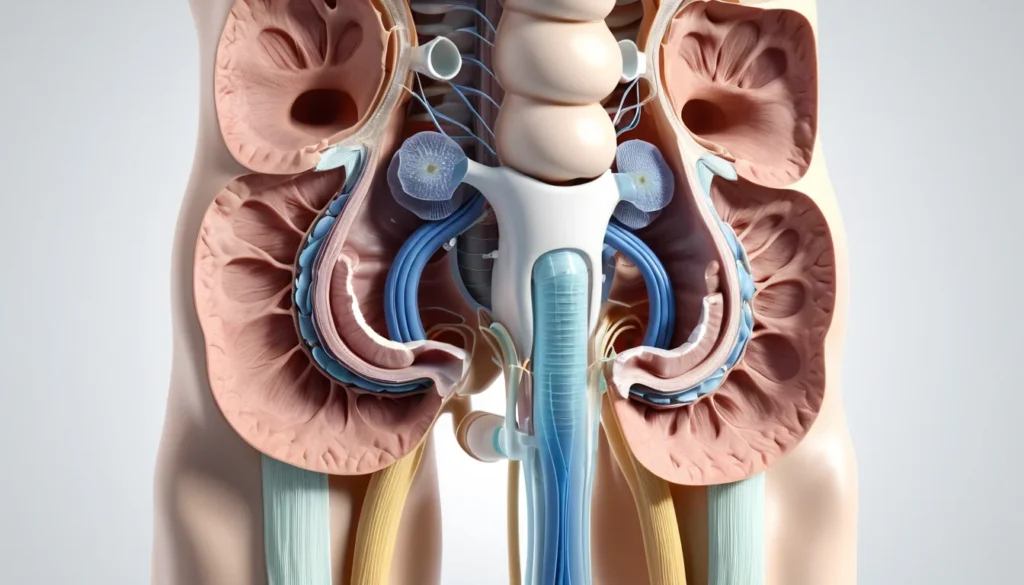
The urinary tract includes four main parts: the kidneys, the ureters, the bladder, and the urethra. Each part plays a specific role. Together, they make sure waste and extra fluid leave your body safely and efficiently.
According to Health Canada, urinary tract conditions are among the most common health concerns seen by Canadian family doctors every year. That makes understanding this system especially important for everyday Canadians.
The Main Parts of the Urinary Tract
Each organ in the urinary tract has a clear job to do. When all parts work together, the system runs smoothly. However, when one part is affected, others can be impacted too.
The Kidneys
Your kidneys are two bean-shaped organs located in your lower back, one on each side of your spine. They filter about 200 litres of blood every single day. As a result, they remove waste products, extra salts, and excess water, turning them into urine.
The kidneys also help control your blood pressure and produce hormones that support red blood cell production. They are vital organs, and keeping them healthy is key to your overall well-being.
The Ureters
Once the kidneys produce urine, it travels down two thin tubes called ureters. These tubes connect each kidney to the bladder. The ureters use small muscular contractions to push urine downward, even when you are lying down.
Each ureter is about 25 to 30 centimetres long in adults. They are narrow but flexible, and they work constantly without you noticing.
The Bladder
The bladder is a hollow, muscular organ that sits in your lower abdomen. Its job is to store urine until your body is ready to release it. A healthy adult bladder can hold between 400 and 600 millilitres of urine comfortably.
When the bladder fills up, it sends signals to your brain that create the urge to urinate. This process is called the micturition reflex. In addition, the bladder wall stretches as it fills and contracts when you urinate, pushing urine out through the urethra.
The Urethra
The urethra is the final tube in the urinary tract. It carries urine from the bladder to the outside of the body. In women, the urethra is about 4 centimetres long. In men, it is much longer — roughly 20 centimetres — because it also passes through the prostate gland and the penis.
This difference in length is one reason why women are more prone to urinary tract infections than men. Bacteria have a shorter distance to travel to reach the bladder in women.
How the Urinary Tract Works
The urinary tract works around the clock to keep your body in balance. The process starts in the kidneys, which filter blood continuously. They separate waste from useful substances like proteins and blood cells, which stay in the bloodstream.
The waste — now called urine — flows down the ureters into the bladder. Your bladder stores this urine until it reaches a certain volume. At that point, nerve signals travel to your brain, and you feel the urge to urinate.
When you are ready, your brain sends signals back to relax the sphincter muscles around the urethra. The bladder muscles then contract, and urine flows out of the body. This entire process is known as urination or micturition. For more detail, visit the Mayo Clinic’s overview of urinary health.
Common Urinary Tract Conditions
Many Canadians will experience a urinary tract problem at some point in their lives. Some conditions are mild and easy to treat. Others require more attention and ongoing care.
Urinary Tract Infections (UTIs)
A urinary tract infection, or UTI, happens when bacteria enter the urinary tract and multiply. UTIs most commonly affect the bladder, but they can also spread to the kidneys if left untreated. Symptoms include a burning feeling when you urinate, frequent urges to go, and cloudy or strong-smelling urine.
UTIs are very common in Canada, especially among women. However, men and children can also develop them. Most UTIs are treated with antibiotics prescribed by a family doctor or a walk-in clinic provider.
Kidney Stones
Kidney stones form when minerals and salts build up and crystallise inside the kidneys. They can range in size from a grain of sand to a small pebble. Small stones often pass on their own with plenty of water. Larger stones may require medical treatment.
The pain from a kidney stone moving through the ureter can be intense. Therefore, if you experience sudden, severe pain in your back or side, seek medical attention promptly.
Overactive Bladder
An overactive bladder causes a sudden, strong urge to urinate that is difficult to control. It can also lead to frequent urination — sometimes more than eight times in 24 hours. This condition affects millions of Canadians and can seriously impact daily life.
Fortunately, lifestyle changes, bladder training, and medications can help manage overactive bladder. Your family doctor can discuss the best options for your situation.
Urinary Incontinence
Urinary incontinence means accidentally leaking urine. It can happen when you cough, sneeze, exercise, or feel a sudden urge to go. It is more common in older adults and in women, especially after pregnancy or menopause.
Many people feel embarrassed to talk about incontinence, but it is a medical condition with effective treatments. Do not hesitate to bring it up with your doctor or nurse practitioner.
Enlarged Prostate
In men, an enlarged prostate gland can press on the urethra and make urination difficult. This condition, called benign prostatic hyperplasia (BPH), is very common in men over 50. Symptoms include a weak urine stream, difficulty starting to urinate, and frequent nighttime trips to the bathroom.
BPH is not cancer, but it does need monitoring and sometimes treatment. Your provincial health plan covers assessments for this condition through your family doctor.
Tips to Keep Your Urinary Tract Healthy
Taking care of your urinary tract does not require complicated steps. In fact, simple daily habits can make a big difference in preventing problems.
Stay well hydrated. Drinking enough water helps flush bacteria and waste products out of your system. Most adults benefit from drinking about 1.5 to 2 litres of water per day. However, your needs may vary based on your size, activity level, and the season.
Do not hold your urine for too long. When you feel the urge to go, try to use the bathroom within a reasonable time. Holding urine for extended periods can stretch the bladder and create conditions where bacteria thrive.
Practise good hygiene. Wiping front to back after using the toilet helps prevent bacteria from entering the urethra, especially in women. Changing out of wet or sweaty clothing promptly also helps.
Eat a balanced diet. Foods rich in fibre support overall digestive and urinary health. Reducing excess salt helps protect your kidneys from having to work too hard. Limiting caffeine and alcohol can also reduce bladder irritation.
Avoid smoking. Smoking is a known risk factor for bladder cancer. Quitting is one of the best things you can do for your urinary tract and your overall health. Resources are available through your provincial health programme.
Exercise regularly. Physical activity helps maintain a healthy weight, which reduces pressure on the bladder. Pelvic floor exercises, sometimes called Kegel exercises, can strengthen the muscles that support bladder control.
For further reading on healthy lifestyle habits, Healthline’s guide to urinary health offers practical, evidence-based advice.
When to See a Doctor
Many urinary tract issues are easy to treat when caught early. Therefore, it is important to pay attention to warning signs and act quickly when something does not feel right.
See your family doctor or visit a walk-in clinic if you notice any of the following:
Pain or burning when you urinate
Blood in your urine (which may appear pink, red, or brown)
Frequent urination, especially at night
Difficulty starting or stopping urination
Leaking urine unexpectedly
Pain in your lower back, side, or lower abdomen
Urine that looks cloudy or smells unusually strong
Fever combined with any urinary symptoms
Fever with urinary symptoms can signal a kidney infection, which needs prompt treatment. Do not wait to see if it goes away on its own. Most provincial health plans cover visits to both family doctors and walk-in clinics for these concerns.
If you do not have a family doctor, a walk-in clinic is a good first step. You can also use your province’s health line — such as Ontario’s Telehealth Ontario or BC’s HealthLinkBC — for guidance over the phone before heading in.
Always consult a qualified healthcare provider before starting any new treatment or making significant changes to manage a urinary tract condition. This article is for informational purposes only and is not a substitute for professional medical advice.
Frequently Asked Questions About the Urinary Tract
What is the urinary tract and what does it do?
The urinary tract is the system of organs that produces, stores, and removes urine from your body. It includes the kidneys, ureters, bladder, and urethra. Together, these organs filter waste from your blood and keep your body’s fluid balance in check.
What are the most common urinary tract problems?
The most common urinary tract problems include urinary tract infections (UTIs), kidney stones, overactive bladder, and urinary incontinence. In men, an enlarged prostate is also very common. Most of these conditions are treatable when caught early.
How can I prevent urinary tract infections?
You can reduce your risk of a urinary tract infection by drinking plenty of water, urinating after sexual activity, and practising good hygiene. Wiping front to back and avoiding holding your urine for long periods also helps. If you get frequent UTIs, speak with your family doctor about prevention strategies.
When should I go to a walk-in clinic for a urinary problem?
You should visit a walk-in clinic or your family doctor if you have pain when urinating, blood in your urine, or a frequent and urgent need to go. If you also have a fever, go promptly, as this may indicate a kidney infection. Most provincial health plans in Canada cover these visits.
Is blood in the urine always serious?
Blood in the urine — called haematuria — should always be checked by a doctor, even if it is painless. It can be caused by a urinary tract infection, kidney stones, or in some cases, something more serious. Getting it assessed quickly gives you the best chance of an early diagnosis and effective treatment.
How much water should I drink to keep my urinary tract healthy?
Most adults benefit from drinking 1.5 to 2 litres of water per day to support a healthy urinary tract. However, your ideal intake depends on your body size, activity level, and climate. Pale yellow urine is generally a good sign that you are well hydrated.
Key Takeaways
The urinary tract includes the kidneys, ureters, bladder, and urethra — all working together to remove waste from your body.
Common urinary tract conditions include UTIs, kidney stones, overactive bladder, incontinence, and enlarged prostate.
Staying hydrated, eating well, and practising good hygiene are the best ways to protect your urinary tract.
Warning signs like pain, blood in the urine, or fever with urinary symptoms should be assessed by a doctor promptly.
Walk-in clinics and family doctors across Canada are well-equipped to diagnose and treat most urinary tract problems.
Always speak with a healthcare professional for advice tailored to your specific health needs.