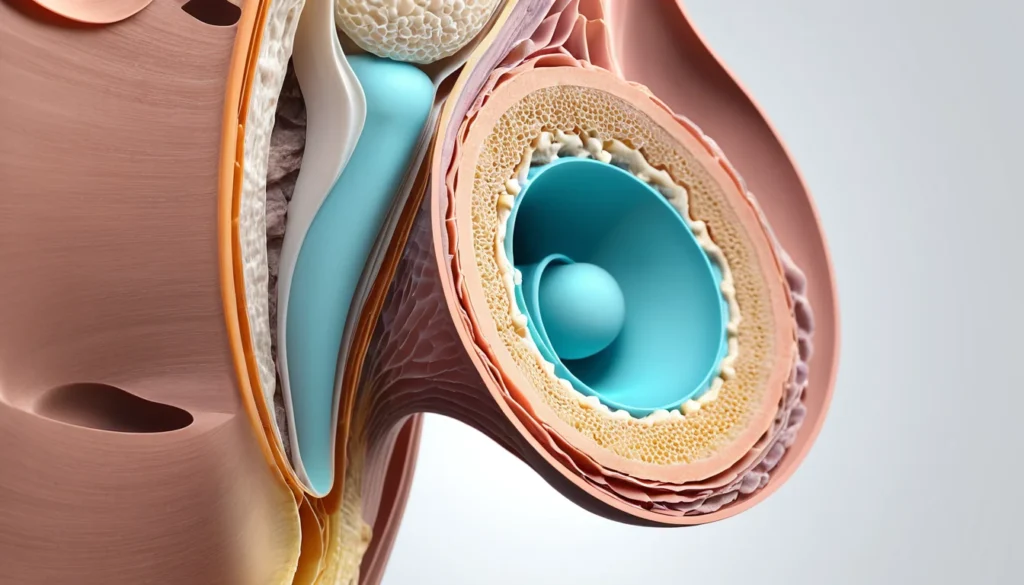
Urinary retention happens when your bladder cannot fully empty. This condition can cause significant pain and, if left untreated, can seriously damage your kidneys. It affects both men and women, though men experience it more often. This article explains what urinary retention is, what causes it, how doctors treat it, and when you should seek care from a family doctor or walk-in clinic.
What Is Urinary Retention?
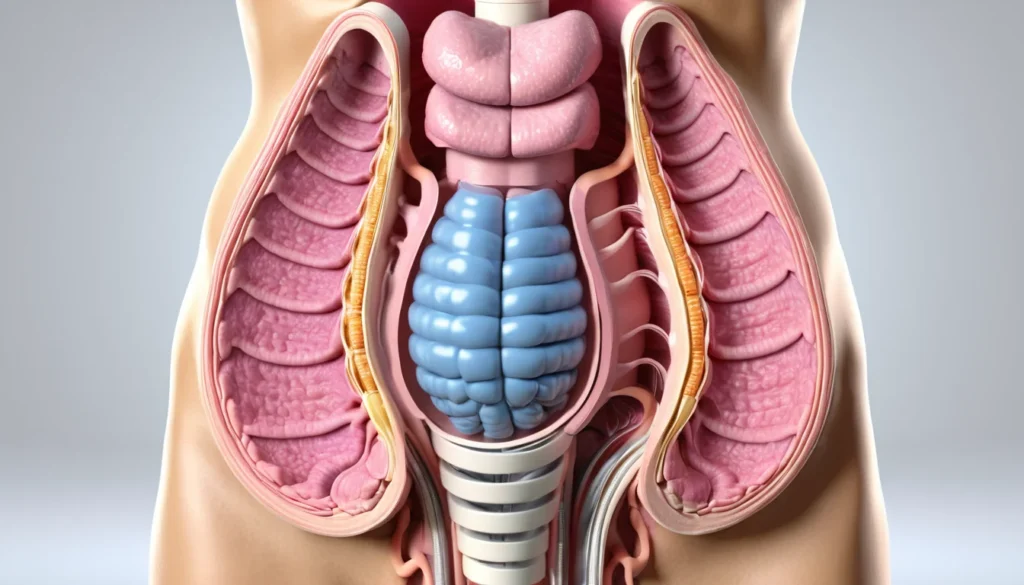
Urinary retention occurs when urine builds up inside the bladder and cannot be released properly. Think of it like a sink that won’t drain — the fluid has nowhere to go. As a result, the bladder stretches and becomes painfully full.
There are two types of urinary retention. Acute urinary retention comes on suddenly and is a medical emergency. Chronic urinary retention develops slowly over time and may not cause obvious pain right away, but it is still a serious condition that needs treatment.
According to Mayo Clinic’s overview of urinary retention, this condition can affect people of all ages, though it becomes more common as people get older. If you feel like you cannot fully empty your bladder, it is important to speak with a healthcare provider as soon as possible.
Common Causes of Urinary Retention in Men
Urinary retention is more common in men than in women. The most frequent cause in men is an enlarged prostate, also called benign prostatic hyperplasia (BPH). The prostate gland surrounds the urethra — the tube that carries urine out of the body. When the prostate grows larger, it can squeeze the urethra and block urine flow.
Another common cause is a urethral stricture. This means the urethra has become narrowed, often due to past infection, injury, or inflammation. A narrowed urethra makes it very difficult for urine to pass through normally.
In some cases, urinary retention in men is linked to a neurological problem. When the nerves that control the bladder are not working properly, the bladder muscle may become too weak to push urine out. Doctors call this an atonic bladder. Conditions like diabetes, multiple sclerosis, or spinal cord injuries can all affect how the bladder nerves function.
Prostate Health and Urinary Retention
In Canada, prostate enlargement is one of the leading causes of urinary retention in men over 50. Many Canadian men are not aware that this common condition can lead to serious bladder problems if ignored. Your provincial health plan covers assessments for prostate-related issues, so speak to your family doctor about your options.
For more information on prostate health and related urinary concerns, visit Healthline’s detailed guide on urinary retention causes and risk factors.
Common Causes of Urinary Retention in Women
Although urinary retention is less common in women, it still happens and should not be ignored. One of the more frequent causes in women is pelvic compression. This occurs when something inside the pelvis presses on the bladder or urethra from the outside.
A fecal impaction is one example. This happens when a large, hard mass of stool builds up in the colon. The mass can press against the bladder or urinary tract, making it very difficult to urinate. Fecal impaction often affects people who are dehydrated, eat a low-fibre diet, or have limited mobility.
Women who have been on bed rest for a long time are also at higher risk. Prolonged immobility can weaken the muscles involved in urination. Furthermore, surgeries in the pelvic area, certain medications, and neurological conditions can all contribute to urinary retention in women.
Neurological Causes in Both Men and Women
Nerve damage is an important but often overlooked cause of urinary retention. The bladder relies on a network of nerves to function properly. When those nerves are disrupted, the bladder may not receive the signals it needs to contract and push urine out.
Conditions that can damage these nerves include stroke, Parkinson’s disease, spinal cord injury, and poorly controlled diabetes. In these cases, managing the underlying condition is a key part of treating urinary retention.
Recognising the Symptoms of Urinary Retention
The symptoms of urinary retention can vary depending on whether the condition is acute or chronic. It is important to recognise the warning signs so you can seek care quickly.
Common symptoms include:
A strong urge to urinate but little or no urine comes out
A feeling that your bladder is still full after urinating
Pain or discomfort in the lower abdomen
Difficulty starting to urinate or a weak urine stream
Frequent urination in small amounts
Bloating or swelling in the lower belly
Acute urinary retention is a medical emergency. If you suddenly cannot urinate at all and you are in significant pain, go to your nearest emergency room or call 911 right away. Do not wait to see if it gets better on its own.
How Urinary Retention Affects the Kidneys
One of the most serious risks of untreated urinary retention is kidney damage. When urine cannot drain from the bladder, it can back up into the ureters — the tubes connecting the kidneys to the bladder. Over time, this pressure can damage kidney tissue and lead to kidney failure.
This is why prompt treatment of urinary retention is so important. The kidneys are vital organs, and protecting them should be a top priority. According to Health Canada’s health information resources, Canadians are encouraged to seek medical attention for any sudden changes in urinary function.
How Doctors Diagnose Urinary Retention
Your doctor will start by asking about your symptoms and medical history. They will likely perform a physical examination, including pressing gently on your lower abdomen to feel if the bladder is enlarged.
In many cases, doctors use an ultrasound to measure how much urine remains in the bladder after you try to urinate. This is called a post-void residual test. It is painless and quick, and it gives doctors clear information about how well the bladder is emptying.
Additional tests may include urine analysis, blood tests to check kidney function, and sometimes a scan or scope to look at the urinary tract more closely. Your family doctor can order most of these tests, and many are covered under your provincial health plan.
Treatment Options for Urinary Retention
The first goal of treatment is to drain the bladder quickly and safely. After that, doctors focus on treating the underlying cause. The right treatment depends on what is causing the blockage and how severe the retention is.
Bladder Catheterisation
The most common immediate treatment is bladder catheterisation. A doctor or nurse inserts a thin, flexible tube called a catheter through the urethra and into the bladder. The urine drains through the tube, relieving the pressure and pain quickly.
This procedure is straightforward and is performed in emergency rooms, hospitals, and many walk-in clinics across Canada. It provides fast relief and prevents further damage to the kidneys and bladder.
Suprapubic Catheterisation
In some cases, a catheter cannot be inserted through the urethra. This may happen if there is a severe blockage or stricture. In these situations, doctors can insert a suprapubic catheter instead.
This involves making a small opening through the skin of the lower abdomen, just above the pubic bone. A catheter is then placed directly into the bladder through this opening. This approach bypasses the urethra entirely and allows urine to drain safely.
Treating the Underlying Cause
Draining the bladder is only the first step. To prevent urinary retention from coming back, doctors must also treat whatever caused it in the first place. For example:
Enlarged prostate: Medications can help shrink the prostate or relax the muscles around it. In some cases, surgery may be recommended.
Urethral stricture: A procedure to widen the urethra, called dilation, may be needed. In some cases, surgery is required.
Neurological causes: Managing the underlying nerve condition and sometimes using medications or a long-term catheter.
Fecal impaction: Treating the impaction with laxatives, enemas, or manual removal, along with dietary changes to increase fibre intake.
Medication-related causes: Adjusting or changing medications that may be affecting bladder function.
However, treatment plans will always be tailored to the individual. Your family doctor is the best person to guide you through the right steps for your situation.
When to See a Doctor
You should seek medical attention any time you feel you cannot empty your bladder fully, especially if it is accompanied by pain. In Canada, you have several convenient options for accessing care.
For a sudden and complete inability to urinate, go to your nearest emergency room immediately. This is a medical emergency that requires fast treatment to protect your kidneys.
For ongoing symptoms that are less severe — such as a weak urine stream, frequent urination, or a persistent feeling of fullness — book an appointment with your family doctor. If you do not have a family doctor, a walk-in clinic is a great first step. Most provincial health plans cover visits to walk-in clinics for issues like this.
Do not ignore symptoms of urinary retention, even if they seem mild. Early diagnosis and treatment can prevent serious complications, including permanent kidney damage.
Always consult a qualified healthcare provider for personal medical advice. The information in this article is for general educational purposes and does not replace a professional diagnosis or treatment plan.
Frequently Asked Questions About Urinary Retention
What does urinary retention feel like?
Urinary retention often feels like a strong urge to urinate that is not fully relieved, even after you go to the bathroom. You may feel pressure or pain in your lower abdomen. In acute urinary retention, the pain can be severe and you may not be able to pass any urine at all.
Can urinary retention go away on its own?
Mild or temporary urinary retention — for example, caused by anxiety or certain medications — may improve once the trigger is removed. However, urinary retention caused by a blockage, prostate enlargement, or nerve damage will not resolve on its own. It is always best to see a doctor rather than wait and hope it clears up.
Is urinary retention dangerous?
Yes, urinary retention can be very dangerous if left untreated. Urine that cannot drain from the bladder can back up into the kidneys and cause serious, potentially permanent kidney damage. Acute urinary retention is considered a medical emergency and requires immediate care.
What causes urinary retention in women?
In women, urinary retention is often caused by pelvic compression, such as from a fecal impaction or a pelvic organ prolapse. Prolonged bed rest, neurological conditions, and certain medications can also lead to urinary retention in women. A doctor can perform tests to find the specific cause and recommend the right treatment.
How is urinary retention treated in Canada?
In Canada, urinary retention is treated first by draining the bladder using a catheter, either through the urethra or through a small opening in the lower abdomen. After the immediate problem is resolved, doctors treat the underlying cause — such as an enlarged prostate or a urethral stricture. Most diagnostic tests and treatments are covered under provincial health plans.
Can diet affect urinary retention?
Diet does not directly cause most forms of urinary retention, but it can play a role in some cases. For example, a low-fibre diet can contribute to constipation and fecal impaction, which can press on the bladder and cause urinary retention in some people. Staying hydrated and eating a balanced, high-fibre diet supports overall urinary and digestive health.
Key Takeaways
Urinary retention happens when the bladder cannot fully empty, causing pain and potentially serious health problems.
It is more common in men, often due to an enlarged prostate or urethral stricture, but it also affects women.
Causes include physical blockages, nerve damage, fecal impaction, prolonged bed rest, and certain medications.
Symptoms include pain in the lower abdomen, difficulty urinating, a weak stream, and a feeling of bladder fullness after urinating.
Untreated urinary retention can damage the kidneys — prompt medical attention is essential.
Treatment begins with draining the bladder by catheter, followed by addressing the root cause.
In Canada, visit an emergency room for sudden complete urinary retention, or see your family doctor or a walk-in clinic for ongoing symptoms.
Most assessments and treatments are covered under provincial health plans.