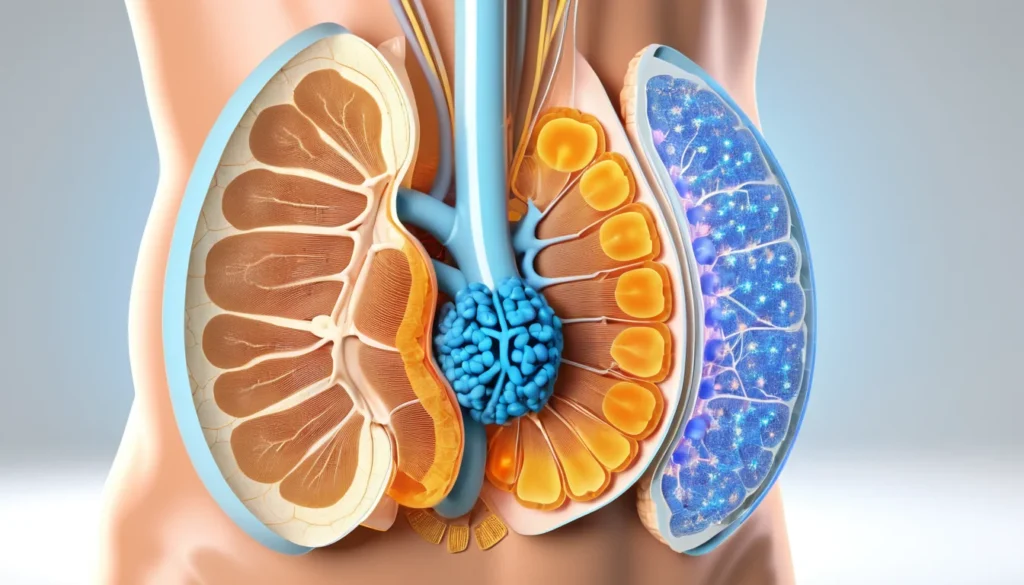
A urinary adrenaline test measures how much adrenaline (epinephrine) your body releases over a set period, helping doctors identify conditions that cause excess hormone production. If your doctor in Canada has recommended this test, understanding what it involves can help you feel prepared and confident heading into your appointment.
How the Urinary Adrenaline Test Works in Canada
Also known as a urine epinephrine test, this diagnostic tool is commonly ordered by family physicians and specialists across Canada to evaluate adrenal gland function. By collecting urine over 24 hours, the test provides a reliable snapshot of your adrenaline levels, which is especially useful for diagnosing conditions like pheochromocytoma and other catecholamine-producing tumours.
What Is the Urinary Adrenaline Test?
Conditions Detected by a Urinary Adrenaline Test: Types and Key Characteristics
| Condition | Characteristics | Typical Symptoms | Management Approach |
|---|---|---|---|
| Pheochromocytoma | Adrenal gland tumour causing excess catecholamine secretion; rare but serious | Severe episodic headaches, heavy sweating, rapid heart rate, high blood pressure | Surgical removal; managed at specialized Canadian centres such as those affiliated with academic hospitals |
| Paraganglioma | Extra-adrenal tumour outside the adrenal glands; may be hereditary | Similar to pheochromocytoma; may also include neck or abdominal mass | Surgery, radiation, or targeted therapy; genetic counselling recommended |
| Neuroblastoma | Malignant tumour of nerve tissue; most common in children under age 5 | Abdominal lump, bone pain, fatigue, unexplained fever, weight loss | Chemotherapy, surgery, and radiation; treated through pediatric oncology programs across Canada |
| Essential Hypertension with Adrenal Involvement | Elevated blood pressure linked to abnormal adrenaline regulation; requires rule-out of secondary causes | Persistent high blood pressure, occasional palpitations, headaches | Antihypertensive medications; dietary and lifestyle changes per Canadian cardiovascular guidelines |
| Carcinoid Syndrome | Rare condition from hormone-secreting carcinoid tumours; can elevate urinary catecholamines | Skin flushing, diarrhea, wheezing, abdominal cramping | Somatostatin analogues, surgical resection; managed through multidisciplinary oncology teams |
Adrenaline (epinephrine) is a hormone and chemical messenger your body makes naturally. Your adrenal glands — two small glands that sit on top of your kidneys — produce most of it. Certain nerve cells also release adrenaline.
The urinary adrenaline test measures the amount of epinephrine found in your urine or blood plasma. It gives your doctor a clear picture of how much adrenaline your body is making over time. This is especially helpful for diagnosing conditions that cause abnormal hormone production.
In Canada, this test is typically ordered by a specialist or your family doctor. It may be processed through your provincial health plan, depending on your province and the reason for the test. Always check with your provider about coverage under your provincial health plan.
Why Would a Doctor Order a Urinary Adrenaline Test?
Your doctor may recommend a urinary adrenaline test if they suspect a problem with your adrenal glands. Elevated adrenaline levels can point to specific medical conditions that need prompt treatment. This test helps confirm or rule out a diagnosis.
Common reasons for ordering this test include:
Suspected pheochromocytoma — a tumour on the adrenal gland that releases excess hormones
Suspected paraganglioma — a similar tumour found outside the adrenal glands
Unexplained high blood pressure (hypertension)
Sudden episodes of rapid heartbeat, sweating, and headache
Monitoring of known adrenal gland disorders
Furthermore, the test can help track how well treatment is working for someone already diagnosed with an adrenal condition. Your doctor will look at your results alongside your symptoms and medical history.
Adrenaline as a Medication
Adrenaline is also used as a life-saving medication in many situations. For example, it treats severe allergic reactions (anaphylaxis), cardiac arrest, and certain types of serious bleeding. It may also be used for asthma when other treatments have not worked.
However, this article focuses on adrenaline as a substance your body produces naturally — and the test used to measure it. If you have questions about epinephrine as a medication, speak with your pharmacist or doctor.
How to Prepare for the Urinary Adrenaline Test
Preparation is an important part of getting accurate results. Your doctor will give you specific instructions before your test. Follow these carefully, as certain foods and medications can affect your adrenaline levels.
Food and Drink to Avoid
In the days leading up to your test, your doctor may ask you to avoid certain foods. These include:
Coffee, tea, and other caffeine-containing drinks
Chocolate and vanilla-flavoured foods
Bananas, citrus fruits, and avocados
Aged cheeses
Alcohol
These foods contain compounds that can mimic or raise adrenaline levels in your urine. As a result, eating them before the test could lead to a false high reading. Your doctor will tell you exactly how long to avoid these items.
Medications That May Interfere
Tell your doctor about every medication and supplement you take. Some common drugs can interfere with the test results. These may include:
Blood pressure medications
Antidepressants
Decongestants (such as cold and sinus medicines)
Levodopa (used for Parkinson’s disease)
Certain diabetes medications
Thyroid medications
In addition, physical and emotional stress can temporarily raise adrenaline levels. Therefore, try to rest and stay calm before and during sample collection. Your doctor may advise you to avoid strenuous exercise in the 24 hours before the test.
How the Urinary Adrenaline Test Works
The most common version of this test involves collecting urine over a 24-hour period. Your healthcare provider will give you a special container for this. You collect all your urine at home over one full day and night, then return the sample to the lab.
In some cases, your doctor may order a blood (plasma) test instead. A healthcare professional draws a small blood sample from a vein in your arm. This version measures adrenaline levels at a single point in time.
The ELISA Method
Most laboratories in Canada use a method called ELISA (Enzyme-Linked Immunosorbent Assay) to analyse the sample. This is a highly sensitive lab technique that detects and measures specific substances in the body. It is a standard and reliable method used in medical labs across the country.
You do not need to know the technical details of ELISA to understand your results. Your doctor will explain what the numbers mean for your specific situation. For more information about laboratory testing methods, you can visit Health Canada’s official health information page.
Understanding Your Urinary Adrenaline Test Results
Once your lab results come back, your doctor will review them with you. Normal ranges can vary slightly between different labs and testing methods. Your doctor will compare your results to the reference range used by the specific laboratory.
In general, higher-than-normal adrenaline levels in urine may suggest:
A pheochromocytoma or paraganglioma tumour
Severe or chronic stress on the body
Certain heart conditions
Hypoglycaemia (low blood sugar)
However, one abnormal result does not always mean something serious is wrong. Your doctor may order follow-up tests to confirm the finding. It is important not to try to interpret results on your own without professional guidance.
What Happens After Abnormal Results?
If your urinary adrenaline test comes back abnormal, your doctor will likely refer you to a specialist — often an endocrinologist. An endocrinologist is a doctor who specialises in hormones and glands. They will guide you through any further testing or treatment.
Additional tests may include imaging scans such as an MRI or CT scan. These help locate any possible tumours or abnormalities in the adrenal glands. According to the Mayo Clinic’s guide on pheochromocytoma, early detection significantly improves treatment outcomes.
Possible Side Effects of Adrenaline as a Medication
If you have received adrenaline as a medication — for example, through an EpiPen — you should be aware of possible side effects. This section does not apply to the urine test itself, but it is helpful to understand.
More serious side effects of adrenaline medication may include:
Difficulty breathing or worsening shortness of breath
Dangerously high blood pressure (severe headache, blurred vision, ringing in the ears)
Chest pain or irregular heartbeat
Anxiety, confusion, or seizures
Less serious side effects may include sweating, nausea, vomiting, and pale skin. These are more common and usually short-lived. However, always report any side effects to your doctor or go to your nearest emergency department if symptoms are severe.
Who Should Tell Their Doctor Before the Test
Before a urinary adrenaline test, it is important to share your full medical history with your healthcare provider. Certain conditions can affect your results or make the test more complex to interpret.
Tell your doctor if you have or have ever had:
Heart disease or irregular heart rhythms (arrhythmia)
High blood pressure (hypertension)
Parkinson’s disease
Diabetes
Thyroid disorders (overactive or underactive thyroid)
Furthermore, always mention any current medications, herbal supplements, or vitamins. Even natural products can affect hormone levels and test accuracy. Being open with your doctor ensures you get the most reliable results possible.
When to See a Doctor
If you experience sudden episodes of pounding heartbeat, severe headache, heavy sweating, and high blood pressure together, see a doctor promptly. These symptoms can sometimes signal a problem with your adrenal glands. Do not ignore them, especially if they happen repeatedly.
You can visit your family doctor for an initial assessment. If you do not have a family doctor, a walk-in clinic is a good first step. Walk-in clinics are available across most Canadian provinces and can refer you to appropriate testing or specialist care.
If your symptoms are sudden and severe — such as chest pain, difficulty breathing, or loss of consciousness — call 911 or go to your nearest emergency department immediately. Do not wait for a clinic appointment in those situations.
For general information about adrenal health and hormone disorders, the Healthline overview of adrenal gland disorders is a reliable starting point. Always confirm any health information with a qualified Canadian healthcare provider.
Frequently Asked Questions
What does a urinary adrenaline test detect?
A urinary adrenaline test measures the amount of epinephrine (adrenaline) in your urine over a 24-hour period. It helps doctors identify conditions that cause the body to overproduce adrenaline, such as adrenal gland tumours. Your doctor will review your results in the context of your symptoms and overall health.
How do I collect a 24-hour urine sample for the adrenaline test?
Your doctor or lab will give you a large collection container and clear instructions. You collect every urine sample over a full 24-hour period, starting after your first morning urination. Keep the container refrigerated and return it to the lab as directed.
Can stress affect my urinary adrenaline test results?
Yes, physical and emotional stress can temporarily raise adrenaline levels in your body. As a result, high stress during the collection period may lead to elevated readings on your urinary adrenaline test. Try to rest and avoid intense exercise or stressful situations during the 24-hour collection window.
Is the urinary adrenaline test covered by provincial health plans in Canada?
Coverage for the urinary adrenaline test varies by province and the medical reason for ordering it. In most cases, when a doctor orders it for a specific diagnostic reason, provincial health plans cover the cost. Check with your provincial health authority or family doctor to confirm your coverage.
What foods should I avoid before a urine adrenaline test?
Your doctor will likely ask you to avoid caffeine, chocolate, bananas, citrus fruits, alcohol, and aged cheeses before the test. These foods contain compounds that can artificially raise adrenaline levels in your urine sample. Follow your doctor’s specific instructions about how many days before the test to start avoiding these foods.
What medical conditions can cause high adrenaline levels in urine?
According to Mayo Clinic’s overview of catecholamine testing, this information is supported by current medical research.
For more information, read our guide on kidney stones and related adrenal gland testing in Canada.
The most common condition associated with high adrenaline levels in the urinary adrenaline test is pheochromocytoma, a tumour of the adrenal gland. Paraganglioma and severe chronic stress can also raise levels. Your doctor will use additional tests and imaging to confirm any diagnosis.
Key Takeaways
The urinary adrenaline test measures epinephrine levels in your urine or blood to detect adrenal gland problems.
Your doctor may order this test if you have unexplained high blood pressure, rapid heartbeat, or suspected adrenal tumours.
Preparation matters — avoid certain foods, manage stress, and tell your doctor about all medications you take.
Labs in Canada typically use the ELISA method to analyse samples accurately.
Abnormal results may lead to a referral to an endocrinologist and further imaging tests.
If you have concerns about your symptoms, speak with your family doctor or visit a walk-in clinic.
Always consult a qualified healthcare provider before making any decisions about your health based on test results.
Frequently Asked Questions
What is a urinary adrenaline test?
A urinary adrenaline test measures the level of adrenaline (epinephrine) and related catecholamines in your urine over 24 hours. It helps Canadian doctors diagnose conditions like pheochromocytoma or adrenal tumours that cause the body to overproduce stress hormones, leading to dangerous spikes in blood pressure.
What symptoms indicate you may need a urinary adrenaline test?
Common symptoms that may prompt a urinary adrenaline test include sudden severe headaches, racing heartbeat, excessive sweating, high blood pressure episodes, anxiety, and pale skin. These symptoms may suggest an adrenaline-secreting tumour. Your doctor may order this test if symptoms occur in unexplained episodes or clusters.
How do you prepare for a urinary adrenaline test in Canada?
Before a urinary adrenaline test, avoid foods like bananas, citrus, chocolate, vanilla, and caffeine for 48–72 hours. Certain medications, including antidepressants and decongestants, may need to be paused. Your healthcare provider will supply a collection container and explain how to properly store the 24-hour urine sample.
Can high adrenaline levels be treated after abnormal test results?
Yes. If a urinary adrenaline test reveals elevated levels caused by a tumour like pheochromocytoma, treatment typically involves surgical removal. Medications such as alpha-blockers and beta-blockers help control blood pressure beforehand. Early detection through testing significantly improves treatment outcomes and reduces the risk of cardiovascular complications.
When should you see a doctor about getting a urinary adrenaline test?
See a doctor promptly if you experience recurring episodes of high blood pressure, pounding heartbeat, severe headaches, or unexplained sweating — especially if episodes appear without obvious cause. Canadian physicians recommend early evaluation, as untreated adrenaline-secreting tumours can cause life-threatening heart and blood pressure emergencies.