The urethra is a small but important tube in your body. It carries urine from your bladder to the outside of your body. In men, it also carries semen during ejaculation. Understanding how the urethra works — and what can go wrong — helps you recognize symptoms early and get the right care through your family doctor or a walk-in clinic.
What Is the Urethra?
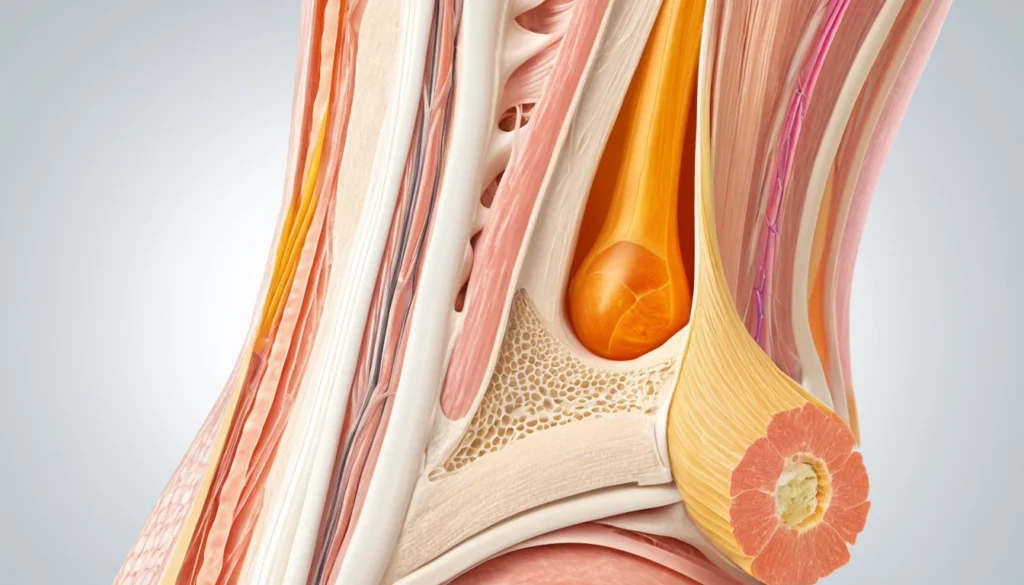
The urethra is a hollow tube that connects the neck of the bladder to the urethral opening, called the meatus. Its main job is to allow urine to flow out of your body. However, it plays an additional role in men by also carrying semen during sexual activity.
The length of the urethra differs between men and women. In women, it is quite short — about 4 centimetres long. In men, it is much longer — roughly 20 centimetres — because it runs through the prostate gland and along the length of the penis.
This difference in length matters for health. Because a woman’s urethra is shorter, bacteria can travel to the bladder more easily. As a result, women are more likely to develop urinary tract infections (UTIs) than men.
How the Urethra Works
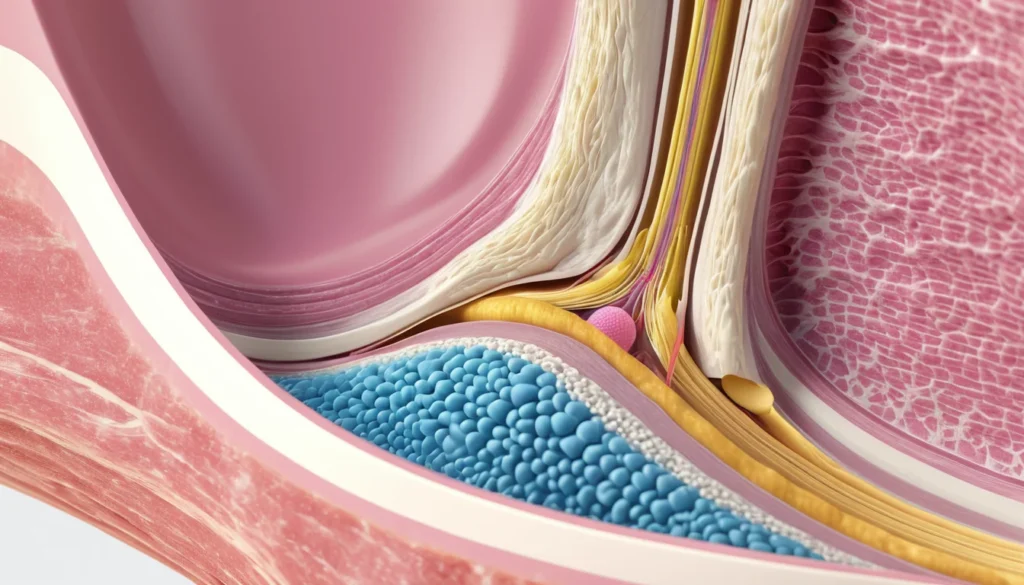
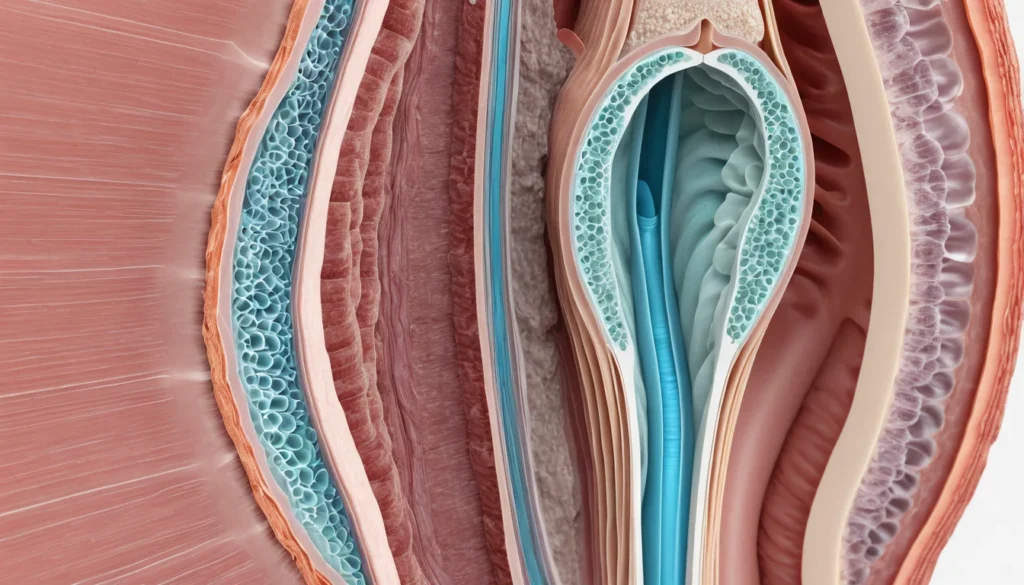
The urethra is lined with a layer of tissue called mucosa. This lining helps protect the tube from the urine passing through it. The walls of the urethra also contain muscle fibres that help control the flow of urine.
When your bladder is full, it sends a signal to your brain. Your brain then tells the muscles around the urethra — called the urethral sphincters — to relax. This allows urine to pass through the urethra and out of your body.
In men, a separate muscle action during ejaculation closes off the bladder. This prevents urine and semen from mixing. The urethra therefore serves two separate functions in men, but only one in women.
Common Urethra Conditions
Several health conditions can affect the urethra. Some are caused by infections, while others are structural or present from birth. Furthermore, some conditions affect men and women differently. Below is an overview of the most common urethra-related health issues.
Urethritis: Inflammation of the Urethra
Urethritis means the urethra is inflamed or irritated. It is most often caused by a bacterial or viral infection. In many cases, the infection spreads through sexual contact, making urethritis a type of sexually transmitted infection (STI).
The most well-known form is gonococcal urethritis, caused by the bacteria that cause gonorrhea. However, non-gonococcal urethritis — often caused by chlamydia — is also very common in Canada. Health Canada recommends regular STI screening for sexually active Canadians, especially those with new or multiple partners.
Symptoms of urethritis can include a burning feeling when you urinate, discharge from the urethra, and a frequent urge to use the washroom. If you notice these signs, visit your family doctor or a walk-in clinic as soon as possible. Urethritis is treatable with antibiotics in most cases.
Urethral Stricture: Narrowing of the Urethra
A urethral stricture happens when scar tissue forms inside the urethra, making it narrower. This narrowing can slow or block the flow of urine. It is more common in men than in women.
Strictures often develop after a past infection, such as untreated urethritis, or after a physical injury to the area. For example, a pelvic fracture or a medical procedure involving a catheter can sometimes lead to scarring. Therefore, treating infections early is important to reduce this risk.
Symptoms include a weak urine stream, difficulty starting to urinate, and a feeling that the bladder is not fully empty. A urologist — a specialist in urinary conditions — can diagnose and treat this condition. Treatment options range from minor procedures to stretch the urethra to surgery in more serious cases.
Urethrocele: Dilation of the Urethra
A urethrocele occurs when part of the urethra stretches or bulges abnormally. This condition mainly affects women. It can cause discomfort, urinary leakage, or difficulty emptying the bladder completely.
In some cases, a urethrocele develops after childbirth or as a result of weakened pelvic floor muscles. However, it can also occur without a clear cause. Treatment depends on the severity of the condition and may include pelvic floor exercises, a pessary device, or surgery.
Urethral Prolapse: When the Lining Slips Out
Urethral prolapse happens when the inner lining of the urethra slips through the urethral opening and becomes visible outside the body. This is a benign — meaning non-cancerous — condition. It most commonly affects older women, especially after menopause.
The condition can look like a small, pink, doughnut-shaped lump near the urethral opening. It may cause mild discomfort, spotting, or difficulty urinating. In addition, some women have no symptoms at all. A doctor can confirm the diagnosis during a routine pelvic exam. Treatment is usually simple and may involve topical oestrogen cream or a minor surgical procedure.
Congenital Conditions of the Urethra
Some people are born with structural differences in the urethra. These are called congenital conditions, meaning they are present from birth. They are usually identified in infancy or early childhood, often during a routine checkup.
Hypospadias and Epispadias
Hypospadias is a condition where the urethral opening is located on the underside of the penis instead of at the tip. It is one of the most common congenital conditions in newborn boys. According to Mayo Clinic, hypospadias affects about 1 in every 200 boys.
Epispadias is a rarer condition. In epispadias, the urethral opening is on the top surface of the penis in boys, or above the clitoris in girls. Both conditions can affect how urine flows and may impact sexual function later in life. However, both are treatable with surgery, which is typically performed in early childhood.
Urethral Valves
Posterior urethral valves are small folds of tissue that form inside the urethra. These folds can partially or fully block urine from flowing out of the bladder. This condition affects only males and is present from birth.
If left untreated, urethral valves can cause serious damage to the bladder and kidneys. Therefore, early detection is very important. Doctors often discover this condition during prenatal ultrasounds or shortly after birth. Treatment involves a minor procedure to remove the abnormal tissue.
Urethral Health and Sexually Transmitted Infections
The urethra is one of the main entry points for sexually transmitted infections (STIs) in both men and women. Many STIs, including gonorrhea and chlamydia, directly infect the urethral lining. This causes inflammation and discomfort.
In Canada, STI rates have been rising in recent years. The World Health Organization notes that many STIs have no obvious symptoms, making regular testing essential. You can get tested for STIs through your family doctor, a walk-in clinic, or a sexual health clinic in your province.
Using condoms during sexual activity greatly reduces the risk of STIs that affect the urethra. Furthermore, regular STI screening — especially if you have new or multiple partners — is one of the best ways to protect your urethral health.
Tips for Keeping Your Urethra Healthy
There are simple steps you can take every day to support the health of your urethra. These habits can help prevent infections and reduce your risk of developing more serious conditions.
Stay hydrated. Drinking enough water helps flush bacteria from the urinary tract. Aim for at least six to eight glasses of water per day.
Urinate after sexual activity. This helps clear any bacteria that may have entered the urethra during intercourse.
Wipe front to back. This applies especially to women. Wiping from front to back after using the washroom prevents bacteria from the bowel area from reaching the urethra.
Practice safe sex. Using barrier methods such as condoms reduces the risk of STIs that can infect the urethra.
Avoid harsh soaps or products near the genitals. Scented soaps and hygiene sprays can irritate the urethral opening. Plain water is usually enough to keep the area clean.
Do not hold your urine for too long. Holding urine for extended periods can put pressure on the bladder and urethra, and may increase the risk of infection.
Get regular checkups. Your family doctor or nurse practitioner can screen for infections and catch any urinary changes early.
When to See a Doctor
Many urethra-related conditions respond well to treatment when caught early. However, some people wait too long before seeking help. It is always better to check in with a healthcare provider sooner rather than later.
You should see your family doctor or visit a walk-in clinic if you experience any of the following:
A burning or stinging sensation when you urinate
Unusual discharge from the urethra
A weak or interrupted urine stream
Difficulty starting or stopping urination
Frequent urges to urinate, especially at night
Pain or pressure in the lower abdomen or pelvic area
Blood in your urine
A visible lump or swelling near the urethral opening
These symptoms can point to a range of conditions, from a simple infection to something that needs more investigation. In Canada, most provincial health plans cover visits to a family doctor or walk-in clinic for these concerns. You do not need to suffer in silence — help is available and accessible.
If your family doctor refers you to a specialist, you may see a urologist or a gynaecologist depending on your situation. Your provincial health plan will typically cover specialist referrals. Always follow up if your symptoms do not improve after treatment.
Frequently Asked Questions About the Urethra
What is the urethra and what does it do?
The urethra is a tube that carries urine from the bladder out of the body. In men, the urethra also carries semen during ejaculation. It is a key part of both the urinary and reproductive systems.
What are the signs of a urethra infection?
Common signs of a urethra infection include a burning feeling when you urinate, unusual discharge, and a frequent urge to use the washroom. These symptoms are often caused by urethritis, which is an inflammation of the urethra. See your family doctor or walk-in clinic for diagnosis and treatment.
Why is the urethra shorter in women than in men?
In women, the urethra is about 4 centimetres long, while in men it is roughly 20 centimetres. This difference exists because the male urethra travels through the prostate and the length of the penis. The shorter female urethra makes it easier for bacteria to reach the bladder, which is why women are more prone to urinary tract infections.
What causes urethral stricture?
A urethral stricture is usually caused by scar tissue that forms inside the urethra after an infection or injury. Untreated STIs, pelvic trauma, and catheter use are common causes. Treatment can include procedures to widen the urethra or, in some cases, surgery.
Can urethra problems be prevented?
Many urethra problems can be reduced by staying well hydrated, practising safe sex, and maintaining good personal hygiene. Getting regular STI testing and seeing your doctor at the first sign of symptoms also helps prevent minor issues from becoming serious. Early treatment is always more effective.
Is urethral prolapse dangerous?
Urethral prolapse is a benign condition, meaning it is not cancerous or life-threatening. It most commonly affects older women and can cause mild discomfort or spotting. A doctor can confirm the diagnosis and recommend simple treatments such as topical oestrogen cream or a minor procedure.
Key Takeaways
The urethra is the tube that carries urine from the bladder out of the body. In men, it also carries semen.
Women have a shorter urethra than men, which makes them more prone to urinary tract infections.
Common urethra conditions include urethritis, urethral stricture, urethrocele, and urethral prolapse.
Some conditions — such as hypospadias, epispadias, and urethral valves — are congenital, meaning they are present from birth.
Many STIs directly affect the urethra. Regular testing and safe sex practices help protect your urethral health.
Simple daily habits — like drinking enough water, urinating after sex, and practising good hygiene — support a healthy urethra.
If you notice burning, discharge, a weak urine stream, or any unusual symptoms, see your family doctor or visit a walk-in clinic. Most provincial health plans cover these visits.
Always speak with a qualified healthcare provider before making decisions about your health. This article is for informational purposes only and does not replace professional medical advice.