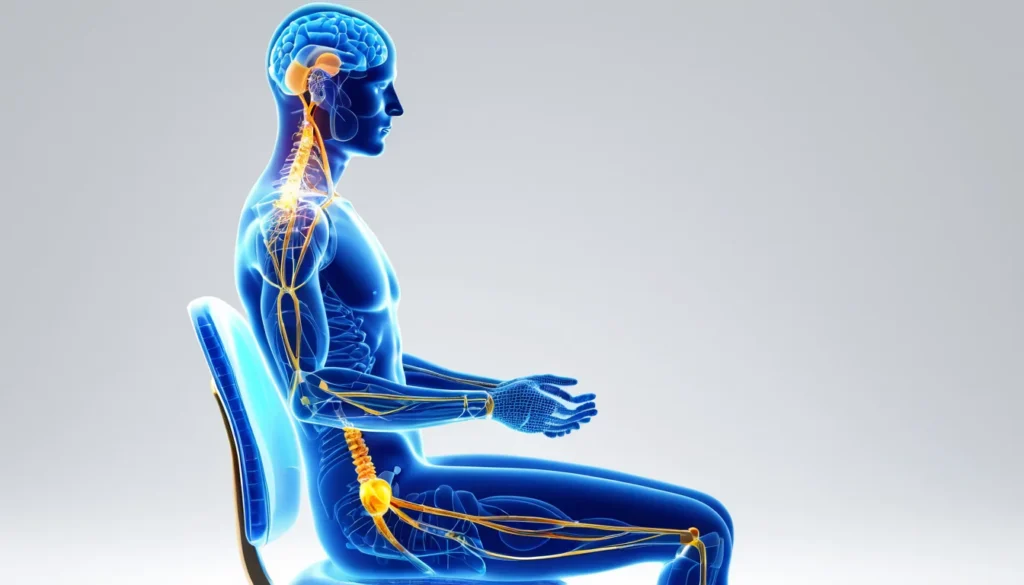
Sometimes pain shows up without an obvious reason. You have not fallen, lifted anything heavy, or been injured — yet something hurts. Understanding unexpected pain causes can help you make small changes that lead to big relief. This article looks at surprising everyday triggers behind headaches, back pain, joint pain, and more — and explains when it is time to call your family doctor.
Unexpected Pain Causes Hidden in Your Daily Routine
Many pain triggers are hiding in plain sight. Your shoes, your phone, your wallet, and even your hairstyle can all cause real physical discomfort. Once you know what to look for, you can take simple steps to protect your body.
Flip-Flops and Foot Pain
Flip-flops offer almost no support for your feet. As a result, wearing them regularly can lead to pain in your feet, ankles, and knees. The lack of arch support forces your muscles and tendons to work much harder with every step.
The solution is straightforward. Choose footwear with good arch support for everyday wear. If you know you will be walking a lot — say, at a farmers’ market or on a trail — wear proper athletic shoes instead.
Your Wallet Could Be Hurting Your Back
A thick wallet sitting in your back pocket creates an uneven surface when you sit. This puts pressure on your sciatic nerve, which runs from your lower back down through each leg. Over time, this can cause a nagging ache in your lower back, buttocks, or leg.
Try switching to a slim front-pocket wallet. You may be surprised how quickly the discomfort fades after making this one small change.
Your Phone and Thumb Arthritis
Scrolling, swiping, and gaming on your phone puts serious strain on your thumbs and fingers. According to health professionals, overuse of mobile devices is now a leading cause of thumb joint pain in people under 30.
Give your hands regular breaks. Stretch your fingers gently between sessions. If the pain persists or swells, visit a walk-in clinic or book an appointment with your family doctor.
Unexpected Pain Causes While Sitting and Driving
How you sit — whether in a car, on a sofa, or at a desk — has a major effect on your muscles and joints. Poor posture is one of the most overlooked unexpected pain causes in everyday life.
Driving with the Wrong Seat Position
Most drivers do not adjust their seat properly. If your seat leans too far back, your head lifts away from the headrest. This strains your neck muscles and can cause persistent neck pain over time.
Sit upright so your head rests naturally against the headrest. Your arms should reach the steering wheel with a slight bend at the elbow — never fully extended. A relaxed, supported posture reduces muscle fatigue on long drives.
Slouching on the Sofa
Lying sideways on the couch with your head turned to watch TV is a common cause of neck stiffness. Holding this position for even 20 to 30 minutes can leave you sore the next morning.
Instead, sit upright with your back supported. Use a proper pillow if you are resting. Good posture applies even when you are relaxing — your spine does not take breaks.
Migraine Triggers You May Not Have Considered
Migraines are complex. Many people know that stress or dehydration can bring one on. However, several unexpected pain causes can also trigger or worsen a migraine attack.
Bright Lights and Storms
Flashing or very bright light is a well-known migraine trigger. What surprises many people is that lightning during a storm can also set off a migraine — even when you are safely indoors. Researchers believe rapid changes in air pressure may stimulate pain-related pathways in the brain.
If you are prone to migraines, consider wearing tinted or blue-light-filtering glasses on bright days. During stormy weather, dimming indoor lights and resting in a quiet room can help. Learn more about migraine triggers at Mayo Clinic.
Hormones and Serotonin
Changes in hormone levels — especially serotonin — can trigger migraines. Serotonin shifts occur naturally in response to weather, food, stress, and your menstrual cycle. On the other hand, hormones like oxytocin may actually reduce pain intensity.
Tracking your migraine patterns in a journal can help your doctor identify which hormonal changes affect you most. Provincial health plans across Canada often cover neurologist referrals if migraines are frequent or disabling.
Cheese, Alcohol, and Tyramine
If you love cheese, this section is for you. Aged cheeses — including brie, cheddar, feta, mozzarella, parmesan, and Swiss — contain a substance called tyramine. Tyramine is known to trigger headaches and migraines in sensitive individuals.
Tyramine also appears in unprocessed meats and alcohol. Therefore, if you experience regular headaches after meals, consider keeping a food diary. Sharing it with your family doctor can point toward a dietary trigger you may not have suspected.
Everyday Activities That Cause Joint and Muscle Pain
Some of the most common unexpected pain causes come from repetitive movements we barely notice. These small, repeated stresses add up over time and can lead to inflammation, injury, or chronic discomfort.
Lifting Your Baby the Wrong Way
New parents often develop wrist and thumb pain from repeatedly lifting their baby out of the crib. This condition — called de Quervain’s tenosynovitis — causes pain and swelling along the thumb side of the wrist.
To protect your wrists, lower the crib railing first. Slide both hands under your baby’s back and bottom, then lift using your arm muscles rather than your wrists. Health Canada offers resources on musculoskeletal health for new parents.
Carrying Your Laptop Bag
Frequently carrying a heavy laptop bag on one shoulder can cause pain in that shoulder and along your upper back. Over time, it can also lead to a condition called lateral epicondylitis — or “tennis elbow” — from the strain on your forearm.
Consider using a rolling laptop bag or a well-padded backpack that distributes weight evenly. Alternatively, choosing a smaller, lighter laptop can make a real difference in your daily comfort.
Overhead Movements at Work or the Gym
Repeatedly raising your arms above your shoulders — whether painting a ceiling, stocking shelves, or doing overhead presses — can irritate the tendons and muscles in your shoulder. This type of repetitive strain is a very common unexpected pain cause in both workplaces and gyms.
Rest the affected shoulder and apply ice to reduce inflammation. If the pain does not improve within a few days, or if it is severe, speak with your doctor. In some cases, physiotherapy or other treatment may be needed.
Video Games and Physical Injuries
Motion-based video games can cause real injuries. Getting too caught up in the action, players may swing their arms, twist suddenly, or lunge — leading to ligament sprains or even fractures. This is especially true for children and older adults.
Always stretch before playing motion-based games. Clear enough space around you so sudden movements do not lead to a fall or collision.
Tight Hairstyles and Headaches
A ponytail pulled tightly can cause a tension-type headache. For people who already suffer from migraines, tight braids, buns, headbands, or hats can make things worse. The pressure on the scalp irritates nerves near the surface of the skin.
Try loosening your hairstyle when you feel a headache coming on. Opting for looser styles during migraine-prone days may prevent the problem before it starts.
Pain That Could Signal Something Serious
Not all unexpected pain causes are harmless. Some pain patterns that seem minor can actually signal a more serious condition. It is important to know the difference.
For example, shingles — a viral infection — can cause abdominal pain that mimics gallbladder disease, pancreatitis, or appendicitis. Without a proper exam, it is easy to confuse one condition for another.
Similarly, chest pain during a panic attack can feel exactly like a heart attack or angina. On the other hand, some heart attacks cause sudden, severe abdominal pain rather than chest pain. These situations require urgent assessment. Healthline’s pain resource centre offers more detail on distinguishing serious pain from minor discomfort.
When in doubt, do not wait. Go to your nearest emergency department or call 911 if you experience sudden severe pain, chest pain, or difficulty breathing.
When to See a Doctor
Many of the unexpected pain causes in this article can be managed with simple lifestyle adjustments. However, some pain needs professional attention. You should see your family doctor or visit a walk-in clinic if:
Pain lasts more than a few days without improvement
Pain is severe, sudden, or getting worse
You have swelling, numbness, or tingling
Pain follows an injury or accident
You experience chest pain or abdominal pain alongside other symptoms
Over-the-counter pain relief is not helping
Most provincial health plans in Canada cover visits to your family doctor at no direct cost to you. Walk-in clinics are a convenient option if your regular doctor is not available. For ongoing or complex pain, your doctor may refer you to a physiotherapist, rheumatologist, or neurologist depending on the cause.
This article is for general information only. Always consult a qualified healthcare provider for advice about your specific symptoms or health conditions.
Frequently Asked Questions
What are the most common unexpected pain causes in everyday life?
Some of the most common unexpected pain causes include poor posture, unsupportive footwear like flip-flops, carrying heavy bags on one shoulder, and repetitive phone use. Small daily habits often build up over time and create significant discomfort that seems to appear out of nowhere.
Can cheese really cause headaches?
Yes. Aged cheeses such as cheddar, brie, parmesan, and feta contain a natural compound called tyramine, which is a known headache and migraine trigger. If you regularly get headaches after eating cheese or drinking alcohol, speak with your family doctor about dietary migraine triggers.
Can a thick wallet in your back pocket really hurt your back?
Absolutely. Sitting on a bulky wallet puts uneven pressure on your pelvis and can compress the sciatic nerve, causing pain that radiates from the lower back down into the leg. Switching to a slim front-pocket wallet is one of the easiest unexpected pain causes to fix.
Why does stormy weather trigger migraines?
Rapid changes in barometric pressure during storms may affect serotonin levels in the brain, which can trigger a migraine in sensitive individuals. Bright lightning flashes are also a well-recognised visual trigger. Resting in a dark, quiet room during stormy weather can help reduce the risk.
When should I go to emergency for unexpected pain?
Go to your nearest emergency department immediately if you experience sudden severe chest pain, sudden severe abdominal pain, pain with difficulty breathing, or pain accompanied by numbness or weakness. These can be signs of a heart attack or other serious condition that needs urgent care.
Can my hairstyle actually cause a headache?
Yes — tight ponytails, braids, and headbands can pull on the scalp and irritate surface nerves, leading to a tension headache. This is one of the more surprising unexpected pain causes, particularly for people who are already prone to migraines. Loosening your hair style at the first sign of head pain can bring quick relief.
Key Takeaways
Unexpected pain causes are often found in everyday habits — your shoes, phone, wallet, posture, and diet.
Migraines can be triggered by storms, bright lights, hormonal changes, and tyramine-rich foods like aged cheese.
Poor driving posture and slouching on the sofa are common causes of neck and back pain.
Repetitive movements — lifting a baby, carrying a laptop, or playing motion games — can cause joint and muscle injuries.
Some pain patterns, such as abdominal pain from shingles or chest pain from a panic attack, can mimic serious conditions.
When pain is severe, sudden, or persistent, visit your family doctor or a walk-in clinic — most provincial health plans cover the visit.
Small lifestyle changes — better footwear, a slimmer wallet, a looser ponytail — can prevent many of these pain triggers.