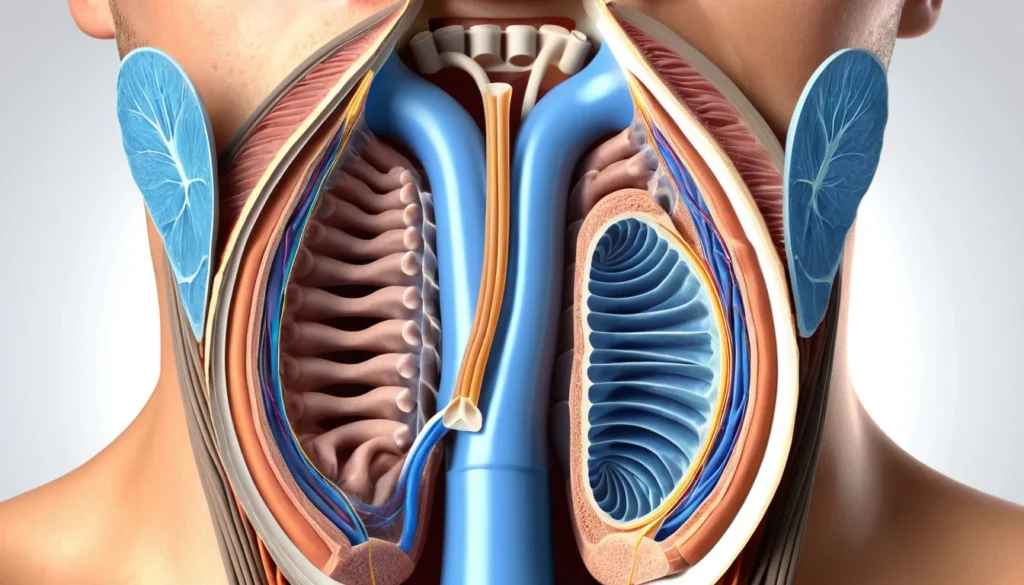
Ultrasound therapy is a medical technique that uses high-frequency sound waves to diagnose and treat a wide range of health conditions. These sound waves travel far beyond what the human ear can detect. Doctors and healthcare providers across Canada use ultrasound in everything from pregnancy scans to soft tissue treatment. This article explains how ultrasound works, what it treats, and when you should talk to your family doctor or visit a walk-in clinic.
What Is Ultrasound Therapy?
Sound travels in waves, and those waves have a frequency measured in hertz (Hz). Human hearing tops out at around 20,000 Hz. Ultrasound therapy uses sound waves above that threshold — far too high-pitched for us to hear.
Because these waves are silent to us, that does not mean they are inactive. In fact, they carry significant energy. Medical professionals harness that energy for two main purposes: diagnosis and treatment.
Ultrasound is one of the most widely used medical tools in Canada. Your provincial health plan typically covers diagnostic ultrasound when ordered by a physician. Therapeutic uses may vary by province, so it is always worth checking your coverage.
How Does Diagnostic Ultrasound Work?
Diagnostic ultrasound sends sound waves into the body. These waves bounce back when they hit different tissues and organs. A computer converts those echoes into real-time images on a screen.
This process is painless, non-invasive, and does not use radiation. That makes it a very safe option for patients of all ages, including pregnant women and young children.
Ultrasound Imaging (Sonography)
Most Canadians are familiar with ultrasound through pregnancy scans. However, sonography covers much more ground than obstetrics. Doctors use it to examine the heart, liver, kidneys, gallbladder, thyroid, and more.
Your family doctor may refer you for an ultrasound if they notice something unusual during a physical exam. Results help guide further treatment decisions without exposing you to radiation from X-rays or CT scans. For a detailed overview of how imaging works, visit Health Canada’s official health information portal.
Doppler Ultrasound
Doppler ultrasound is a specialized form of diagnostic imaging. It measures the speed and direction of blood flow through vessels and the heart. This technique is especially useful for detecting blood clots, narrowed arteries, and circulation problems.
A Doppler exam is often ordered when a patient has leg swelling, chest pain, or suspected deep vein thrombosis (DVT). DVT is a blood clot that forms in a deep vein, usually in the leg. It can be serious if left untreated, so early detection matters greatly.
Doppler studies are also used during pregnancy to monitor blood flow to the baby. This helps doctors catch potential complications early. Your obstetrician or midwife will discuss whether this test is right for you.
Therapeutic Ultrasound: Treating Soft Tissue Conditions
Ultrasound therapy does more than create pictures. It also serves as a hands-on treatment tool, particularly for soft tissue injuries. Physiotherapists and sports medicine specialists use it regularly across Canada.
Soft tissues include muscles, ligaments, and tendons. These structures are prone to injury from sports, repetitive strain, and everyday accidents. Healing them can take time, but therapeutic ultrasound may help speed up that process.
How Therapeutic Ultrasound Helps the Body Heal
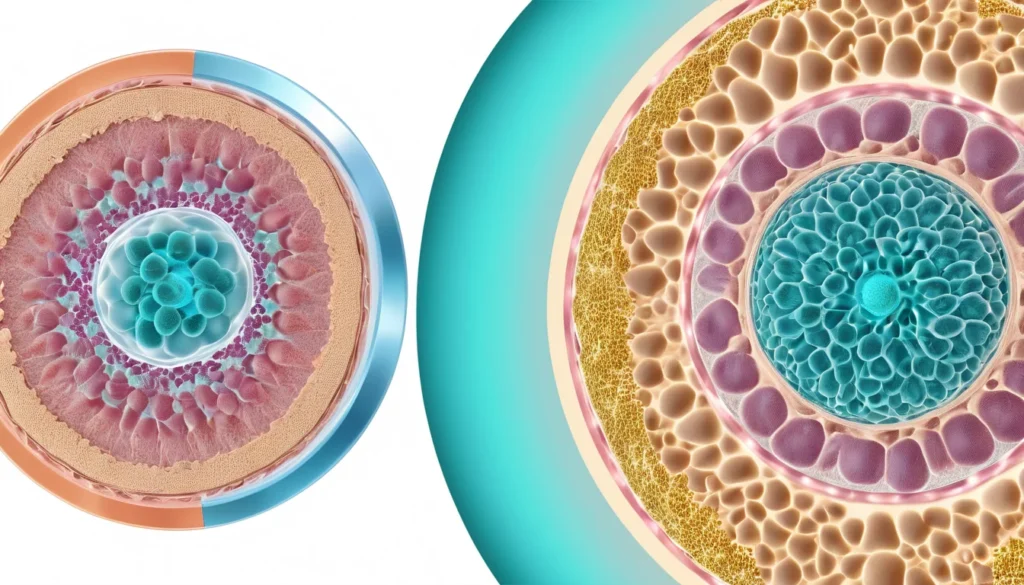
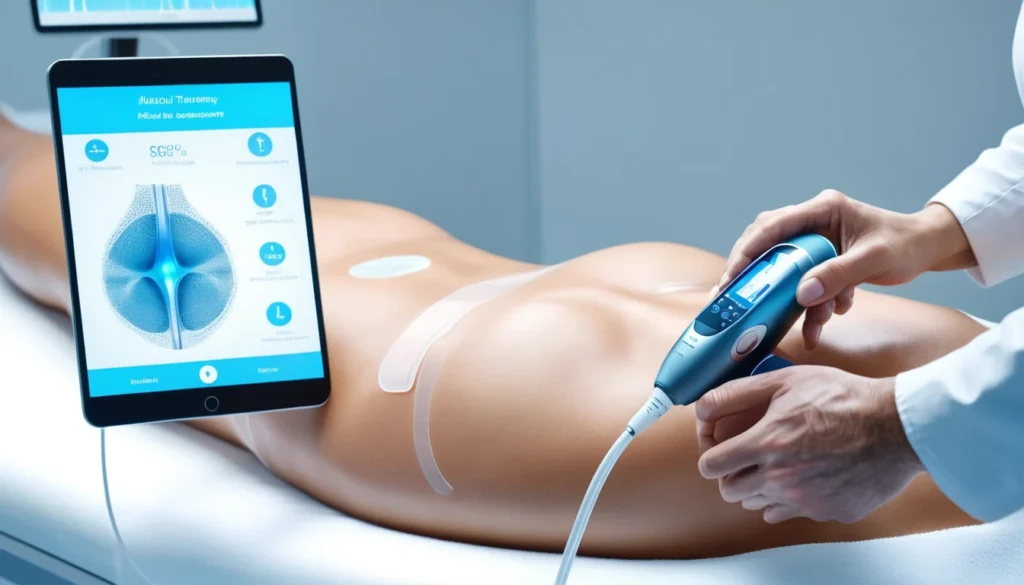
When a physiotherapist applies a therapeutic ultrasound device to your skin, the sound waves penetrate deep into the tissue. This creates a gentle heating effect in the targeted area. As a result, blood circulation improves and inflammation decreases.
Better circulation means more oxygen and nutrients reach the injured tissue. Furthermore, the reduction in inflammation helps lower pain and stiffness. Many patients notice improvement in mobility after a course of treatment.
The treatment is typically applied using a small handheld probe and a conductive gel. Sessions usually last between five and ten minutes. Most patients find it comfortable and relaxing.
Conditions Commonly Treated
Therapeutic ultrasound is used to manage a variety of soft tissue conditions, including:
Tendinitis — inflammation of a tendon, often in the shoulder, elbow, or knee
Muscle strains — partial tears in muscle fibres from overexertion
Ligament sprains — overstretched or torn ligaments, common in ankles and knees
Bursitis — inflammation of the fluid-filled sacs that cushion joints
Scar tissue — therapeutic ultrasound may help soften and break down scar tissue over time
Frozen shoulder — a painful condition that limits shoulder movement
However, therapeutic ultrasound is not suitable for everyone. Your physiotherapist or doctor will assess whether it is appropriate based on your specific condition and medical history.
Lithotripsy: Using Ultrasound to Break Up Stones
One of the most impressive medical applications of ultrasound is lithotripsy. This technique uses focused shock waves — a powerful form of ultrasound energy — to break kidney stones or gallstones into smaller pieces. The body can then pass those fragments naturally.
The most common form is called extracorporeal shock wave lithotripsy (ESWL). “Extracorporeal” simply means the treatment happens outside the body. No surgery or incisions are required.
Who Is a Candidate for Lithotripsy?
Lithotripsy works best for kidney stones that are small to medium in size. Larger stones or those in certain positions may require other treatments, such as laser therapy or surgery. Your urologist will review imaging results to determine the best approach for you.
In Canada, lithotripsy is available at many major hospital centres. Coverage under provincial health plans generally applies when the procedure is medically necessary. Ask your specialist or refer to your provincial health authority for details specific to your region.
Recovery from ESWL is usually straightforward. Most patients go home the same day. You may experience some discomfort and notice blood in your urine for a short time afterward. These effects are normal and typically resolve within a few days. For more information on kidney stone treatments, see this resource from the Mayo Clinic on kidney stone treatment options.
Is Ultrasound Safe?
Diagnostic and therapeutic ultrasound have an excellent safety record. They do not use ionizing radiation, unlike X-rays or CT scans. Decades of medical research support their use across many age groups and conditions.
However, like any medical procedure, ultrasound is not entirely without considerations. Therapeutic ultrasound, for example, should not be used over certain areas of the body. These include the spine after recent surgery, areas with metal implants, active infections, cancerous tissues, or directly over a developing fetus.
Always make sure your treatment is performed by a trained and regulated healthcare professional. In Canada, physiotherapists and medical imaging technologists must meet strict provincial licensing standards. This helps ensure your safety and the quality of your care.
According to the World Health Organization’s guidance on medical imaging, non-ionizing imaging methods like ultrasound are among the safest tools in modern medicine when used appropriately.
Ultrasound in the Canadian Healthcare System
Ultrasound services are widely available across Canada, from major urban hospitals to rural health centres. Most provinces cover diagnostic ultrasound under their public health insurance plans when referred by a licensed physician or nurse practitioner.
Wait times can vary depending on your region and the urgency of your condition. If you need an ultrasound for a non-urgent issue, expect a wait of a few days to several weeks. For urgent cases, your doctor can flag the referral as a priority.
Therapeutic ultrasound through physiotherapy may require a co-payment, depending on your province and whether you have extended health benefits. Many employer benefit plans cover physiotherapy, including ultrasound treatment sessions. Check your benefit booklet or contact your insurer for details.
When to See a Doctor
You should speak with your family doctor or visit a walk-in clinic if you are experiencing persistent pain, swelling, or reduced movement in a joint or muscle. These symptoms may point to a soft tissue injury that could benefit from assessment and possible referral for ultrasound therapy.
Seek medical attention promptly if you notice unexplained lumps, abdominal pain, changes in urination, or leg swelling. These symptoms can have several causes, and your doctor may order diagnostic ultrasound as part of the investigation.
Do not try to self-diagnose based on internet research alone. A trained healthcare provider can examine you, review your history, and order the right tests. Early assessment usually leads to better outcomes.
If you are unsure whether you need an ultrasound, a walk-in clinic is a convenient starting point. Walk-in physicians can order imaging and refer you to specialists if needed. You do not always need to wait for an appointment with your regular family doctor.
Frequently Asked Questions About Ultrasound Therapy
What is ultrasound therapy used for?
Ultrasound therapy is used to treat soft tissue injuries such as tendinitis, muscle strains, ligament sprains, and bursitis. It works by improving blood circulation and reducing inflammation in the targeted area. Physiotherapists in Canada commonly use it as part of a broader rehabilitation programme.
Is ultrasound therapy covered by provincial health plans in Canada?
Diagnostic ultrasound ordered by a physician is generally covered by provincial health plans across Canada. Therapeutic ultrasound delivered through physiotherapy may require a co-payment, depending on your province and benefit plan. It is best to check with your insurer or provincial health authority for specific coverage details.
Does ultrasound therapy hurt?
Most patients find ultrasound therapy comfortable, with little to no discomfort during the session. You may feel a mild warmth or gentle tingling sensation in the treated area. If you feel sharp pain at any point, let your physiotherapist know immediately so they can adjust the settings.
How many ultrasound therapy sessions do I need?
The number of sessions depends on your specific condition, its severity, and how your body responds to treatment. Many patients see improvement after six to twelve sessions, though acute injuries may respond more quickly. Your physiotherapist will create a personalized treatment plan and adjust it based on your progress.
What is the difference between diagnostic ultrasound and therapeutic ultrasound?
Diagnostic ultrasound uses sound waves to create images of internal organs and tissues, helping doctors identify health conditions. Therapeutic ultrasound, on the other hand, uses sound wave energy to promote healing and reduce pain in soft tissues. Both are safe, non-invasive procedures, but they serve very different purposes in healthcare.
Can ultrasound therapy be done at home?
Home ultrasound therapy devices are available for purchase, but they are generally not recommended without professional guidance. Improper use can cause harm, especially if applied to areas where treatment is contraindicated. Always consult your physiotherapist or family doctor before attempting any form of ultrasound therapy at home.
Key Takeaways
Ultrasound therapy uses high-frequency sound waves, far above what humans can hear, for both diagnosis and treatment.
Diagnostic ultrasound — including standard sonography and Doppler imaging — helps doctors see inside the body without radiation.
Therapeutic ultrasound reduces inflammation and improves circulation in soft tissues such as muscles, ligaments, and tendons.
Lithotripsy uses focused ultrasound energy to break up kidney stones or gallstones without surgery.
Ultrasound is widely available across Canadian hospitals, health centres, and physiotherapy clinics.
Diagnostic ultrasound is usually covered by provincial health plans when medically necessary.
Always consult your family doctor or visit a walk-in clinic before starting any new treatment, including ultrasound therapy.