Ulceromutilating acropathy is a rare condition that affects the hands and feet. It causes painless skin ulcers and, over time, can lead to serious bone damage. Because the ulcers do not hurt, many people do not notice them until significant harm has already occurred. This article explains what ulceromutilating acropathy is, what causes it, how it is diagnosed, and what you can do about it.
What Is Ulceromutilating Acropathy?
Ulceromutilating acropathy is a syndrome that damages the extremities — mainly the feet, but also the hands. The word “acropathy” refers to disease of the extremities. “Ulceromutilating” describes the two key features: ulcers (open sores on the skin) and mutilation (damage or loss of bone and tissue).
The condition falls under a broader group of disorders called hereditary sensory and autonomic neuropathies (HSANs). These are conditions where the nerves that carry pain and temperature signals stop working properly. Without the ability to feel pain, the body cannot protect itself from injury. As a result, small wounds go unnoticed and worsen over time.
This condition is rare, but it is important to understand. Early recognition can prevent serious complications, including amputation.
Understanding Ulceromutilating Acropathy: Causes and Risk Factors
In most cases, ulceromutilating acropathy is inherited. This means it is passed down through families through changes in specific genes. These genetic changes affect how sensory nerves develop and function. However, some cases appear without a clear family history.
The core problem is sensory neuropathy — damaged nerves that cannot send pain signals to the brain. Normally, pain acts as a warning system. For example, if you step on something sharp, pain tells you to stop and treat the wound. In people with this condition, that warning system is missing.
Therefore, repeated minor injuries — from walking, wearing ill-fitting shoes, or even small cuts — go unnoticed. Without treatment, these injuries deepen into ulcers and can damage the bones underneath.
Who Is at Risk?
Anyone with a family history of hereditary sensory neuropathy may be at higher risk. The condition can appear in childhood or early adulthood. In addition, people who already have nerve damage from other causes — such as poorly managed diabetes — may develop similar ulcerating foot problems, though this is a separate condition.
If you have a family member diagnosed with a hereditary neuropathy, speak with your family doctor about whether genetic counselling is right for you. Many provinces in Canada offer genetic counselling services through referral.
Recognising the Symptoms of Ulceromutilating Acropathy
The symptoms of ulceromutilating acropathy develop slowly, often over many years. Because pain is absent, the condition can be easy to miss. Knowing what to look for is essential.
Early Signs
In the early stages, you may notice reduced sensitivity in your feet or hands. You might not feel heat, cold, or sharp objects the way you normally would. Furthermore, you may develop calluses or thickened skin in areas of repeated pressure, without feeling any discomfort.
Small sores or blisters may appear on the soles of the feet or the tips of the fingers. These do not cause pain. However, they are a warning sign that should not be ignored.
Later and More Serious Symptoms
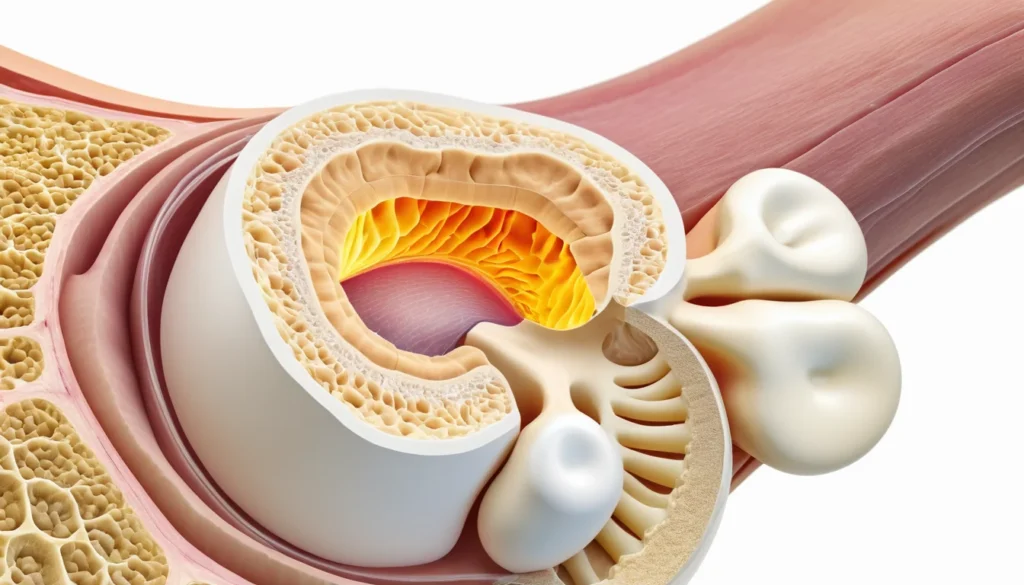
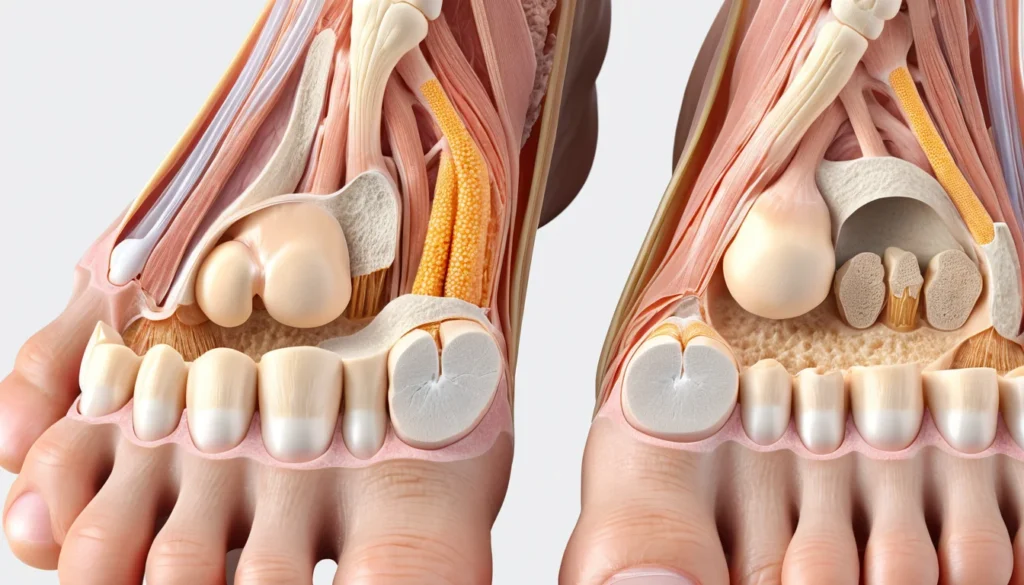
As the condition progresses, the painless ulcers deepen. They can become infected and difficult to heal. Over time, the bones in the affected areas may begin to break down — a process called osteolysis. This can lead to shortening or deformity of the fingers or toes.
In severe cases, the bone damage is so extensive that parts of the foot or hand may appear to “melt away.” This gives the condition its name — mutilating. Without proper care, amputation may become necessary.
Other symptoms that sometimes accompany this condition include decreased sweating in the affected limbs, changes in skin colour or texture, and recurring infections in the ulcerated areas.
How Is Ulceromutilating Acropathy Diagnosed?
Diagnosing ulceromutilating acropathy requires a thorough medical evaluation. Your doctor will begin with a detailed medical history, including your family history. They will also perform a physical examination, looking at your skin, feet, and hands closely.
Tests and Investigations
Several tests help confirm the diagnosis. Nerve conduction studies measure how well electrical signals travel through your nerves. A skin biopsy — where a tiny sample of skin is removed and examined — can reveal damage to the small nerve fibres beneath the surface.
Genetic testing may also be recommended, particularly if a hereditary neuropathy is suspected. X-rays or other imaging can show the extent of bone damage. In Canada, your family doctor can refer you to a neurologist or dermatologist for these assessments through your provincial health plan.
It is important to rule out other conditions that cause similar symptoms, such as diabetic neuropathy or leprosy (in rare cases among individuals from regions where it is more common). A specialist will help guide this process.
Treatment and Management of Ulceromutilating Acropathy
There is currently no cure for ulceromutilating acropathy. However, treatment focuses on preventing complications and protecting the affected limbs. With proper management, many people live full lives.
Wound Care
Regular wound care is essential. Ulcers must be cleaned, dressed, and monitored closely to prevent infection. Your health team may include a wound care nurse, a podiatrist, and your family doctor working together. In Canada, wound care clinics are available in many communities through local health authorities.
Keeping the skin clean and moisturised helps reduce the risk of new ulcers forming. In addition, removing dead tissue (a process called debridement) helps ulcers heal more effectively.
Footwear and Protective Measures
Wearing proper footwear is one of the most important steps in managing this condition. Custom orthotics and specially designed shoes reduce pressure on vulnerable areas of the foot. These can often be obtained through a referral from your family doctor and may be partially covered by some provincial health plans or extended benefit programmes.
You should inspect your feet — and hands, if affected — every day. Look for any new sores, redness, or changes in skin colour. Use a mirror if needed to see the bottoms of your feet.
Infection Control and Medication
Infections in ulcerated areas can spread quickly. If an infection develops, antibiotics are usually required. In serious cases, hospital admission may be necessary. Therefore, do not delay seeking care if you notice signs of infection, such as swelling, warmth, discharge, or fever.
Some individuals may benefit from pain management strategies, not because the ulcers are painful, but to address other aspects of nerve dysfunction. A specialist will help determine what medications, if any, are appropriate.
Genetic Counselling
Because ulceromutilating acropathy is often inherited, genetic counselling can be valuable for affected individuals and their families. A genetic counsellor can explain the inheritance pattern and help family members understand their own risk. Ask your family doctor for a referral to a genetics programme in your province.
You can also learn more about neuropathy and nerve conditions through resources like Mayo Clinic’s guide to peripheral neuropathy or the World Health Organization’s overview of neurological disorders.
Living With Ulceromutilating Acropathy in Canada
A diagnosis of ulceromutilating acropathy can feel overwhelming. However, with the right support, you can manage the condition effectively. Building a care team is one of the most important steps you can take.
Your care team may include your family doctor, a neurologist, a podiatrist, a wound care nurse, and a physiotherapist. In Canada, you can access many of these specialists through your provincial health plan with a referral from your family doctor or general practitioner (GP).
Support groups and patient communities can also make a difference. Connecting with others who live with rare nerve conditions can reduce feelings of isolation and provide practical advice. The Health Canada website offers resources and links to rare disease support programmes available across the country.
Daily Habits That Help
Small daily habits can greatly reduce the risk of complications. Always wear protective footwear — even indoors. Avoid walking barefoot on any surface. Check your skin daily and keep a log of any changes you notice.
Stay on top of regular medical appointments. Consistent monitoring allows your care team to catch new problems early. Furthermore, maintaining a healthy lifestyle — eating well, staying active within your limits, and not smoking — supports overall nerve and vascular health.
When to See a Doctor
If you notice painless sores on your feet or hands that are slow to heal, see a doctor as soon as possible. You should also seek medical advice if you have reduced sensation in your feet or hands, a family history of hereditary neuropathy, or signs of infection in any wound.
In Canada, you can start with your family doctor or visit a walk-in clinic if your regular doctor is unavailable. Describe your symptoms clearly and mention any family history of nerve or skin conditions. Your doctor can then refer you to the appropriate specialist through your provincial health plan.
Do not wait for pain to tell you something is wrong. With ulceromutilating acropathy, the absence of pain is itself the warning sign. Always consult a qualified healthcare professional for any medical concerns — this article is for informational purposes only and does not replace personalised medical advice.
Frequently Asked Questions About Ulceromutilating Acropathy
What is ulceromutilating acropathy?
Ulceromutilating acropathy is a rare inherited condition that causes painless skin ulcers and progressive bone damage in the hands and feet. It belongs to a group of hereditary sensory neuropathies where nerve damage removes the ability to feel pain. Because injuries go undetected, they worsen over time and can lead to serious tissue and bone loss.
Is ulceromutilating acropathy hereditary?
Yes, ulceromutilating acropathy is most commonly inherited through genetic mutations passed down in families. These mutations affect how sensory nerves develop and function. If you have a family history of this condition or a related hereditary neuropathy, ask your family doctor about genetic counselling.
Why don’t the ulcers in this condition cause pain?
The painless ulcers in ulceromutilating acropathy occur because the nerves responsible for carrying pain signals are damaged or missing. Without functioning sensory nerves, the brain never receives the warning signal that an injury has occurred. As a result, wounds worsen without the person realising it.
How is ulceromutilating acropathy treated?
There is no cure for ulceromutilating acropathy, but treatment focuses on preventing complications through daily wound care, protective footwear, and infection management. A multidisciplinary care team — including a neurologist, podiatrist, and wound care nurse — is often involved. In Canada, your family doctor can coordinate referrals through your provincial health plan.
Can ulceromutilating acropathy lead to amputation?
In severe or untreated cases, ulceromutilating acropathy can lead to amputation due to extensive bone damage and uncontrolled infection. However, early diagnosis and consistent care significantly reduce this risk. Daily foot inspections, proper footwear, and regular medical follow-up are critical prevention steps.
Where can I get help in Canada if I think I have this condition?
Start by visiting your family doctor or a walk-in clinic to discuss your symptoms and family history. Your doctor can refer you to a neurologist or dermatologist through your provincial health plan for further testing. You can also find information on rare disease resources through the Health Canada website.
Key Takeaways
Ulceromutilating acropathy is a rare condition causing painless ulcers and bone damage in the hands and feet.
It is most often inherited, caused by genetic mutations that damage sensory nerves.
Because the ulcers are painless, the condition can go unnoticed until serious damage has occurred.
Early diagnosis through nerve conduction studies, skin biopsy, and genetic testing is key to preventing complications.
Treatment focuses on wound care, protective footwear, infection control, and regular medical monitoring.
In Canada, your family doctor or walk-in clinic is the best starting point for diagnosis and referrals.
Daily foot and hand inspections are essential — do not wait for pain as a warning sign.
Always consult a qualified healthcare professional for personalised medical advice.