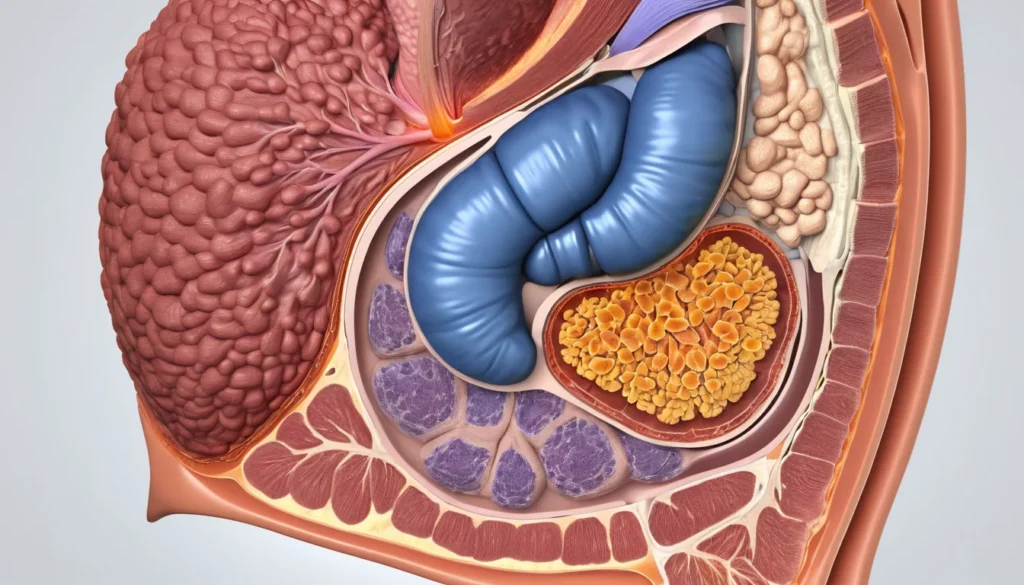
Ulcerative colitis is a chronic inflammatory bowel disease that causes sores, called ulcers, in the large intestine. It affects millions of people worldwide, including many Canadians living with daily digestive challenges. This article explains what ulcerative colitis is, what causes it, how it feels, and when you should speak to your family doctor or visit a walk-in clinic.
What Is Ulcerative Colitis?
Ulcerative colitis is one of the two most common forms of inflammatory bowel disease (IBD). The other is Crohn’s disease. Ulcerative colitis is actually more common than Crohn’s disease.
The disease causes inflammation and ulcers along the inner lining of the large intestine (colon) and rectum. It most often affects the left side of the colon and the rectum. However, it can spread to involve the entire colon — a condition called pancolitis.
The more of the colon that is affected, the more severe the symptoms tend to be. In addition, some people have a large portion of their colon involved but experience very few symptoms at all. For more background on inflammatory bowel disease, visit Health Canada’s official health information.
What Causes Ulcerative Colitis?
The exact cause of ulcerative colitis is not fully understood. However, researchers believe several factors work together to trigger the disease.
An Overactive Immune Response
Some studies suggest that the immune system mistakenly attacks healthy bacteria in the gut. This abnormal immune response causes the ongoing inflammation seen in ulcerative colitis. The body, in other words, ends up fighting itself.
Genetics and Family History
Ulcerative colitis tends to run in families. If a close family member — such as a parent or sibling — has the disease, your risk of developing it is higher. Certain people are born with a genetic tendency to develop ulcerative colitis when exposed to specific immune triggers.
Other Possible Triggers
Some bacterial and viral infections have been linked to inflammatory bowel disease. For example, infections like chickenpox have been associated with IBD in some studies. These infections may set off an immune response that does not properly switch off. Learn more about the science behind IBD at the Mayo Clinic’s ulcerative colitis resource.
Recognising the Symptoms of Ulcerative Colitis
Symptoms of ulcerative colitis can range from mild to severe. They also vary depending on which part of the colon is affected. Here are the most common symptoms to watch for.
Digestive Symptoms
Diarrhoea: Some people experience 10 to 20 bowel movements per day. The urge to go can even wake you up at night.
Rectal bleeding: Stools may contain blood and mucus. This is one of the most recognisable signs of ulcerative colitis.
Abdominal cramps: The belly may feel sore or tender, especially when pressed.
Constipation: This is less common than diarrhoea but can occur depending on which part of the colon is involved.
Urgent need to use the toilet: Many people feel a sudden, strong urge they cannot delay.
Whole-Body Symptoms
Fever: A persistent fever can signal a flare or complication.
Loss of appetite: Ongoing digestive discomfort often reduces the desire to eat.
Unintended weight loss: Chronic diarrhoea and poor appetite can lead to losing weight without trying.
Anaemia: Blood loss from ulcers and ongoing inflammation can lower your red blood cell count, causing fatigue and weakness.
Symptoms Outside the Digestive System
Ulcerative colitis can also affect other parts of the body. Some people experience joint pain, eye problems, skin rashes, or liver issues. These extra-intestinal symptoms are more common in Crohn’s disease but do occur with ulcerative colitis as well.
How Ulcerative Colitis Progresses
The course of ulcerative colitis varies greatly from person to person. Some people have mild symptoms for years. Others face severe flares and serious complications.
Types Based on Location
Doctors classify ulcerative colitis based on how much of the colon is involved:
Proctitis: Only the rectum is affected. This is the mildest form. About 55% of adults with ulcerative colitis have this type.
Left-sided colitis (distal colitis): Inflammation extends from the rectum up the left side of the colon.
Pancolitis (extensive colitis): The entire colon is inflamed. This form is more common in children, occurring in about 45% of paediatric cases.
Flares and Remission
Most people with ulcerative colitis go through periods of remission that can last several years. These calm periods are interrupted by shorter symptomatic flares. However, about 10 to 15% of patients have continuous symptoms with no remission periods.
In children, ulcerative colitis causes the same symptoms as in adults. Furthermore, children may experience delayed growth and late onset of puberty as a result of the disease.
Possible Complications of Ulcerative Colitis
Without proper management, ulcerative colitis can lead to serious complications. It is important to understand these risks so you can work closely with your healthcare team.
Toxic Megacolon
This is a rare but life-threatening complication. Severe inflammation causes the colon to expand dangerously. It requires emergency medical treatment.
Primary Sclerosing Cholangitis
This condition causes inflammation and scarring of the bile ducts — the tubes that carry bile from the liver to the small intestine. It is a serious complication that needs specialist care.
Increased Colorectal Cancer Risk
People who have had ulcerative colitis for 8 to 10 years or more have a higher risk of developing colorectal cancer. Therefore, regular screening colonoscopies are strongly recommended. Early detection through screening can lead to successful treatment.
Other Complications
Bowel narrowing (strictures): Scarring can narrow sections of the colon and make it hard for stool to pass.
Pancreatitis: Rare scarring may affect the pancreas.
Pericarditis: In rare cases, the lining around the heart becomes inflamed.
Irritable bowel syndrome (IBS): Some people with ulcerative colitis also develop IBS, which brings its own digestive discomfort.
Ulcerative Colitis and Pregnancy
Most women with ulcerative colitis can have healthy pregnancies. Symptoms may worsen during the first trimester. Most medications used to treat ulcerative colitis are considered safe during pregnancy, but always discuss your treatment plan with your doctor. For additional information, Healthline’s guide to ulcerative colitis offers helpful detail on managing the condition during pregnancy.
Risk Factors for Ulcerative Colitis
Your risk of developing ulcerative colitis increases if you have a family history of the disease. The risk is especially higher if a first-degree relative — a parent, sibling, or child — has been diagnosed with it.
Researchers continue to study other possible risk factors, including diet, stress, and gut bacteria. However, no single lifestyle factor has been confirmed as a direct cause.
When to See a Doctor
If you notice any symptoms of ulcerative colitis, speak to your family doctor as soon as possible. Most provincial health plans in Canada cover a referral to a gastroenterologist — a specialist in digestive diseases. If your family doctor is not immediately available, a walk-in clinic can provide an initial assessment.
Seek urgent medical care right away if you experience any of the following:
Fever above 38°C or chills
Fainting, dizziness, or a rapid heartbeat
Loose stools with visible blood
Signs of severe dehydration
Severe abdominal pain, with or without bloating
Pus or discharge from the anal area
These symptoms may signal a serious flare or complication. Do not wait to seek care in these situations. Always consult a qualified healthcare provider for a proper diagnosis and personalised treatment plan.
Frequently Asked Questions About Ulcerative Colitis
Is ulcerative colitis the same as Crohn’s disease?
No, ulcerative colitis and Crohn’s disease are both forms of inflammatory bowel disease, but they are different conditions. Ulcerative colitis only affects the inner lining of the large intestine and rectum, while Crohn’s disease can affect any part of the digestive tract and goes deeper into the bowel wall. However, both conditions share some similar symptoms, so a doctor’s diagnosis is essential.
Can ulcerative colitis be cured?
There is currently no medication that permanently cures ulcerative colitis. However, surgery to remove the colon can eliminate the disease in some patients. Most people manage ulcerative colitis successfully with medication, lifestyle changes, and regular monitoring by their healthcare team.
What foods should I avoid with ulcerative colitis?
Trigger foods vary from person to person, but many people with ulcerative colitis find that spicy foods, high-fibre raw vegetables, dairy products, and caffeine can worsen symptoms during a flare. Keeping a food diary can help you identify your personal triggers. Always speak with a registered dietitian or your doctor before making significant dietary changes.
Is ulcerative colitis covered under provincial health plans in Canada?
Yes, diagnosis and treatment of ulcerative colitis are generally covered under provincial and territorial health plans across Canada. This includes doctor visits, specialist referrals, colonoscopies, and many medications. Coverage for newer biologic medications may vary by province, so it is worth checking with your provincial drug benefit programme.
Does stress make ulcerative colitis worse?
Stress does not directly cause ulcerative colitis, but it can trigger or worsen flares in people who already have the condition. Managing stress through regular physical activity, mindfulness, and adequate sleep may help reduce the frequency of flares. Talk to your doctor or a mental health professional if stress is affecting your symptoms.
At what age does ulcerative colitis usually start?
Ulcerative colitis can develop at any age, but it most commonly begins between the ages of 15 and 35. A second smaller peak in diagnosis occurs in people between 50 and 70 years old. Children can also develop ulcerative colitis, and in younger patients the disease often affects a larger portion of the colon.
Key Takeaways
Ulcerative colitis is a chronic inflammatory bowel disease that causes ulcers in the large intestine and rectum.
The exact cause is unknown, but genetics and an overactive immune response both play a role.
Common symptoms include diarrhoea, rectal bleeding, abdominal cramps, fever, and unintended weight loss.
The disease ranges from mild to severe and follows a pattern of flares and remission for most people.
Serious complications — including toxic megacolon and increased colorectal cancer risk — make regular medical monitoring essential.
Most Canadian provincial health plans cover diagnosis and treatment through your family doctor or a gastroenterologist.
Always consult your doctor or visit a walk-in clinic if you notice symptoms. Seek emergency care for severe pain, high fever, or significant rectal bleeding.