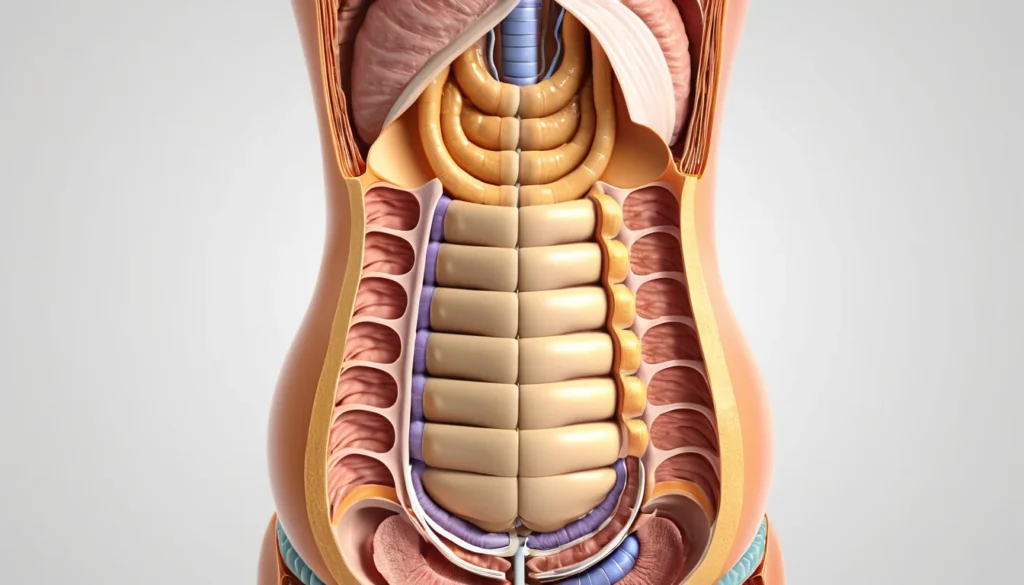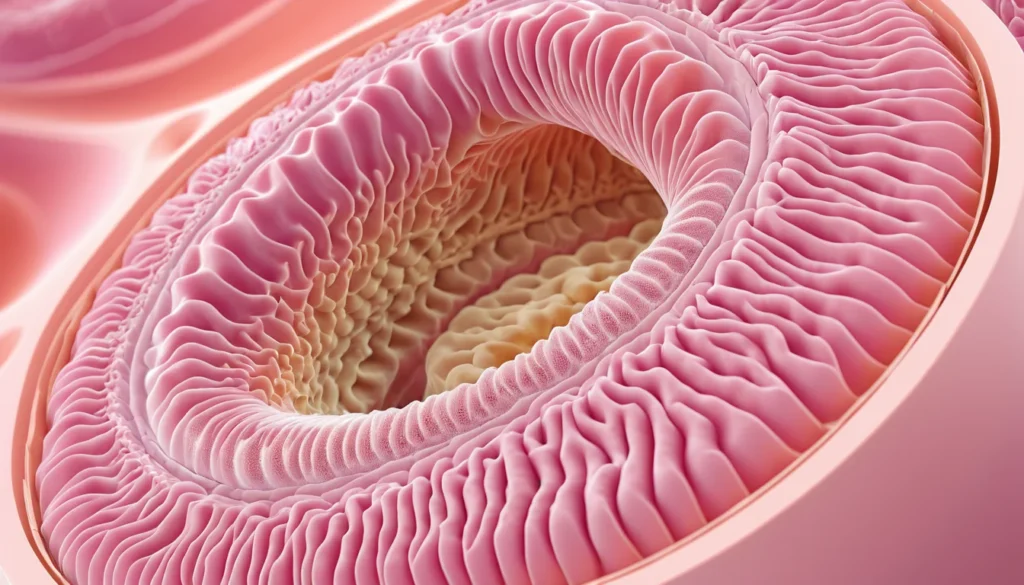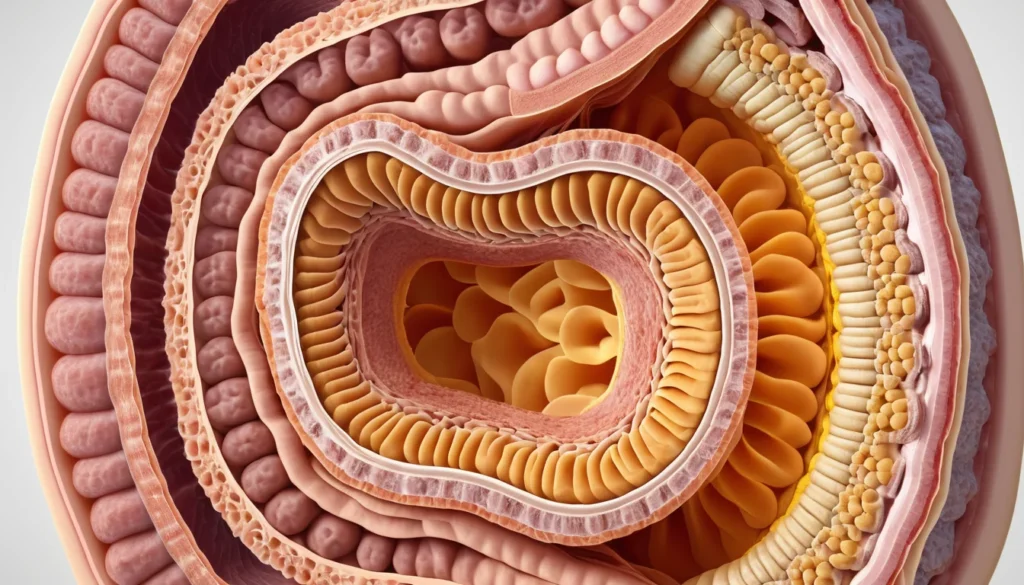
Ulcerative colitis is a chronic inflammatory bowel disease that causes lasting inflammation in the large intestine and rectum. It leads to painful symptoms like bloody diarrhoea, abdominal cramping, and fatigue. Like Crohn’s disease, ulcerative colitis can seriously affect your quality of life. However, with the right treatment, most Canadians with this condition can manage their symptoms and live well. This article covers what you need to know about causes, symptoms, diagnosis, and treatment options available through your provincial health plan.
What Is Ulcerative Colitis?
Ulcerative colitis is a type of inflammatory bowel disease (IBD). It causes ongoing inflammation and sores, called ulcers, along the lining of the large intestine (colon) and rectum. Unlike Crohn’s disease, which can affect any part of the digestive tract, ulcerative colitis affects a continuous stretch of the colon only.
The condition is chronic, meaning it lasts long-term. It typically follows a pattern of flare-ups — when symptoms get worse — followed by periods of remission, when symptoms ease or disappear. There is currently no permanent cure. However, effective therapies can reduce inflammation and give patients long stretches of relief. According to Health Canada, inflammatory bowel diseases affect roughly 1 in 150 Canadians, making it one of the highest rates in the world.
What Causes Ulcerative Colitis?
Doctors do not yet know the exact cause of ulcerative colitis. For a long time, stress and diet were considered likely triggers. Today, experts understand these factors may worsen symptoms, but they do not cause the disease on their own.
Current research points to two main contributing factors.
The Immune System
Some scientists believe ulcerative colitis may be triggered by a virus or bacteria. When the immune system tries to fight off the infection, it may accidentally attack the cells of the colon instead. This leads to the inflammation and ulcers that define the disease. In other cases, the immune system may overreact even without any infection present — a process known as an autoimmune response.
Genetics and Family History
Ulcerative colitis tends to run in families. If a close relative — such as a parent or sibling — has the condition, your risk of developing it is higher. However, many people diagnosed with ulcerative colitis have no family history of the disease at all. Researchers believe genetics plays a role, but it is not the only factor. You can read more about IBD risk factors at the Mayo Clinic’s ulcerative colitis overview.
Types and Symptoms of Ulcerative Colitis
Symptoms of ulcerative colitis depend on where the inflammation is located in the colon and how severe it is. Doctors classify ulcerative colitis into several types based on this location.
Ulcerative Proctitis
This is the mildest form. Inflammation is limited to the rectum, the section of the bowel closest to the anus. The main symptom is rectal bleeding. Some people also feel a constant urge to have a bowel movement, even when the bowel is empty. This uncomfortable sensation is called tenesmus.
Proctosigmoiditis
This type involves the rectum and the lower end of the colon, known as the sigmoid colon. Symptoms include bloody diarrhoea, abdominal cramping, and difficulty passing stool despite the urge. It is more disruptive to daily life than proctitis alone.
Left-Sided Colitis
Inflammation extends from the rectum up through the sigmoid colon and into the descending colon on the left side of the abdomen. Symptoms include bloody diarrhoea, pain on the left side of the abdomen, cramping, and unexplained weight loss.
Pancolitis
Pancolitis affects the entire colon. It causes severe episodes of bloody diarrhoea, significant abdominal pain, fatigue, and noticeable weight loss. This form requires close medical supervision and often more aggressive treatment.
Fulminant Colitis
This is a rare but life-threatening form of ulcerative colitis. It affects the entire colon and causes extreme pain, profuse diarrhoea, severe dehydration, and sometimes shock. Patients with fulminant colitis face serious risks, including a ruptured colon or a dangerous condition called toxic megacolon, where the colon rapidly expands. This form requires emergency hospital care.
Common Symptoms Across All Types
Regardless of type, the most common symptoms of ulcerative colitis include:
Diarrhoea, often with blood or mucus
Abdominal pain and cramping
An urgent need to use the bathroom
Inability to fully empty the bowels
Rectal pain or bleeding
Unexplained weight loss
Fatigue and low energy
Fever during flare-ups
It is important to note that symptoms develop gradually over time. Most people with the mildest form — ulcerative proctitis — do not progress to more severe symptoms. However, this varies from person to person.
How Is Ulcerative Colitis Diagnosed?
Diagnosing ulcerative colitis involves a combination of tests. Your doctor will first review your symptoms and medical history. From there, they will likely order several investigations to confirm the diagnosis and rule out other conditions.
Blood and Stool Tests
Blood tests can check for signs of inflammation, anaemia (low iron from blood loss), or infection. Stool culture tests help rule out bacterial or parasitic infections that can cause similar symptoms. These are simple tests your family doctor can order directly.
Endoscopic Procedures
A colonoscopy or flexible sigmoidoscopy allows the doctor to look directly inside your colon using a thin, flexible camera. This is the most reliable way to confirm ulcerative colitis. During the procedure, the doctor can also take a small tissue sample — called a biopsy — to measure the level of inflammation and assess how much damage has occurred.
Imaging Tests
In some cases, your doctor may also recommend an abdominal ultrasound or X-ray. These imaging tools help assess the extent of inflammation and detect any complications such as bowel obstruction.
In Canada, your family doctor will typically start the diagnostic process and then refer you to a gastroenterologist — a specialist in digestive health — through your provincial health plan.
Treatment Options for Ulcerative Colitis
There is no permanent cure for ulcerative colitis. However, treatment can reduce inflammation, manage symptoms, and help you achieve and maintain remission. Treatment plans depend on the severity of the disease and how your body responds.
Medications
Anti-inflammatory drugs are usually the first step. These include aminosalicylates such as mesalazine, which reduce inflammation in the colon lining. For more severe inflammation, doctors may prescribe corticosteroids for short-term use.
Immune system suppressors are another option. These medications reduce inflammation by targeting the body’s overactive immune response. They include drugs like azathioprine and biologics — a newer class of therapy that blocks specific proteins involved in inflammation.
Depending on your symptoms, your doctor may also recommend antibiotics to treat infection, anti-diarrhoeal medications, pain relievers, or iron supplements to address anaemia caused by blood loss.
Lifestyle Adjustments
Certain changes to daily habits can help manage ulcerative colitis symptoms. While no specific diet cures the disease, some people find that keeping a food diary helps them identify triggers. Eating smaller meals, staying hydrated, and reducing stress can all support better symptom control. In addition, regular gentle exercise and adequate sleep support overall digestive health.
Surgery
When medications no longer control the disease, or if serious complications develop, surgery may be recommended. The most common procedure removes the entire colon and rectum. This surgery can effectively eliminate ulcerative colitis since the affected tissue is removed. Your specialist will discuss whether this option is appropriate for your situation. For more detail on treatment approaches, Healthline’s ulcerative colitis guide provides a thorough overview.
When to See a Doctor
You should see your family doctor if you notice any significant changes in your bowel habits that last more than a few days. Do not wait to get checked if you experience the following:
Blood in your stool
Persistent diarrhoea that does not improve with over-the-counter remedies
Ongoing abdominal pain or cramping
Unexplained fever lasting more than one to two days
Sudden, significant weight loss
If you do not have a family doctor, a walk-in clinic can provide an initial assessment and refer you to the appropriate specialist. Most provincial health plans cover gastroenterology referrals when recommended by a primary care provider. Early diagnosis and treatment lead to better outcomes, so it is always worth getting checked sooner rather than later.
Always speak with a qualified healthcare provider before starting, stopping, or changing any treatment for ulcerative colitis or any other medical condition.
Frequently Asked Questions About Ulcerative Colitis
What is the difference between ulcerative colitis and Crohn’s disease?
Both are types of inflammatory bowel disease, but they affect different parts of the digestive tract. Ulcerative colitis only affects the colon and rectum in a continuous pattern, while Crohn’s disease can affect any part of the digestive tract and may skip areas. A gastroenterologist can help determine which condition you have through testing.
Is ulcerative colitis a serious condition?
Ulcerative colitis is a chronic condition that can range from mild to severe. While most people manage well with medication and lifestyle changes, some cases can lead to serious complications such as severe bleeding, toxic megacolon, or an increased risk of colon cancer over time. Regular check-ups and following your treatment plan are essential.
Can ulcerative colitis be cured?
There is currently no medication that permanently cures ulcerative colitis. However, surgery to remove the colon and rectum can eliminate the disease, since it only affects those tissues. Most people manage ulcerative colitis successfully with long-term medication and regular medical follow-up.
What foods should I avoid with ulcerative colitis?
There is no single diet that works for everyone with ulcerative colitis, but many people find that spicy foods, high-fibre raw vegetables, dairy products, and alcohol can trigger or worsen symptoms during a flare-up. Keeping a food diary and working with a registered dietitian can help you identify your personal triggers. Your family doctor or specialist can provide tailored dietary guidance.
Is ulcerative colitis covered under provincial health plans in Canada?
Yes, diagnostic tests, specialist visits, and many medications for ulcerative colitis are covered under provincial health plans across Canada. Coverage for newer biologic therapies may vary by province. It is worth speaking with your family doctor or a patient navigator to understand what is available in your province.
Can stress cause ulcerative colitis to flare up?
Stress does not cause ulcerative colitis, but it can trigger or worsen flare-ups in people who already have the condition. Managing stress through regular physical activity, mindfulness, and adequate rest may help reduce the frequency of flare-ups. If stress is significantly affecting your symptoms, speak with your healthcare provider about additional support options.
Key Takeaways
Ulcerative colitis is a chronic inflammatory bowel disease affecting the colon and rectum.
The exact cause is unknown, but the immune system and genetics are both believed to play a role.
Symptoms range from mild rectal bleeding to severe bloody diarrhoea, cramping, and weight loss depending on the type.
Diagnosis involves blood tests, stool tests, and endoscopic procedures like colonoscopy.
Treatment includes anti-inflammatory medications, immune suppressors, lifestyle changes, and in some cases surgery.
Most Canadians can access diagnosis and specialist care through their provincial health plan via a family doctor referral.
See your family doctor or visit a walk-in clinic if you notice persistent changes in your bowel habits or blood in your stool.
Always consult a qualified healthcare professional before making any changes to your treatment plan.