Your type 2 diabetes risk may be higher than you think — and you might not even know it yet. Type 2 diabetes is one of the most common chronic conditions in Canada, and many people live with it for years before receiving a diagnosis. Understanding the warning signs, knowing your risk factors, and taking early action can make a real difference. This article explains what type 2 diabetes is, who is most at risk, and what you can do right now to protect your health.
What Is Type 2 Diabetes?
Diabetes is a condition where the body cannot properly manage glucose — a type of sugar — in the blood. After you eat, your body breaks food down into glucose. That glucose enters your bloodstream and needs insulin, a hormone made by the pancreas, to be converted into energy.
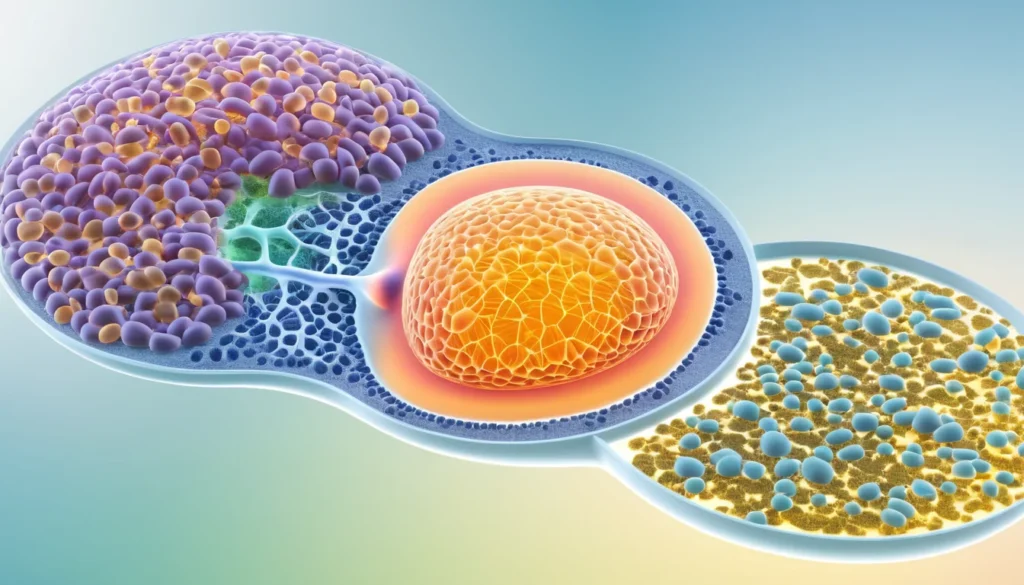
In type 2 diabetes, one of two things goes wrong. Either the cells in your muscles and liver stop responding properly to insulin, or your pancreas does not produce enough insulin to meet your body’s needs. As a result, glucose builds up in the blood while your cells are starved of energy.
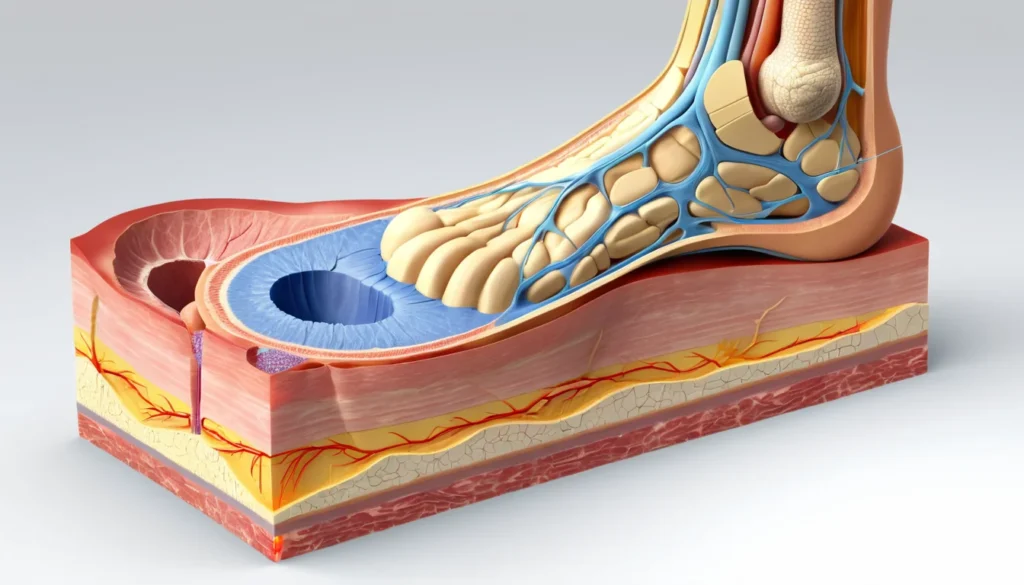
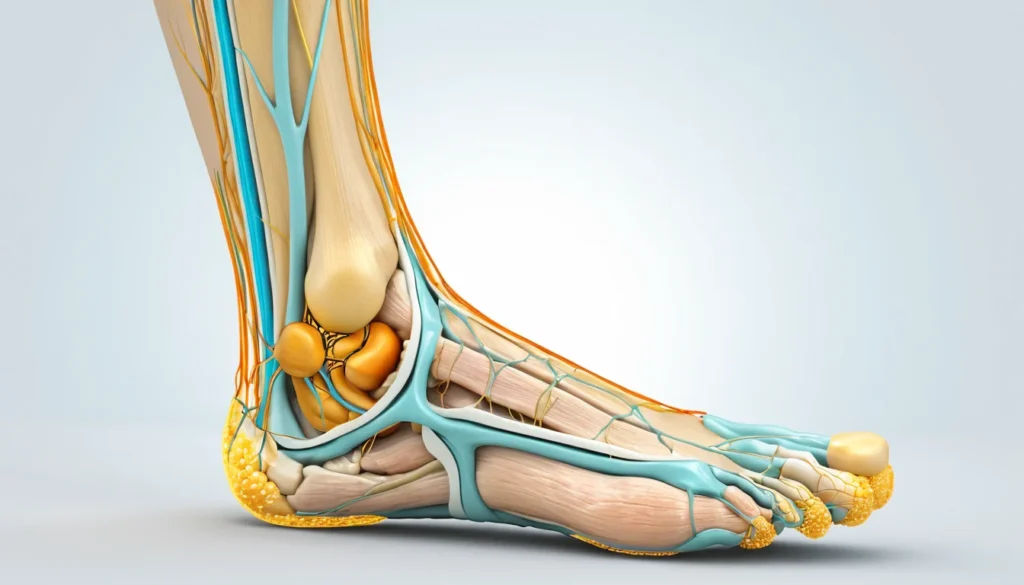
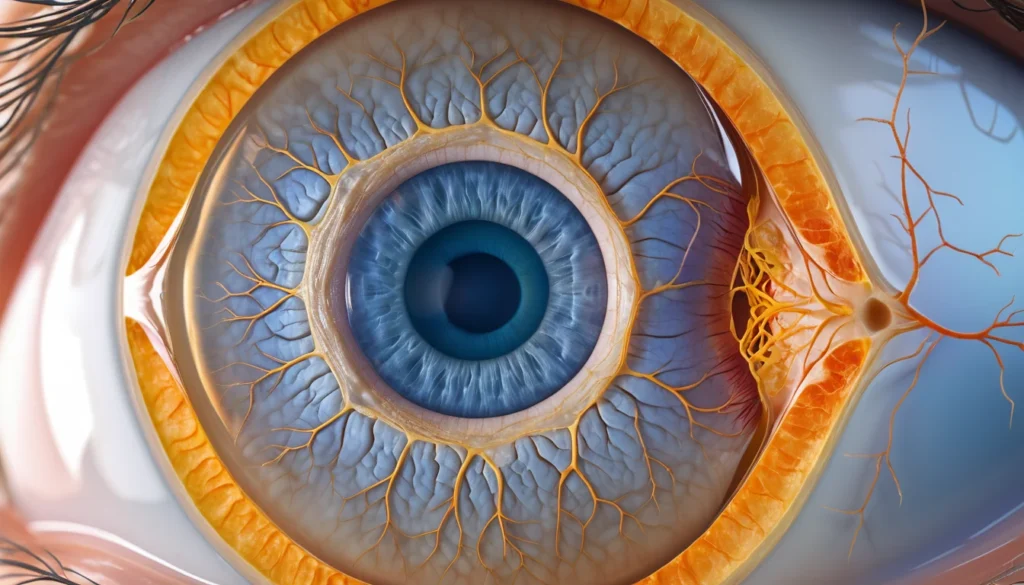
Over time, high blood sugar damages nerves and blood vessels throughout the body. This can lead to serious complications, including heart disease, kidney disease, vision loss, and nerve damage. However, with early detection and lifestyle changes, many of these complications can be prevented or delayed.
Recognising the Symptoms of Type 2 Diabetes
One of the most challenging aspects of type 2 diabetes is that it often causes very few symptoms — especially in the early stages. Many Canadians are diagnosed only after a complication, such as a heart problem or vision issue, has already appeared. This is why knowing the signs matters so much.
When symptoms do appear, they can include:
Increased thirst that is hard to satisfy
Increased hunger, even after eating
Unusual fatigue or weakness
Needing to urinate more often, especially at night
Unexplained weight loss
Blurred vision
Cuts or sores that heal slowly
Frequent infections
Furthermore, because symptoms can be mild or easy to dismiss, many people brush them off as normal tiredness or aging. If you notice any combination of these signs, it is worth speaking to your family doctor or visiting a walk-in clinic for a simple blood test.
Type 2 Diabetes Risk Factors: Who Is Most at Risk?
Several factors can increase your type 2 diabetes risk. Some of these you can change, and some you cannot. Understanding both types helps you take the right steps.
Age and Body Weight
Being over 45 years old increases your risk — especially if you carry extra weight. Excess fat, particularly around the abdomen, makes it harder for the body to use insulin effectively. This is known as insulin resistance, and it is a key driver of type 2 diabetes.
However, age and weight are not the only factors at play. Younger adults who are overweight and have additional risk factors also need to be aware of their diabetes risk.
Family History and Genetics
Your type 2 diabetes risk is significantly higher if a parent or sibling has the condition. Scientists have identified certain genes linked to insulin resistance, though the exact causes are still being studied. Having a family history does not mean diabetes is inevitable, but it does mean you should be more proactive about monitoring your health.
Additional Risk Factors
In addition to age, weight, and family history, the following factors can also raise your risk:
Gestational diabetes: Women who had diabetes during pregnancy, or who gave birth to a baby weighing more than 4.2 kg, face a higher risk of developing type 2 diabetes later in life.
Polycystic ovary syndrome (PCOS): This hormonal condition in women is associated with insulin resistance.
High blood pressure: A reading of 140/90 mmHg or higher, or a diagnosis of hypertension, raises your risk.
Abnormal cholesterol or triglyceride levels: Low HDL (“good”) cholesterol below 0.9 mmol/L, or high triglycerides, are warning signs.
Physical inactivity: A sedentary lifestyle is one of the most significant modifiable risk factors for type 2 diabetes.
According to Health Canada, diabetes affects millions of Canadians and places a significant burden on provincial health systems. Knowing your risk factors is the first step toward prevention.
What Is Prediabetes?
Prediabetes is a condition where blood sugar levels are higher than normal, but not yet high enough to be diagnosed as type 2 diabetes. Think of it as a warning signal — your body is telling you that something needs to change.
Prediabetes does not usually cause noticeable symptoms, which is why testing is so important. Left unaddressed, prediabetes often progresses to type 2 diabetes within several years. However, research shows that lifestyle changes can reverse prediabetes and bring blood sugar levels back to normal.
Understanding Blood Sugar Test Results
There are two main tests used to check for prediabetes and diabetes in Canada. Your family doctor can order either or both of these tests.
Fasting Blood Glucose Test: This measures your blood sugar after not eating for at least eight hours.
Normal: Below 5.6 mmol/L (100 mg/dL)
Prediabetes: 5.6 to 6.9 mmol/L (100–125 mg/dL)
Diabetes: 7.0 mmol/L (126 mg/dL) or higher
Oral Glucose Tolerance Test (OGTT): This test measures blood sugar two hours after you drink a glucose-rich liquid.
Normal: Below 7.8 mmol/L (140 mg/dL)
Prediabetes: 7.8 to 11.0 mmol/L (140–199 mg/dL)
Diabetes: 11.1 mmol/L (200 mg/dL) or higher
These are standard reference values. Your doctor will interpret your individual results and recommend next steps based on your full health picture. For more detail on blood glucose testing, the Mayo Clinic’s guide to type 2 diabetes diagnosis offers a thorough and easy-to-read overview.
Can You Prevent Type 2 Diabetes?
The good news is that type 2 diabetes is largely preventable, particularly when action is taken early. Research, including results from the landmark Diabetes Prevention Programme, has shown that moderate lifestyle changes can dramatically reduce your type 2 diabetes risk.
In that study, participants who were overweight and had prediabetes were divided into groups. One group made lifestyle changes. Another group took the diabetes medication metformin. A third group made no changes.
The Power of Lifestyle Changes
The results were striking. People who changed their lifestyle reduced their risk of developing type 2 diabetes by 58 per cent. On average, they lost about 7 kilograms within the first year. They achieved this by doing about 30 minutes of moderate activity — such as brisk walking — five days a week, and by reducing their intake of calories and fat.
In comparison, those who took metformin reduced their risk by only 31 per cent. Therefore, lifestyle changes proved to be nearly twice as effective as medication alone.
Practical Steps to Lower Your Risk
You do not need to overhaul your entire life overnight. Small, consistent changes add up significantly over time. Consider these evidence-based strategies:
Move more: Aim for at least 150 minutes of moderate activity per week. Walking, swimming, or cycling all count.
Eat more fibre: Vegetables, legumes, whole grains, and fruits help regulate blood sugar.
Cut back on processed foods: Reduce sugar-sweetened beverages, white bread, and fast food.
Achieve a healthy weight: Even modest weight loss — 5 to 7 per cent of your body weight — significantly lowers your diabetes risk.
Limit alcohol: Heavy drinking can affect how the body manages blood sugar.
Quit smoking: Smoking increases insulin resistance and your overall type 2 diabetes risk.
For more guidance on healthy eating to prevent diabetes, Healthline’s nutrition guide for diabetes prevention provides practical, research-backed advice.
When to See a Doctor
Testing for type 2 diabetes is recommended for all Canadians over the age of 45, particularly those who are overweight. Younger adults who are overweight and have one or more additional risk factors should also speak to their doctor about being tested.
You should make an appointment with your family doctor or visit a walk-in clinic if you:
Are over 45 and have not been tested recently
Are overweight with a family history of diabetes
Have symptoms such as unusual thirst, frequent urination, or unexplained fatigue
Have wounds that are healing slowly or recurring infections
Had gestational diabetes during a pregnancy
Have been told you have high blood pressure or abnormal cholesterol
Early diagnosis is critical. Catching diabetes or prediabetes early gives you and your healthcare team the best chance to manage or reverse the condition before complications develop. Most provincial health plans cover blood sugar testing when ordered by a physician, so cost should not be a barrier. Always speak with a qualified healthcare professional before making any significant changes to your diet, exercise routine, or medications.
Frequently Asked Questions About Type 2 Diabetes Risk
What are the early warning signs of type 2 diabetes?
Early signs of type 2 diabetes include increased thirst, frequent urination, unexplained fatigue, and blurred vision. Many people have no symptoms at all in the early stages, which is why regular screening is so important. If you notice these signs, speak to your family doctor or visit a walk-in clinic for a blood sugar test.
Can type 2 diabetes be reversed?
In some cases, type 2 diabetes can be put into remission through significant lifestyle changes, particularly weight loss and increased physical activity. However, “reversal” depends on how long you have had the condition and individual health factors. Talk to your doctor about whether remission is a realistic goal for you.
What is the difference between prediabetes and type 2 diabetes?
Prediabetes means your blood sugar is higher than normal, but not yet high enough to be classified as type 2 diabetes. Prediabetes is a serious warning sign that your type 2 diabetes risk is elevated. The good news is that prediabetes can often be reversed with diet and exercise changes before it progresses.
How often should Canadians get tested for diabetes?
Canadians over 45 should be screened for type 2 diabetes regularly, typically every one to three years depending on their risk level. If you have risk factors such as obesity, a family history, or high blood pressure, your doctor may recommend more frequent testing. Most provincial health plans cover this testing when ordered by a physician.
Does eating too much sugar cause type 2 diabetes?
Eating too much sugar does not directly cause type 2 diabetes, but it can contribute to weight gain, which is a major risk factor. A diet high in processed foods and sugary beverages increases your overall type 2 diabetes risk over time. A balanced diet rich in fibre, vegetables, and whole grains helps keep blood sugar stable.
What is insulin resistance and how does it relate to type 2 diabetes?
Insulin resistance is when the body’s cells stop responding properly to insulin, the hormone that moves sugar from the blood into cells for energy. As a result, the pancreas works harder to produce more insulin, and blood sugar levels gradually rise. Insulin resistance is the central mechanism behind type 2 diabetes risk and is strongly linked to excess abdominal fat and physical inactivity.
Key Takeaways
Type 2 diabetes occurs when the body cannot properly use or produce insulin, leading to high blood sugar levels.
Many people have no symptoms until complications appear, making regular screening essential.
Major risk factors include being over 45, excess weight, family history, physical inactivity, high blood pressure, and abnormal cholesterol levels.
Prediabetes is a reversible warning stage — catching it early gives you the best chance to avoid type 2 diabetes.
Lifestyle changes — including 150 minutes of weekly activity and a fibre-rich diet — can reduce your type 2 diabetes risk by up to 58 per cent.
Talk to your family doctor or a walk-in clinic about getting tested, especially if you are over 45 or have risk factors.
Most provincial health plans cover blood glucose testing when a physician requests it — so do not wait to ask.