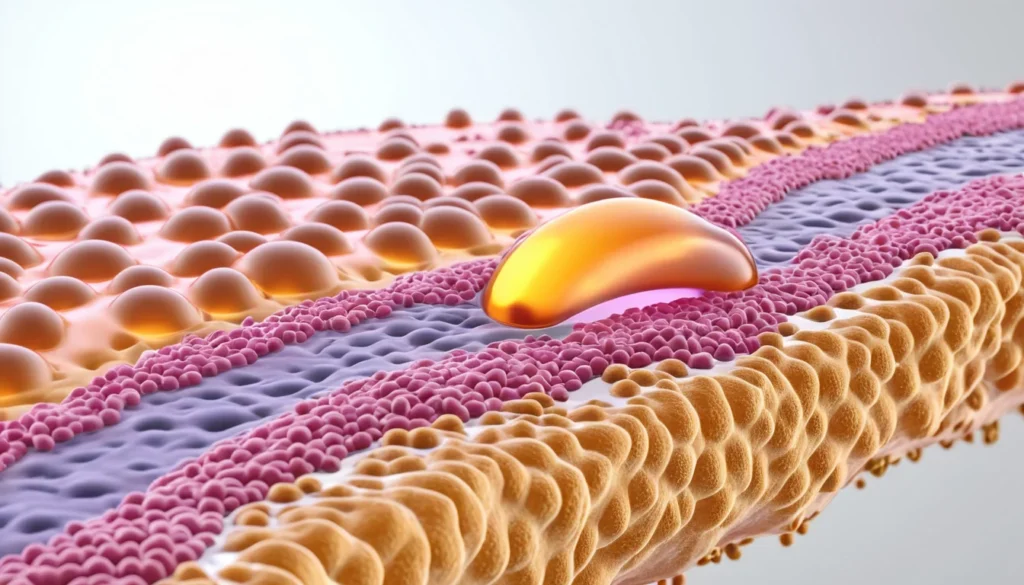
Type 2 diabetes is a chronic condition that affects how your body uses blood sugar (glucose). It is one of the most common health conditions in Canada, and it is becoming more common in both adults and children. The good news is that with the right treatment plan — including healthy eating, regular exercise, and sometimes medication — most people with type 2 diabetes can live full, active lives. This article explains what type 2 diabetes is, what causes it, what symptoms to watch for, and how to manage it.
What Is Type 2 Diabetes?
Type 2 diabetes is a condition where your body either does not make enough insulin, or does not use insulin properly. Insulin is a hormone made by your pancreas. Its job is to help your cells absorb glucose (sugar) from your blood and turn it into energy.
When insulin does not work the way it should, glucose builds up in your bloodstream. Over time, high blood sugar levels can damage your eyes, heart, blood vessels, nerves, and kidneys. This is why managing type 2 diabetes early is so important.
According to Health Canada, diabetes is one of the leading causes of serious complications such as heart disease, kidney failure, and vision loss. Understanding this condition is the first step toward protecting your health.
Causes of Type 2 Diabetes
Type 2 diabetes develops when two things go wrong. First, your body’s cells stop responding properly to insulin — this is called insulin resistance. Second, your pancreas may not be able to produce enough insulin to make up the difference. As a result, blood sugar levels rise above the normal range.
Unhealthy eating habits and a lack of physical activity are the two biggest lifestyle factors that lead to type 2 diabetes. However, other factors also play a role.
Risk Factors You Cannot Control
Some risk factors for type 2 diabetes are beyond your control. These include:
Family history: Having a parent or sibling with type 2 diabetes raises your risk.
Age: The risk increases after age 45, although younger adults and children are increasingly being diagnosed.
Ethnicity: People of South Asian, African, Hispanic, East Asian, and Indigenous backgrounds face a higher risk.
History of gestational diabetes: If you had diabetes during pregnancy, your risk of developing type 2 diabetes later in life is higher.
Risk Factors You Can Control
Fortunately, many risk factors for type 2 diabetes are within your control. These include:
Being overweight or obese: Carrying extra weight, especially around your abdomen, increases insulin resistance.
Physical inactivity: A sedentary lifestyle makes it harder for your body to use insulin effectively.
Unhealthy diet: Diets high in sugar, refined carbohydrates, and processed foods raise your blood sugar levels.
Smoking: Smoking increases insulin resistance and the risk of complications.
High blood pressure or high cholesterol: These conditions often go hand-in-hand with type 2 diabetes.
Symptoms of Type 2 Diabetes
One of the challenges with type 2 diabetes is that symptoms often develop slowly. In the early stages, blood sugar rises gradually, and many people feel completely normal. In fact, about one in three people with diabetes do not know they have it.
However, as blood sugar levels climb higher, symptoms begin to appear. Common symptoms of type 2 diabetes include:
Increased thirst
Frequent urination, especially at night
Unusual hunger, even after eating
Unexplained weight loss
Fatigue and low energy
Blurry vision
Slow-healing cuts or sores
Tingling, numbness, or pain in the hands or feet
Frequent skin infections or urinary tract infections
If you notice any of these symptoms, it is important to speak with your family doctor or visit a walk-in clinic as soon as possible. Early detection makes a big difference in outcomes.
Understanding Prediabetes
Many Canadians have prediabetes — a condition where blood sugar levels are higher than normal, but not yet high enough to be diagnosed as type 2 diabetes. Prediabetes is a serious warning sign. Without lifestyle changes, it often progresses to type 2 diabetes within a few years.
The encouraging news is that prediabetes can often be reversed. Losing even five to ten percent of your body weight, eating a balanced diet, and getting regular physical activity can bring blood sugar levels back to a healthy range. Talk to your doctor about getting a fasting blood glucose test if you think you may be at risk.
Complications of Type 2 Diabetes
When blood sugar stays too high for too long, it causes damage throughout the body. These complications develop slowly, often over many years. However, they can become very serious if type 2 diabetes is not properly managed.
Long-Term Complications
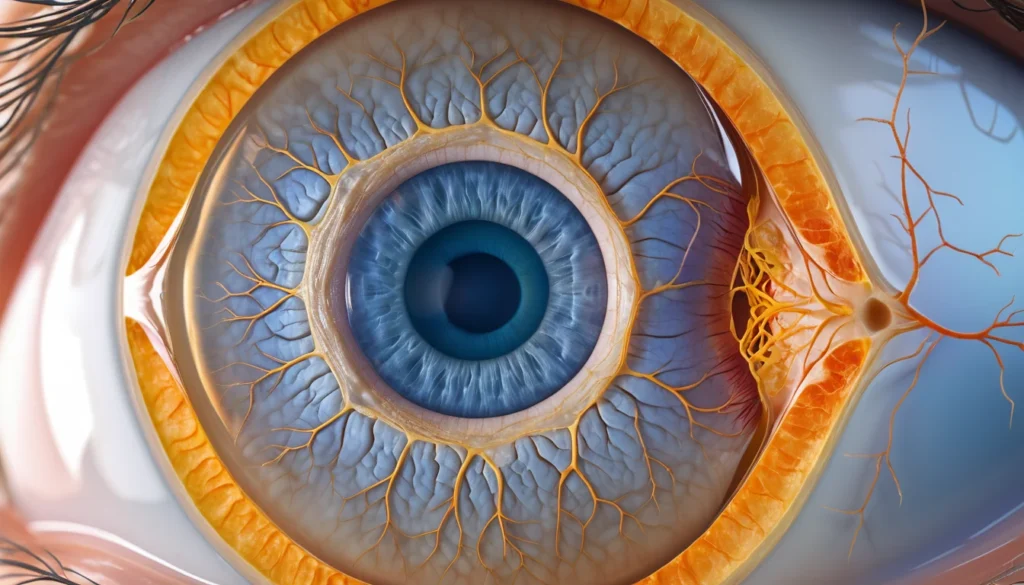
Diabetic retinopathy: Damage to the blood vessels in the eyes, which can lead to blurry vision or even blindness.
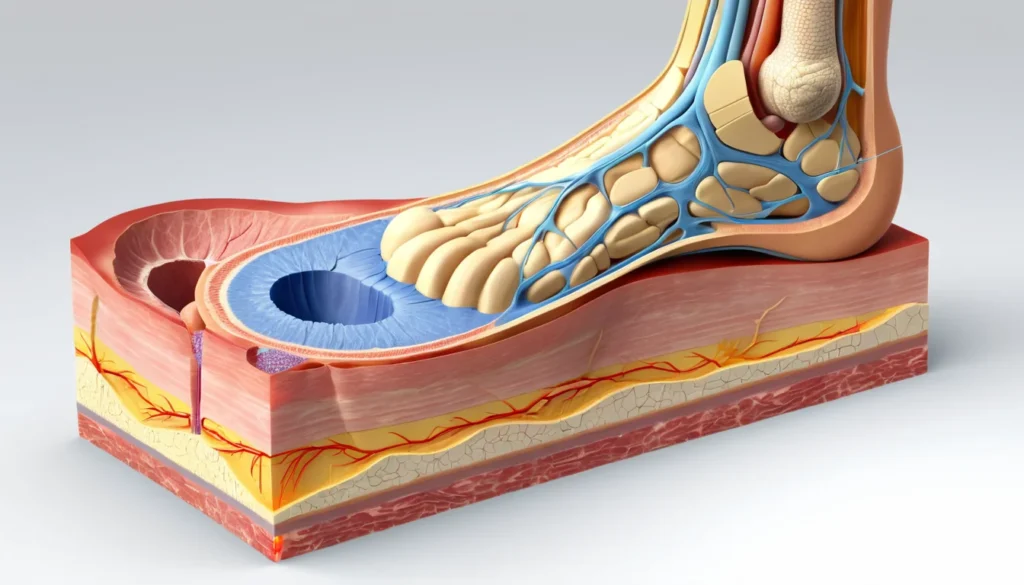
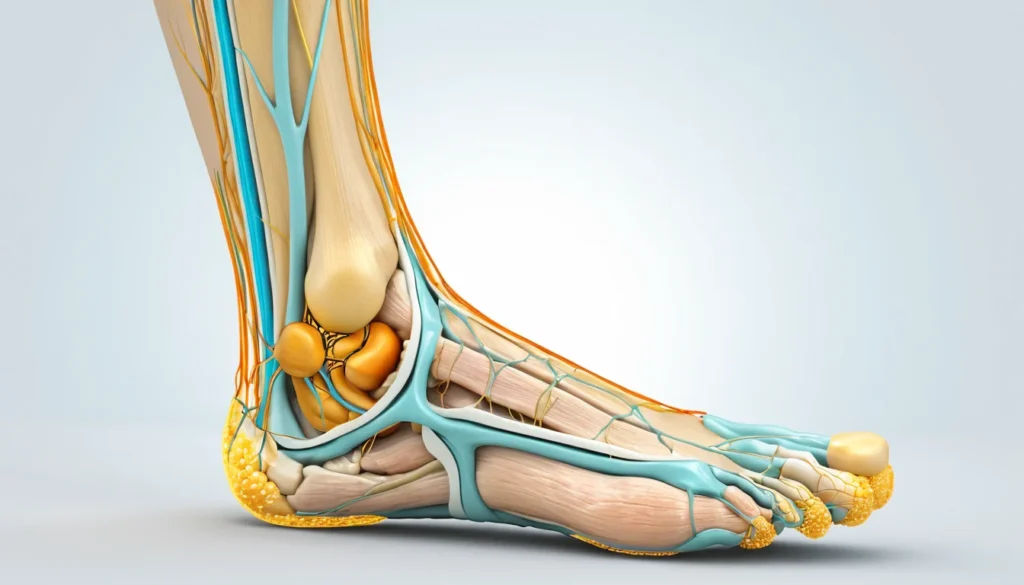
Diabetic neuropathy: Nerve damage that causes tingling, numbness, burning, or pain, usually starting in the feet and legs.
Diabetic nephropathy: Kidney damage that can eventually lead to kidney failure.
Heart disease and stroke: High blood sugar damages blood vessels and nerves that control the heart, significantly raising the risk of heart attack and stroke.
Peripheral artery disease: Narrowed blood vessels in the legs can reduce circulation and, in severe cases, lead to amputation.
Acute Complications
In some cases, blood sugar can rise or fall to dangerous levels very quickly. Hyperosmolar hyperglycaemic state (HHS) is a serious acute complication of type 2 diabetes. It can be triggered by infection, illness, dehydration, or certain medications. Symptoms include extreme thirst, confusion, and weakness. This is a medical emergency — call 911 immediately.
For more information on diabetes complications, visit the Mayo Clinic’s overview of type 2 diabetes.
How to Manage Type 2 Diabetes
Managing type 2 diabetes involves a combination of lifestyle changes and, in many cases, medication. The goal is to keep your blood sugar within a healthy target range. This protects your organs and reduces the risk of complications.
Healthy Eating
A balanced diet is one of the most powerful tools for managing type 2 diabetes. Focus on eating plenty of vegetables, whole grains, lean proteins, and healthy fats. Reduce your intake of sugary drinks, white bread, white rice, and processed foods. Eating regular meals at consistent times also helps keep blood sugar stable.
A registered dietitian can help you create a meal plan that works for your lifestyle. Many provincial health plans in Canada cover visits to a dietitian when referred by your doctor.
Physical Activity
Regular exercise helps your muscles use glucose more effectively, which lowers blood sugar levels. Aim for at least 150 minutes of moderate physical activity each week — for example, brisk walking, swimming, or cycling. In addition, strength training twice a week can further improve insulin sensitivity.
Even small changes help. Taking a short walk after meals, for instance, can meaningfully lower post-meal blood sugar levels.
Medication and Insulin
Many people with type 2 diabetes need medication to help control their blood sugar. The most common first-line medication is metformin, which helps the body use insulin more effectively. Your doctor may also prescribe other oral medications or injectable drugs, depending on your needs.
Over time, the pancreas may produce less and less insulin. When this happens, some people with type 2 diabetes need to start insulin injections to keep their blood sugar at safe levels. This is a normal part of how type 2 diabetes progresses, not a sign of failure.
Monitoring Your Blood Sugar
Regular blood sugar monitoring helps you and your healthcare team understand how well your treatment plan is working. Your doctor may recommend a home glucose meter or a continuous glucose monitor (CGM). Many provincial drug benefit programmes in Canada help cover the cost of diabetes supplies — ask your doctor or pharmacist about programmes available in your province.
For more guidance on blood sugar targets and management strategies, the World Health Organization’s diabetes fact sheet offers clear, evidence-based information.
When to See a Doctor
If you are experiencing any of the symptoms listed above — such as increased thirst, frequent urination, blurry vision, or unusual fatigue — see your family doctor or visit a walk-in clinic as soon as possible. A simple blood test can confirm whether you have type 2 diabetes or prediabetes.
If you have already been diagnosed with type 2 diabetes, seek immediate medical attention if you experience chest pain, shortness of breath, sudden vision changes, numbness in your limbs, or signs of infection that are not healing. These could be signs of serious complications.
Regular check-ups with your family doctor are an essential part of managing type 2 diabetes. Your doctor will monitor your blood sugar levels, kidney function, eye health, and cardiovascular risk on an ongoing basis. Working closely with your healthcare team gives you the best chance of staying healthy and preventing complications.
Always speak with a qualified healthcare provider before making changes to your diet, exercise routine, or medications. The information in this article is for educational purposes only and does not replace professional medical advice.
Frequently Asked Questions About Type 2 Diabetes
What is the difference between type 1 and type 2 diabetes?
In type 1 diabetes, the immune system destroys the cells that make insulin, so the body produces little or none. In type 2 diabetes, the body still produces insulin but either does not make enough or does not use it properly. Type 2 diabetes is far more common and is strongly linked to lifestyle factors such as diet and physical activity.
Can type 2 diabetes be reversed?
In some cases, type 2 diabetes can go into remission with significant lifestyle changes, particularly weight loss, healthy eating, and regular exercise. However, remission is not the same as a cure — blood sugar levels need to be monitored long-term. Talk to your family doctor about whether remission is a realistic goal for your situation.
What foods should I avoid if I have type 2 diabetes?
People with type 2 diabetes should limit sugary drinks, white bread, white rice, pastries, candy, and heavily processed foods. These foods cause rapid spikes in blood sugar. Instead, focus on high-fibre vegetables, whole grains, lean proteins, and healthy fats to help keep blood sugar stable.
How is type 2 diabetes diagnosed in Canada?
Type 2 diabetes is diagnosed through blood tests ordered by your family doctor. The most common tests are a fasting blood glucose test, an A1C test (which shows your average blood sugar over the past two to three months), and an oral glucose tolerance test. Most provincial health plans in Canada cover these tests when ordered by a physician.
Is type 2 diabetes genetic?
Genetics do play a role in type 2 diabetes — having a parent or sibling with the condition raises your risk. However, lifestyle factors such as diet, physical activity, and body weight have a major influence on whether the condition develops. Even with a strong family history, healthy habits can significantly lower your risk.
What are the warning signs of type 2 diabetes in children?
Warning signs of type 2 diabetes in children include increased thirst, frequent urination, fatigue, blurry vision, and slow-healing sores. Children who are overweight or have a family history of diabetes are at higher risk. If you notice these signs in your child, speak with your family doctor or visit a paediatric clinic promptly.
Key Takeaways
Type 2 diabetes is a chronic condition where the body does not make or use insulin properly, causing high blood sugar.
Common symptoms include increased thirst, frequent urination, fatigue, and blurry vision — but many people have no symptoms at all in the early stages.
Risk factors include family history, being overweight, physical inactivity, and an unhealthy diet.
Prediabetes often comes before type 2 diabetes — lifestyle changes at this stage can prevent the condition from developing.
Management includes healthy eating, regular physical activity, blood sugar monitoring, and sometimes oral medication or insulin.
Long-term complications affect the eyes, kidneys, nerves, heart, and blood vessels — but good blood sugar control greatly reduces this risk.
If you have symptoms or risk factors, speak with your family doctor or visit a walk-in clinic. A simple blood test can provide answers.