Type 2 diabetes affects roughly 1 in 10 Canadian adults, and many more are living with prediabetes without knowing it. This condition quietly damages your heart, kidneys, eyes, and nerves long before symptoms appear. In this article, we explore how certain plants and herbal compounds may help support blood sugar control, what the research says, and when you should speak with your family doctor or visit a walk-in clinic.
What Is Type 2 Diabetes?
Type 2 diabetes is a condition that changes how your body processes sugar. It develops when two things go wrong at the same time.
First, your pancreas stops making enough insulin. Insulin is the hormone that moves sugar from your blood into your cells. Second, your cells stop responding properly to insulin, so sugar builds up in your bloodstream instead of being used for energy.
Unlike type 1 diabetes, type 2 develops gradually. Many Canadians live with it for years before getting a diagnosis. That is why Health Canada encourages regular blood sugar screening, especially if you have risk factors such as excess weight, a family history of diabetes, or a sedentary lifestyle.
Understanding Prediabetes
Prediabetes is the stage just before type 2 diabetes. Your fasting blood sugar is higher than normal, but not yet high enough for a full diabetes diagnosis. A fasting blood glucose between 6.1 and 6.9 mmol/L (or 110–125 mg/dL) typically signals prediabetes.
Prediabetes has no obvious symptoms. However, it carries a serious risk of progressing to full type 2 diabetes if left unaddressed. The good news is that lifestyle changes at this stage can make a real difference.
How Type 2 Diabetes Affects Your Body
Uncontrolled type 2 diabetes causes damage throughout the body over time. Early on, you may feel unusually tired, thirsty, or need to urinate frequently. These early signs are easy to dismiss or attribute to stress and a busy lifestyle.
As the condition progresses, the complications become more serious. These can include:
Eye damage (retinopathy) — a leading cause of vision loss in Canadian adults
Kidney disease (nephropathy) — which can lead to dialysis or kidney failure
Heart disease and stroke — people with diabetes have a much higher cardiovascular risk
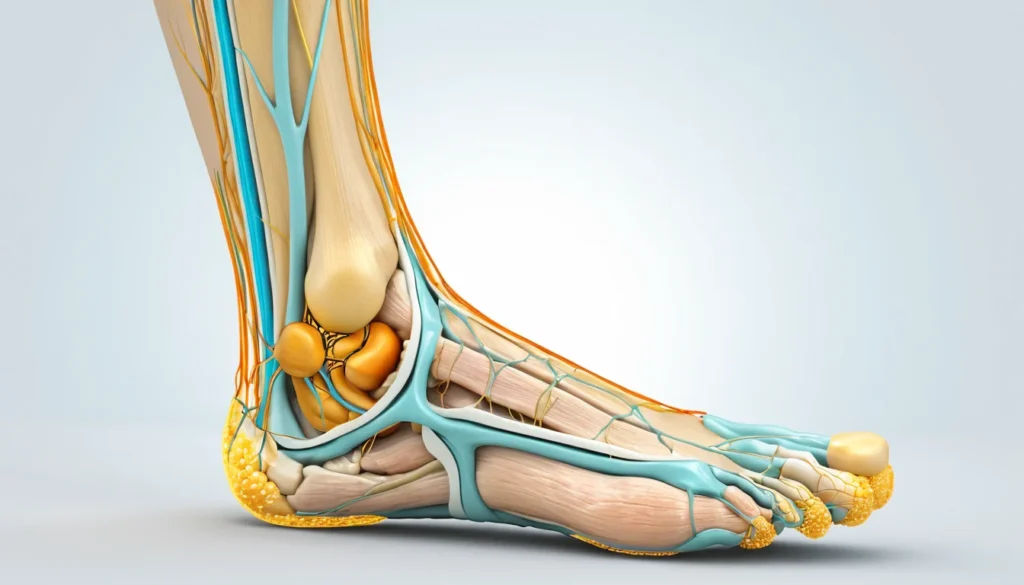
Nerve damage (neuropathy) — causing numbness, tingling, or pain in the hands and feet
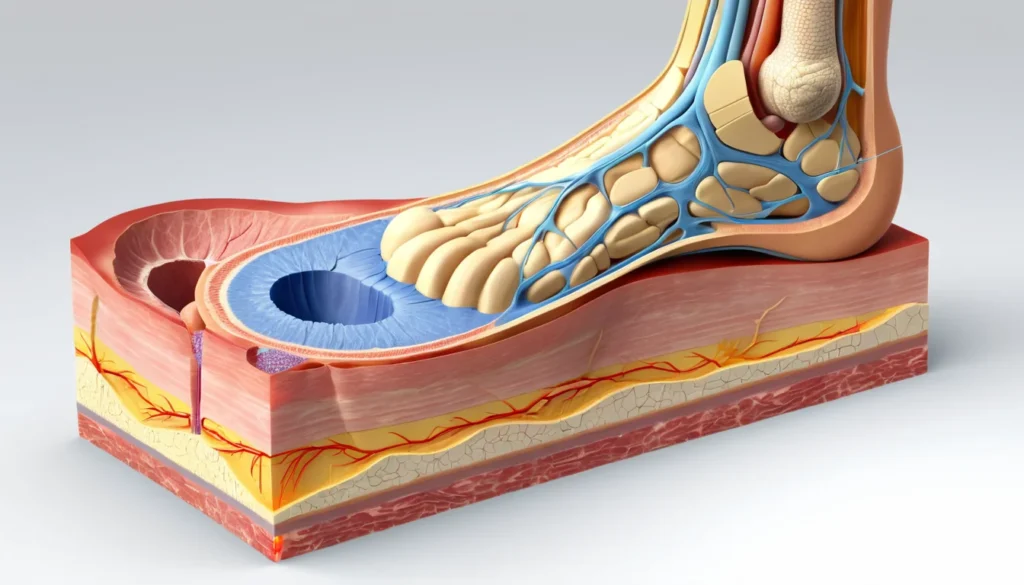
Poor wound healing — which can lead to serious foot complications
According to the World Health Organization’s diabetes fact sheet, diabetes is one of the leading causes of preventable death worldwide. Managing blood sugar early is essential to avoiding these outcomes.
Can Plants and Herbal Remedies Help With Type 2 Diabetes?
This is a question many Canadians are asking. The short answer is: some plants show genuine promise in research, but they are not a replacement for medical care. They may, however, play a supportive role alongside a healthy diet, regular movement, and any medications your doctor prescribes.
Herbal remedies have been used for centuries in many cultures to help manage blood sugar. Modern research is now beginning to explore why some of them seem to work.
How Plants May Support Blood Sugar Control
Different plants appear to work through different pathways. Some act in ways that are similar to insulin, helping to lower blood glucose directly. Others seem to improve how well your cells respond to insulin — a key problem in type 2 diabetes called insulin resistance.
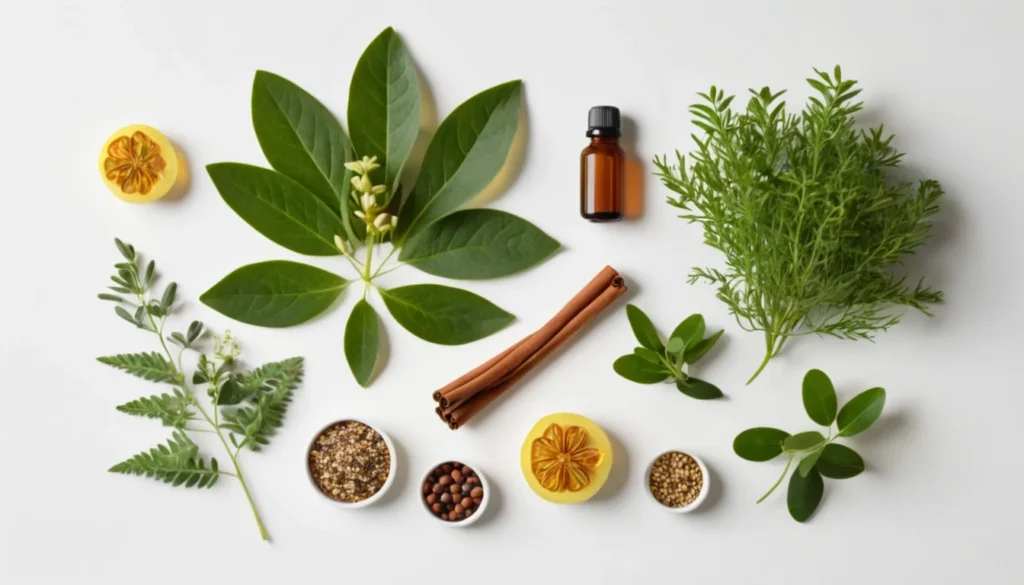
For example, olive leaf extract has been studied for its potential to help lower blood glucose levels. Artichoke extract has also received attention for its role in supporting liver health and metabolic function, both of which are closely tied to blood sugar regulation.
Some herbal compounds may also help reduce sugar cravings and appetite, which supports better dietary choices — a crucial part of managing type 2 diabetes long term.
The Role of Telomeres and Cellular Health
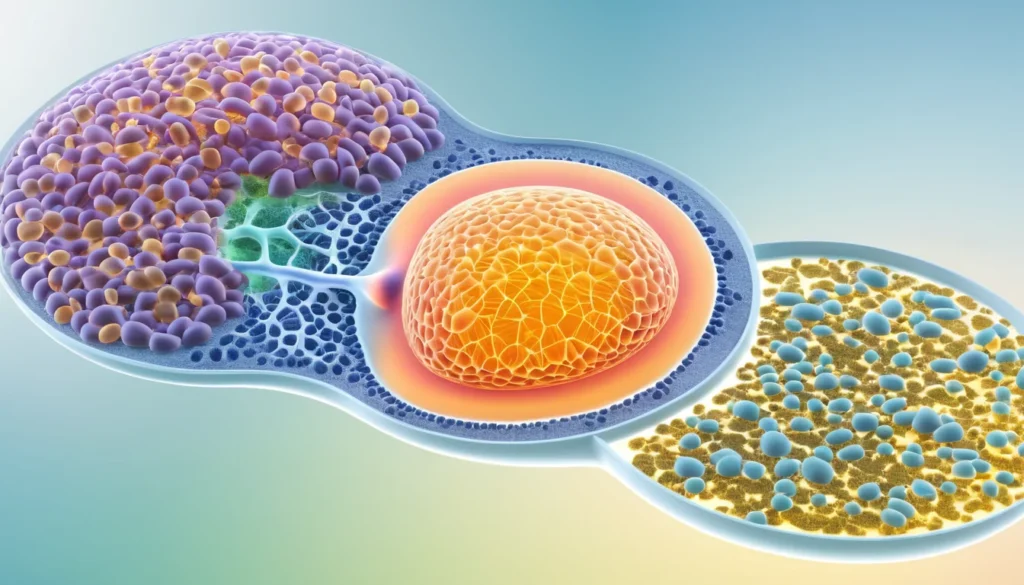
Newer research is exploring how diabetes affects cells at a much deeper level. Chronic high blood sugar can shorten telomeres — the protective caps at the ends of your chromosomes. Think of telomeres like the plastic tips on shoelaces. When they wear down, the DNA they protect becomes vulnerable.
Some plant-based compounds are being studied for their ability to support telomerase activity. Telomerase is the enzyme that helps maintain telomere length. By protecting cellular integrity, these compounds may support tissue repair in areas damaged by long-term high blood sugar.
This is an emerging area of research, and while it is exciting, it is important to approach these claims with realistic expectations. Always discuss new supplements with your healthcare provider before starting them.
Herbs Commonly Studied for Blood Sugar Support
Several plants have been the subject of clinical research related to type 2 diabetes management. Here is a brief overview of some of the most studied options.
Berberine
Berberine is found in several plants, including barberry and goldenseal. It has received significant scientific attention for its ability to help lower fasting blood sugar and improve insulin sensitivity. Some studies have compared its effects favourably to common diabetes medications, though more large-scale research is needed.
Cinnamon
Cinnamon is one of the most commonly discussed natural supports for blood sugar. Some research suggests it may help slow the digestion of carbohydrates and improve insulin sensitivity. However, results across studies are mixed, and cinnamon should never replace prescribed medication.
Bitter Melon
Bitter melon has a long history of use in traditional medicine across Asia, Africa, and South America. It contains compounds that may act similarly to insulin in the body. Research is still ongoing, but early results are encouraging for blood sugar management.
Fenugreek
Fenugreek seeds are high in soluble fibre, which slows glucose absorption in the digestive tract. Several studies have found that fenugreek may help reduce fasting blood sugar and improve post-meal glucose levels in people with type 2 diabetes.
Olive Leaf and Artichoke Extract
Both olive leaf and artichoke extracts have been studied for their insulin-like effects on blood sugar. In addition, artichoke supports liver function, which plays a direct role in how the body regulates glucose production overnight.
For a deeper look at the evidence behind natural approaches, Healthline’s guide to diabetes-friendly foods and natural supports offers a well-researched overview.
Lifestyle Changes That Work Alongside Herbal Support
No herb or supplement works well in isolation. The most effective approach to managing type 2 diabetes combines several strategies together. Think of herbal support as one tool in a larger toolbox.
Reducing concentrated sugars and refined starches in your diet is one of the most powerful steps you can take. This does not mean you can never enjoy sweets — it means making them an occasional treat rather than a daily habit.
Regular physical activity helps your cells respond better to insulin. Even a 20 to 30 minute walk after meals can meaningfully lower blood sugar levels. You do not need a gym membership or intense exercise to see benefits.
Managing stress and sleep also matters more than most people realise. Poor sleep and chronic stress raise cortisol levels, which drives blood sugar higher. Addressing these areas, including seeking support for emotional eating or depression through your provincial mental health programmes, can have a real impact on blood sugar control.
What a Diabetes-Supportive Diet Looks Like
A balanced diet for blood sugar management focuses on whole foods, plenty of vegetables, lean proteins, and healthy fats. High-fibre foods such as legumes, oats, and vegetables slow glucose absorption and help keep blood sugar more stable after meals.
Processed foods, sugary drinks, white bread, and pastries cause rapid blood sugar spikes. Swapping these for whole grain alternatives, water, and fibre-rich snacks can make a significant difference over time.
When to See a Doctor
If you suspect you have prediabetes or type 2 diabetes, do not wait. Book an appointment with your family doctor as soon as possible. A simple fasting blood glucose test or an HbA1c test can confirm your status quickly and give you a clear picture of where you stand.
If you do not have a family doctor, a walk-in clinic can order these tests and refer you to a diabetes specialist or dietitian if needed. Many provincial health plans in Canada cover diabetes screening and management services, so cost should not be a barrier to getting checked.
It is also important to talk to your doctor before starting any herbal supplement, especially if you are already taking diabetes medication. Some herbs can interact with medications and cause blood sugar to drop too low, which is a serious risk.
Please note: The information in this article is for educational purposes only. It is not a substitute for professional medical advice. Always consult your family doctor or a qualified healthcare provider before making changes to your diabetes management plan.
Frequently Asked Questions About Type 2 Diabetes and Herbal Support
Can herbs cure type 2 diabetes?
No herb or plant has been proven to cure type 2 diabetes. However, certain herbal compounds may help support blood sugar control alongside a healthy diet, exercise, and any medications prescribed by your doctor. Always speak with your healthcare provider before adding supplements to your routine.
What is the best natural way to lower blood sugar?
The most effective natural strategies for lowering blood sugar include eating a high-fibre, low-sugar diet, exercising regularly, maintaining a healthy weight, and managing stress. Some herbal supplements such as berberine and fenugreek show promise in research, but they work best as part of a broader lifestyle approach to managing type 2 diabetes.
Is prediabetes reversible?
Yes, prediabetes can often be reversed or significantly delayed with early lifestyle changes. Losing even a modest amount of weight, eating a balanced diet, and increasing physical activity can bring blood sugar levels back to a normal range. Talk to your family doctor about your personal risk and a plan that works for you.
Are herbal supplements for diabetes safe to take with medication?
Not always. Some herbal supplements can interact with diabetes medications and cause blood sugar to drop dangerously low. It is essential to tell your doctor or pharmacist about any supplements you are considering before taking them, especially if you are managing type 2 diabetes with prescription drugs.
How do I know if I have type 2 diabetes?
Type 2 diabetes is diagnosed with a blood test, typically a fasting glucose test or an HbA1c test. Many people have no obvious symptoms in the early stages, which is why regular screening is recommended. Visit your family doctor or a walk-in clinic to get tested, especially if you have risk factors such as obesity, a sedentary lifestyle, or a family history of diabetes.
Does Canada’s health system cover diabetes care?
Most provincial health plans in Canada cover essential diabetes care, including blood tests, doctor visits, and referrals to specialists or dietitians. Coverage for medications and supplies such as insulin and glucose monitors varies by province. Contact your provincial health authority or speak with your family doctor to understand what is covered under your plan.
Key Takeaways
Type 2 diabetes is a growing health concern in Canada, affecting roughly 1 in 10 adults.
Prediabetes has no symptoms but signals a high risk of progressing to full diabetes without action.
Several plants — including berberine, fenugreek, olive leaf, and artichoke — show promise in supporting blood sugar control.
Herbal remedies work best alongside a healthy diet, regular movement, and medically supervised care.
Some compounds may support cellular health by protecting telomeres, though this research is still developing.
Always consult your family doctor or a walk-in clinic before starting any supplement, especially if you take medication.
Most provincial health plans cover diabetes screening — do not delay getting tested if you have risk factors.