Type 1 diabetes in children is a serious but manageable condition that affects thousands of Canadian families. It happens when the pancreas stops producing enough insulin — the hormone that helps the body use sugar for energy. Without insulin, blood sugar builds up to dangerous levels. The good news is that with the right information, daily routines, and support from your healthcare team, children with type 1 diabetes can live full, healthy lives.
What Is Type 1 Diabetes in Children?
Type 1 diabetes is an endocrine condition. The pancreas produces little or no insulin, so the body cannot properly process glucose (sugar) from food. Glucose stays in the bloodstream instead of entering the cells where it is needed for energy.
This is different from type 2 diabetes, which is more common in adults and is often linked to lifestyle factors. Type 1 diabetes is an autoimmune condition — the body’s own immune system mistakenly attacks the insulin-producing cells in the pancreas. It is not caused by diet or anything a parent or child did wrong.
According to Health Canada, diabetes is one of the most common chronic conditions affecting Canadian children and youth. Early diagnosis and consistent management are key to keeping kids healthy and active.
Recognising the Symptoms of Type 1 Diabetes in Children
Children with type 1 diabetes in children can experience two main blood sugar problems: high blood sugar (hyperglycaemia) and low blood sugar (hypoglycaemia). Both are important to understand. Parents and caregivers must learn to spot the signs of each one quickly.
Signs of High Blood Sugar (Hyperglycaemia)
Hyperglycaemia tends to develop slowly, over several hours or even days. This means there is often time to treat it before it becomes a medical emergency. However, it should never be ignored.
Common signs of high blood sugar include:
Intense thirst that does not go away
Frequent and heavy urination
Strong hunger, even after eating
Blurry vision
Fatigue and weakness
Hyperglycaemia can be triggered by a missed insulin dose, a larger meal than usual, emotional stress, or an illness such as a cold or flu. Certain medications — including corticosteroids (anti-inflammatory drugs), growth hormone, and products containing pseudoephedrine — can also raise blood sugar levels.
Two specific patterns are worth knowing. The dawn phenomenon causes blood sugar to rise between 4 a.m. and 8 a.m. due to natural hormone changes overnight. The Somogyi effect causes high morning blood sugar as a rebound after a low blood sugar episode during the night.
Signs of Low Blood Sugar (Hypoglycaemia)
Hypoglycaemia is more sudden. Symptoms can appear within 10 to 15 minutes. Because it moves so fast, it needs immediate attention.
Common signs of low blood sugar include:
Sweating
Shakiness or weakness
Intense hunger
Pale skin
Irritability or crying, especially in young children
If low blood sugar is not treated quickly, it can lead to confusion, slurred speech, and loss of consciousness. In young children, these warning signs can be easy to miss, because children often cannot describe how they feel. A sudden slowdown in activity, unusual fussiness, or heavy sweating may be the only clues.
Hypoglycaemia is commonly caused by too much insulin, a skipped meal or snack, or more physical activity than usual without extra food. Changes during puberty can also affect how insulin works in the body, making blood sugar harder to predict during the teen years.
Causes of Type 1 Diabetes in Children
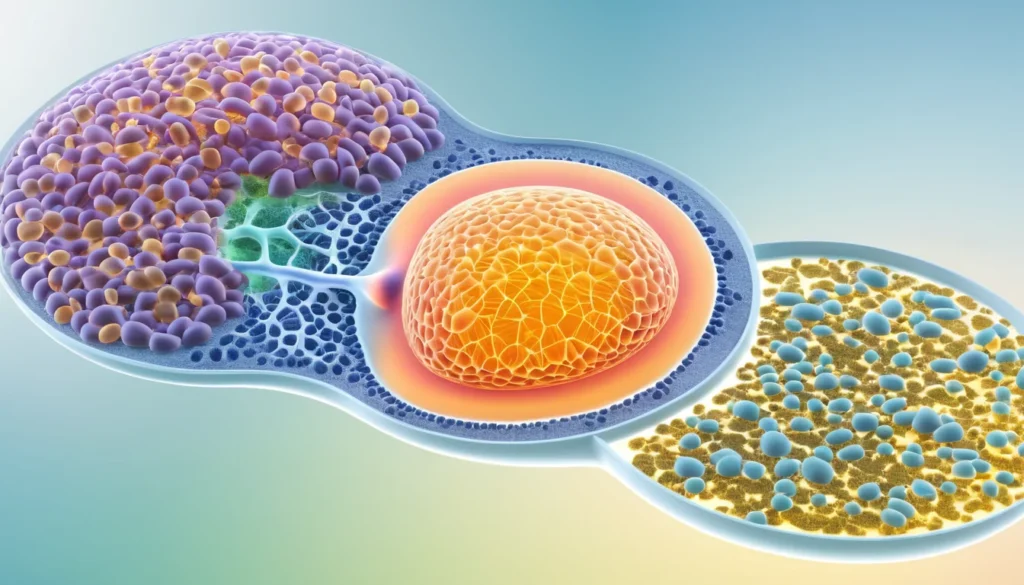
The root cause of type 1 diabetes in children is an absolute lack of insulin production. The immune system destroys the beta cells in the pancreas that make insulin. Researchers believe a combination of genetic factors and environmental triggers — such as certain viral infections — may set this process in motion.
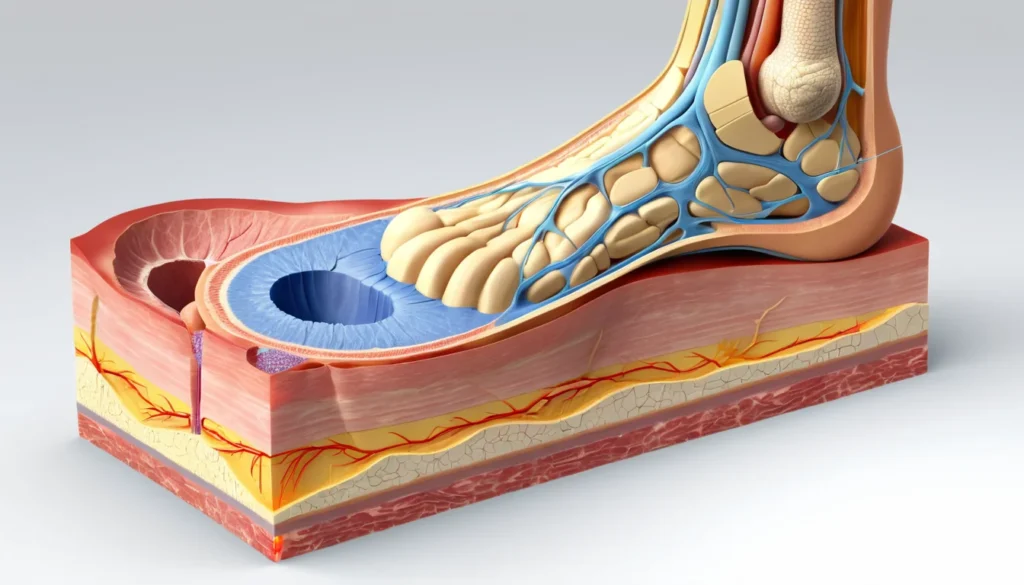
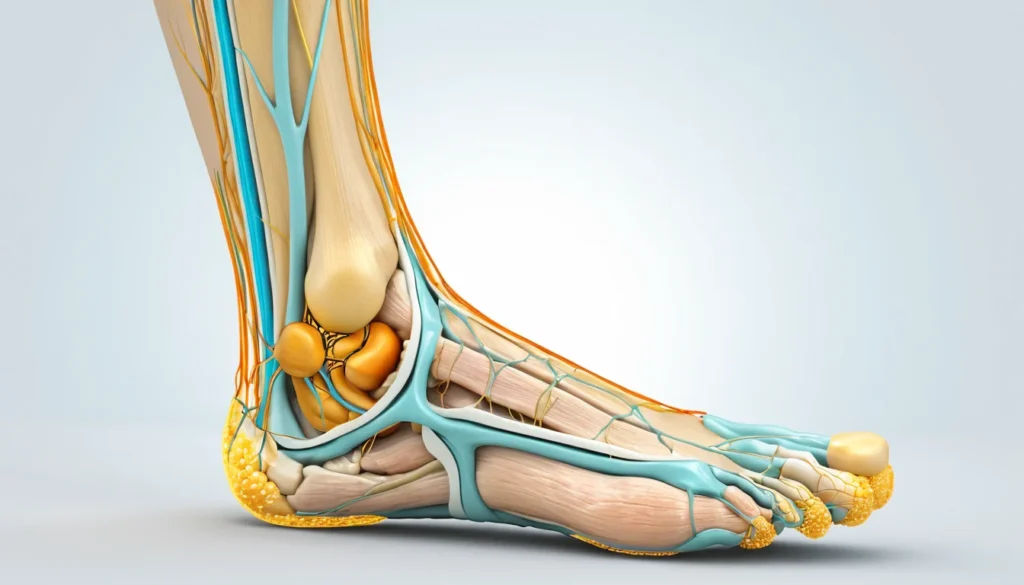
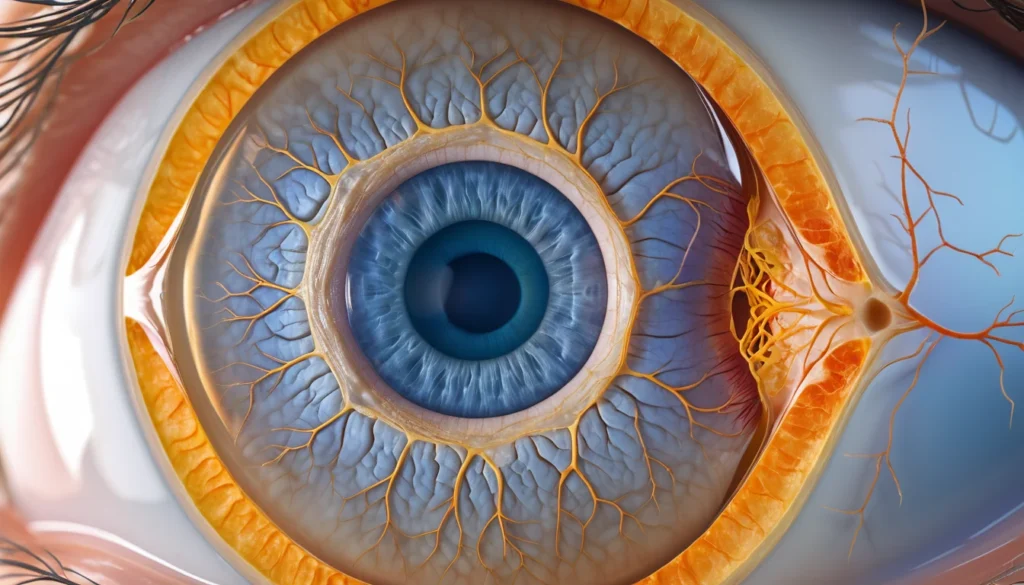
Without insulin, glucose cannot enter the body’s cells. It stays in the blood, causing blood sugar levels to climb. Over time, persistently high blood sugar damages blood vessels and nerves. This raises the risk of complications affecting the eyes, kidneys, heart, and nervous system.
It is important to understand that no one causes type 1 diabetes. It is not related to sugar intake, diet, or lifestyle choices. This distinction matters for families who may feel guilt or confusion after a diagnosis.
For a deeper look at the science behind this condition, the Mayo Clinic’s overview of type 1 diabetes in children is a reliable resource.
Diagnosing Type 1 Diabetes in Children
In young children, it can be difficult to tell whether blood sugar is high or low just by looking at them. That is why measuring blood glucose is always the first step when a parent suspects something is wrong.
Home blood glucose monitors are an essential tool for families managing this condition. They give a fast, accurate reading and help guide treatment decisions throughout the day.
When It Becomes a Medical Emergency
If your child’s breath smells fruity or like nail polish remover, and they have stomach pain and vomiting, this is a medical emergency. These are the signs of diabetic ketoacidosis (DKA) — a life-threatening condition that occurs when the body breaks down fat for fuel and produces toxic acids called ketones.
Do not wait. Call 911 or go to your nearest emergency department immediately. DKA can be fatal if not treated right away.
Living Day-to-Day With Type 1 Diabetes in Children
Managing type 1 diabetes in children is a daily commitment. It involves monitoring blood sugar, giving insulin, planning meals, and staying active. This routine takes time and energy — but it makes an enormous difference in a child’s quality of life.
Daily Blood Sugar Monitoring
Regular blood glucose checks are the cornerstone of diabetes management. Readings help parents and children understand patterns and make adjustments before problems arise. Many children in Canada now use continuous glucose monitors (CGMs), which track blood sugar around the clock and send alerts when levels go too high or too low.
Relying only on symptoms is not enough. Blood sugar levels can be outside the target range without causing obvious signs, especially in younger children.
Insulin Administration
Children with type 1 diabetes need insulin every day — there is no alternative. Insulin is given by injection or through an insulin pump. Your child’s endocrinologist or diabetes care team will determine the right type and dose of insulin based on your child’s needs, age, activity level, and meal plan.
Never adjust insulin doses without guidance from your healthcare provider. Small changes can have a significant impact on blood sugar levels.
Diet and Physical Activity
A balanced diet rich in fibre, vegetables, whole grains, and lean protein helps keep blood sugar steady. No specific foods are completely off-limits, but consistent meal timing and carbohydrate awareness are important tools. A registered dietitian who specialises in paediatric diabetes can help create a practical plan for your family.
Physical activity is encouraged and beneficial. However, exercise lowers blood sugar, so extra snacks or insulin adjustments may be needed before, during, or after activity. Work with your care team to build a plan that keeps your child active and safe.
School and Social Life
Type 1 diabetes does not affect a child’s ability to learn or succeed in school. Academic performance is not impaired by the condition itself. Problems only arise when blood sugar stays too high or too low for extended periods.
It is a good idea to inform your child’s school about their condition. Many Canadian schools have protocols in place for children with diabetes, including trained staff who can respond to emergencies. Providing the school with a diabetes care plan is an important step every family should take.
Long-Term Complications and How to Prevent Them
Parents of children with type 1 diabetes in children should be aware of potential long-term complications. These include problems affecting the kidneys, eyes, heart, and nerves. However, these complications typically develop in adulthood — not during childhood.
Furthermore, many complications can be prevented or significantly delayed. The key is maintaining blood sugar within the target range during childhood and adolescence. As the World Health Organization notes, consistent glucose control is the most powerful tool for reducing the risk of diabetes-related complications.
Routine check-ups with your child’s healthcare team will monitor for early warning signs. In Canada, most provincial health plans cover essential diabetes care, including specialist visits to a paediatric endocrinologist, blood work, and many diabetes supplies. Check with your provincial health authority to understand what is covered under your plan.
When to See a Doctor or Seek Help
If you notice any of the symptoms described above — especially intense thirst, frequent urination, unexplained weight loss, or unusual fatigue — speak with your family doctor as soon as possible. Type 1 diabetes is diagnosed with simple blood tests, and early diagnosis leads to better outcomes.
If you do not currently have a family doctor, a walk-in clinic can perform an initial assessment and refer your child to a specialist if needed. Most provinces have paediatric diabetes clinics with multidisciplinary teams, including endocrinologists, nurses, dietitians, and social workers.
Call 911 or go to the emergency department right away if your child:
Loses consciousness or cannot be woken up
Has a seizure
Has fruity-smelling breath with vomiting and stomach pain
Is severely confused or cannot speak clearly
Always consult your doctor or a qualified healthcare professional before making any changes to your child’s diabetes management plan. Every child’s needs are different, and what works for one child may not be right for another.
Frequently Asked Questions About Type 1 Diabetes in Children
What are the first signs of type 1 diabetes in children?
The most common early signs of type 1 diabetes in children are extreme thirst, frequent urination, unexplained weight loss, and unusual fatigue. Some children also experience blurry vision or increased hunger. If you notice these symptoms, see your family doctor right away for a blood sugar test.
Can type 1 diabetes in children be cured?
There is currently no cure for type 1 diabetes in children. However, it can be effectively managed with insulin therapy, blood sugar monitoring, a healthy diet, and regular physical activity. Research into potential cures, including islet cell transplants and artificial pancreas technology, is ongoing in Canada and around the world.
How is type 1 diabetes different from type 2 diabetes in children?
Type 1 diabetes is an autoimmune condition where the body produces no insulin at all, and it requires daily insulin therapy to survive. Type 2 diabetes involves insulin resistance and reduced insulin production, and it is more commonly linked to lifestyle factors. Both types require medical management, but their causes, treatments, and risk factors are different.
What should I do if my child has a low blood sugar episode?
If your child shows signs of low blood sugar — such as sweating, shakiness, or confusion — give them a fast-acting source of sugar immediately, such as glucose tablets, juice, or regular (not diet) soft drink. Wait 15 minutes and recheck blood sugar levels. If the child loses consciousness or cannot swallow safely, call 911 right away.
Does type 1 diabetes affect a child’s school performance?
Type 1 diabetes in children does not inherently affect learning or academic performance. Children with well-managed blood sugar levels can achieve just as well as their peers. Problems with concentration or behaviour in school are more likely to occur when blood sugar levels are running consistently too high or too low.
Is diabetes care covered by provincial health plans in Canada?
Most provincial health plans in Canada cover the core costs of diabetes care, including doctor visits, specialist referrals, and blood work. Coverage for supplies such as insulin, test strips, and continuous glucose monitors varies by province and age group. Contact your provincial health authority or a social worker at your child’s diabetes clinic to learn what programmes are available in your area.
Key Takeaways
Type 1 diabetes in children occurs when the pancreas stops producing insulin, causing blood sugar to rise to dangerous levels.
Symptoms include intense thirst, frequent urination, fatigue, and unexplained weight loss — see your doctor promptly if you notice these signs.
Both high blood sugar (hyperglycaemia) and low blood sugar (hypoglycaemia) are serious and require different responses.
Fruity-smelling breath combined with vomiting and stomach pain is a medical emergency — go to the emergency department immediately.
Daily management includes insulin, blood sugar monitoring, consistent meals, and regular physical activity.
With good blood sugar control during childhood and adolescence, the risk of long-term complications can be significantly reduced.
Children with well-managed diabetes can participate fully in school, sports, and social activities.
Most Canadian provincial health plans cover essential diabetes care — ask your healthcare team about available programmes and supports in your province.
Always work with a qualified healthcare team — including a family doctor, paediatric endocrinologist, and dietitian — to build a personalised care plan for your child.