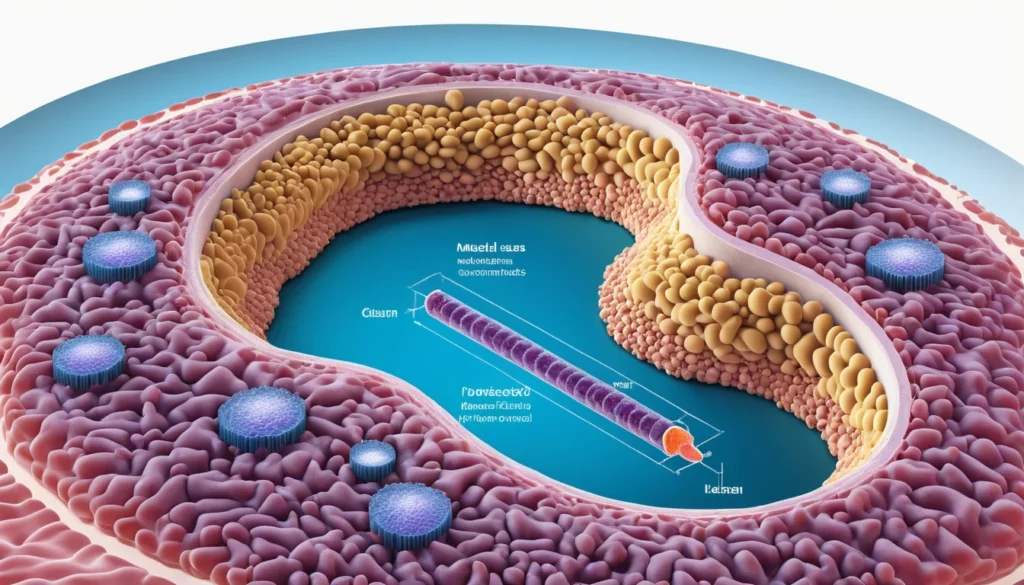
Type 1 diabetes is a lifelong condition where the body produces little or no insulin. Without insulin, blood sugar levels rise dangerously high, damaging the heart, kidneys, eyes, and nerves over time. This article explains what type 1 diabetes is, what causes it, how to recognise the symptoms, and how it is managed — including what Canadians can expect from their healthcare team.
What Is Type 1 Diabetes?
Type 1 diabetes is an autoimmune condition. The immune system mistakenly attacks and destroys the insulin-producing beta cells in the pancreas.
Insulin is a hormone that acts like a key. It unlocks your cells so they can absorb glucose (sugar) from the blood and use it for energy. Without enough insulin, glucose builds up in the bloodstream instead.
This build-up of blood sugar is called hyperglycaemia. Over time, persistently high blood sugar causes serious damage to blood vessels, nerves, the heart, kidneys, and eyes.
Type 1 diabetes accounts for roughly 5–10% of all diabetes cases in Canada. It is different from type 2 diabetes, which involves insulin resistance rather than a total lack of insulin. Other forms include gestational diabetes and secondary diabetes.
Who Gets Type 1 Diabetes?
Type 1 diabetes can develop at any age. However, it is most common in children, teenagers, and young adults — which is why it was once called juvenile diabetes.
A related condition called Latent Autoimmune Diabetes in Adults (LADA) also exists. It is a slow-developing form of type 1 diabetes that begins in adulthood and is often mistaken for type 2 diabetes at first.
Causes of Type 1 Diabetes
The exact cause of type 1 diabetes is not fully understood. Researchers believe it results from a combination of genetic and environmental factors.
Genetics play an important role. However, many people diagnosed with type 1 diabetes have no family history of the condition. This tells us that genes alone do not tell the whole story.
Environmental triggers also appear to matter. For example, certain viral infections — such as the Coxsackie B virus — may trigger the autoimmune response that destroys beta cells in people who are already genetically predisposed.
It is worth noting that researchers have studied whether vaccines, such as the one for Haemophilus influenzae type b (Hib), play any role. According to current evidence, no link between standard childhood vaccinations and type 1 diabetes has been proven. Health Canada continues to support the safety of recommended vaccines.
Symptoms of Type 1 Diabetes
Symptoms of type 1 diabetes tend to come on quickly — sometimes over just a few days or weeks. They are caused by rising blood sugar levels in the body.
Early symptoms can be easy to miss. They are sometimes mistaken for the flu, especially in children. It is important to know what to watch for.
Early Warning Signs
Frequent urination — especially at night
Bed-wetting in children who were previously toilet-trained
Extreme thirst and a dry mouth
Unexplained weight loss
Increased hunger, even after eating
Fatigue and low energy
Blurred vision
Sometimes, blood sugar can climb very high before a person realises something is wrong. This is especially true in young children, who may not be able to describe how they feel.
Signs of Diabetic Ketoacidosis (DKA)
When there is no insulin available, the body cannot use glucose for energy. Instead, it breaks down fat and muscle for fuel. This process produces harmful by-products called ketones.
A dangerous build-up of ketones leads to a condition called diabetic ketoacidosis (DKA). DKA is a medical emergency. It is one of the most serious complications of type 1 diabetes.
Symptoms of DKA include:
Dry, flushed, and warm skin
Loss of appetite, stomach pain, and vomiting
A fruity or acetone-like smell on the breath
Rapid, deep breathing
Confusion, extreme drowsiness, or loss of consciousness
In young children: loss of interest in everyday activities
If you notice these symptoms in yourself or your child, call 911 or go to the nearest emergency department immediately. DKA requires urgent medical care.
How Type 1 Diabetes Develops
In type 1 diabetes, the immune system destroys the pancreatic beta cells over time. The speed of this destruction varies from person to person.
In children, beta cells are often destroyed rapidly. As a result, symptoms appear suddenly and severely. In adults, the process tends to be slower, so symptoms may develop more gradually.
Sometimes, a viral illness — such as influenza — seems to trigger the onset of symptoms. In other cases, there is no clear trigger at all.
The “Honeymoon Phase”
Shortly after diagnosis, some people with type 1 diabetes experience what doctors call the “honeymoon phase.” During this short period — usually a few weeks to a few months — the pancreas recovers partially and begins producing small amounts of insulin again.
During the honeymoon phase, insulin needs may drop significantly. Some people need very little insulin, or none at all, for a short time. However, this phase does not last. After it ends, ongoing insulin therapy becomes essential for life.
Your diabetes care team will monitor you closely during this phase. They will adjust your treatment plan as your insulin needs change.
Treatment and Management of Type 1 Diabetes
There is currently no cure for type 1 diabetes. However, it can be well managed with the right treatment plan. Most Canadians with type 1 diabetes work with a team that includes their family doctor, an endocrinologist, a diabetes educator, and a dietitian.
According to the World Health Organization, people with type 1 diabetes require daily insulin to survive. Treatment is personalised to each individual.
Insulin Therapy
Insulin cannot be taken as a pill — it must be injected or delivered through an insulin pump. There are several types of insulin, including fast-acting and long-acting formulations.
Your healthcare team will help you find the right insulin regimen. Most provincial health plans in Canada offer coverage for insulin and related supplies. Check with your provincial health authority or a pharmacist to learn what is covered in your province.
Blood Sugar Monitoring
Checking blood sugar regularly is a key part of managing type 1 diabetes. Many Canadians now use continuous glucose monitors (CGMs), which track blood sugar levels automatically throughout the day and night.
Daily monitoring helps you and your healthcare team make informed decisions about insulin doses, diet, and physical activity. Keeping blood sugar within your target range reduces your risk of long-term complications.
Healthy Eating
There is no single “diabetes diet.” However, eating a balanced diet rich in vegetables, whole grains, lean protein, and fibre helps keep blood sugar stable. A registered dietitian can help you build a meal plan that fits your lifestyle and health goals.
Limiting sugary drinks and refined carbohydrates is generally recommended. Consistent meal timing also helps make insulin management more predictable.
Physical Activity
Regular exercise helps the body use insulin more effectively. It also supports heart health, weight management, and overall well-being. Most adults should aim for at least 150 minutes of moderate activity per week.
However, exercise affects blood sugar levels — sometimes raising them, sometimes lowering them. People with type 1 diabetes should monitor their blood sugar before, during, and after physical activity. Talk to your diabetes care team about how to adjust your insulin around exercise safely.
Type 1 Diabetes and Pregnancy
Women with type 1 diabetes can have healthy pregnancies. However, careful planning and close monitoring are essential.
High blood sugar during the first trimester carries a higher risk of birth defects. Therefore, it is important to have blood sugar well controlled before becoming pregnant and throughout the pregnancy.
Your healthcare team will aim to keep your HbA1c (a measure of long-term blood sugar control) as close to normal as safely possible. Women with type 1 diabetes who are not planning a pregnancy should discuss reliable contraception options with their doctor to reduce this risk.
If you are planning a pregnancy or have recently found out you are pregnant, speak to your family doctor or endocrinologist as soon as possible.
When to See a Doctor
If you or your child are experiencing any of the early warning signs of type 1 diabetes — such as frequent urination, extreme thirst, or unexplained weight loss — see a doctor promptly. Your family doctor can order a simple blood test to check blood sugar levels.
If you do not have a family doctor, a walk-in clinic can assess your symptoms and refer you to a specialist if needed. Many walk-in clinics across Canada are equipped to handle initial diabetes screening.
If symptoms of DKA are present — such as vomiting, confusion, fruity-smelling breath, or rapid breathing — call 911 or go to the emergency room immediately. Do not wait for a scheduled appointment.
Even if you have already been diagnosed with type 1 diabetes, regular check-ins with your healthcare team are important. Routine appointments help prevent complications and keep your treatment plan on track.
Frequently Asked Questions About Type 1 Diabetes
What is the difference between type 1 and type 2 diabetes?
Type 1 diabetes is an autoimmune condition where the body produces no insulin at all. Type 2 diabetes occurs when the body does not use insulin properly or does not make enough of it. People with type 1 diabetes always require insulin therapy, while type 2 is often managed with lifestyle changes and oral medications, at least in the early stages.
Can type 1 diabetes be prevented?
Currently, type 1 diabetes cannot be prevented. It is caused by an autoimmune reaction that destroys insulin-producing cells, and researchers are still working to understand all the triggers involved. However, early diagnosis and proper management can prevent serious complications.
What causes type 1 diabetes in children?
Type 1 diabetes in children is caused by the immune system attacking the insulin-producing beta cells in the pancreas. Both genetic factors and environmental triggers — such as certain viral infections — are thought to play a role. It is not caused by diet or lifestyle choices.
What are the first signs of type 1 diabetes?
The earliest signs of type 1 diabetes include frequent urination, extreme thirst, unexpected weight loss, and increased hunger. These symptoms can appear within days or weeks and are sometimes mistaken for a common illness like the flu. If you notice these signs, see your family doctor or visit a walk-in clinic promptly.
Is insulin covered by provincial health plans in Canada?
Insulin coverage varies by province and territory in Canada. Most provincial drug benefit programmes cover insulin and related supplies for eligible residents, but the specific products and criteria differ. Contact your provincial health authority or speak with a pharmacist to find out what is covered where you live.
What is diabetic ketoacidosis (DKA) and how serious is it?
Diabetic ketoacidosis is a life-threatening complication of type 1 diabetes that occurs when the body breaks down fat for energy, producing dangerous levels of ketones in the blood. Symptoms include vomiting, confusion, fruity-smelling breath, and rapid breathing. DKA is a medical emergency — call 911 or go to the nearest emergency room immediately if you suspect it.
Key Takeaways
Type 1 diabetes is an autoimmune condition where the immune system destroys insulin-producing cells in the pancreas.
It can affect people of any age, but it most commonly develops in children and young adults.
Early symptoms include frequent urination, extreme thirst, weight loss, and fatigue — and they can come on quickly.
Diabetic ketoacidosis (DKA) is a medical emergency that requires immediate care at a hospital emergency department.
Type 1 diabetes is managed with daily insulin, blood sugar monitoring, healthy eating, and regular physical activity.
Most provincial health plans in Canada offer coverage for insulin and diabetes supplies — speak to your pharmacist or provincial health authority for details.
Women with type 1 diabetes should speak to their healthcare team before and during pregnancy to protect both their health and their baby’s health.
Always consult your family doctor or a qualified healthcare provider for advice specific to your situation. This article is for general information only and does not replace professional medical advice.