Turner syndrome is a genetic condition that affects girls and women. It occurs when one of the two X chromosomes is missing or incomplete. This leads to a range of health challenges, including short stature, infertility, and heart defects. In Canada, Turner syndrome affects roughly 1 in 2,500 newborn girls and is one of the most common chromosomal conditions in females.
What Is Turner Syndrome?
Turner syndrome is sometimes called gonadal dysgenesis. It happens when a girl is born with only one fully functioning X chromosome instead of two. This chromosomal difference affects how the body grows and develops, especially during puberty.
Most girls with Turner syndrome do not develop ovaries that function normally. As a result, they often experience infertility and a lack of typical pubertal development without treatment. However, the condition varies widely from person to person. Some girls show very few signs, while others face a broader range of health issues.
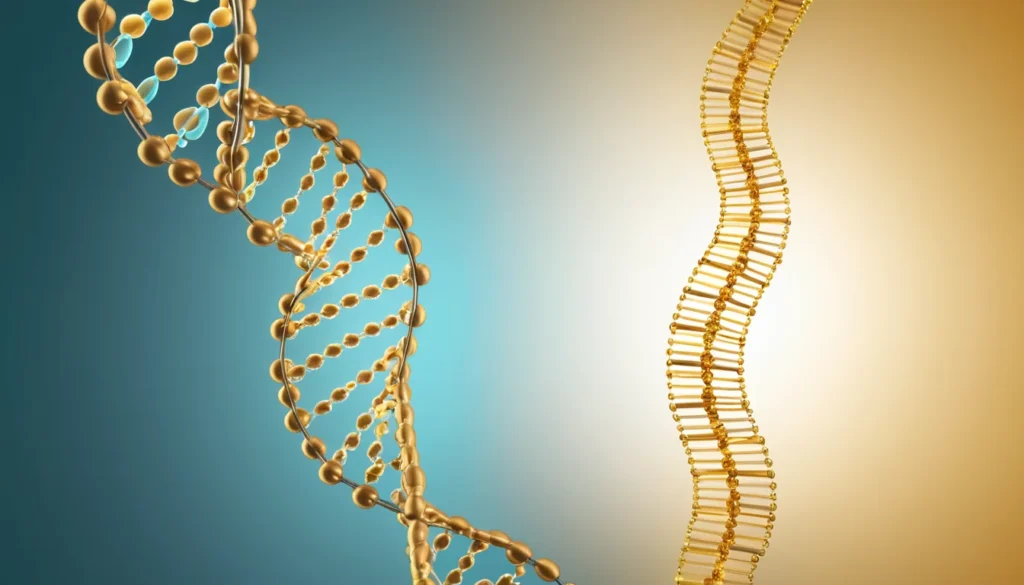
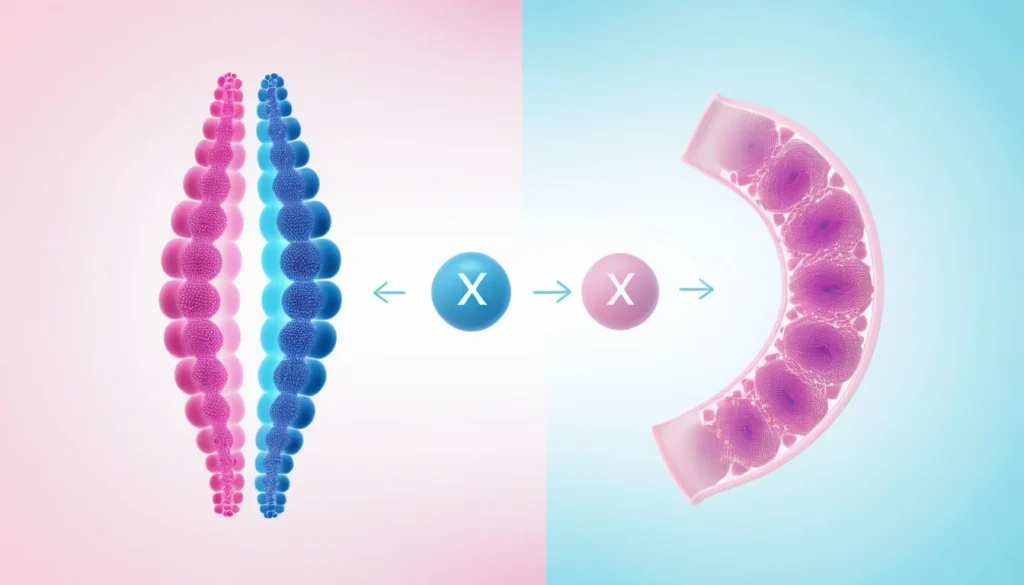
The most common chromosomal pattern in Turner syndrome is called monosomy X, written as 45,X. A typical female has 46 chromosomes, including two sex chromosomes (XX). In Turner syndrome, one X chromosome is fully or partially absent. In some cases, a pattern called mosaicism occurs. This means the missing chromosome is only absent in some cells, not all. Mosaic Turner syndrome often results in milder symptoms.
What Causes Turner Syndrome?
Turner syndrome is not caused by anything a parent did or did not do during pregnancy. It results from a random error during the formation of reproductive cells. In over 60% of cases, the missing X chromosome comes from the father’s side. This means most girls with Turner syndrome inherit their single working X chromosome from their mother.
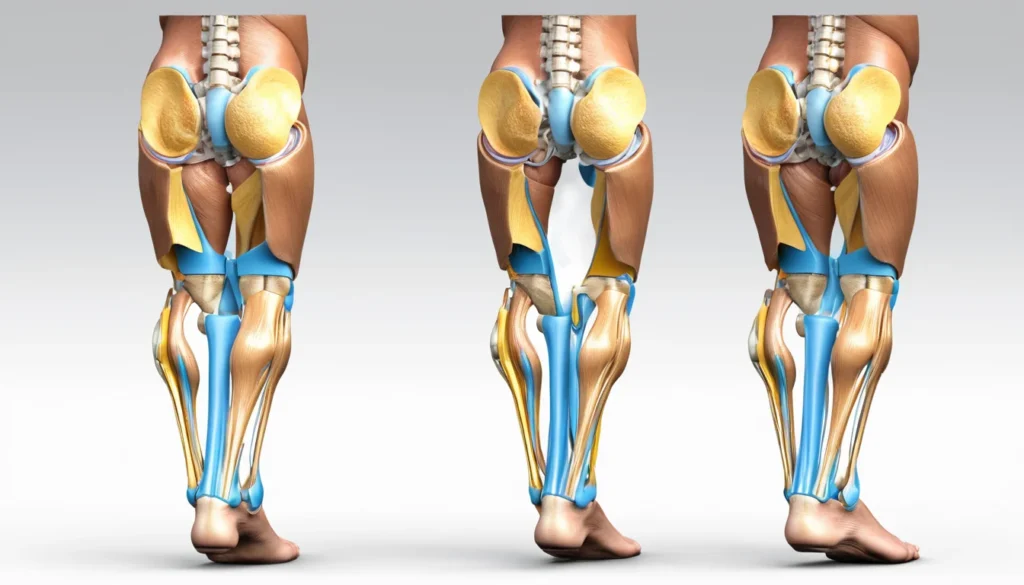
The absence of a gene called SHOX plays a major role in many symptoms. The SHOX gene sits on the short arm of the X chromosome. It is essential for normal bone growth and overall development. When this gene is missing or incomplete, it leads to short stature and bone abnormalities.
Turner syndrome is present from conception. It is not inherited in the traditional sense and cannot be passed down from parent to child. However, researchers are still studying whether a mother’s age at pregnancy — either very young or older — may slightly increase the risk, as seen with other chromosomal conditions like Down syndrome.
Recognising the Symptoms of Turner Syndrome
The signs of Turner syndrome can range from subtle to quite noticeable. Some are present at birth, while others only appear at puberty. A family doctor or paediatrician may first notice physical features during a routine check-up.
Physical Features Present at Birth or in Early Childhood
Swelling (lymphoedema) of the hands and feet — often one of the earliest signs in newborns
Short, webbed neck with a low hairline at the back
Low-set ears
Broad chest with widely spaced nipples
Abnormally shaped fingernails — often narrow and turned upward
Short fingers that may be incompletely developed
Skin tags (nevi) across the body
Hip dislocation
Heart defects, such as coarctation of the aorta (a narrowing of the main artery from the heart)
Kidney abnormalities
Symptoms That Appear Later in Childhood and Adolescence
Short stature — present in about 95% of girls with Turner syndrome. Growth appears normal until around age 10 or 11, then falls significantly behind peers.
Delayed or absent puberty — breasts may not develop by age 12
Absent menstrual periods (amenorrhoea) — periods may never start, or may stop early
Infertility due to non-functioning ovaries
Frequent ear infections (otitis media), often due to drainage problems in the middle ear
Hearing loss related to otosclerosis
Eye problems including strabismus (crossed eyes), ptosis (drooping eyelid), amblyopia (lazy eye), and colour blindness for red and green
Scoliosis (curved spine) — affects about 10% of patients
Dental abnormalities
Obesity and type 2 diabetes
Long-Term Health Risks
Women with Turner syndrome face a higher risk of certain chronic conditions. These include osteoporosis, hypothyroidism (underactive thyroid), and high blood pressure. There is also an elevated risk of inflammatory bowel conditions such as Crohn’s disease and ulcerative colitis.
Aortic dissection — a serious tear in the wall of the aorta — is a significant concern in adults with Turner syndrome. Furthermore, gastrointestinal bleeding can occur due to vascular abnormalities. Regular monitoring by specialists is essential throughout a woman’s life.
How Is Turner Syndrome Diagnosed?
Turner syndrome can be diagnosed before birth or after. The path to diagnosis depends on when signs first appear and how clearly they present themselves.
Prenatal Diagnosis
Doctors can detect Turner syndrome during pregnancy through amniocentesis or chorionic villus sampling (CVS). These tests examine the baby’s chromosomes directly. They are typically recommended when an ultrasound shows signs such as kidney or heart abnormalities, or a condition called non-immune hydrops fetalis (fluid build-up in the baby’s body).
In addition, certain hormone levels in the mother’s blood may suggest a chromosomal issue. Elevated human chorionic gonadotropin (hCG), low oestradiol, and abnormal alpha-fetoprotein levels may prompt further testing. It is worth noting that over 95% of pregnancies with a 45,X foetus end in miscarriage.
Diagnosis in Infancy and Childhood
After birth, a doctor may suspect Turner syndrome when a newborn shows notable hand and foot swelling, or when a young girl grows more slowly than expected. A simple blood test called a karyotype can confirm the diagnosis. This test looks at the number and structure of chromosomes in a blood sample.
For more information on chromosomal testing and genetic counselling available to Canadians, visit Health Canada’s official health resources.
Treatment and Management in Canada
There is no cure for Turner syndrome. However, treatments can address many of its symptoms and greatly improve quality of life. A team of specialists — including endocrinologists, cardiologists, and gynaecologists — typically works together to support each patient.
Growth Hormone Therapy
Most girls with Turner syndrome are prescribed growth hormone injections to help them reach a taller adult height. Treatment usually begins around age 4 to 6 and continues until the growth plates in the bones close. In Canada, this therapy is covered under many provincial health plans when prescribed through a paediatric endocrinologist.
Oestrogen Replacement Therapy
Because the ovaries do not produce enough oestrogen, girls with Turner syndrome need hormone replacement therapy (HRT) to trigger puberty. This is usually started around age 11 to 12. HRT helps develop secondary sexual characteristics, supports bone density, and reduces the risk of osteoporosis. It is typically continued until the average age of natural menopause.
Heart and Kidney Monitoring
Regular cardiac imaging, such as an echocardiogram or MRI, is essential. Heart defects — particularly aortic abnormalities — can be life-threatening if undetected. Kidney structure should also be checked early in life, as abnormalities can lead to high blood pressure or urinary infections.
Fertility Options
Most women with Turner syndrome are infertile. However, some — particularly those with mosaic Turner syndrome — may retain some ovarian function. Assisted reproductive technologies, such as egg donation and in vitro fertilisation (IVF), offer pathways to pregnancy for many women. Speak with a fertility specialist for personalised options.
For a comprehensive overview of Turner syndrome management, the Mayo Clinic provides detailed treatment guidelines.
When to See a Doctor
If you notice any signs of Turner syndrome in your child — such as unusual swelling at birth, very slow growth, or a lack of pubertal development by age 12 — contact your family doctor as soon as possible. Early diagnosis leads to earlier treatment and better outcomes.
If you do not have a family doctor, a walk-in clinic can provide an initial assessment and refer you to a paediatric specialist. Many provinces also offer referrals to genetics clinics through the public health system. Do not wait to seek help — the sooner Turner syndrome is identified, the sooner treatment can begin.
Women already diagnosed with Turner syndrome should see their specialist team regularly. This includes annual heart checks, bone density scans, thyroid function tests, and blood pressure monitoring. Healthline offers additional guidance on living well with Turner syndrome.
Always consult your doctor or a qualified healthcare provider before starting or changing any treatment. This article is for informational purposes only and does not replace professional medical advice.
Frequently Asked Questions About Turner Syndrome
What is Turner syndrome in simple terms?
Turner syndrome is a genetic condition where a girl is born with one X chromosome instead of two. This affects her growth, heart, kidneys, and reproductive development. Turner syndrome only affects females and is not caused by anything parents did during pregnancy.
Can a girl with Turner syndrome live a normal life?
Yes, many women with Turner syndrome live full and healthy lives with the right medical support. Early treatment with growth hormone and oestrogen therapy makes a significant difference. Regular monitoring of the heart, thyroid, and bones is important throughout life.
Is Turner syndrome hereditary?
Turner syndrome is not typically hereditary. It results from a random chromosomal error during the formation of sperm or egg cells. Most cases are not passed down through families, so having one child with Turner syndrome does not greatly increase the risk for future pregnancies.
Can women with Turner syndrome get pregnant?
Most women with Turner syndrome are infertile because their ovaries do not function normally. However, some women — especially those with mosaic Turner syndrome — may be able to conceive. Egg donation and IVF are options that fertility specialists in Canada can discuss with you.
How is Turner syndrome diagnosed in Canada?
Turner syndrome is diagnosed through a blood test called a karyotype, which examines a person’s chromosomes. It can also be detected before birth through amniocentesis or chorionic villus sampling. In Canada, your family doctor can arrange a referral to a genetics clinic through your provincial health plan.
What are the first signs of Turner syndrome in a newborn?
The earliest signs of Turner syndrome in a newborn are often puffy or swollen hands and feet, a wide or webbed neck, and low-set ears. Some babies are also born with heart defects that a doctor may detect during a routine newborn examination. If you notice these signs, speak to your family doctor or a walk-in clinic promptly.
Key Takeaways
Turner syndrome is a chromosomal condition affecting girls and women, caused by a missing or incomplete X chromosome.
It affects approximately 1 in 2,500 newborn girls in Canada.
Common signs include short stature, heart defects, kidney abnormalities, and absent or delayed puberty.
Diagnosis is confirmed through a karyotype blood test and can also be detected prenatally.
Treatment includes growth hormone therapy and oestrogen replacement, and is available through Canadian provincial health plans.
Long-term health monitoring — including heart, thyroid, and bone checks — is essential for all women with Turner syndrome.
Most women with Turner syndrome live full lives. Early diagnosis and treatment make a meaningful difference.
Talk to your family doctor or walk-in clinic if you have any concerns. Always consult a healthcare professional for personalised medical advice.